
Aluminium foil is recyclable material — not an automatic blue-bin item
Cleanliness, item size and local sorting rules decide whether household foil has a real recovery route.
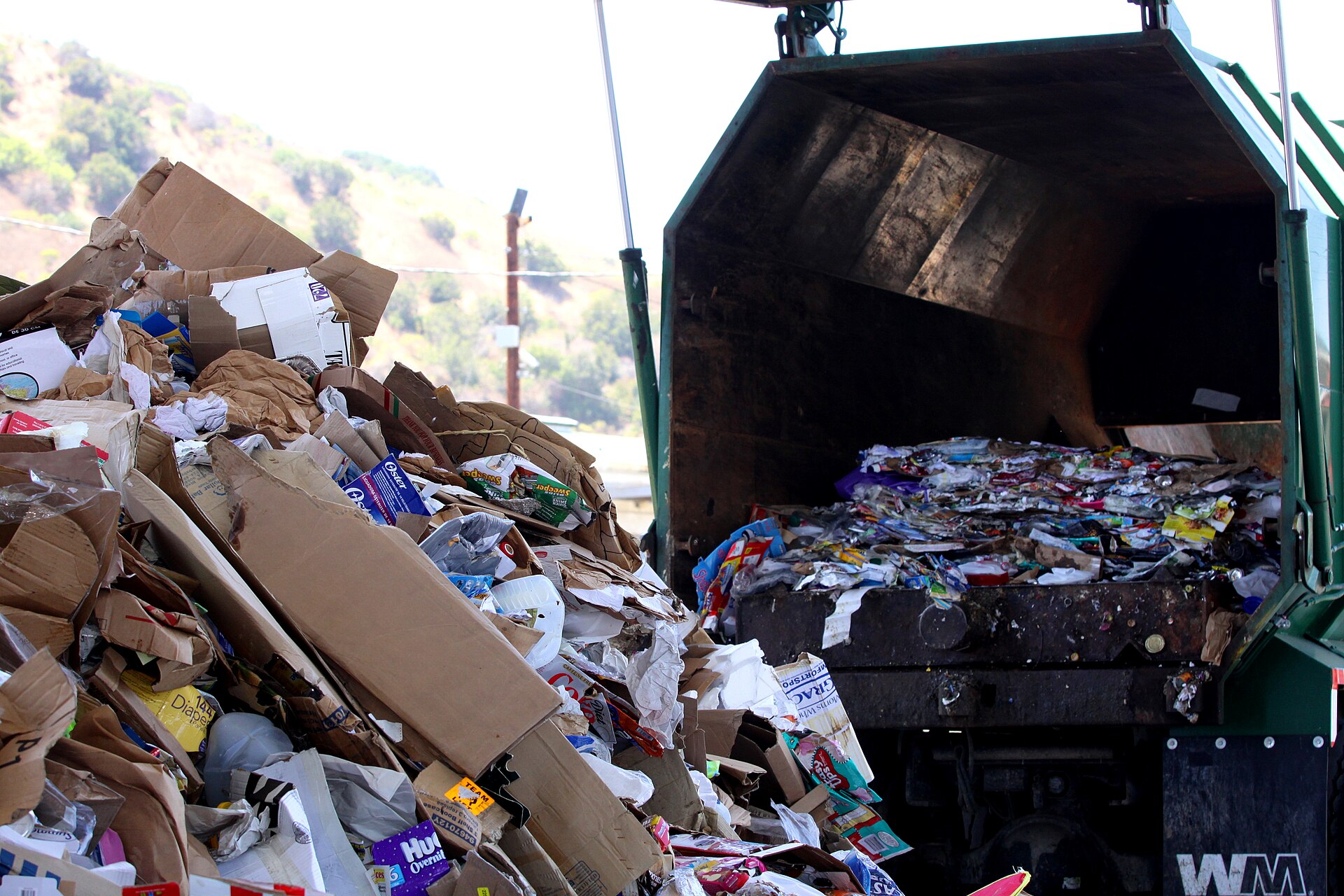
Cleanliness, item size and local sorting rules decide whether household foil has a real recovery route. From a purely metallurgical standpoint, aluminium is an element that can be melted down repeatedly without degrading its fundamental atomic properties. In scrap markets and remelting facilities, clean aluminium represents one of the most commercially viable secondary commodities available. Yet consumers frequently conflate intrinsic material properties with the physical capability of their regional municipal recycling infrastructure.
Aluminium can be recycled, so every piece of foil belongs in the household recycling bin.
Material recyclability and programme acceptance are different. Foil needs a collection and sorting route that can actually recover it.
When commingled materials enter a materials recovery facility (MRF), the sorting process relies on assumptions about object shape, density, and rigidity. Single-stream collection systems were developed to maximize public participation by allowing paper, glass, plastics, and metals to share a single cart. However, this convenience relies entirely on automated back-end separation. When items lack structural stability, mechanical fingers, rotating stars, and optical sensors struggle to categorise them correctly. Light-gauge household foil, regardless of its metallurgical purity, introduces erratic fluid dynamics and negligible mass that disrupt conventional sorting screens.
Same metal, different object
Thin foil behaves differently from a rigid can on a sorting line. Small pieces can fall through screens, while flattened sheets may follow the wrong fraction. Food residues and laminated plastic layers create further complications.
An aluminium beverage can presents an ideal sorting target: consistent three-dimensional geometry, structural rigidity, predictable mass, and a small surface-area-to-weight ratio. Household foil offers none of these properties. A sheet of kitchen foil may arrive as a crumpled ball, an expansive flat sheet, or shredded flakes mixed with organics. Each shape interacts with sorting machinery differently.
Where a programme accepts foil, its instructions may require it to be clean and gathered into a larger ball. The specified size is a local equipment rule—not a universal scientific threshold that guarantees recovery everywhere. When foil is crumpled into a dense ball, it presents a concentrated mass that behaves somewhat like a rigid container. If left flat, it mimics a two-dimensional sheet of paper or film, gliding across ballistic separators and landing directly in the fiber stream, where it degrades paper pulp quality. If shredded or torn into small scraps, it drops directly through primary disc screens into the glass and grit fines, moving straight to a landfill or an incinerator.
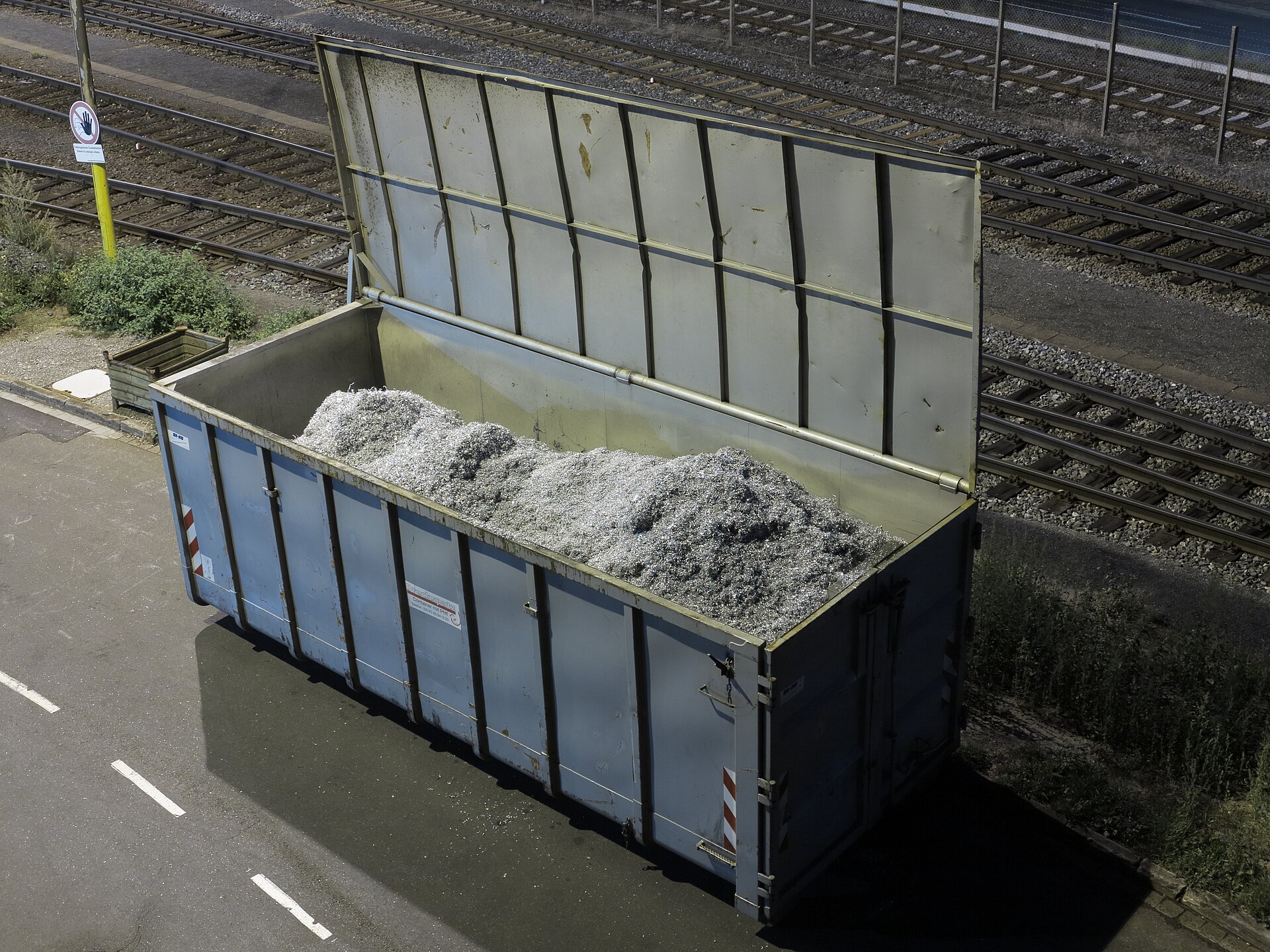
Mechanical sorting and the fate of light-gauge sheet
At the facility, mechanical sorting isolates materials based on physical dimensions. Rotating disc screens and ballistic separators divide stiff, three-dimensional containers from flat paper. Foil disrupts this boundary. Depending on how it was discarded, it may behave like a container, mimic two-dimensional paper, or crumble into unrecoverable fragments.
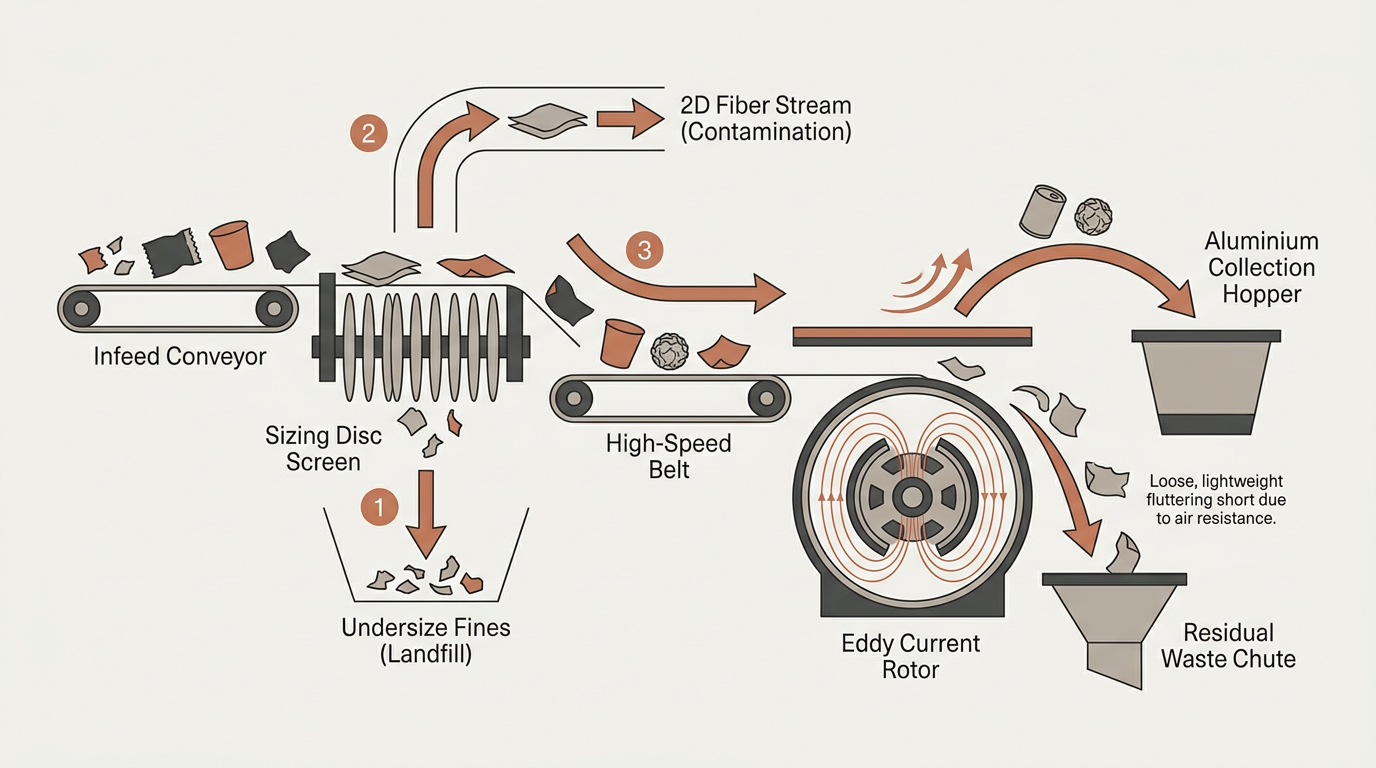
Non-ferrous metal recovery downstream relies on eddy current separators. Rapidly alternating magnetic fields induce electrical currents within conductive metals passing on a high-speed belt. These eddy currents generate a counteracting magnetic field, physically throwing non-ferrous metals forward over a splitter plate into a recovery bin.
This mechanism works when magnetic repulsion exceeds gravity and air resistance. A rigid beverage can possesses sufficient mass and electrical conductivity to hurdle the splitter plate cleanly. Thin foil, however, has a high surface area relative to its weight. The resulting repulsion is weak, and air resistance causes light sheets to flutter. Instead of crossing the barrier, loose foil drops short into the residue fraction destined for disposal.
Even if foil reaches an aluminium bale, furnace chemistry creates another hurdle. Industrial aluminium scrap has a different handling route from thin household foil. In remelting furnaces, thin-gauge aluminium with excessive surface area oxidises rapidly. Exposed to high heat, the metal turns into aluminium oxide dross rather than pooling as liquid metal. Without specialised sub-surface charging equipment or salt fluxes, light foil often burns away as process loss.
Multi-layer packaging introduces further complexity. Snack bags, coffee pouches, and blister packs frequently bond ultra-thin aluminium foil to plastic films. Laminates can look metallic. Check the packaging information and the receiving programme rather than relying on appearance alone. When melted, these polymer coatings produce smoke, volatile emissions, and slag contaminants that foul secondary smelters.
A quick household test proves every shiny wrapper is pure aluminium.
Laminates can look metallic. Check the packaging information and the receiving programme rather than relying on appearance alone.
Do not borrow a can statistic
Broad aluminium packaging recovery figures include more than foil. They should not be labelled household-foil rates. The brief’s detailed national foil percentages and sorting-study claims lack sufficiently specific supporting publications to repeat here.
When industry campaigns publish broad aluminium recycling rates, those macro figures overwhelmingly reflect the capture of beverage cans, which benefit from high consumer awareness, deposit schemes, and dedicated collection lines. Can recycling rates are bolstered by standardized alloy composition, rapid melting cycles, and established secondary supply chains that convert used cans into new sheet metal in as little as sixty days. Household foil lacks this closed-loop velocity, entering the waste stream with unpredictable purity, variable alloy blends, and heavy food soiling. Applying container statistics to household foil misrepresents what municipal infrastructure actually recovers.
Similarly, the familiar energy advantage for recycled aluminium describes producing secondary metal compared with primary metal. It is not a guarantee that a particular household foil item will survive collection and sorting. Remelting secondary metal avoids the massive electrical energy required to refine bauxite into alumina and smelt it via Hall-Héroult electrolytic cells. However, that thermodynamic efficiency only matters when metal reaches the furnace. Theoretical energy savings cannot redeem material lost to screens or rejected as contamination.
The practical decision
Consult your municipality or hauler’s current foil guidance. Follow its preparation and size requirements where foil is accepted. If it is excluded, putting it in anyway does not create a new recovery route. Addressing the foil conundrum requires abandoning assumptions based strictly on material composition.
Where local programs accept household foil, preparation rules are strict:
- Food residues must be removed; baked-on grease causes furnace smoke and dross formation, prompting facilities to reject contaminated bales.
- Foil must be compacted; balling foil to the size of a fist gives it sufficient density to pass over screens and respond to eddy currents.
- Metallised composite pouches must stay in the general waste stream unless dedicated chemical recycling options exist.
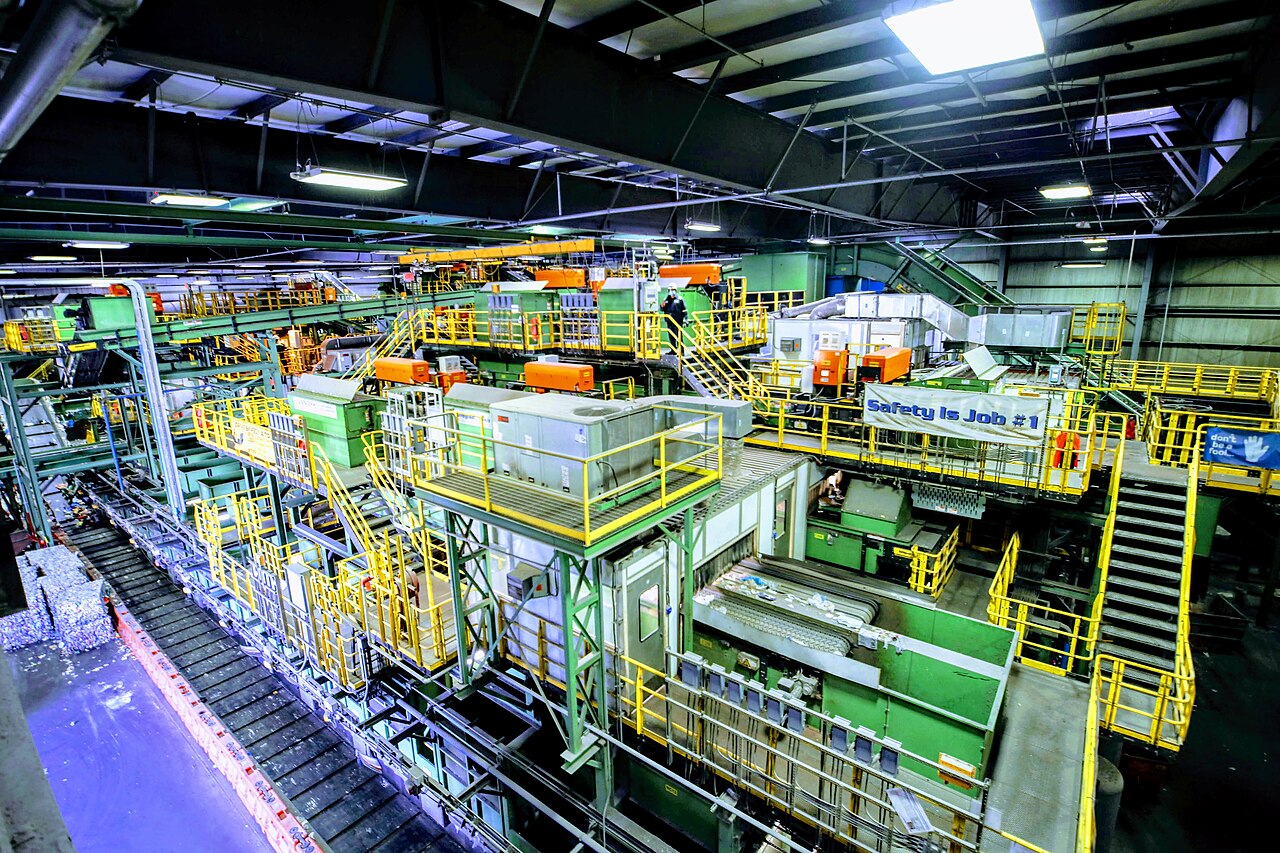
The point is not that foil cannot be recycled. It is that a metallurgical possibility needs an actual collection system. Local instructions are more useful than a universal yes printed beside a recycling symbol.
References and image credits›
Photo: US Department of Defense, public domain · Photo: TeWeBs, CC BY-SA 4.0 · Diagram: The Waste Stack · Photo: CaptJayRuffins, CC BY-SA 4.0, via Wikimedia Commons