
Your Receipts Do Not Belong in the Paper Recycling
Thermal receipt paper carries a bisphenol coating. Put it in the paper stream and the chemistry ends up in recycled paper products.
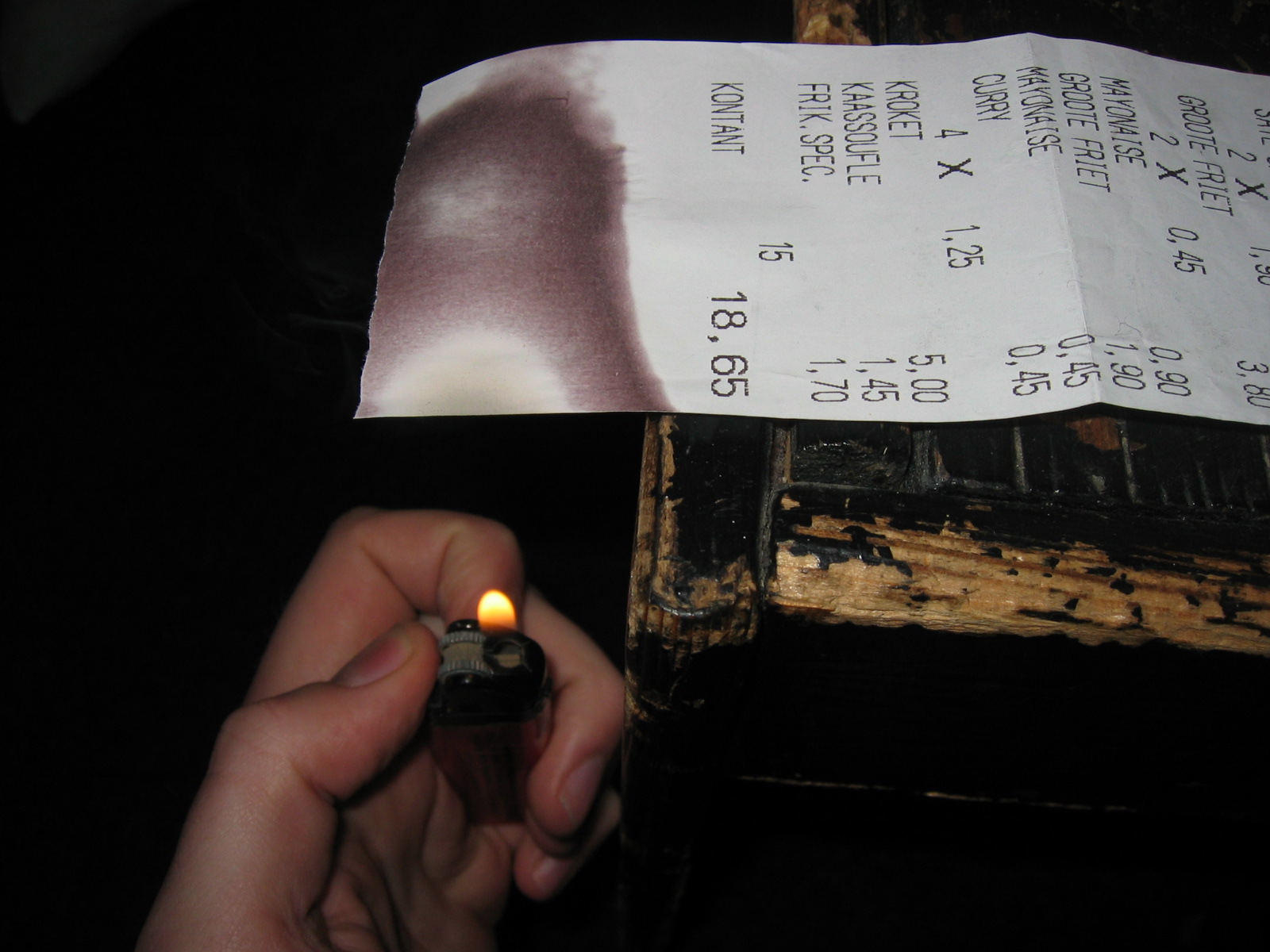
It looks like paper, it tears like paper, and it is shaped like the thing you are meant to recycle. Thermal receipt paper is still the wrong material for the paper bin, and for a chemical reason rather than a mechanical one.
A receipt is paper, so it goes in with the paper.
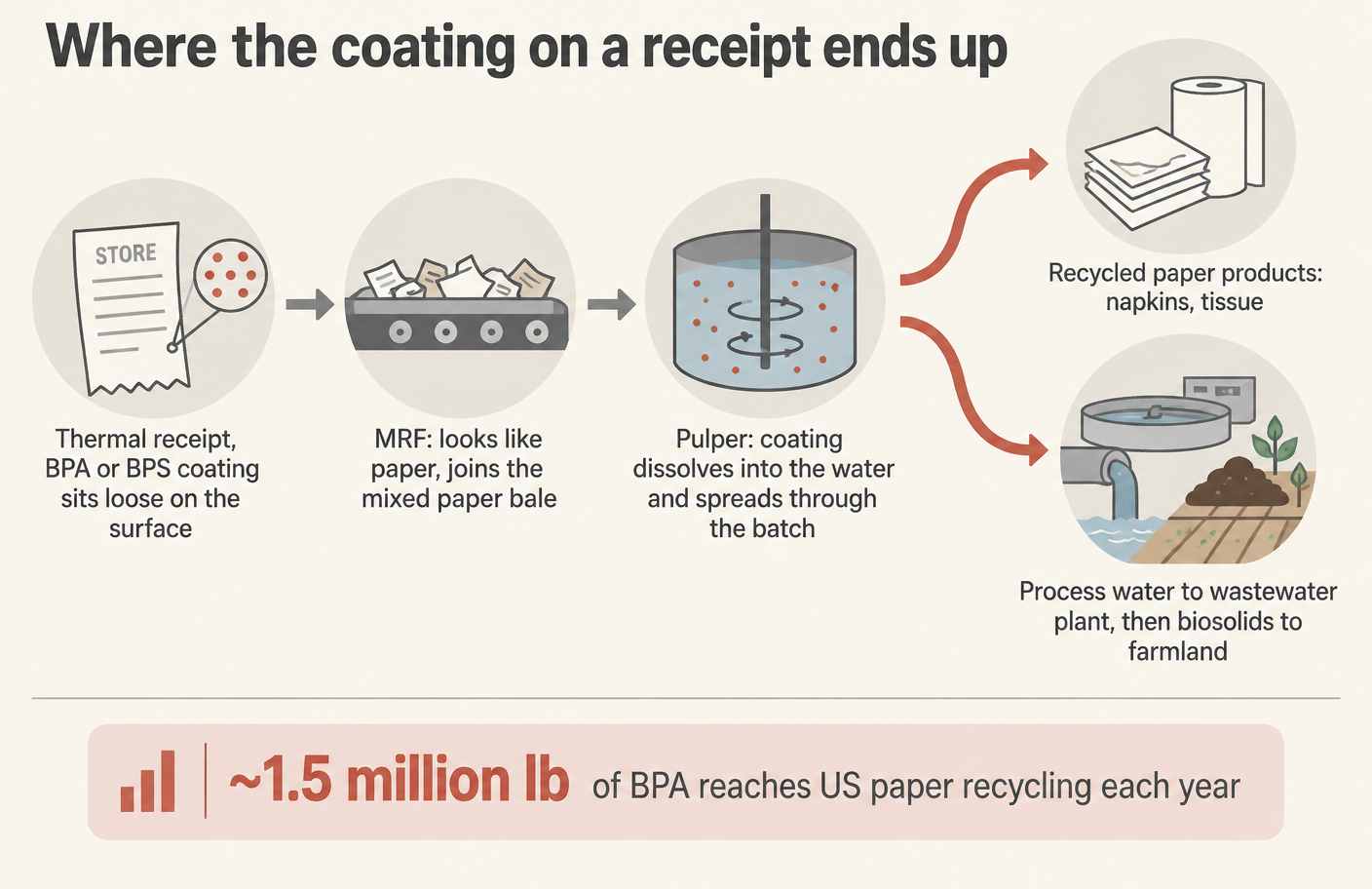
Thermal paper is coated with a colour developer - historically BPA, now often BPS - which survives pulping and transfers into recycled paper products.
How thermal paper works
There is no ink. The paper carries a coating of a leuco dye and an acidic developer. The print head heats a spot, the developer melts and reacts with the dye, and the spot turns black. The developer has to be a mobile, reactive small molecule for this to work at all - which is exactly the property that makes it a contaminant downstream.
Where it ends up
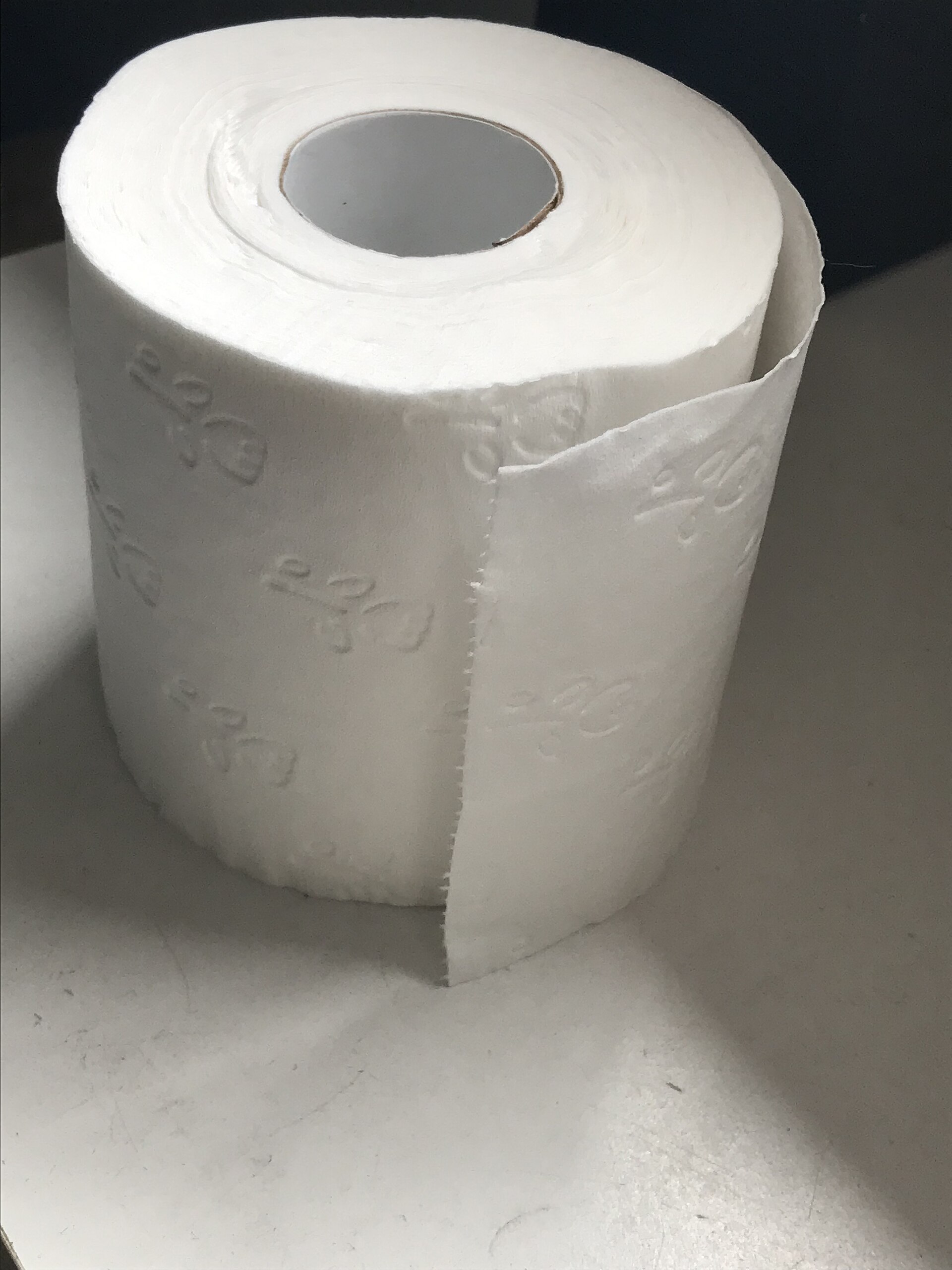
Pulping does not destroy it. Bisphenols from recycled receipts have been measured in recycled paper products including food packaging, napkins and toilet paper - a well-documented pathway in the peer-reviewed literature. Substituting BPS for BPA changed the regulatory label more than the toxicology; BPS is structurally similar and shows comparable endocrine activity in published studies.
What to do
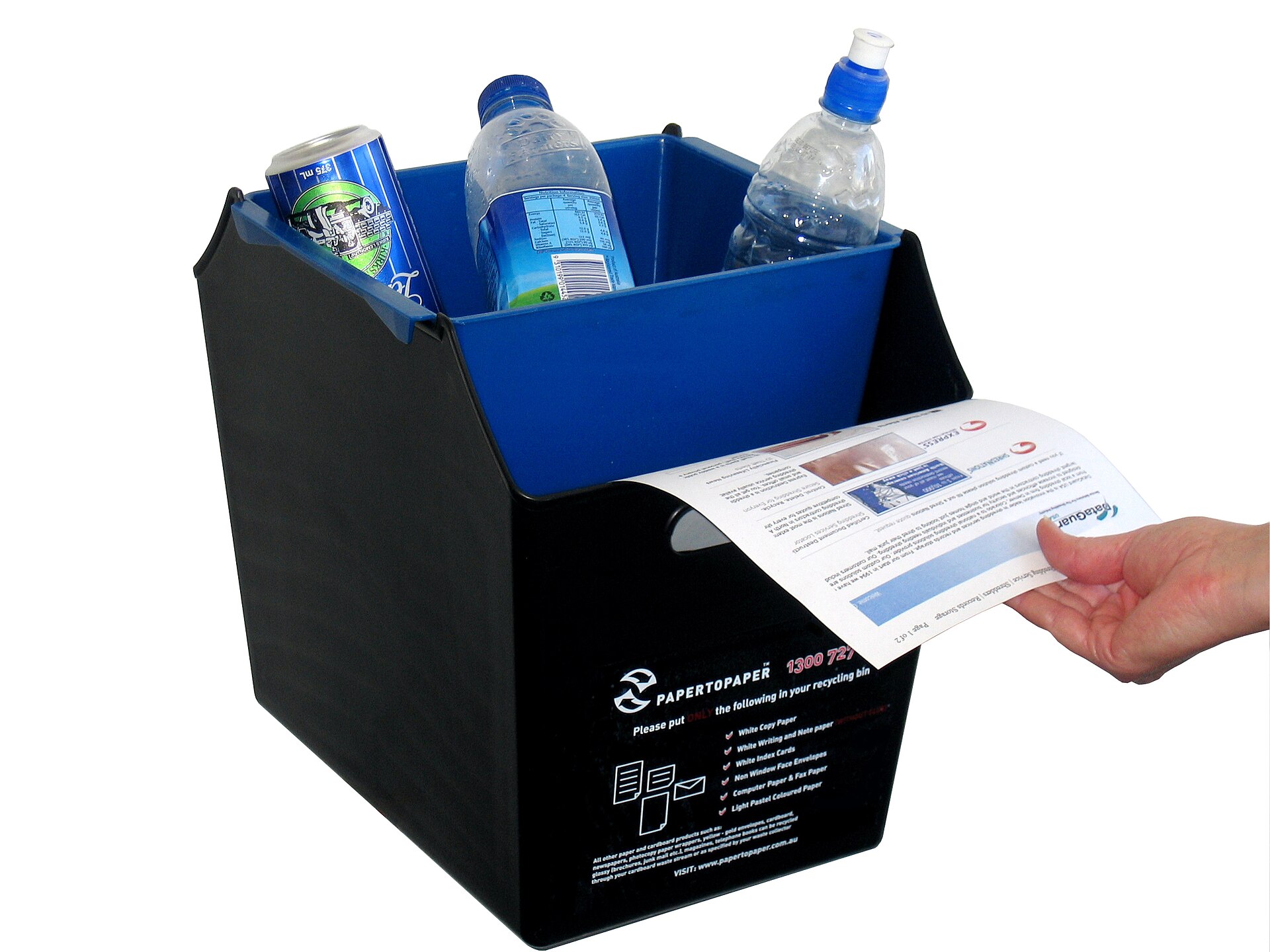
Put receipts in general waste, not the paper bin and not the compost. Decline the printed copy where a digital receipt is offered - the emailed version removes the material from the system entirely. If you handle receipts all day, wash your hands before eating; dermal transfer of bisphenols from thermal paper is documented, and hand sanitiser increases absorption.
The honest limits
A minority of thermal papers now use phenol-free developers, and these are not always distinguishable by eye. Exposure from a handful of receipts is small for an individual. The argument here is about the recycling stream, where individually trivial quantities aggregate into a measurable contaminant in products intended for food and skin contact.
References and image credits›
Photo: IIVQ - Tijmen Stam, Wikimedia Commons, CC BY-SA 3.0 · Photo: Wikimedia Commons, CC BY-SA · Photo: Wikimedia Commons, CC BY-SA