
BASF's ecovio Is Certified Home-Compostable. Two Data Sets Are Missing
A PBAT and PLA blend with TUV OK Compost Home certification. The disintegration is tested. The barrier performance and the microplastic question are not.
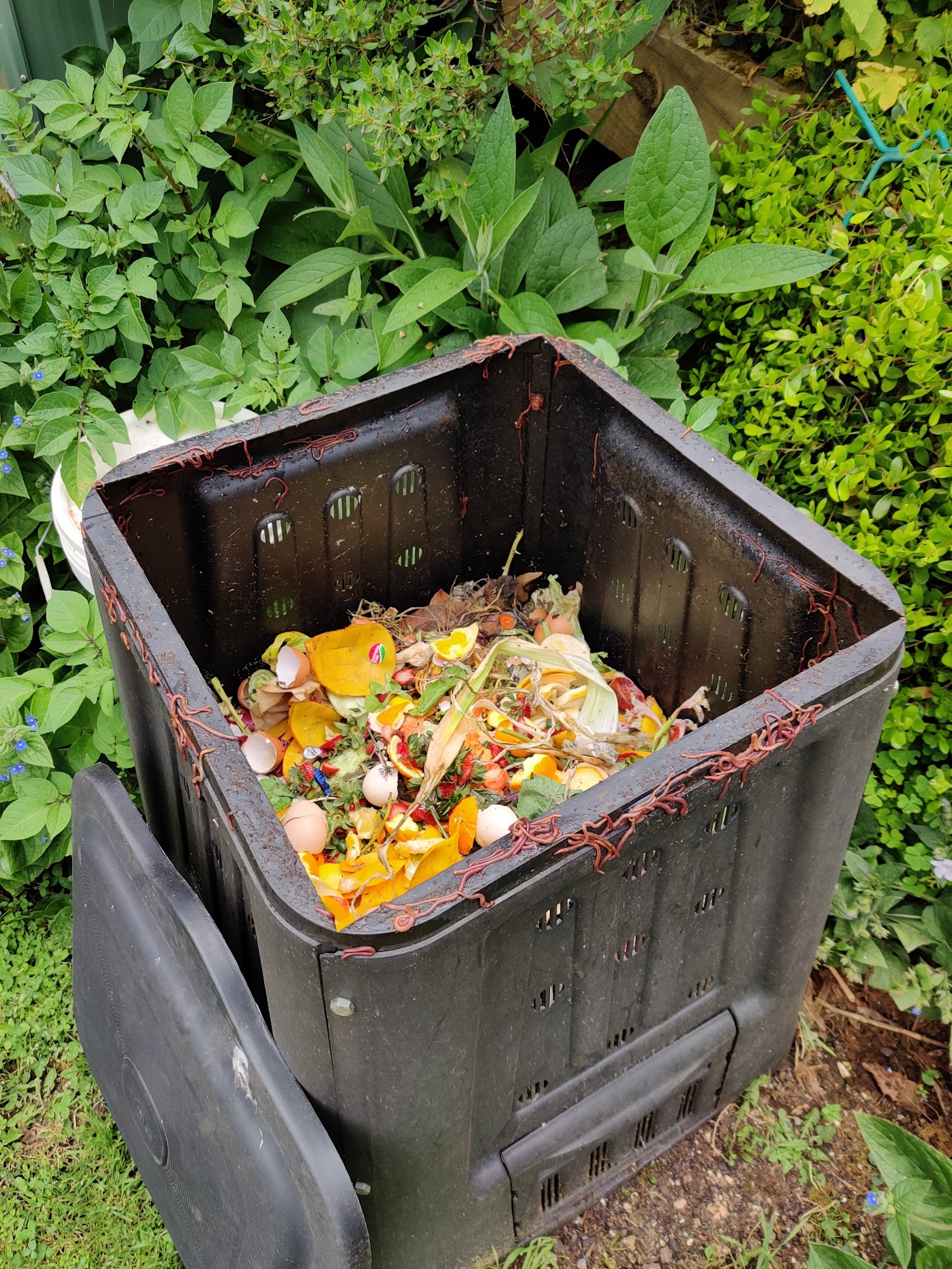
Home-compostable packaging sits in an awkward spot: industrially compostable plastics need 58C and a facility most people cannot reach, while home compost heaps rarely exceed 30C. A material certified to break down in the second condition is genuinely harder to make than one certified for the first.
What ecovio is
OK Compost Home is a real, independently audited standard. It is a disintegration and ecotoxicity standard - it is not a performance standard and not a microplastics standard.
A blend of PBAT - a fossil-based but biodegradable copolyester - with PLA, which is derived from crops. BASF holds TUV Austria OK Compost Home certification for grades used in films, coatings and moulded parts, meaning the material disintegrates under ambient-temperature composting conditions within a defined period.
Gap one: barrier performance
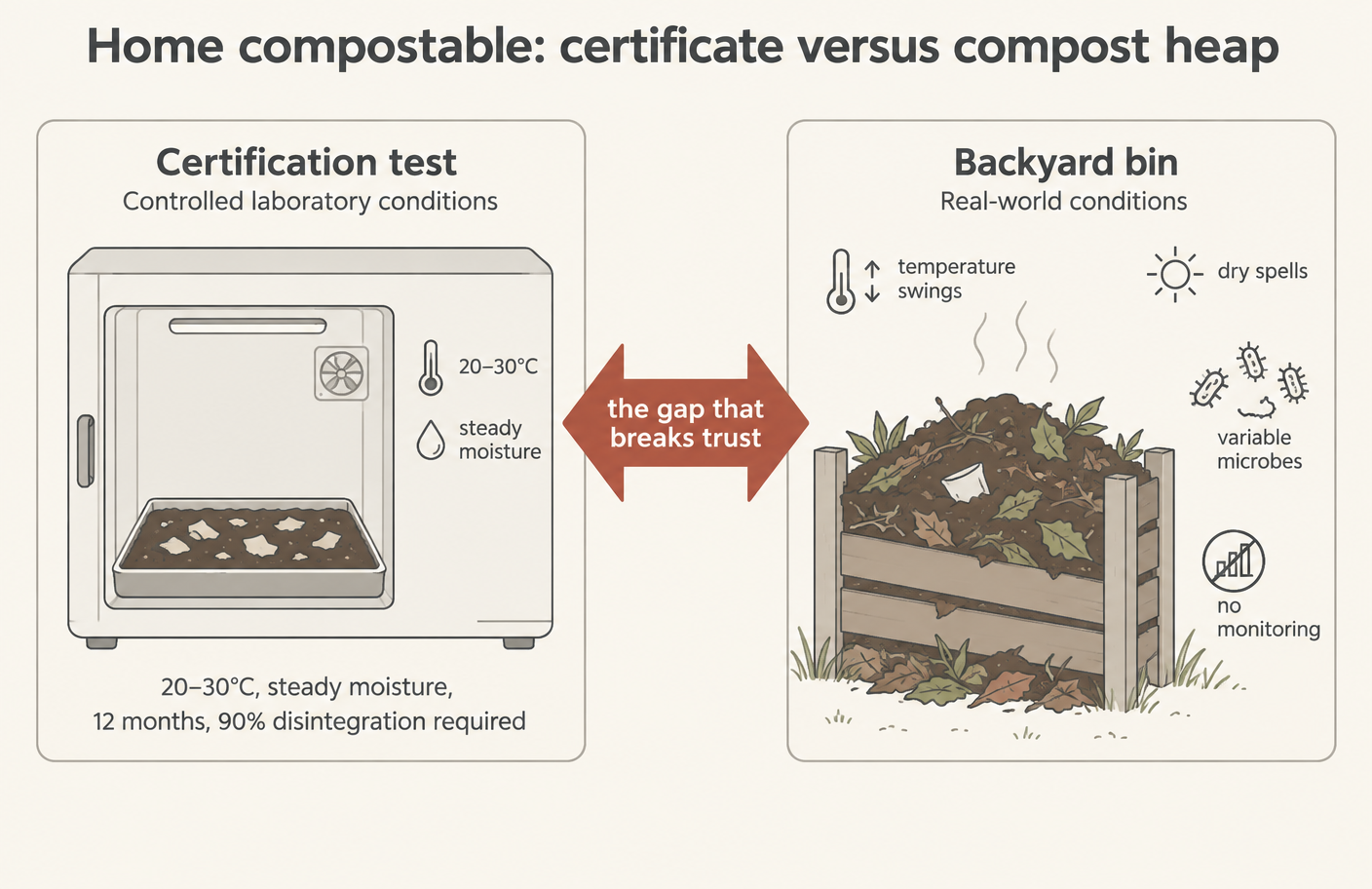
Packaging exists to protect the product. For food, that means oxygen and moisture barrier, measured as OTR and WVTR. Published material data for home-compostable blends is thin on these numbers, and biodegradable polyesters generally have weaker barrier properties than the PET, PE and metallised films they would replace. Weaker barrier means shorter shelf life, and shorter shelf life means more food waste - which usually outweighs the packaging footprint by an order of magnitude.
Gap two: the intermediate fragments
Home-compostable packaging cannot create microplastics, because it composts.
Certification measures disintegration at 6 months and biodegradation over a defined window under controlled conditions. It does not track what the fragments do in a heap that runs cold, dry or short - and no published study follows ecovio fragments in real domestic composting.
The system cost nobody prices
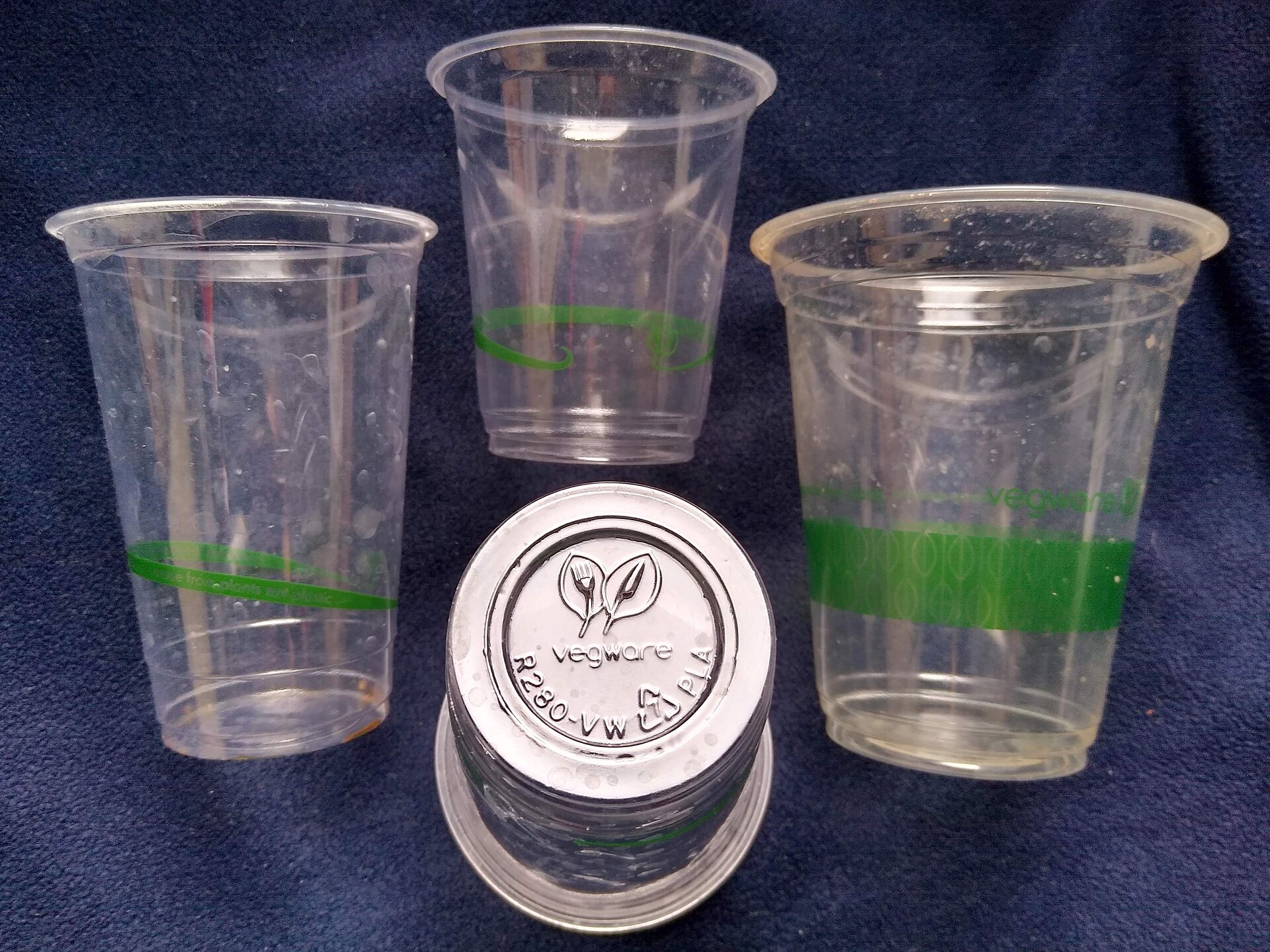
Compostable plastic entering a plastics recycling stream is a contaminant. It looks like conventional film to a sorter and to a consumer, and at scale it degrades the quality of recycled PE and PET bales.
Fair conclusion
A legitimate material with a legitimate certification, aimed at a narrow set of applications - organics-collection liners, agricultural films, food-contaminated packaging that recycling cannot take anyway. The case for wider use needs barrier data and a real-world fragment study, and neither exists yet.
References and image credits›
Photo: Wikimedia Commons, CC BY-SA 4.0 · Photo: Wikimedia Commons, CC BY-SA · Photo: Cmglee, Wikimedia Commons, CC BY-SA 4.0