
Electric Pulses, Bacteria, Biogas: A Three-Stage Loop for Biopharma Wastewater
A BITS Pilani system disinfects pharmaceutical wastewater with electric pulses, digests the organics biologically, and turns the leftover sludge into methane. Here is the logic of each stage.
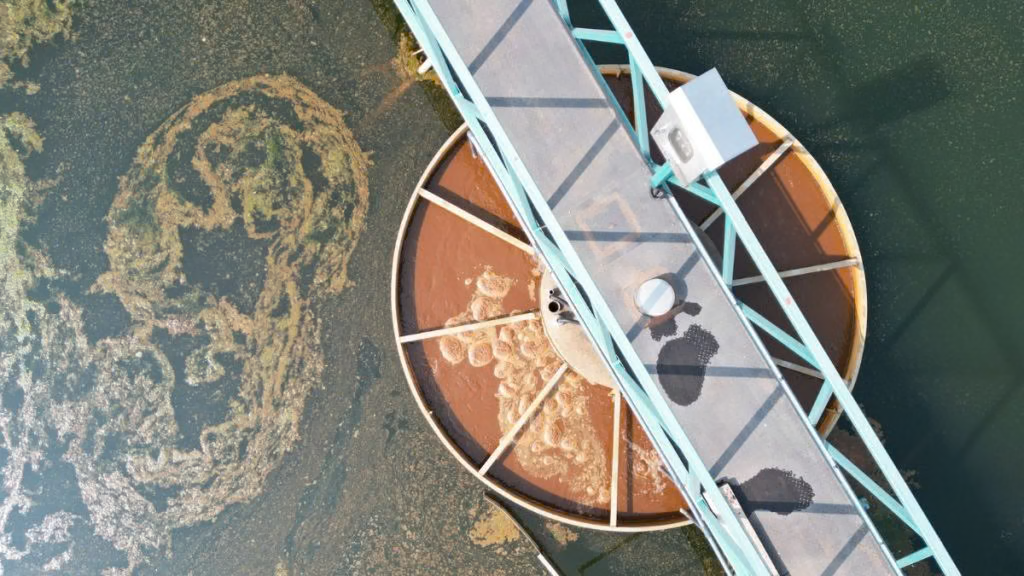
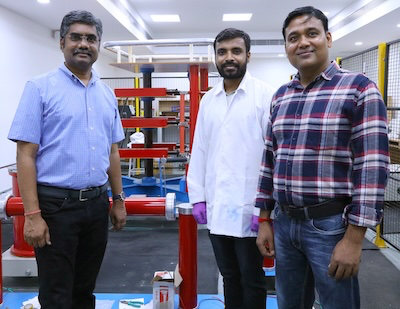
Biopharmaceutical wastewater is a difficult stream: biologically active, chemically variable, and legally sensitive. The default answer is chlorination or thermal sterilisation, both of which cost energy or add chemicals that then have to be dealt with. A team at BITS Pilani Hyderabad has demonstrated a three-stage alternative, now being scaled with vaccine manufacturer Biological E.
Stage one: kill without chemicals or heat
Pulsed electric fields apply short, high-voltage bursts across the flow. The field punches through microbial cell membranes — electroporation — and the cells lose integrity. No chlorine, no residual disinfection byproducts, no boiler.
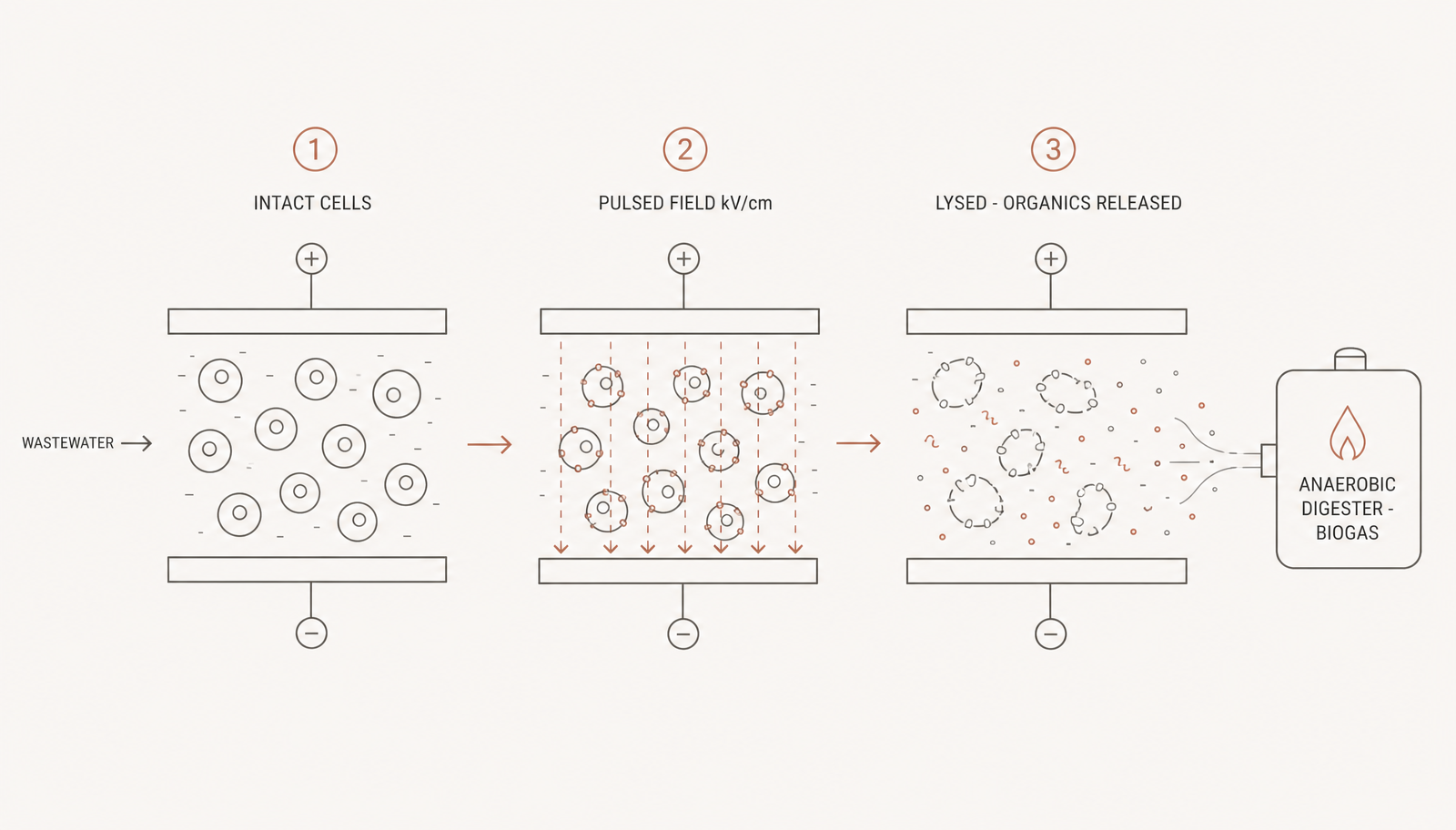
Stage two: remove the organics
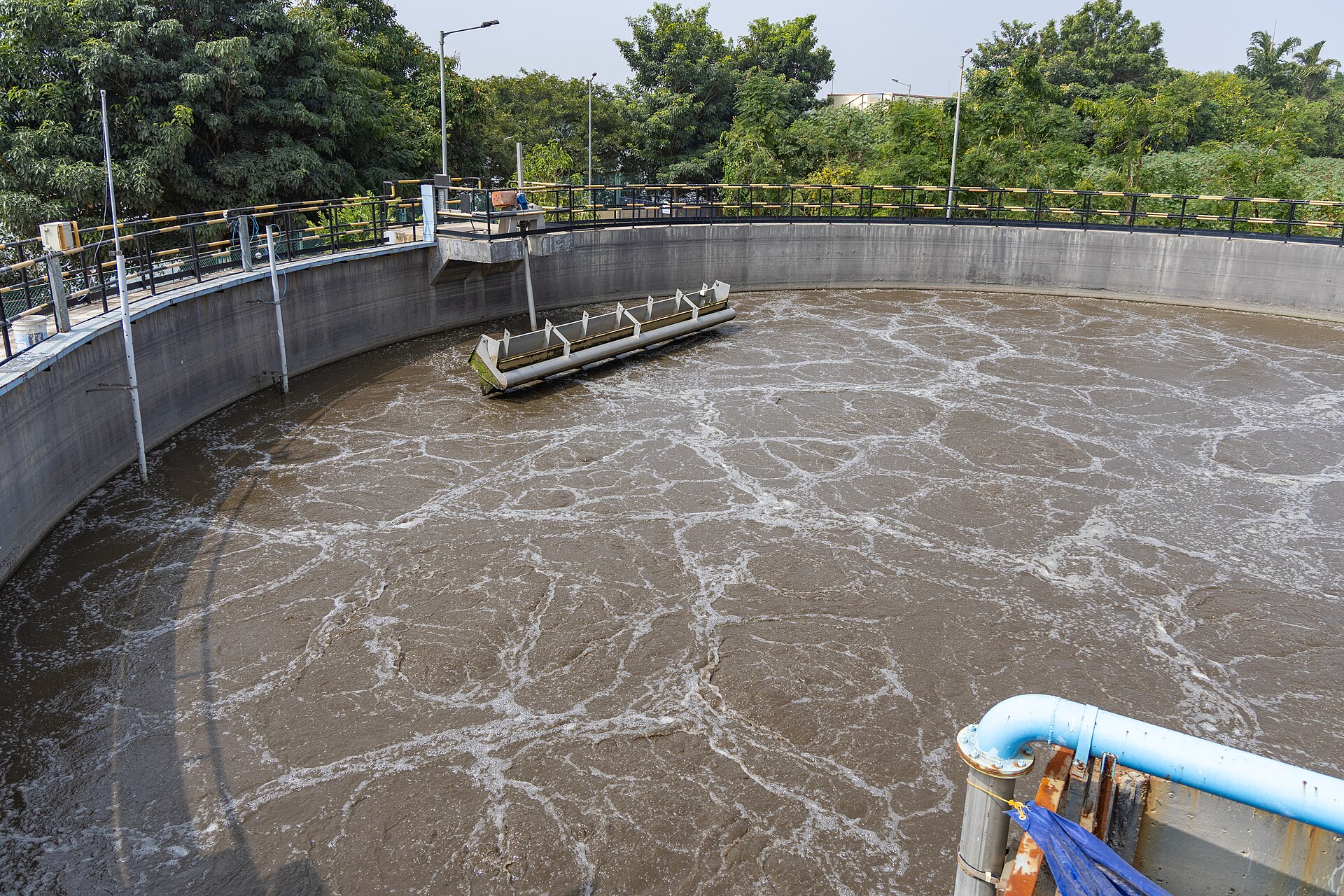
Disinfection does not clean water; it only stops it being infectious. The biological stage does the actual pollutant removal, metabolising the dissolved organic load that the pulses left behind.
Stage three: get energy back out of the sludge
Biological treatment produces sludge, which is normally a disposal cost. Here it feeds an iSTAR thermophilic anaerobic reactor. Running hot and without oxygen, the digester converts residual organics into methane-rich biogas — an output that can offset part of the plant's own energy demand.
Why the sequencing matters
Each stage exists because the previous one leaves something behind. Pulses handle pathogens cheaply so the biology is not fighting a sterilisation battle. Biology handles the dissolved load. Digestion handles the solid residue and returns energy. Break the chain and you are back to shipping sludge and buying chlorine.
What is still missing
The result is laboratory-scale, and the peer-reviewed paper is still under review. The public reporting contains no plant-scale energy balance, no treatment cost per cubic metre, and no quantified recovery yields for either water or biogas.
References and image credits›
- 01United News of India — BITS Hyderabad develops technology to convert biopharma wastewater into reusable water and clean energy
- 02Indian Pharma Post — BITS Pilani scientists develop low-energy wastewater treatment technology for biopharma
Photo supplied · Diagram: The Waste Stack · Photo: Vraj Acharya / WELL Labs, CC BY-SA 4.0, via Wikimedia Commons · Diagram: The Waste Stack · Photo: Wikimedia Commons, CC BY-SA 4.0