
How fungi eat industrial waste: the four tools of mycoremediation
White-rot fungi evolved to digest wood. The same enzymes attack dyes, oil and some plastics, and their cell walls soak up heavy metals. A 2026 review maps what works — and where the evidence runs thin.
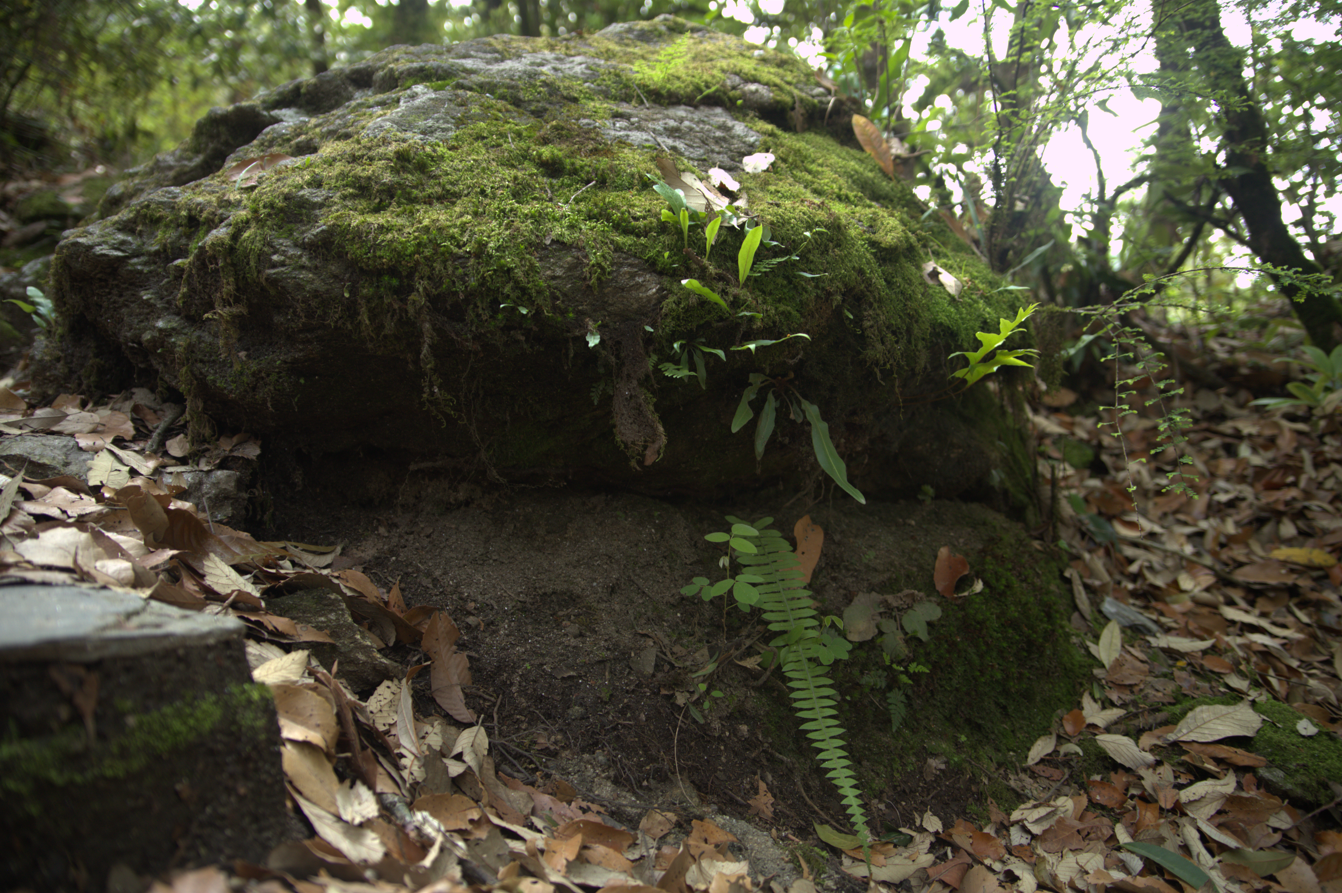
Fungi have been breaking down wood for around 400 million years. White-rot fungi are the only organisms that efficiently degrade lignin — and many industrial pollutants look chemically similar: stubborn, carbon-rich aromatic rings. A February 2026 review in Biotechnology Advances pulls together how that overlap can be used.
The fungal toolkit
- Mycelial penetration. Fungi grow as mycelium, a network of thread-like hyphae that pushes into soil, sediment or solid waste and reaches contaminants chemicals cannot.
- Enzyme secretion. White-rot fungi release three non-specific oxidative enzymes:
- Laccases oxidise phenolic compounds in dyes, pharmaceuticals and pesticides.
- Manganese peroxidase oxidises manganese, which then attacks lignin-like aromatics.
- Lignin peroxidase directly oxidises the most resistant non-phenolic aromatic structures.
- Biosorption. Chitin-rich cell walls carry negatively charged groups that bind lead, cadmium, mercury and chromium — physical trapping, not metabolism.
- Biomineralisation. Some fungi precipitate metals into insoluble minerals that do not leach back out.
Where it has been tested
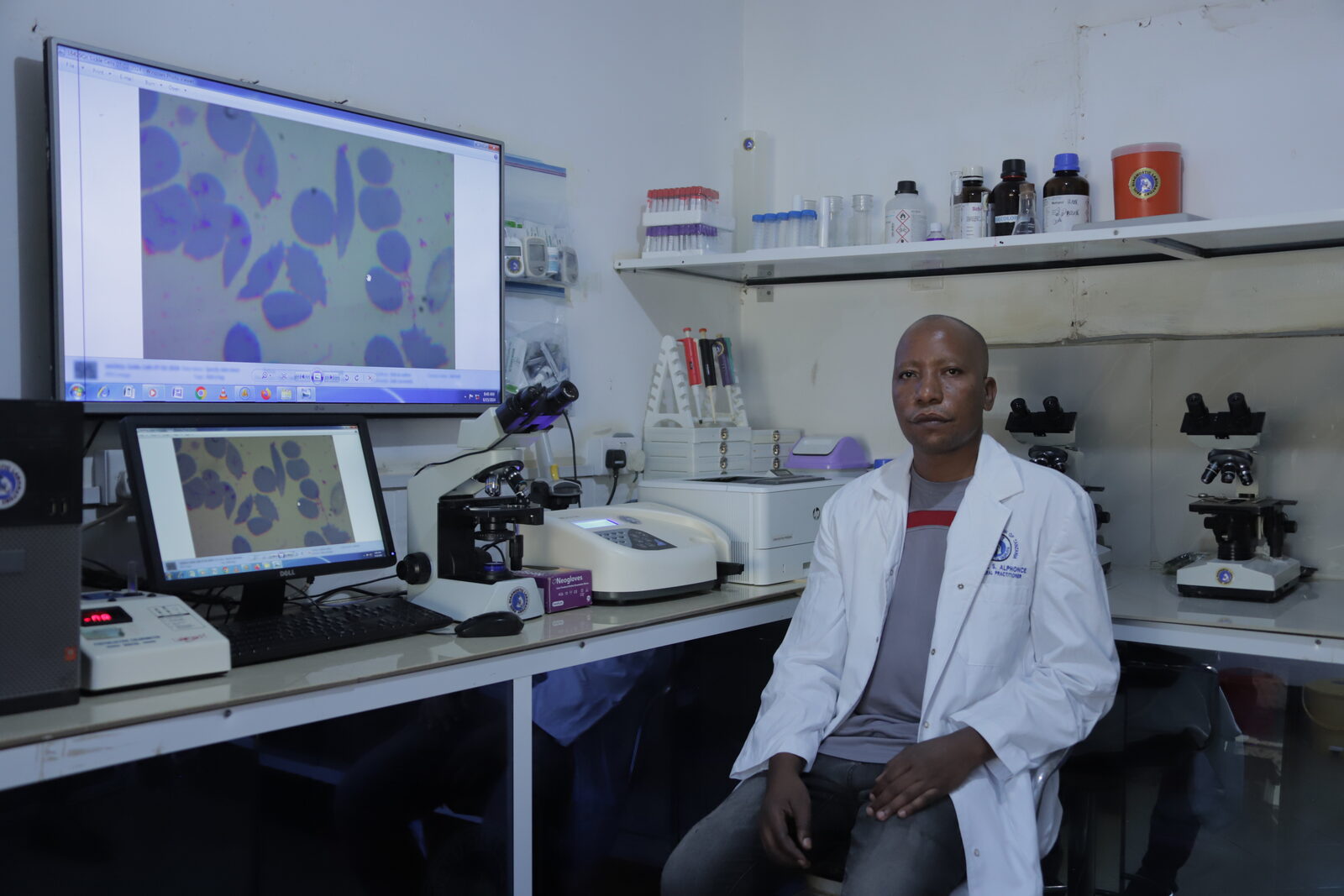
The review documents rapid decolourisation of textile dye effluent in fungal cartridges, measurable change in saturate, aromatic, resin and asphaltene fractions of oily soils at estuarine salinity, high-capacity metal biosorption, and some polymer degradation. Field projects in Ecuador, San Francisco Bay and the Pacific Northwest have targeted petroleum and pesticides.
The limits
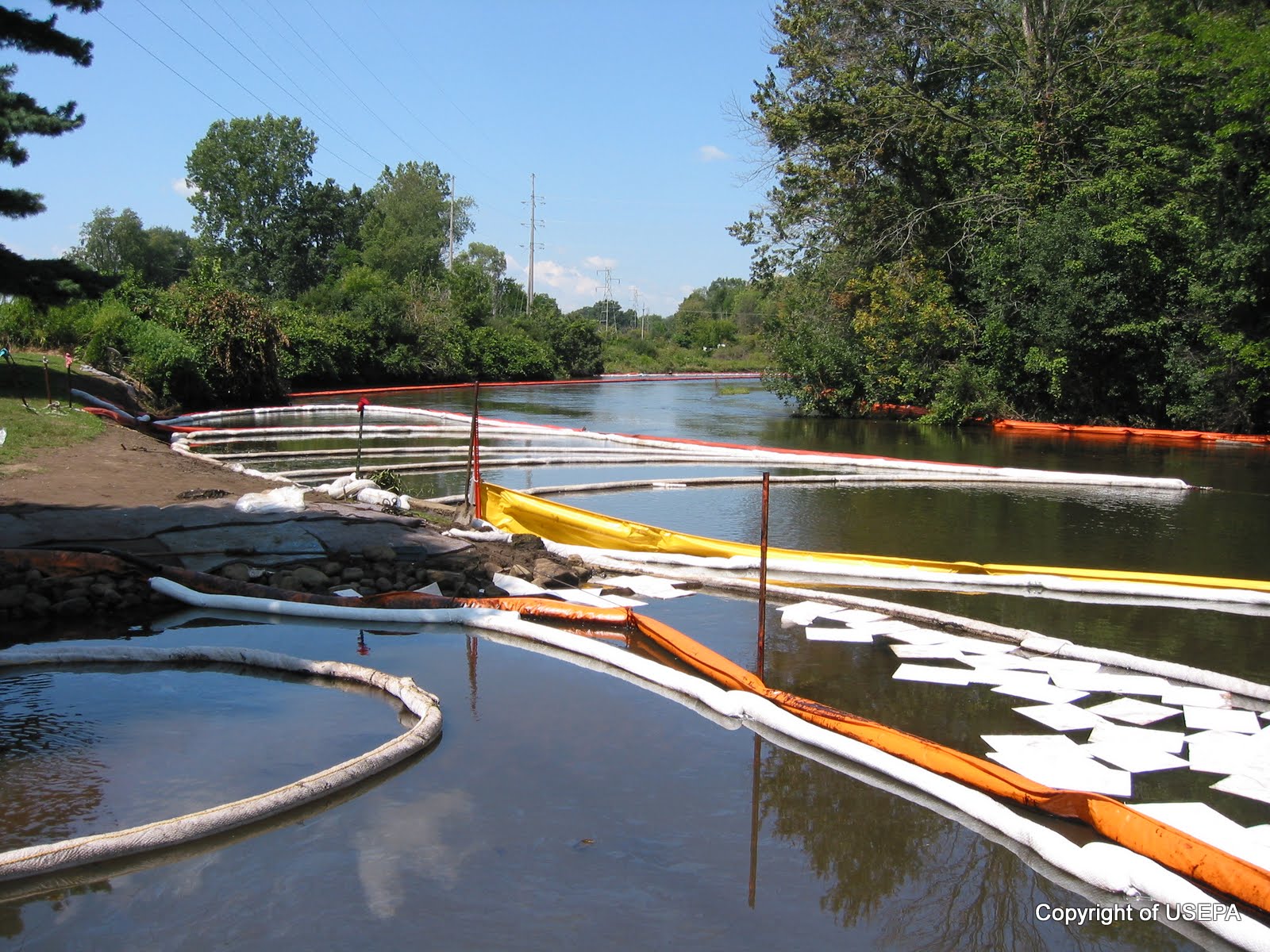
- Lab-heavy evidence. The review itself says systematic field verification is limited, and for plastics it "remains a priority".
- Slow. Days to weeks, versus hours for chemical or thermal treatment.
- Fussy. Fungi need the right moisture, pH and nutrients; many waste sites are hostile.
- Metals do not disappear. Biosorbed metals sit in fungal biomass that becomes a secondary waste to recover or dispose of.
- Plastics are the weakest case. Some polymers degrade; rates are not commercially viable.
What is coming
CRISPR-edited strains with higher enzyme output, designed fungal consortia for mixed wastes, and immobilised-laccase reactors for continuous treatment. The promise is real: ambient temperature, no fossil energy, self-replicating catalysts. The gap is field data at scale.
References and image credits›
- 01Biotechnology Advances — The fungal cure: mycelial approaches for industrial waste treatment
- 02Environmental Sciences Europe — Mycoremediation as a sustainable biotechnological approach
Photo: Shimbaleo, CC0, via Wikimedia Commons · Photo: US EPA, public domain