
Biocarbon in Blast Furnaces: The Volume Problem Nobody Solves
Replacing metallurgical coal with pyrolysed biomass is chemically straightforward and physically constrained. The binding limits are biomass supply and the crush strength of the char, not the reduction reaction.
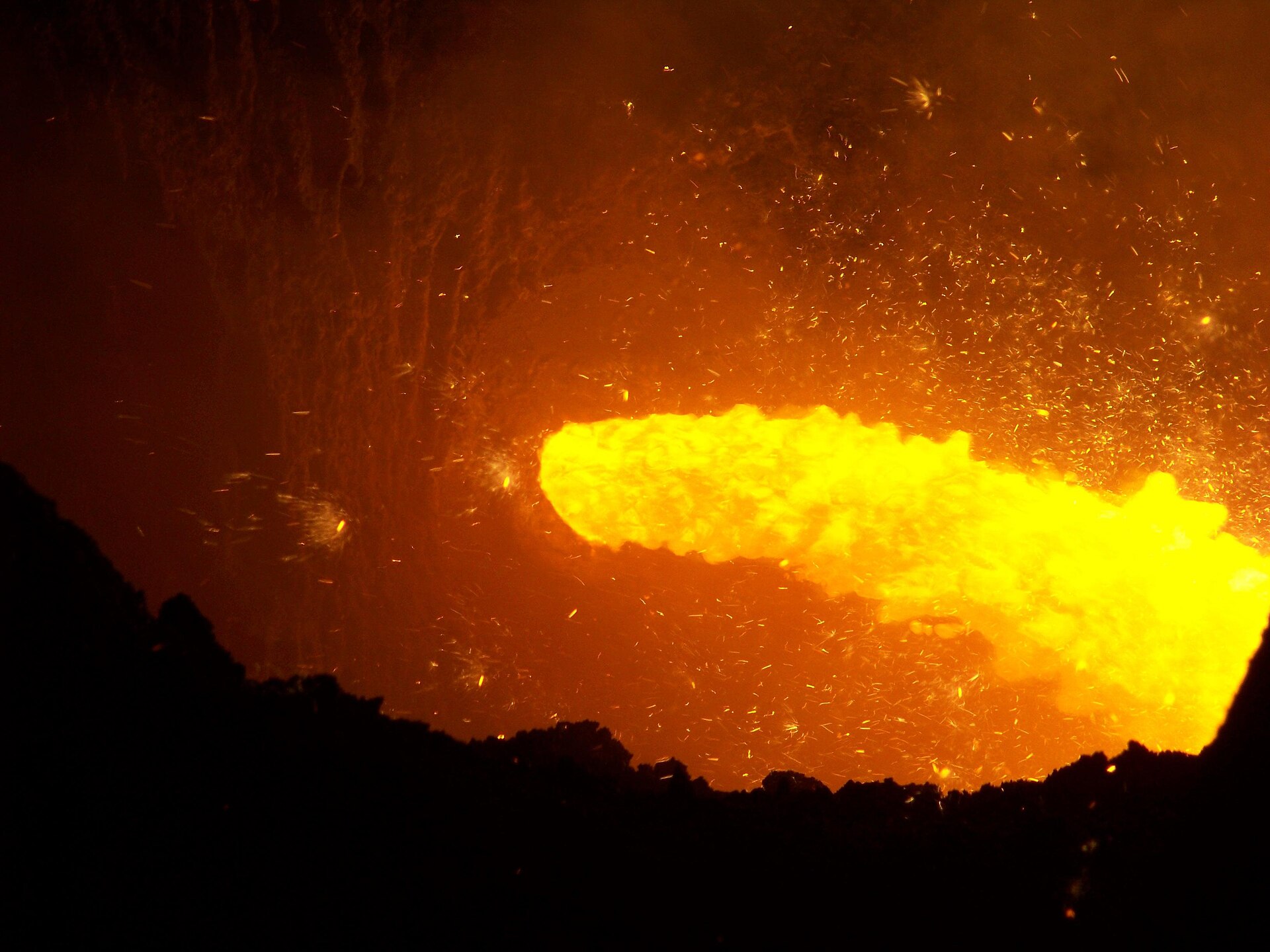
A blast furnace needs carbon for two jobs. It reduces iron oxide to iron, and it holds the burden up — the coke column is a load-bearing structure that keeps gas flowing through a 30-metre stack of ore and flux.
Biocarbon, made by pyrolysing wood or forestry residue, does the first job well. The second is where it struggles.
The substitution ceiling
Charcoal is mechanically weaker and less dense than metallurgical coke. Under the load and abrasion inside a large furnace it degrades into fines, which choke gas permeability and destabilise operation. That physical limit — not availability, not cost — is why practical substitution in large integrated furnaces is generally put at 20-30% of injected carbon, and much lower for the structural coke itself.
Then the supply arithmetic
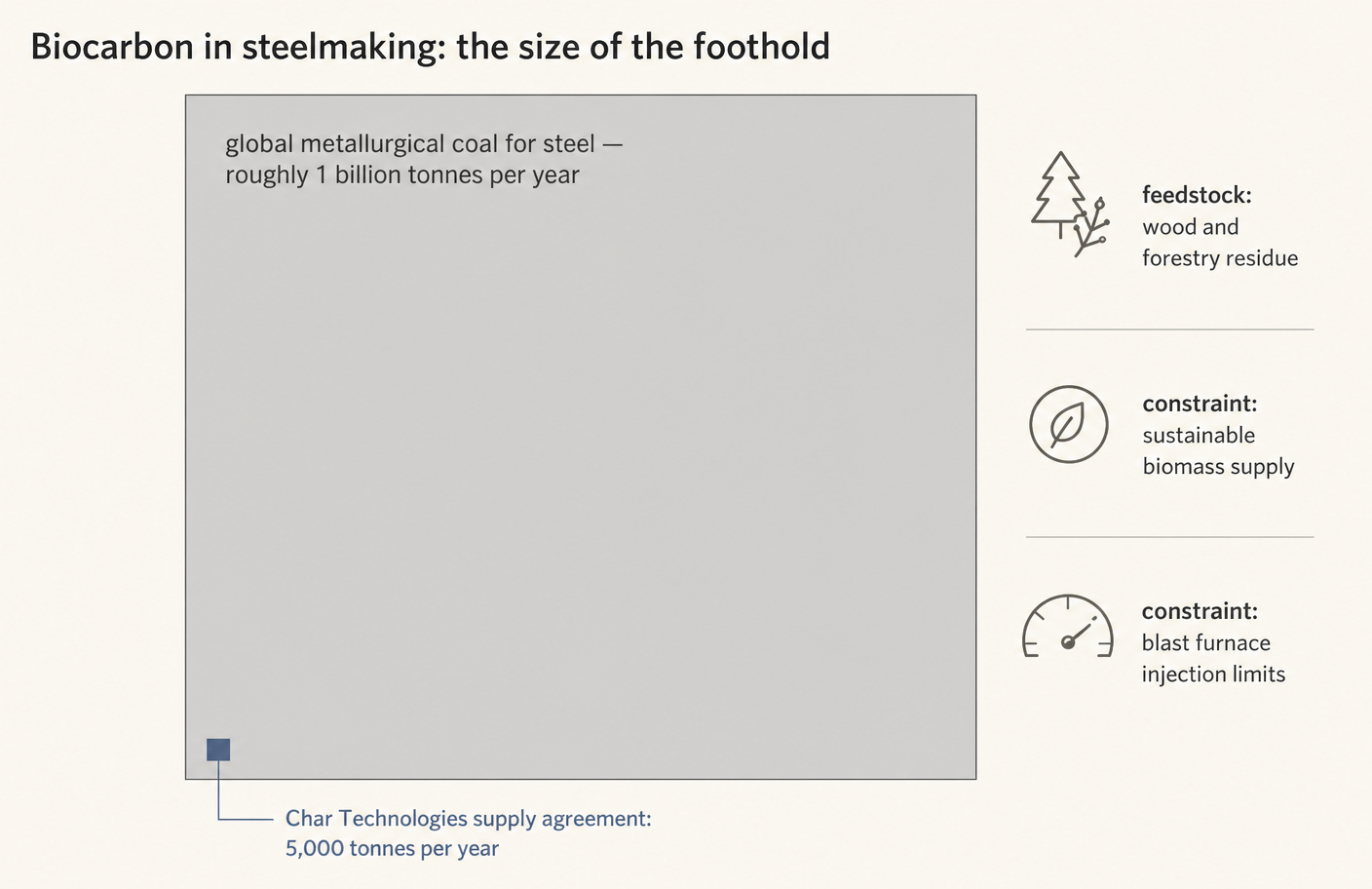
A single large integrated steelworks consumes on the order of 2-4 million tonnes of coal per year. Pyrolysis converts biomass to biocarbon at roughly 25-35% mass yield. Substituting even a quarter of that carbon requires several million tonnes of dry biomass annually — for one plant.
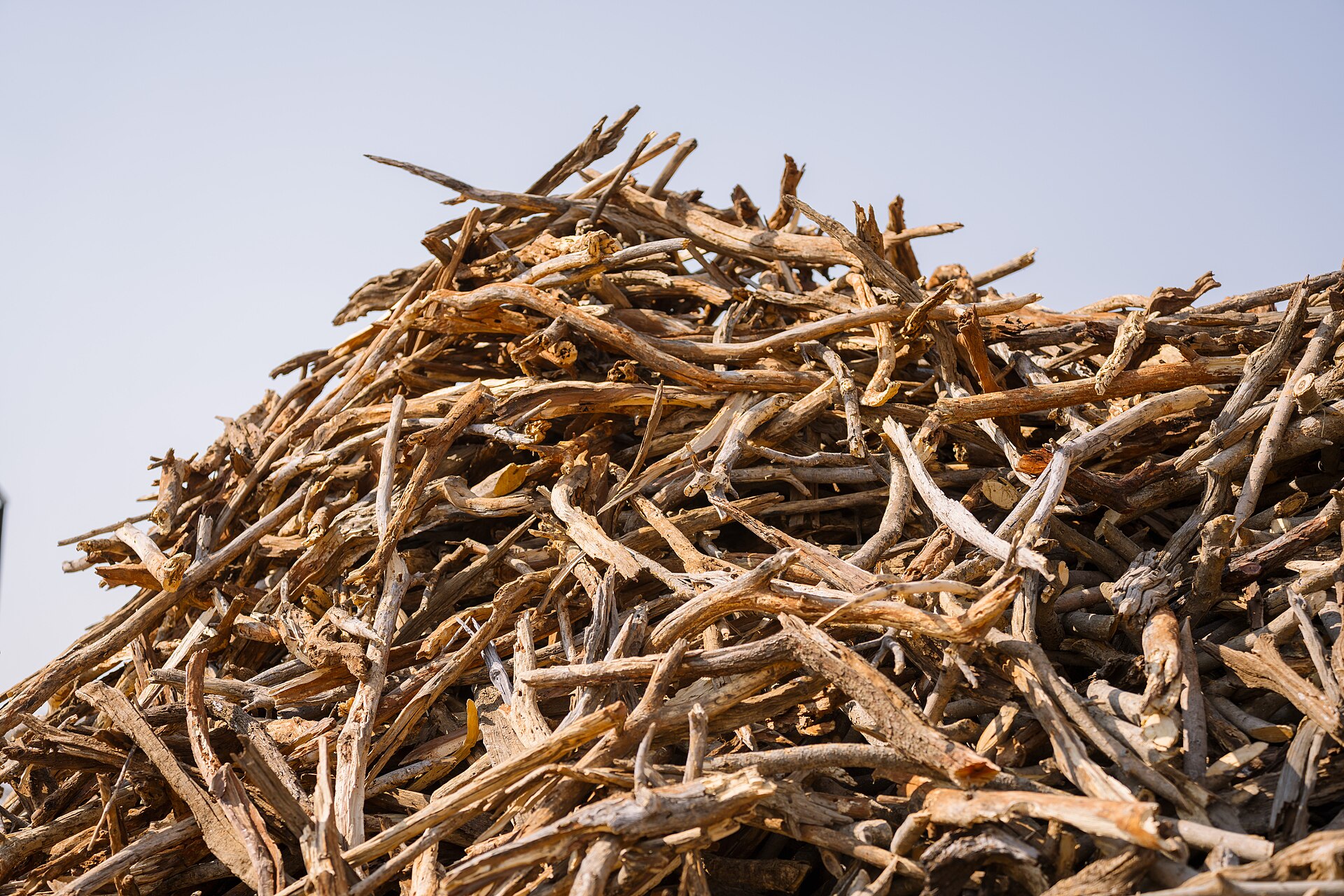
Biomass at that volume competes directly with pulp, panel board, bioenergy and soil carbon retention. It also has to be transported, and low bulk density makes haulage expensive per unit of contained carbon — which is why densification and torrefaction sit in every serious flowsheet.
What pyrolysis actually gives you
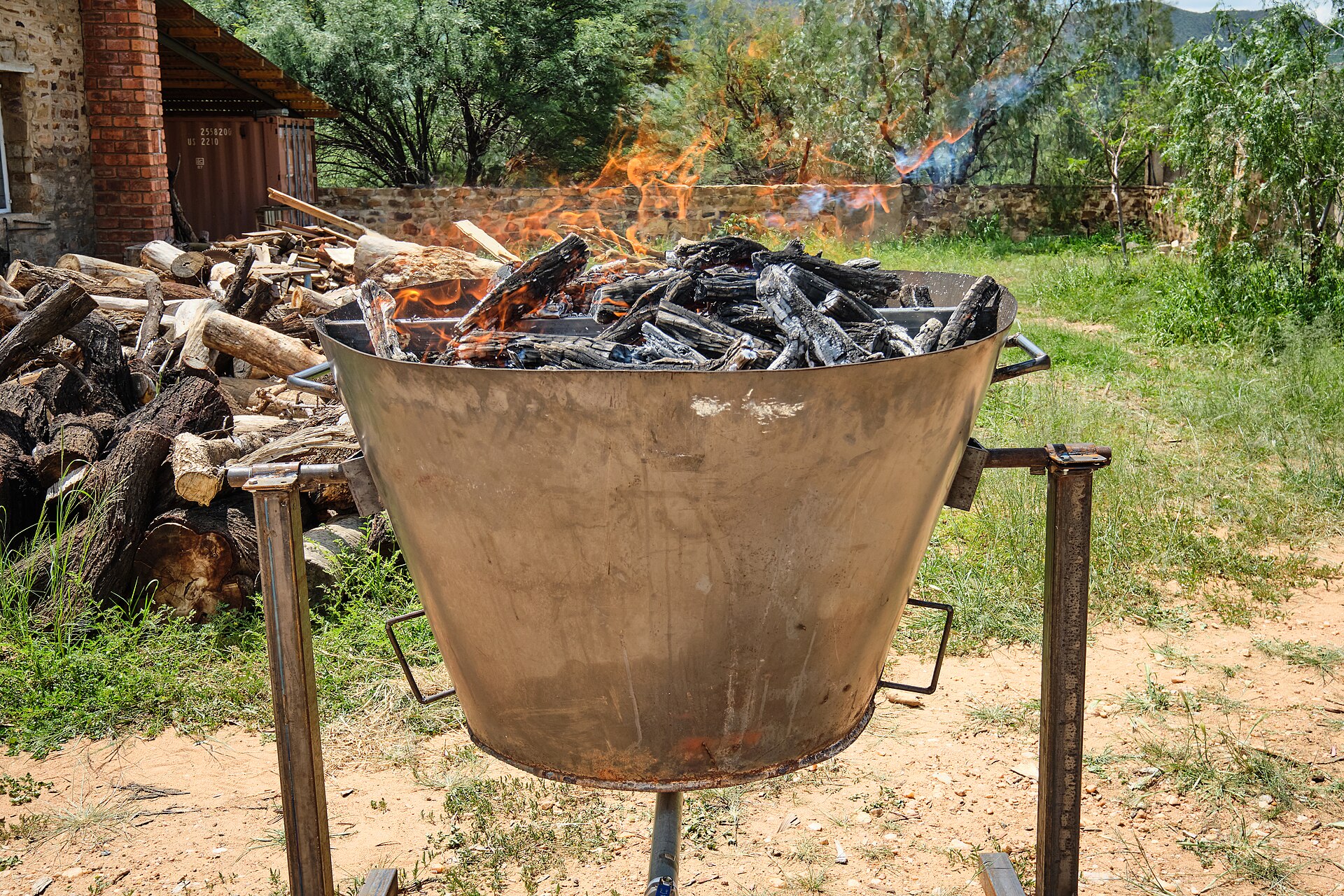
Heating biomass without oxygen yields solid char, a condensable bio-oil fraction and a combustible gas. The gas is normally burned to drive the process. The bio-oil is the awkward product: acidic, unstable, and only marginally saleable, which means its handling shows up as a cost rather than a revenue line in most real plants.
Where it genuinely fits
Electric arc furnaces are a better target than blast furnaces. They use carbon for slag foaming and recarburising, in far smaller quantities and without any structural requirement. Substitution there can approach 100%, the volumes are achievable, and the emissions saving per tonne of biocarbon used is comparable.
Ferroalloy and silicon production, which already use charcoal in some regions, are similarly well-matched.
The honest framing
Biocarbon is a partial decarbonisation lever for existing steel assets, worth perhaps 10-20% of a blast furnace's emissions at realistic substitution rates, and a much better fit for electric arc steelmaking. It is not a route to fossil-free primary steel. That route is hydrogen direct reduction, and it requires new plant.
References and image credits›
Photo via Wikimedia Commons, CC BY-SA 3.0 · Photo: GIZ, CC BY-SA 4.0 · Photo: Tim Brunauer, GIZ, CC BY-SA 4.0