
Denovia's "millions to billions" polyester framework
A molecular-recycling company and a major polyester producer have agreed to work together. The announcement contains a number measured in billions of pounds. It also contains no obligation to build a plant, process a tonne, or license anything.
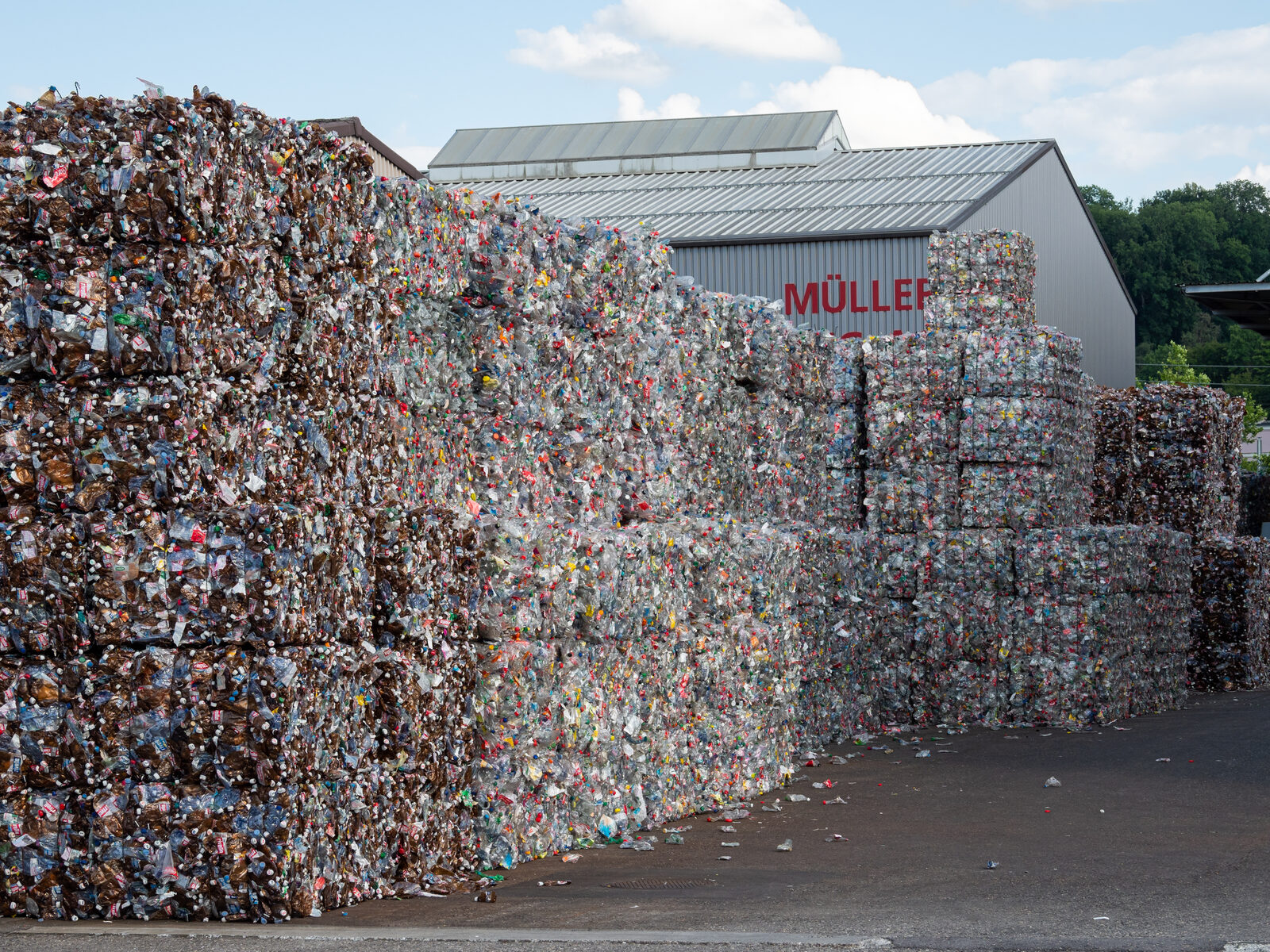
On 19 August 2026, Denovia announced a strategic framework with a major international polyester producer, describing a path from a first facility measured in millions of pounds to a multi-facility opportunity measured in billions.
Both numbers are in the same press release. They are not the same kind of number, and separating them is most of the analytical work.
What the technology claims to do
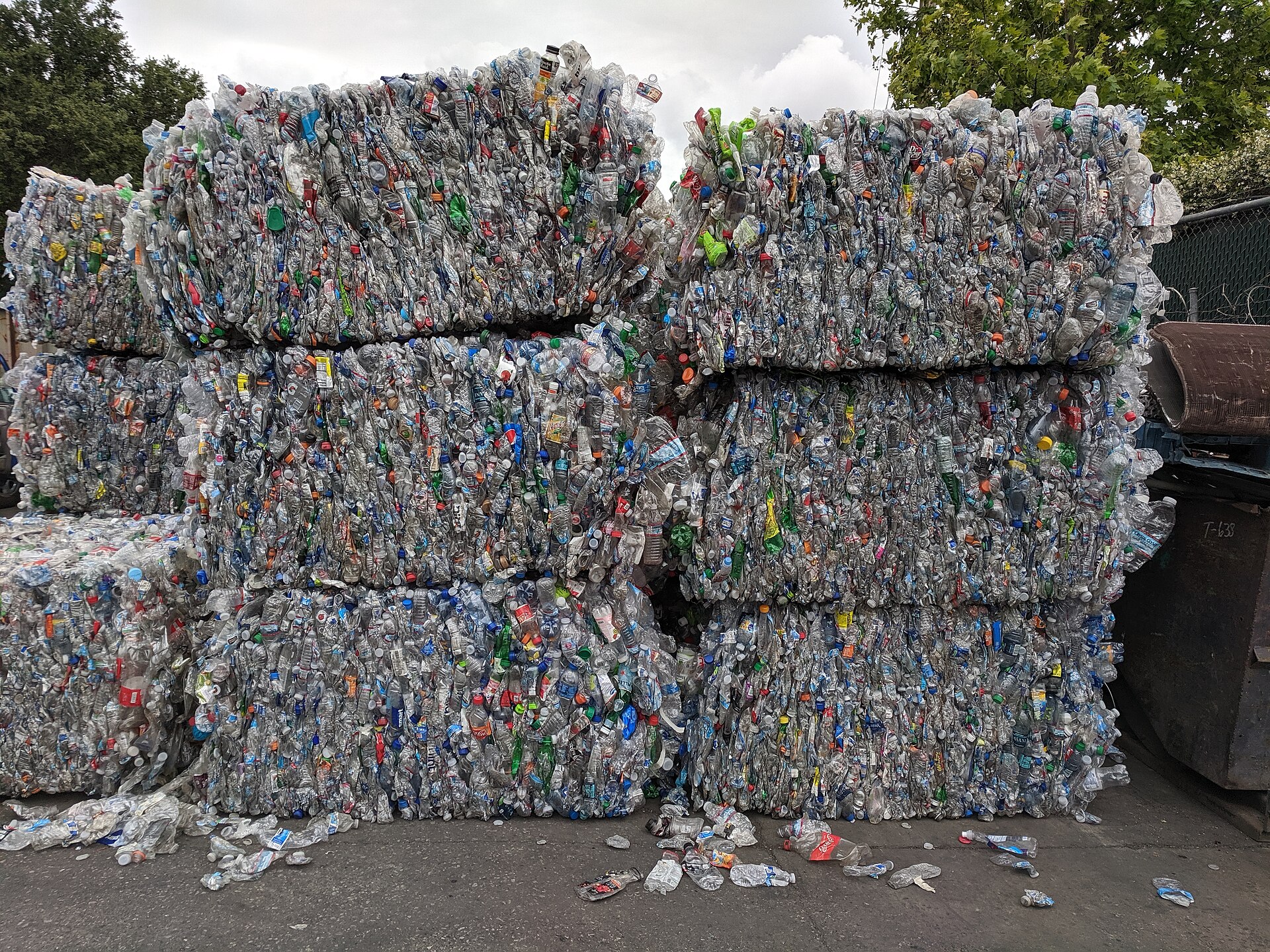
Molecular recycling depolymerises PET and polyester back into chemical monomers, which can be repolymerised into material indistinguishable from virgin. The pitch is that it accepts feedstocks mechanical recycling struggles with: textiles, contaminated streams, mixed material, automotive-related polyester.
That target list is well chosen, because it is exactly where mechanical recycling fails.
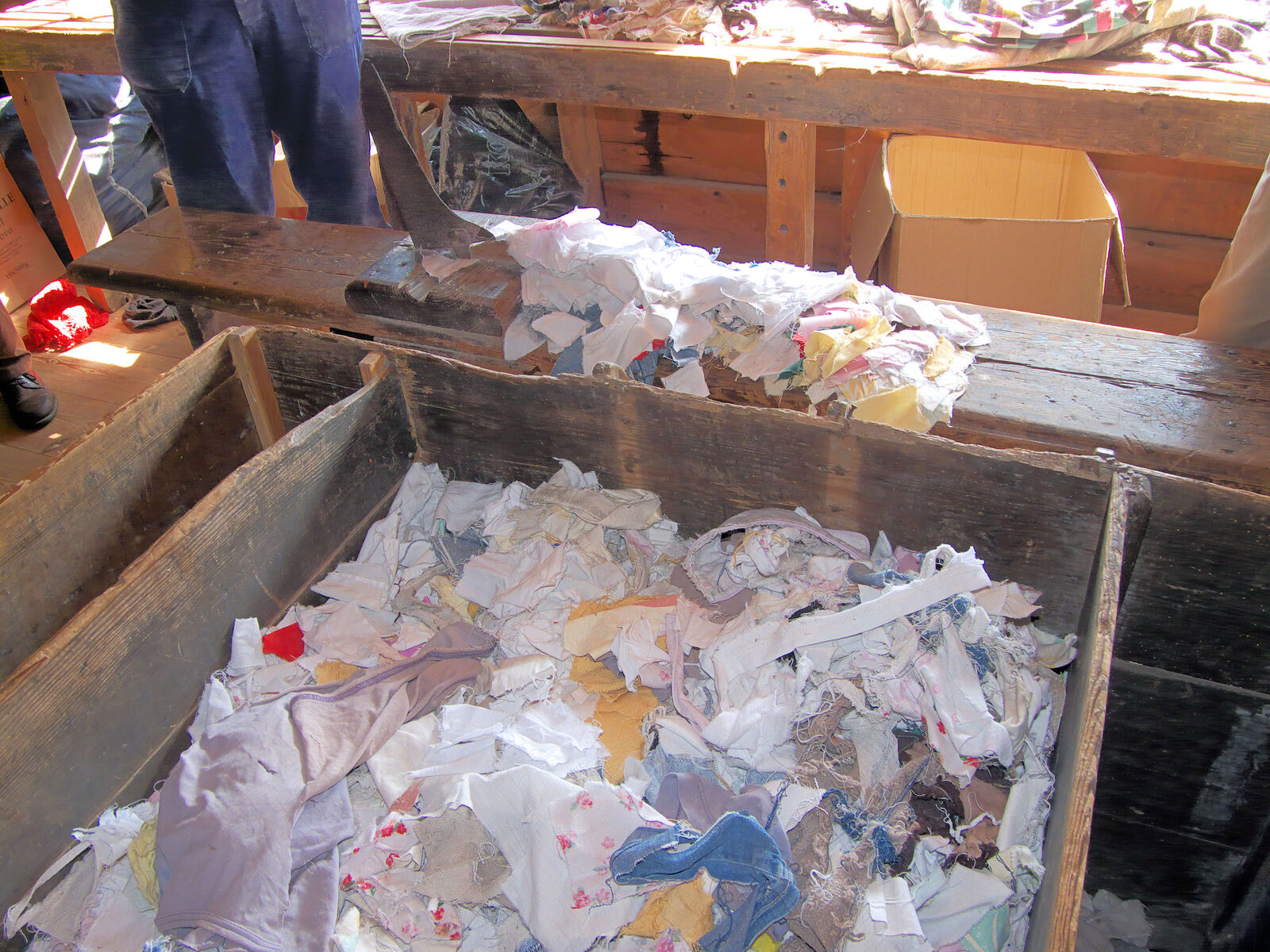
Mechanical recycling melts and reforms. It needs a stream that is clean, one polymer, and consistent. A polycotton shirt with a printed graphic and a polyester-elastane waistband is none of those things. Chemical routes break the polymer chain instead, so contaminants can in principle be separated at the monomer stage.
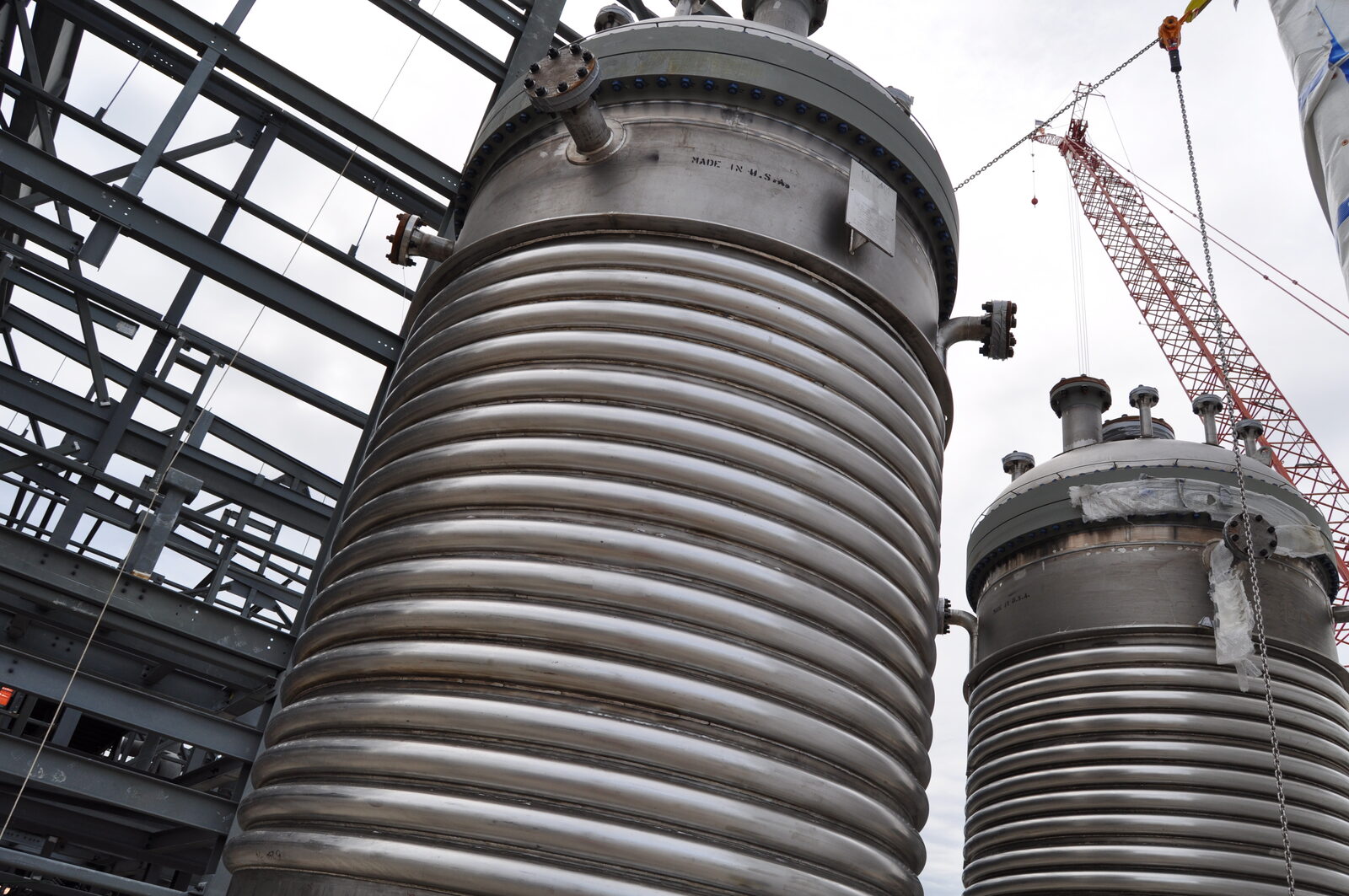
What was actually signed
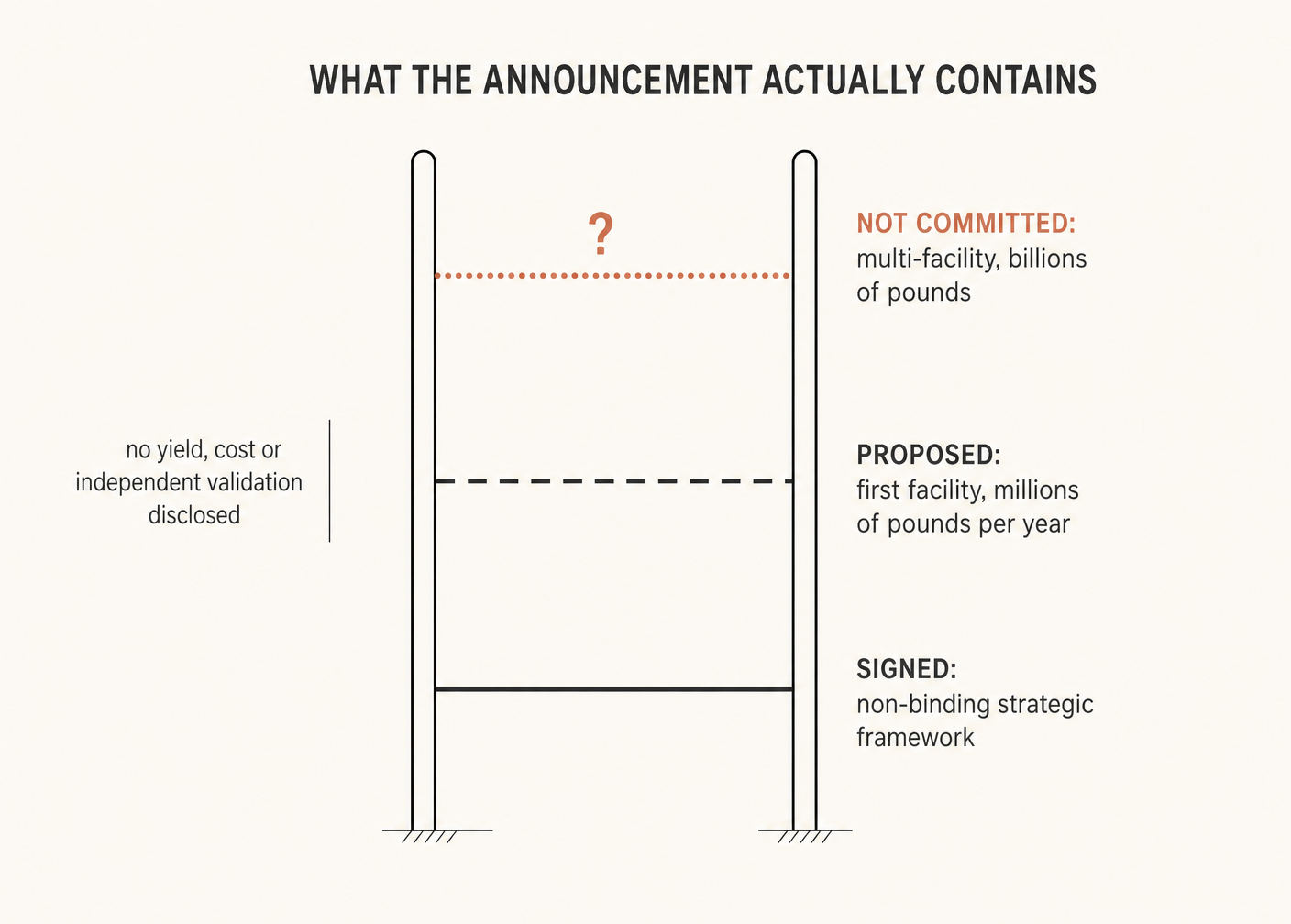
A partnership that scales molecular polyester recycling from millions of pounds to billions of pounds.
A strategic framework. It does not require either party to build a facility, process a minimum volume, sign a definitive technology licence, or proceed with any expansion.
What is genuinely strong here
Two things, and they are not nothing.
The reported partner already operates polyester recycling and manufacturing infrastructure. For a chemical-recycling startup this is the difference between selling monomer into a market and having a counterparty who already converts monomer into product. A large share of failed recycling ventures failed on offtake, not chemistry.
Second, the roadmap opens with engineering and commercial validation rather than asserting that deployment is complete. Sequencing validation first is what a serious plan looks like.
What is not disclosed
Everything an engineer would use to assess it:
- Operating yield — what fraction of input mass becomes saleable monomer
- Energy and reagent demand per tonne
- Contamination tolerance, especially for the difficult feedstocks named
- Capital cost per tonne of annual capacity
- Product-quality data against virgin monomer specification
- Any independent third-party validation
Reading the conditions
The "billions of pounds" figure is described as an addressable future scenario — not a purchase, supply, processing or licensing commitment. It is a description of a market, not of throughput.
The announcement itself states that progression depends on technical and commercial validation, feedstock availability, approvals, financing, acceptable economics and definitive agreements.
That is a candid list, and it is worth noticing what is on it. "Acceptable economics" means the numbers do not currently close on their own. "Definitive agreements" means the binding contract has not been written.
The test to apply
A framework is a decision to spend engineering hours together. It is a real, positive signal, and it is early.
The falsifiable milestones to watch: a definitive licence agreement, a funded final investment decision, a commissioned facility, and published throughput on real feedstock. Until one of those lands, the largest number in the release describes a market size.
Worth asking
What minimum evidence should a molecular-recycling company publish before a scale claim measured in billions of pounds feels credible? A mass balance on real feedstock, energy per tonne, and independent verification would each move the needle more than another framework.
References and image credits›
Photo: JoachimKohler-HB, CC BY-SA 4.0, via Wikimedia Commons · Photo: Rasbak, CC BY-SA 3.0, via Wikimedia Commons · Photo: PEO ACWA, CC BY 2.0, via Wikimedia Commons · Photo: Grendelkhan, CC BY-SA 4.0, via Wikimedia Commons · Photo: Grendelkhan, CC BY-SA 4.0, via Wikimedia Commons