
Black Soldier Flies Convert Food Waste Fast. The Constraint Is the Law.
Larvae turn organic waste into protein in about two weeks with high conversion efficiency. Whether that protein can legally be fed to anything is decided by regulation, not by biology.
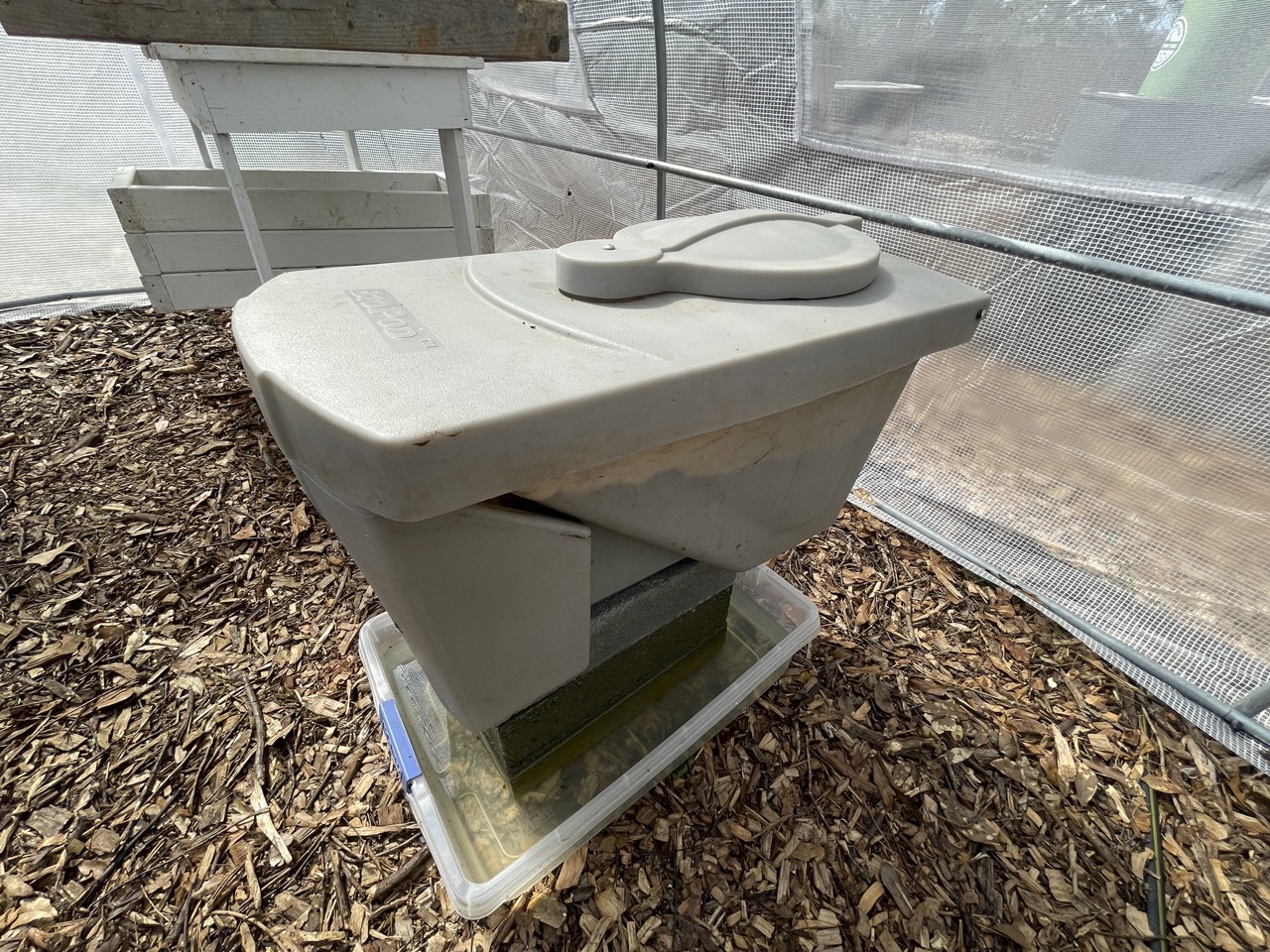
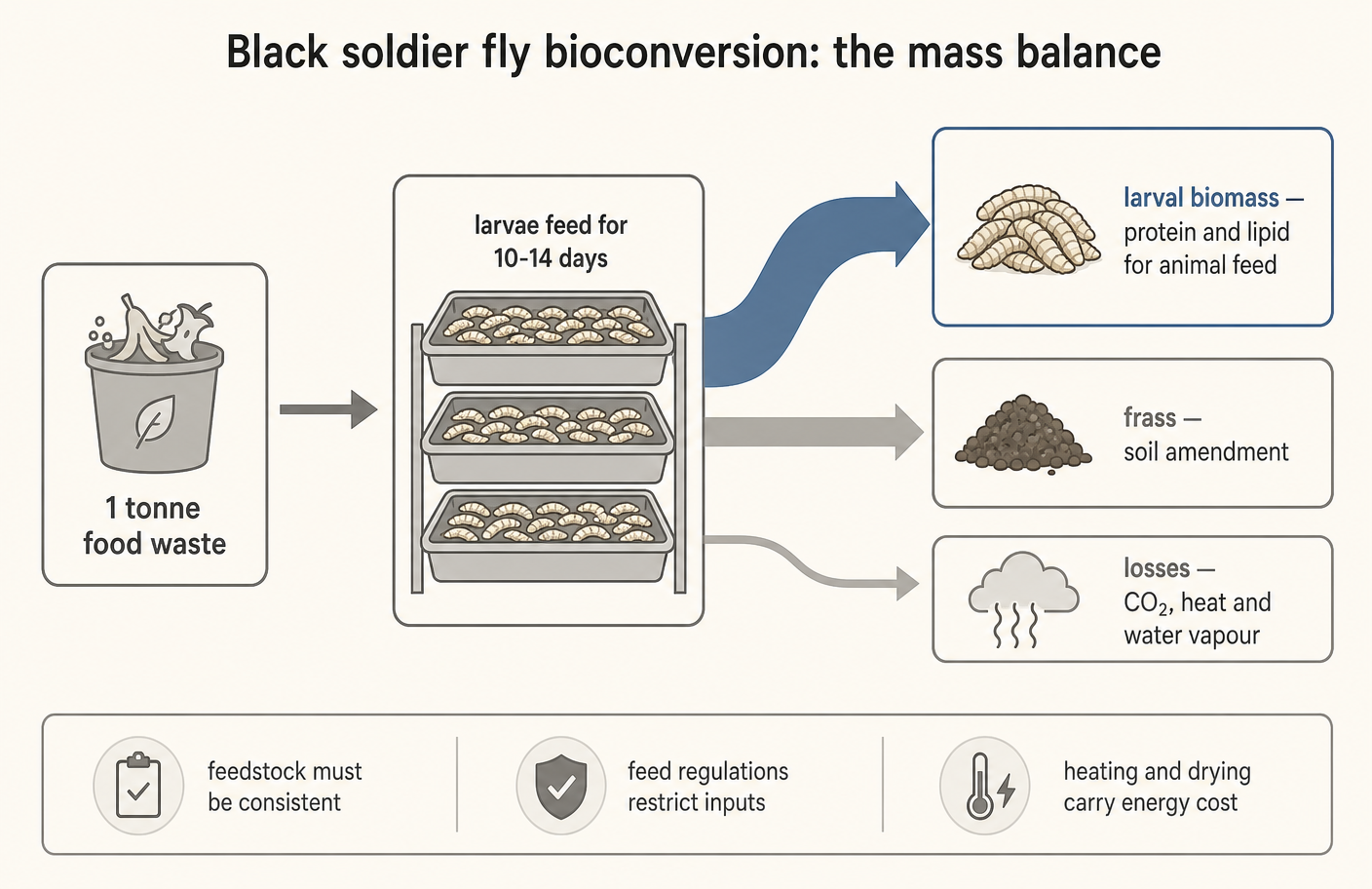
Hermetia illucens larvae eat almost any decomposing organic material and grow extremely fast. Fed on food waste, a batch reaches harvest in roughly 12-18 days, converting a substantial fraction of the input dry matter into insect biomass that is around 40% protein and 30% fat.
Why the biology works so well
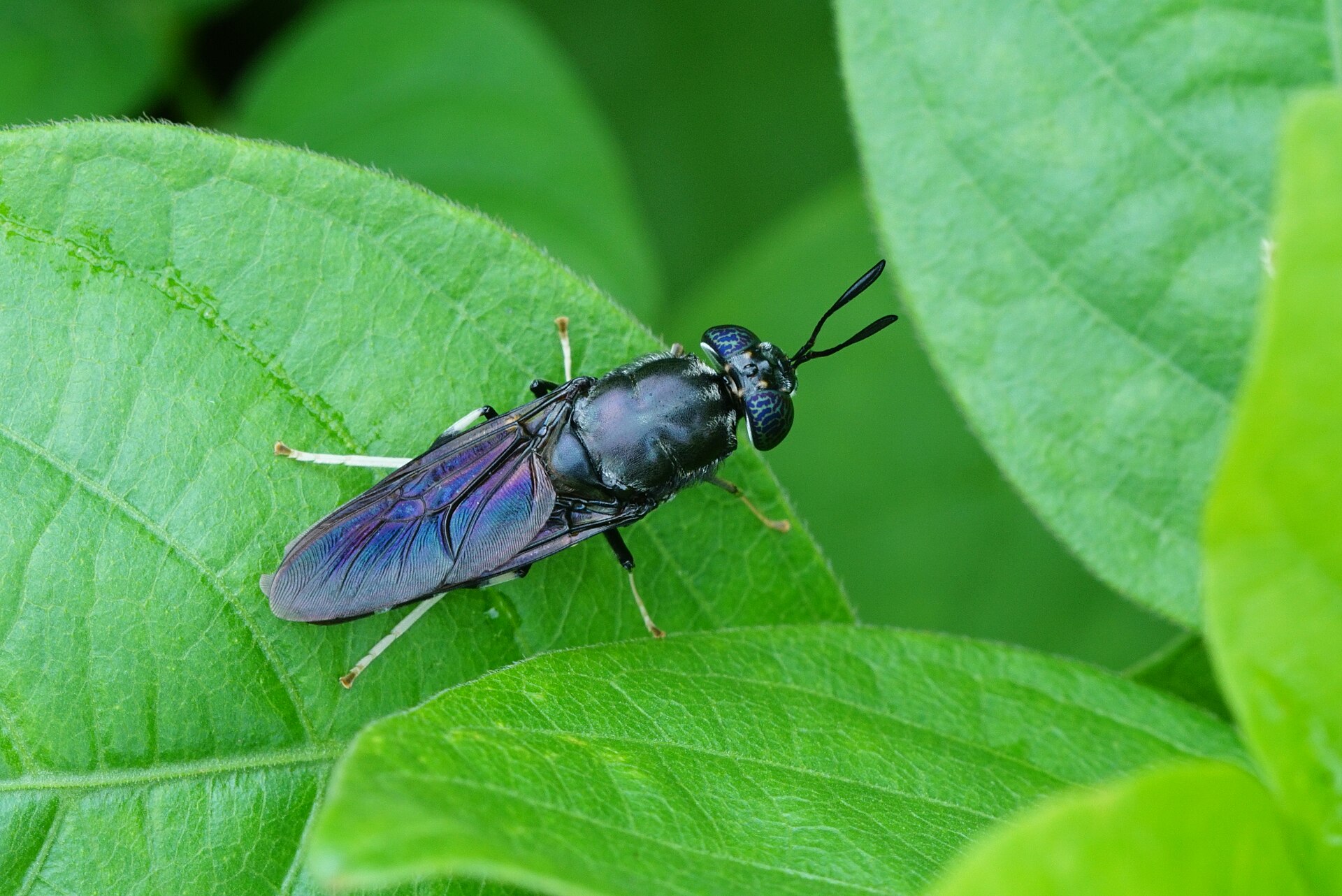
The adult fly does not eat and does not enter buildings looking for food, so it is not a disease vector in the way houseflies are. The larvae are voracious, tolerate high moisture and high density, and generate enough metabolic heat to keep the bed warm. Their gut microbiome suppresses Salmonella and E. coli under the right conditions, which is one of the reasons regulators have engaged with the sector at all.
The residue left behind — frass — is a stabilised organic material usable as a soil amendment, so the process has two outputs rather than one plus a waste.
The regulatory wall
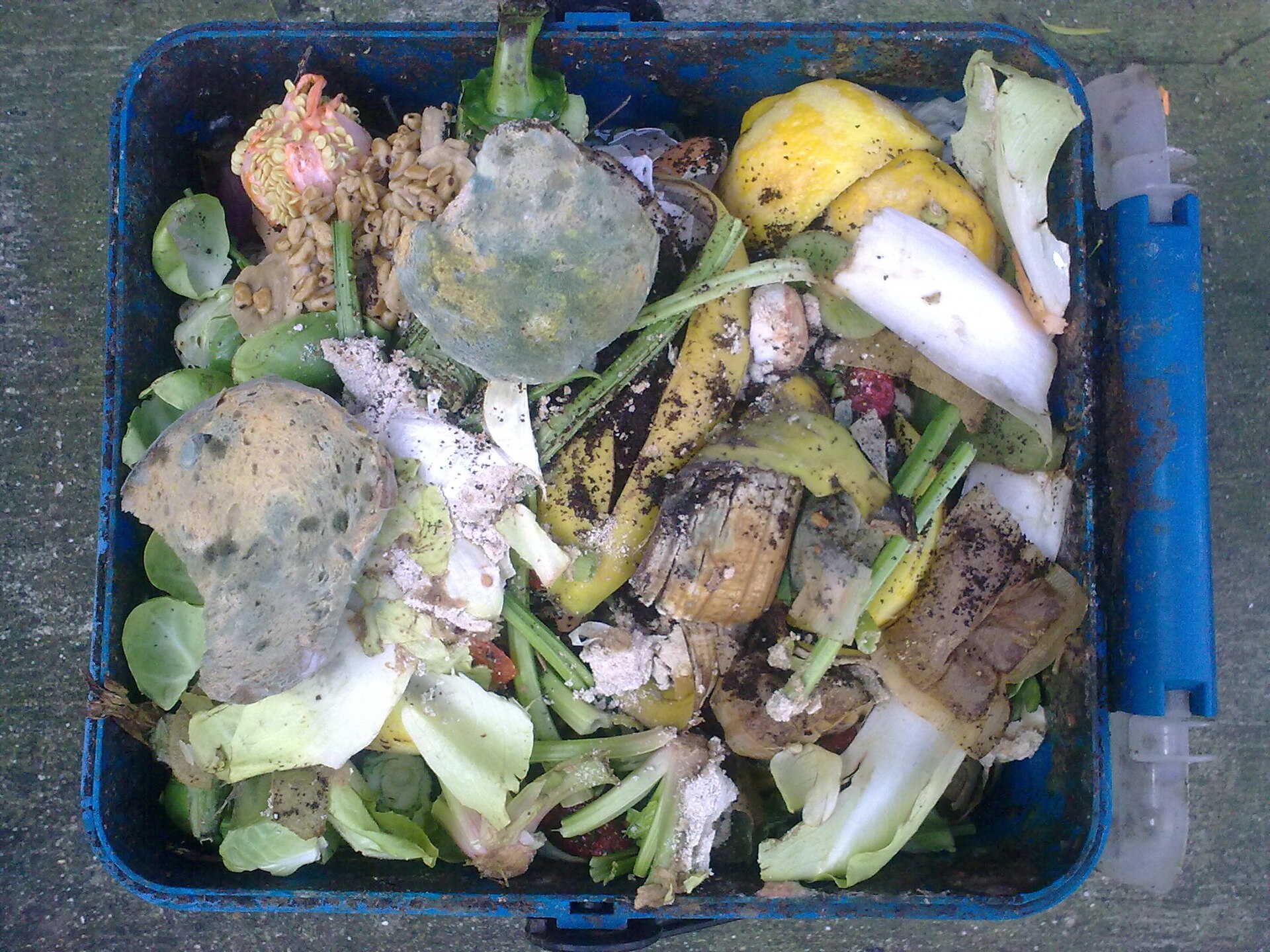
In the EU, insects farmed for feed are legally farmed animals. That means they may only be fed substrates approved for farmed animals — which excludes catering waste, meat, fish and, in practice, most mixed municipal food waste. Permitted substrates are largely former foodstuffs of vegetal origin, brewery spent grain, bakery waste and vegetable trimmings.
Insect protein is authorised for aquaculture, poultry and pig feed in the EU, and for pet food. Feeding it to ruminants is not permitted.
What that does to the economics
If the substrate must be clean, consistent and food-grade-adjacent, it is not free. Brewery grain and bakery surplus have competing buyers. The operation stops being a waste-treatment business paid a gate fee and becomes a protein production business paying for feedstock — competing directly with soy meal and fishmeal on price.
That is a much harder business, and it explains why the sector's growth has been slower than the 2018-era projections and why several large facilities have restructured.
The parts that are genuinely hard
Breeding. Mating requires specific light intensity and spectrum; maintaining a stable colony at industrial scale is the main operational risk.
Climate control. Temperature, humidity and airflow across a large larval bed determine yield, and self-heating makes the bed a nonlinear system.
Separation. Getting larvae out of frass at tonnage, cleanly, is a mechanical problem that consumes a surprising share of capital cost.
The biology is not the bottleneck. It rarely is.
References and image credits›
Photo: AcornToOak, CC BY-SA 4.0 · Photo: Nick Saltmarsh, CC BY 2.0 · Photo: Vengolis, CC BY-SA 4.0