
Syntetica Wants to Recycle Nylon. The Feedstock Barely Exists in Recoverable Form.
Chemical depolymerisation of nylon 6 back to caprolactam is proven chemistry with decades of industrial history. The constraint has always been that most nylon in the world is blended into textiles that cannot be separated.
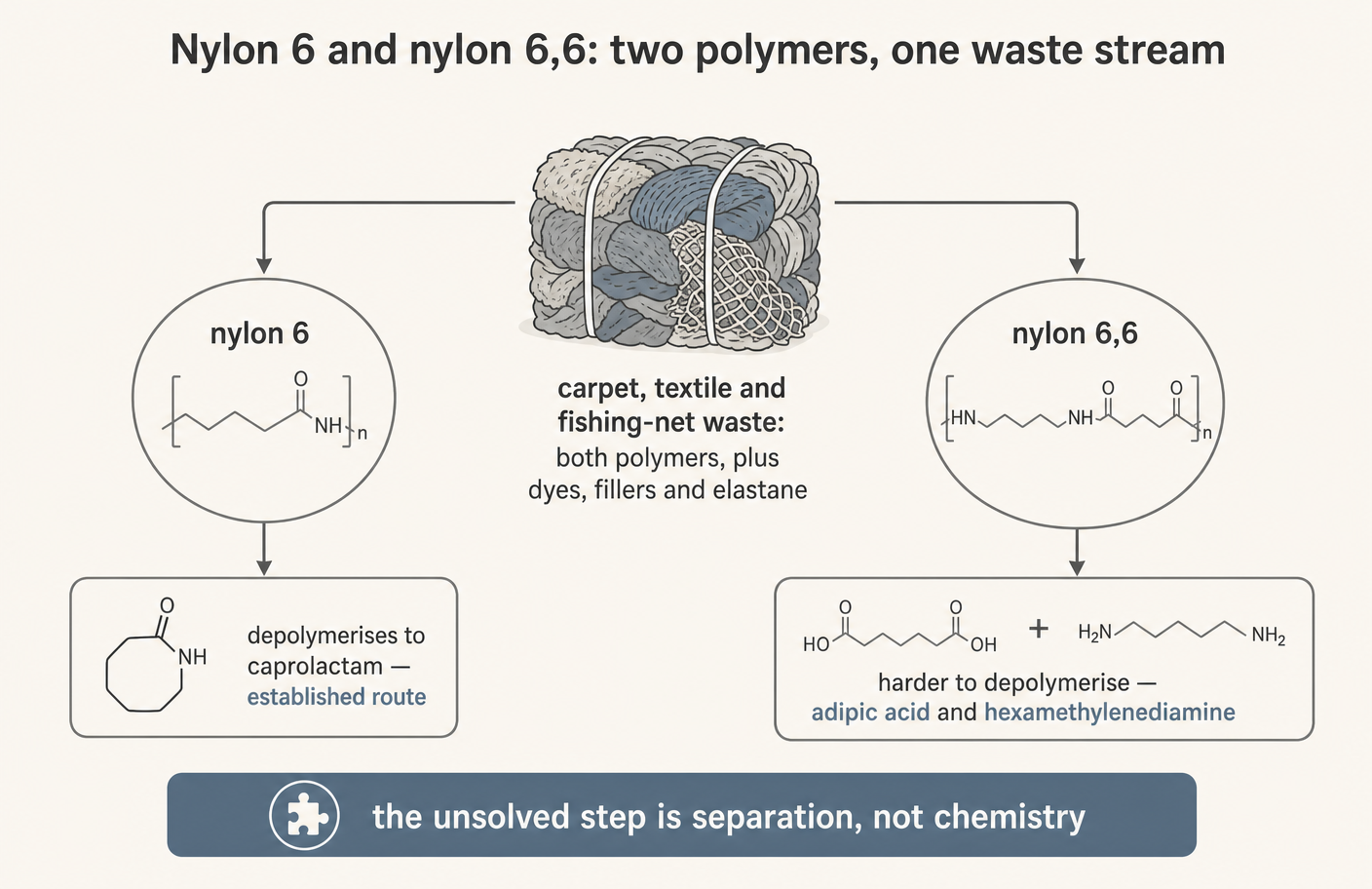
Nylon 6 can be depolymerised. Heat it with steam and an acid or base catalyst and it reverts to caprolactam, its monomer, which can be purified and repolymerised to virgin quality. This has been run industrially for decades — mainly on carpet face fibre and on fishing net, both of which are relatively pure single-polymer streams.
So a company proposing nylon chemical recycling is not proposing new chemistry. It is proposing to solve a supply problem.
Chemical recycling can close the loop on nylon textiles.
The chemistry closes the loop on pure nylon 6. Apparel nylon is typically blended with elastane, polyester or cotton, and no economic separation exists at scale.
The blend problem in detail
A pair of leggings might be 78% nylon and 22% elastane. Elastane is a polyurethane; it does not depolymerise under caprolactam conditions, it degrades into products that contaminate the monomer, and even a few percent is enough to force additional purification.
Dyes and finishes compound this. Disperse dyes, fluorinated water repellents and antimicrobial treatments all carry through into the depolymerisation and have to be removed downstream.
Nylon 6 versus nylon 6,6
Only nylon 6 depolymerises cleanly to a single monomer. Nylon 6,6 is a condensation polymer of two different monomers and reverting it is substantially harder and less economic. Roughly half of global polyamide production is 6,6, and it is visually indistinguishable from nylon 6 in a garment. Any collection scheme has to sort by polymer subtype, which requires spectroscopy, not hands.
Where the material actually is
Every credible nylon recycling business today runs on pre-consumer or industrial waste. That is a real business. It is not the closed loop being advertised.
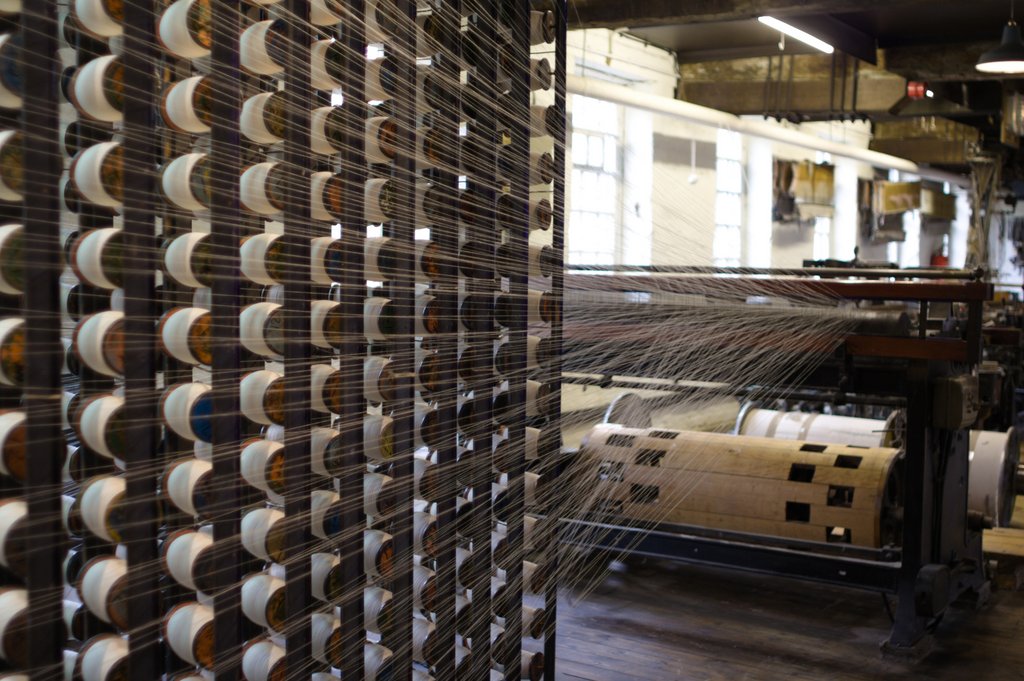
The streams that work are the ones with an owner: fishing nets recovered by port schemes, carpet collected under producer responsibility, industrial yarn waste from spinning mills, and pre-consumer offcuts from cutting rooms. These are single-polymer, geographically concentrated and already characterised.
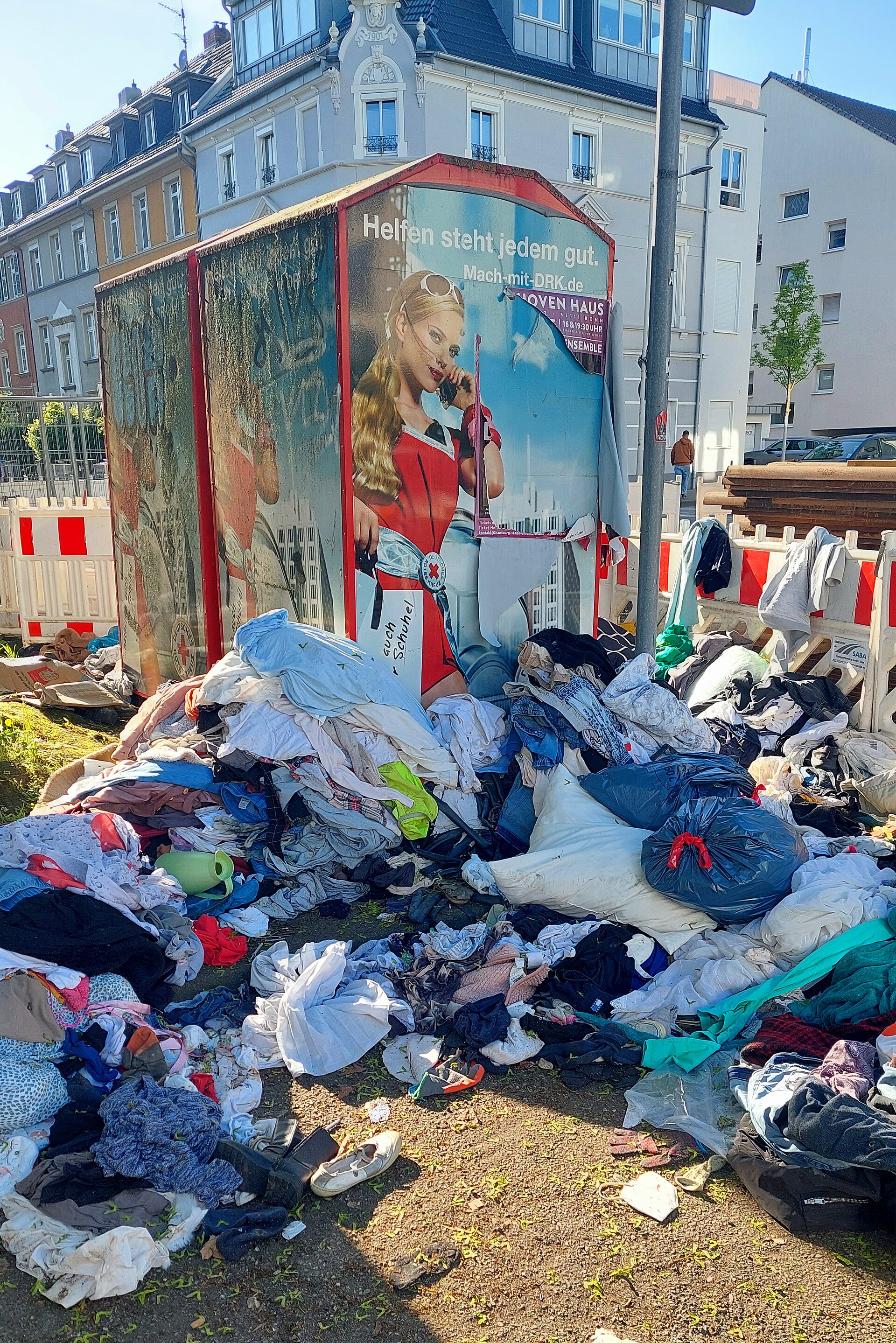
Post-consumer apparel is none of those things, and it is what the marketing images usually show.
What would change it
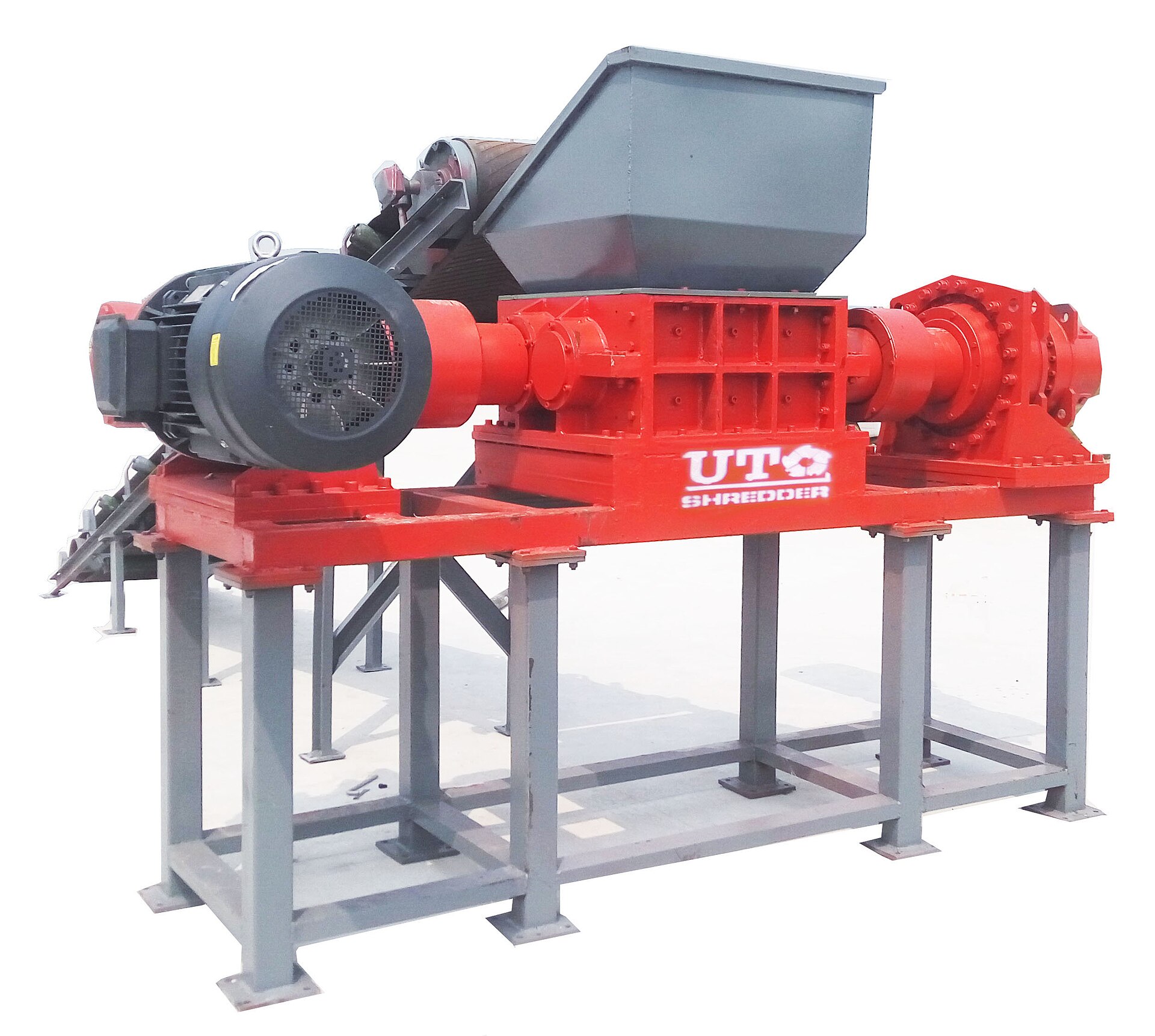
Fibre-composition labelling that is machine-readable, mono-material design mandates for categories where performance allows, and sorting technology that can distinguish nylon 6 from 6,6 at line speed. Chemical companies can build depolymerisation plants relatively quickly; none of them can create a sorted feedstock stream that the textile industry has not designed for.
References and image credits›
- 01Textile Exchange Preferred Fiber and Materials Market Report
- 02Caprolactam recovery from polyamide waste — process review
Photo: Mictlancihuatl, CC BY 4.0 · Photo via Wikimedia Commons, CC BY-SA 2.0 · Photo: Robert Kropf, CC BY-SA 4.0