
Old tyres do not quietly biodegrade once they are buried
A worn tyre is engineered to resist heat, water, ozone and microbes for a decade on a vehicle. Burying it does not switch that off — it turns three durability features into three disposal problems.
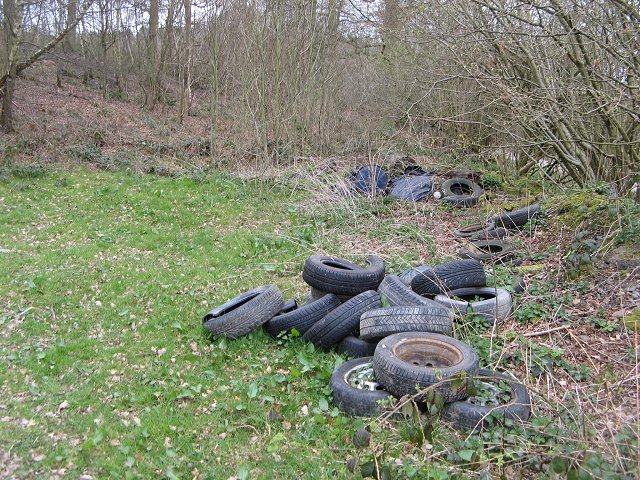
A worn tyre is basically inert. Bury it and it will eventually break down like food or paper.
A tyre is a vulcanised rubber, steel and textile composite designed specifically to resist heat, oxidation, water and biological attack for years of abuse. Nothing about landfill conditions reverses that. US EPA guidance treats used tyres as material requiring careful management precisely because they persist, and because pollutants and heavy metals can leach into groundwater or stormwater.
Three failure modes, not one
The reason tyres get their own rules is that their shape and durability create distinct problems, and each one has a different mechanism.
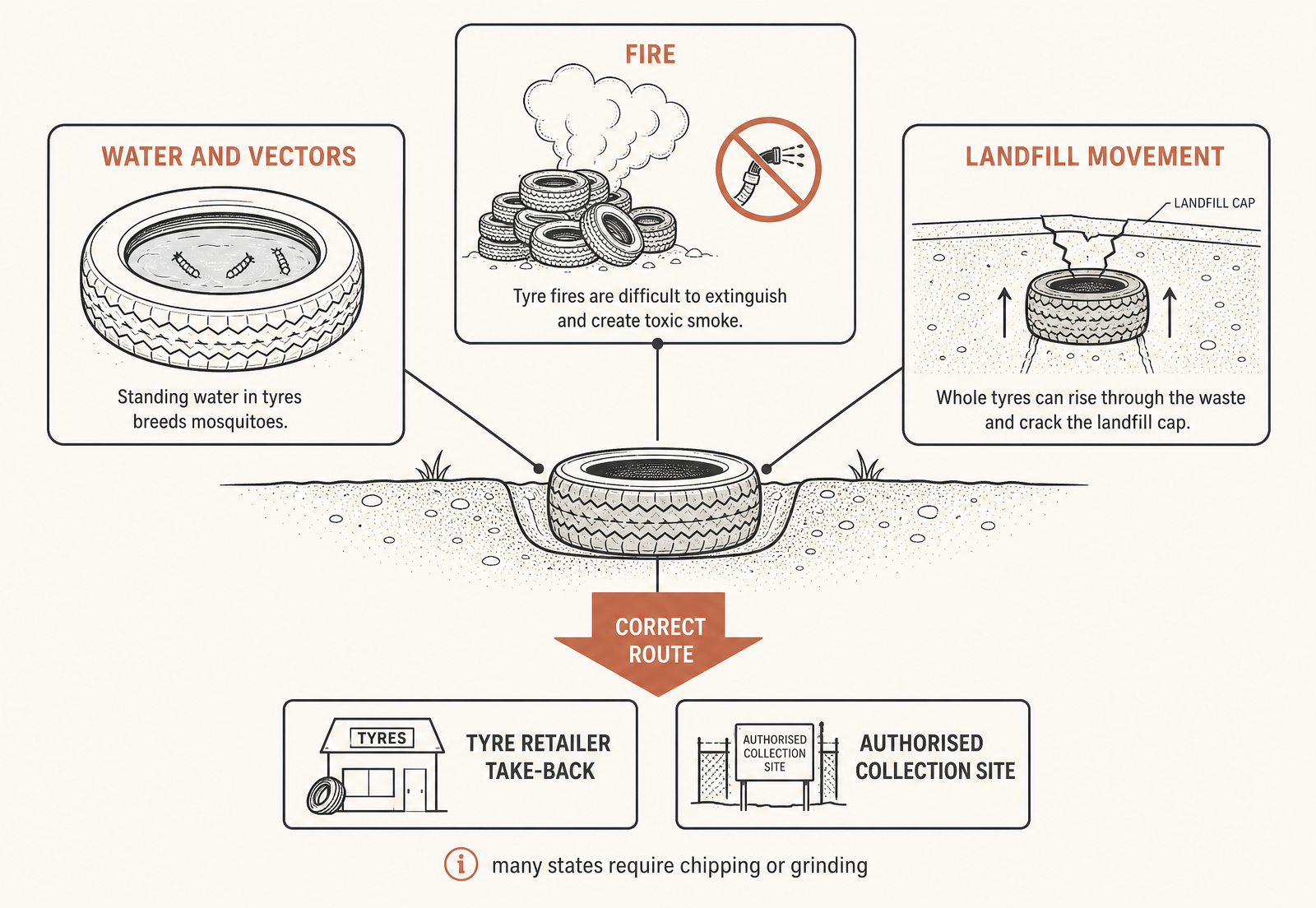
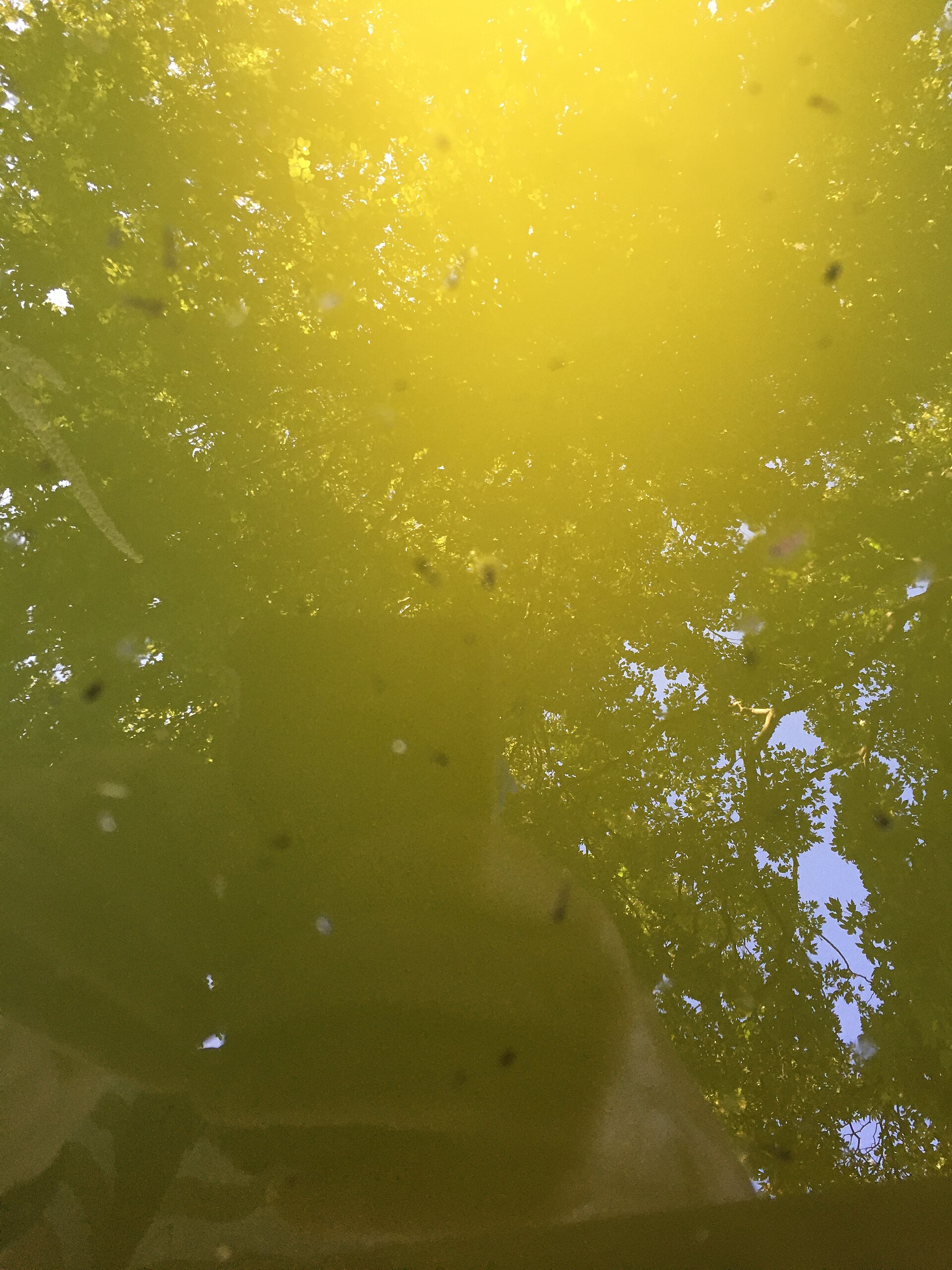
Water and vectors. A tyre is a torus with an open channel that holds a shallow reservoir of rainwater, shaded and undisturbed. That is close to ideal container-breeding mosquito habitat, which is why tyre piles show up repeatedly in vector-control guidance rather than only in waste guidance.
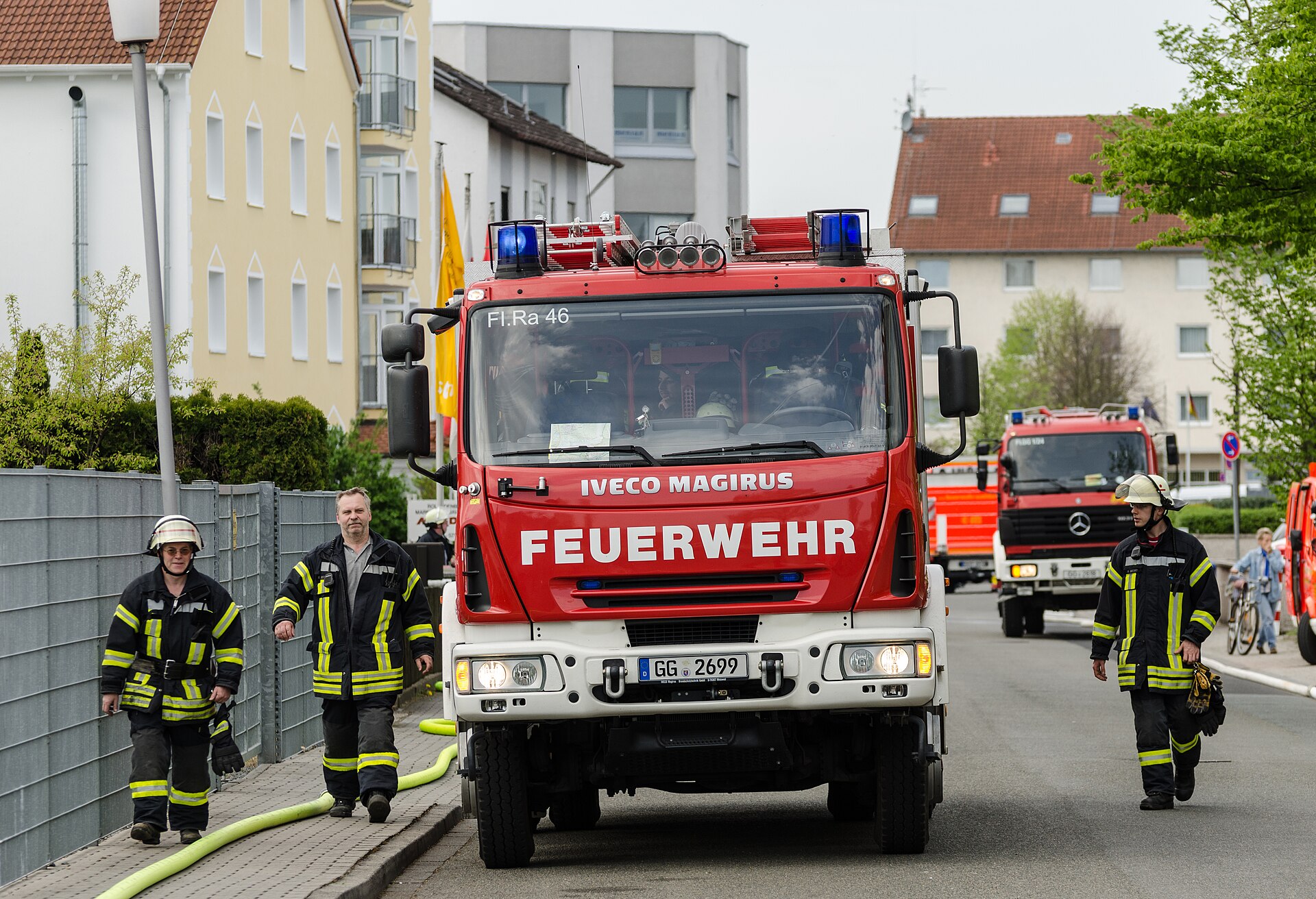
Fire. Rubber is a hydrocarbon with a high energy content, and a stockpile of tyres has enormous surface area with air channels running through it. Once alight it is extremely difficult to extinguish, burns for a long time, and generates oily runoff along with the smoke. This is the failure mode that turns a nuisance site into a multi-week emergency.
Landfill movement. Whole tyres trap air and compress unevenly, so they behave badly inside a compacted waste mass. They can rise through the fill and settle unpredictably, damaging the engineered cover that keeps rainwater out and landfill gas in. That is why many states require tyres to be chipped or ground before they can be landfilled at all, and why accepted routes vary from state to state.
What to actually do with them
Do not put whole tyres in a household kerbside bin, and do not leave them behind a shed or on a verge. Return them to a tyre retailer, which in most places will take the old casing when it fits the new one, or use an authorised local tyre collection programme. Confirm that the receiving facility accepts them before you drive over.
The honest limit on the good news
Managed properly, scrap tyres feed real markets: ground rubber, civil-engineering fill, rubberised asphalt and moulded products. That is a genuine improvement on a hole in the ground.
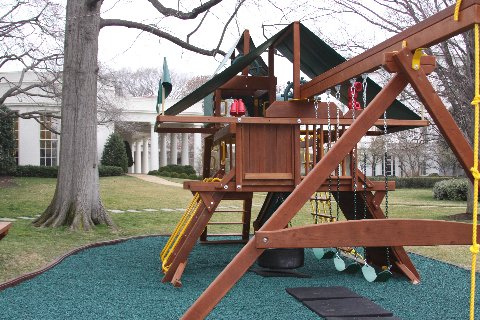
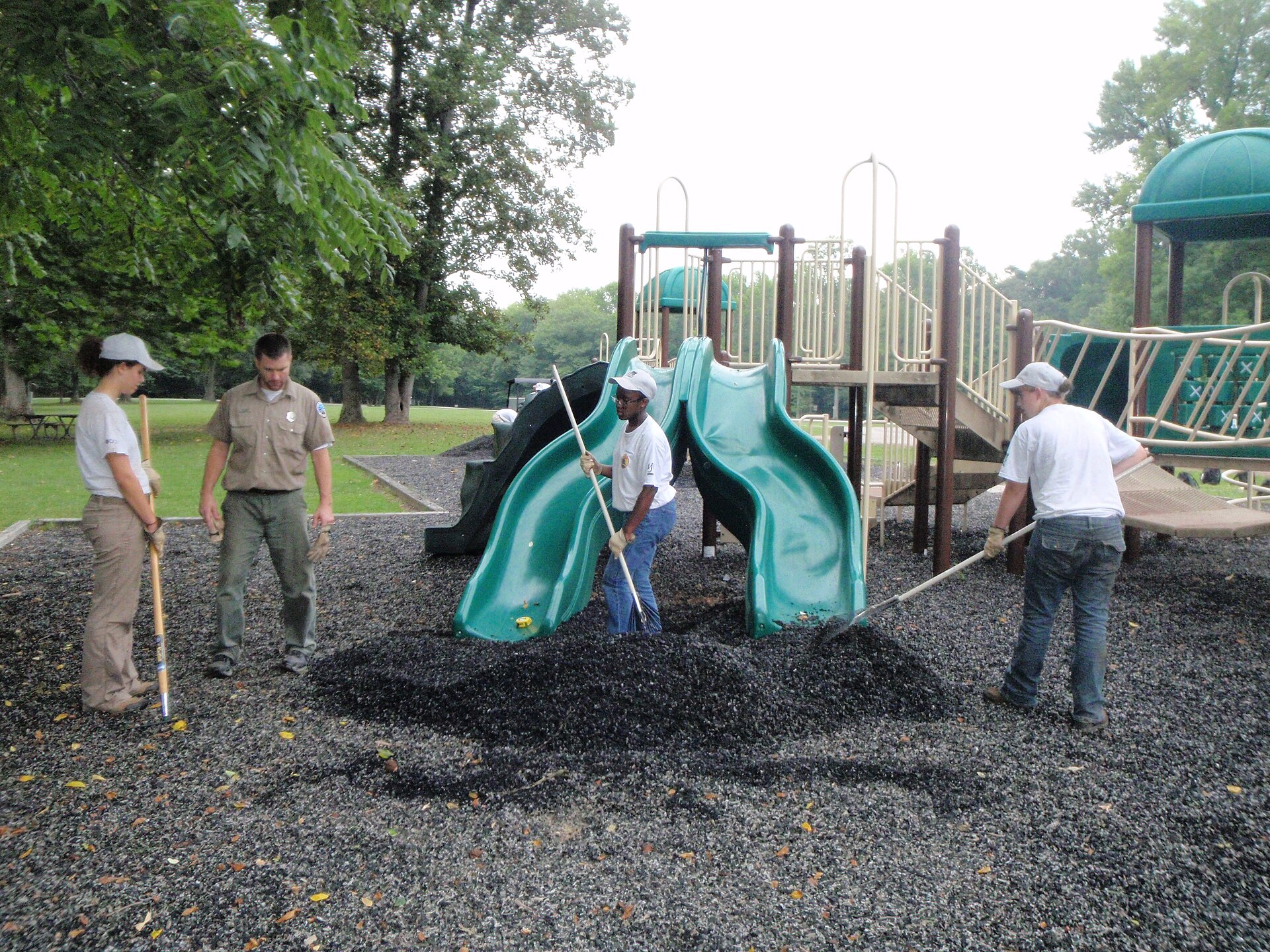
Vulcanisation is a one-way chemical reaction; it cross-links the polymer so it cannot simply be remelted into new tyre rubber. That is why almost every scrap-tyre market is a downgrade to a lower-value application, and why the useful question about your local programme is not whether tyres are collected but where they land afterwards.
References and image credits›
- 01US EPA — Used Tires
- 02US EPA — Scrap Tires: Basic Information
- 03US EPA — Scrap Tires: Frequent Questions
Richard Webb, Wikimedia Commons, CC BY-SA 2.0 · Jo-Jo Eumerus, Wikimedia Commons, CC BY-SA 4.0 · Norbert Nagel, Wikimedia Commons, CC BY-SA 3.0 · Rubber Mulch, Wikimedia Commons, CC BY 2.0 · VSPYCC, Wikimedia Commons, CC BY 2.0