
Meet the solar-powered garbage robot
A Chandigarh University patent describes a mobile machine that finds waste, picks it, splits it wet from dry, compacts it and drives it away. The mechanism is easy to picture. The evidence is not there yet.
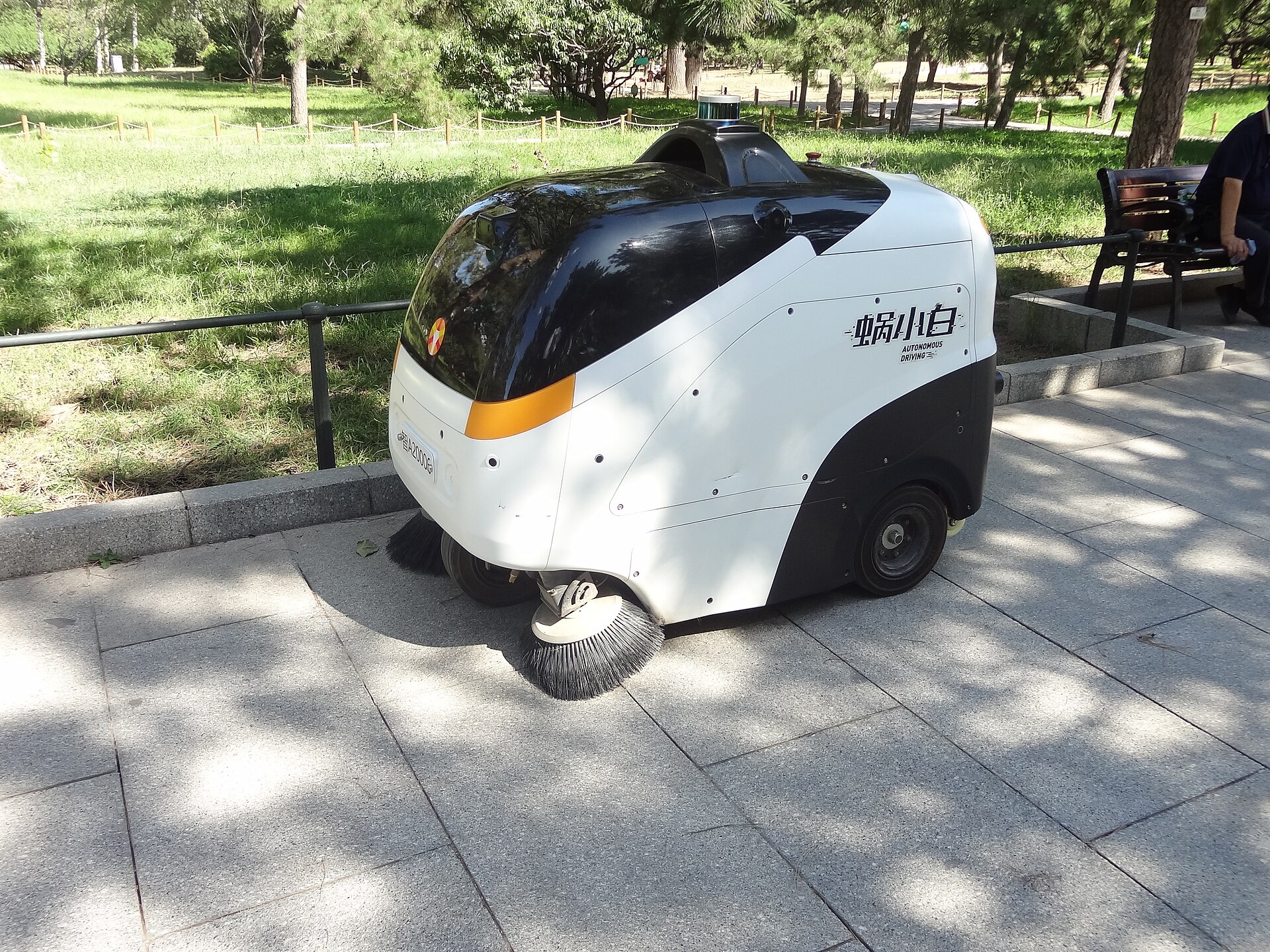
A report published on 21 August describes a patent from electronics and communication engineers at Chandigarh University for a solar-powered mobile robot that is meant to do the whole front end of waste collection on its own: locate waste, pick it up, separate it, compress it, and transport it to a disposal point.
It is a good machine to think with. Every subsystem maps onto a real bottleneck in municipal collection. It is also a patent, which means the interesting question is not "does it work" but "what would have to be true for it to work".
The energy budget comes first
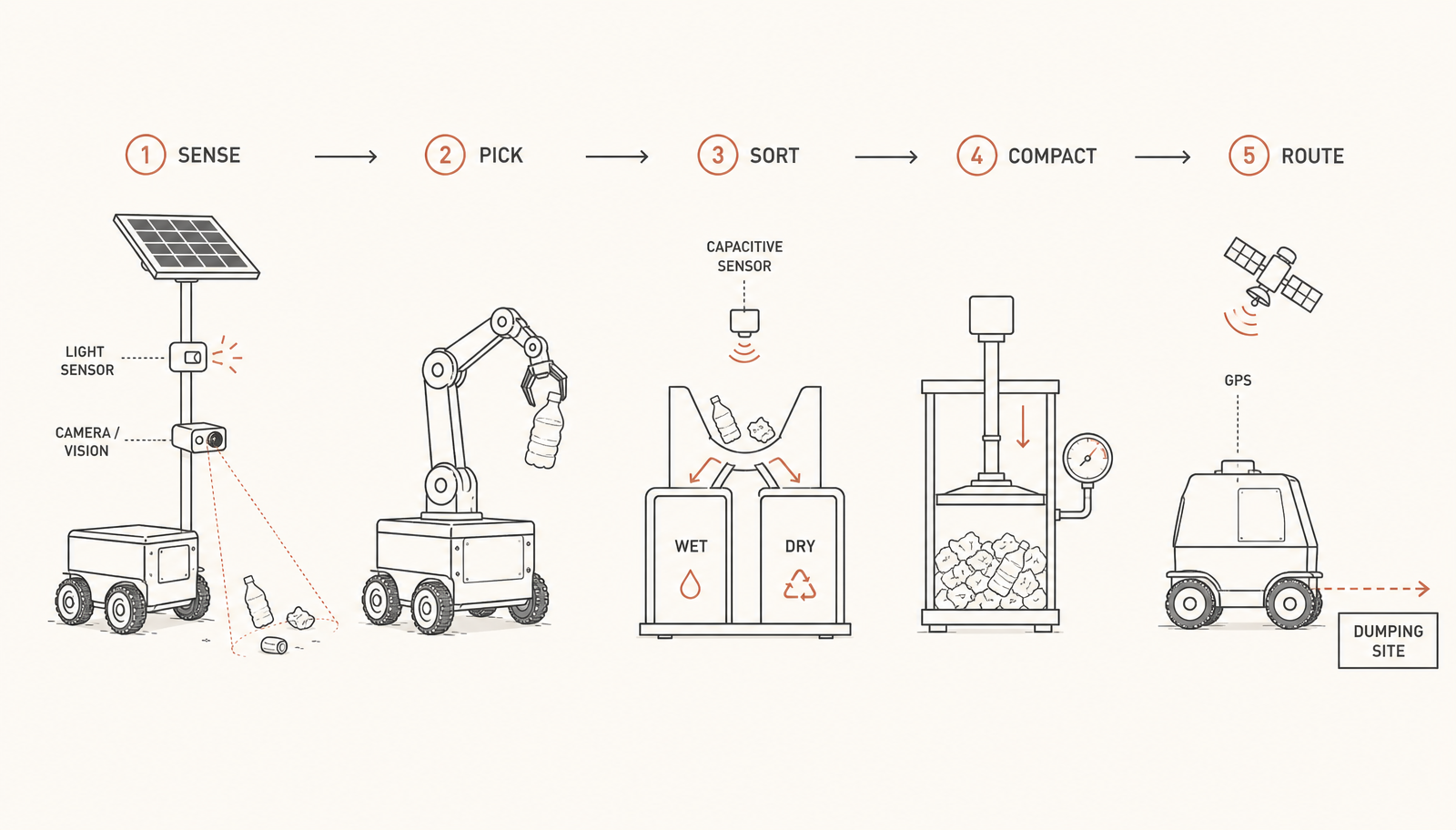
Solar panels charge an onboard battery, and a light sensor can steer the panel toward the sun. That is a sensible design instinct — a collection robot that has to return to a charger loses most of its labour advantage — but it sets a hard ceiling on everything downstream.
A panel small enough to sit on a mobile housing produces a few hundred watts at best in full sun. Driving, arm actuation, vision processing and, above all, compaction are all draws on the same battery. Tracking the sun buys back some of that, at the cost of a moving mechanism that has to survive dust, rain and vibration.
Seeing waste, and seeing it as waste
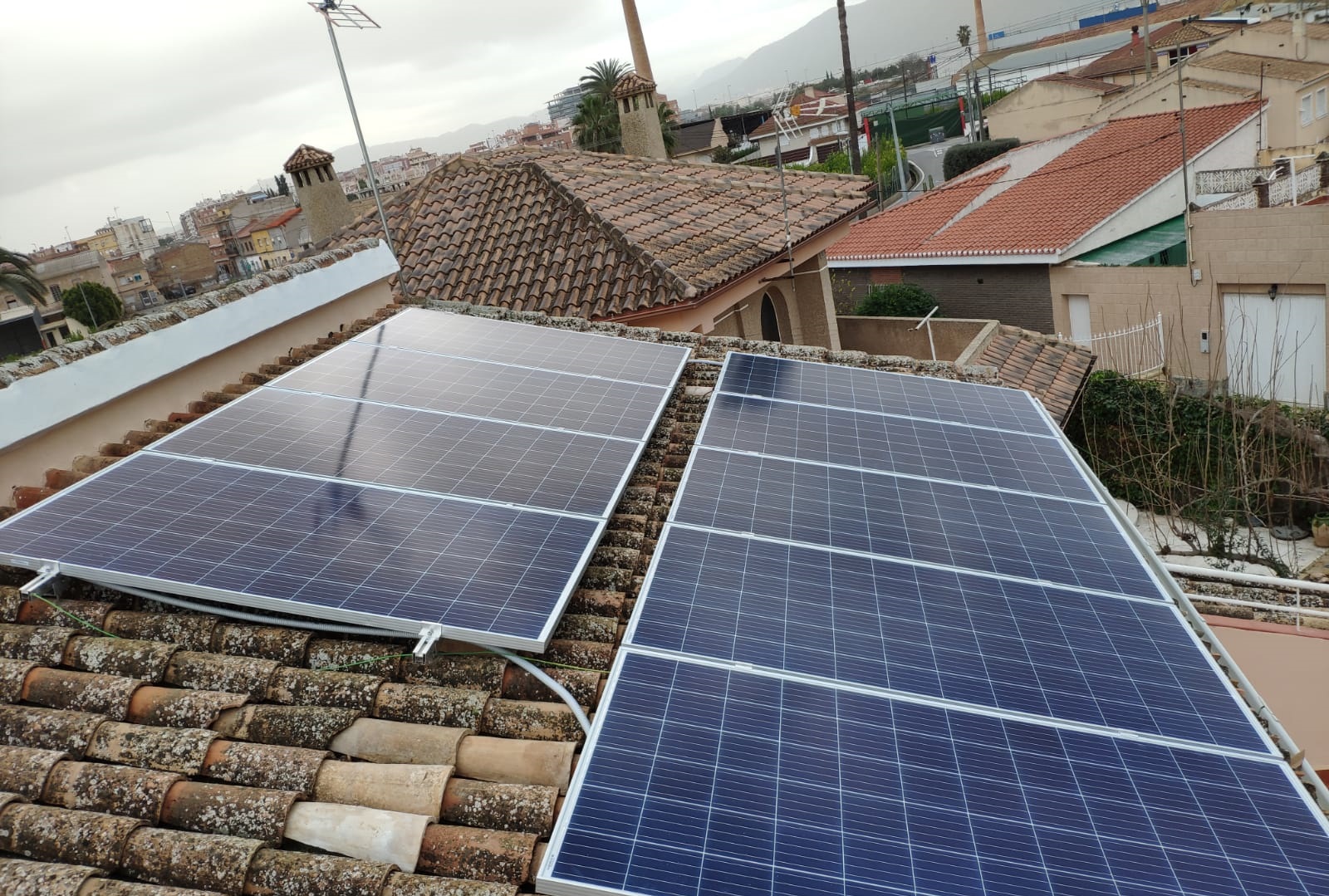
Four-directional wheels let the housing move and turn in place. A vision sensor is meant to distinguish garbage from obstacles.
That distinction is the whole problem in one sentence. Telling a bottle from a kerbstone is a solved computer-vision task in good light on clean ground. Telling a discarded bottle from a bottle someone put down, or a wet paper bag from a leaf, or an object from its own shadow at dusk, is not. Every published sorting system that works well does so because the material arrives on a belt at a known speed under known lighting. A street does not offer any of that.
Picking, then guessing wet from dry
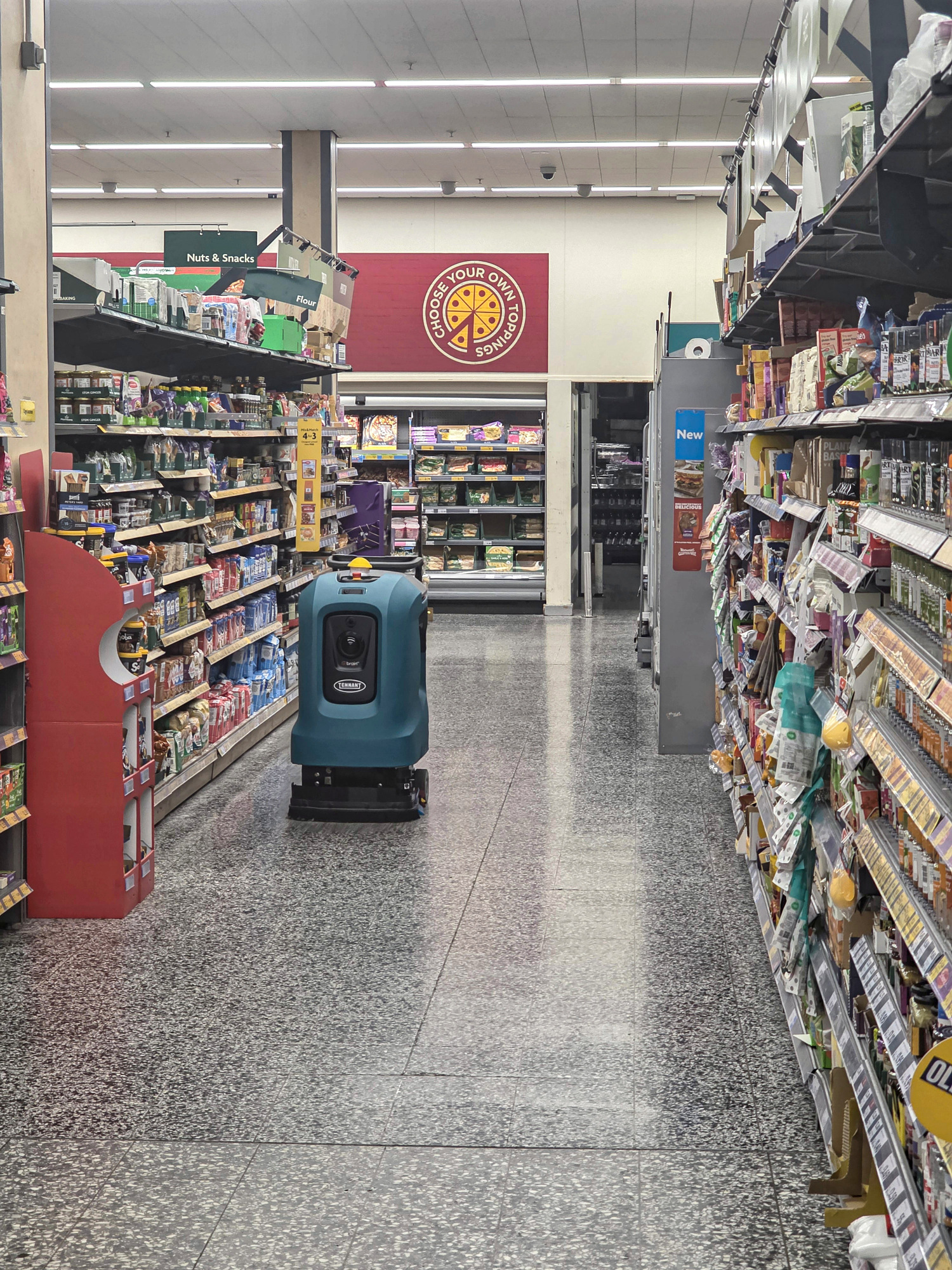
A robotic arm collects the identified item. A capacitive sensor then estimates whether the material is wet or dry, and the system routes it into separate wet and dry chambers.
Capacitive sensing measures dielectric properties, and water has a very high dielectric constant, so the basic physics is sound: a wet object reads differently from a dry one. What it does not tell you is what the object is. A dry food-contaminated carton reads dry. A rain-soaked newspaper reads wet. The split the sensor produces is a moisture split, not a materials split — and moisture is only a proxy for the organics-versus-recyclables boundary that matters downstream.
Compaction is where the watts go
Compressors reduce the volume of the collected material, with pressure sensors monitoring the compaction. This is the subsystem that most directly buys range: a robot that can only hold loose material fills up in a few dozen picks.
It is also the most energy-hungry thing on the platform by a wide margin, and it is in tension with the solar budget above. Municipal compactors run hydraulic rams measured in tonnes of force. Whatever fits on this housing will be far smaller, which means a modest volume reduction rather than the dense bales that make transport economics work.
The controller, and what it says about maturity
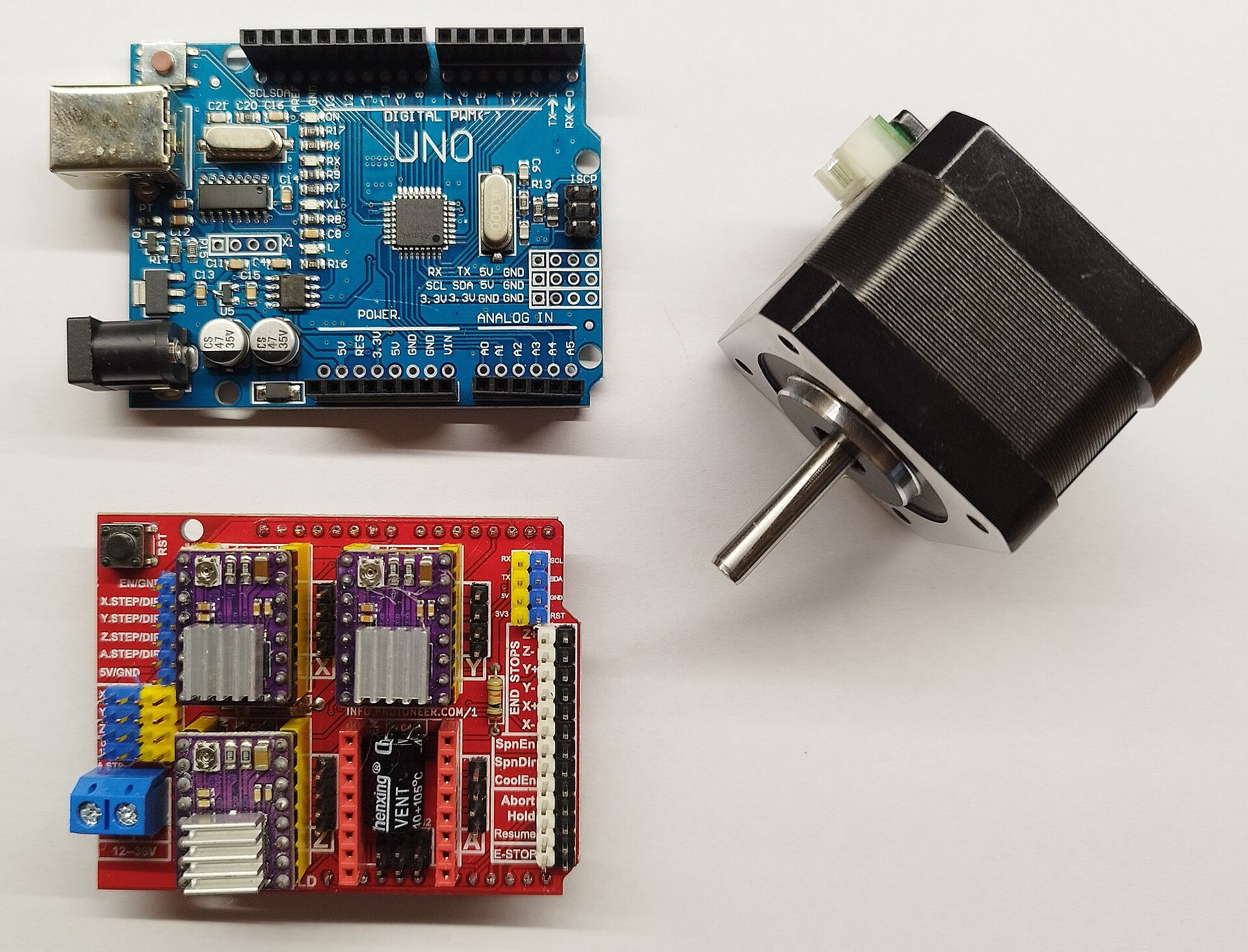
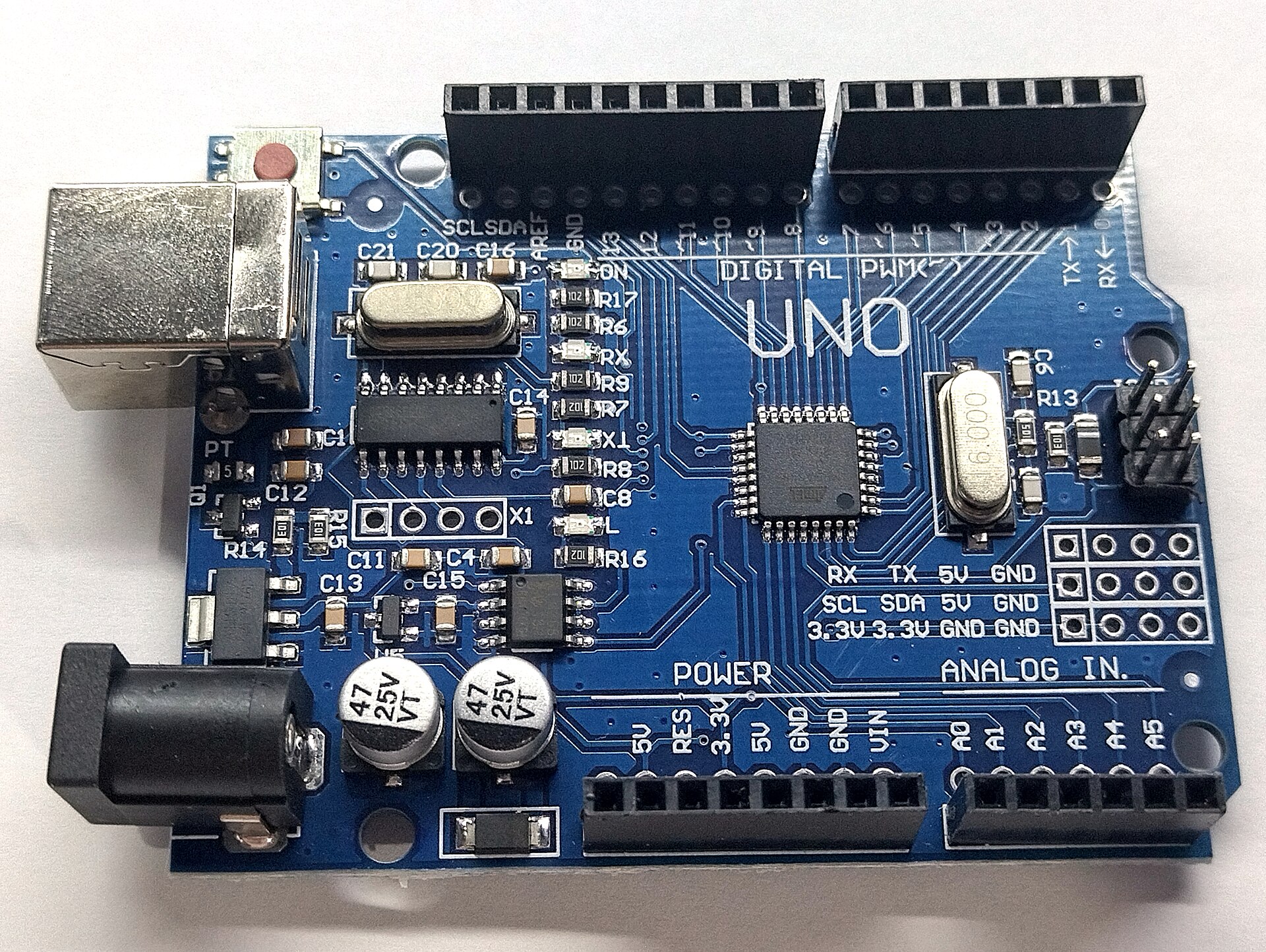
Smoke sensing, GPS and an Arduino controller coordinate safety, tracking and machine operation. When a chamber reaches capacity, the design is intended to find a nearby dumping site and drive the waste there.
An Arduino is a fine choice for demonstrating that a set of sensors and actuators can be sequenced. It is not the class of controller that runs a vision pipeline, and it is not a functional-safety platform. Reading that detail honestly: this is an integration concept, described at the level of the block diagram, not a fielded machine.
What the patent does not prove
The report gives no throughput, no sorting accuracy, no cloudy-weather uptime, no energy balance, no cost per tonne, no maintenance requirement, and no evidence that the wet and dry chambers produce a marketable recyclable or a usable compost feedstock. A patent establishes a claim to an idea. It does not establish that the idea survives a street.
Source separation at the household still beats mechanical separation after the fact, for the same reason it always has: once materials touch each other, contamination is irreversible and no sensor recovers the value that has already been lost. A robot that splits wet from dry after collection is working on the hardest version of the problem.
References and image credits›
- 01The Industrial — Chandigarh University engineers develop solar-powered robot for garbage management
Henrysz, Wikimedia Commons, CC BY-SA 4.0 · Marta Victoria, Wikimedia Commons, CC BY-SA 4.0 · Jonathan Billinger, Wikimedia Commons, CC BY-SA 2.0 · DotEagle, Wikimedia Commons, CC BY-SA 4.0 · JrawX, Wikimedia Commons, CC0