
"Zero-emission" trash trucks arrive in Coconut Creek — what the claim leaves out
Six electric collection vehicles, billed as Florida's first fully electric residential fleet. The tailpipe number is real. It is also the only number the announcement gives you.
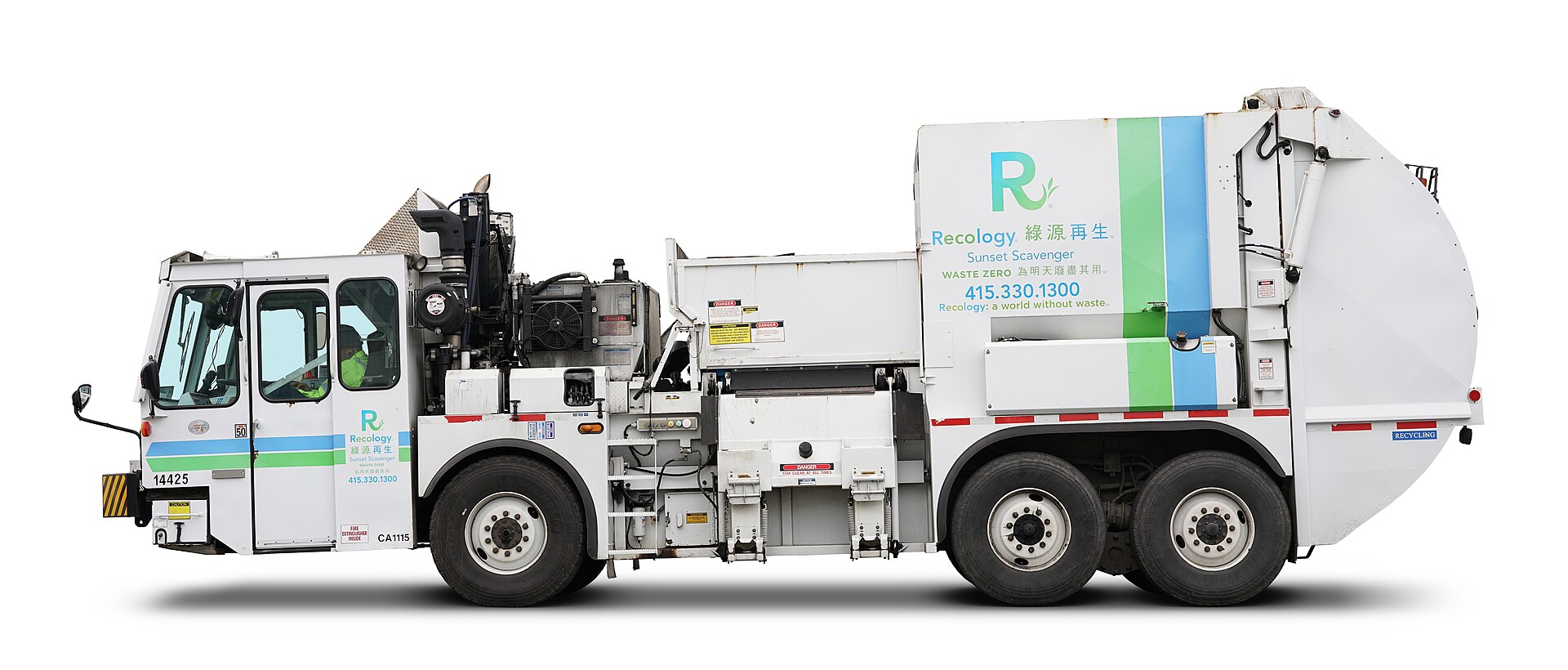
On 21 August, Republic Services and the City of Coconut Creek announced six McNeilus Volterra electric collection vehicles, described as Florida's first fully electric residential recycling and waste collection fleet, delivering "all-day zero-emission performance".
The trucks are almost certainly a good idea. The label is the part worth taking apart.
What is genuinely strong here
Local air quality and noise are real, immediate, distributional benefits. They accrue to the streets the truck drives down. That is worth something regardless of the carbon accounting.
Refuse collection is the duty cycle electrification was made for. Hundreds of stops per route, constant deceleration, low average speed, a predictable daily distance, and a vehicle that sleeps in the same depot every night. The US Department of Energy makes the same point about fleets: return-to-base operations with repeatable routes are where current heavy-duty EVs fit best.
The physical benefits are also not in dispute. No tailpipe means no diesel particulate and no NOx emitted at the kerb, in residential streets, at the hours when people are outside. Refuse trucks are among the noisiest vehicles in a neighbourhood, and removing the engine removes most of that. McNeilus describes regenerative braking, battery-management controls and all-day route capability on a single charge, and the launch lists 360-degree cameras, lane-departure sensors and automatic emergency braking — a safety package that matters around pedestrians and cyclists.
Where the label stops being accurate
"Zero-emission" is a boundary condition, not a property of the vehicle. DOE is explicit that zero tailpipe emissions are not the same as zero cradle-to-grave emissions: electricity generation, vehicle and battery production, and end-of-life management all carry emissions that sit outside the tailpipe boundary.
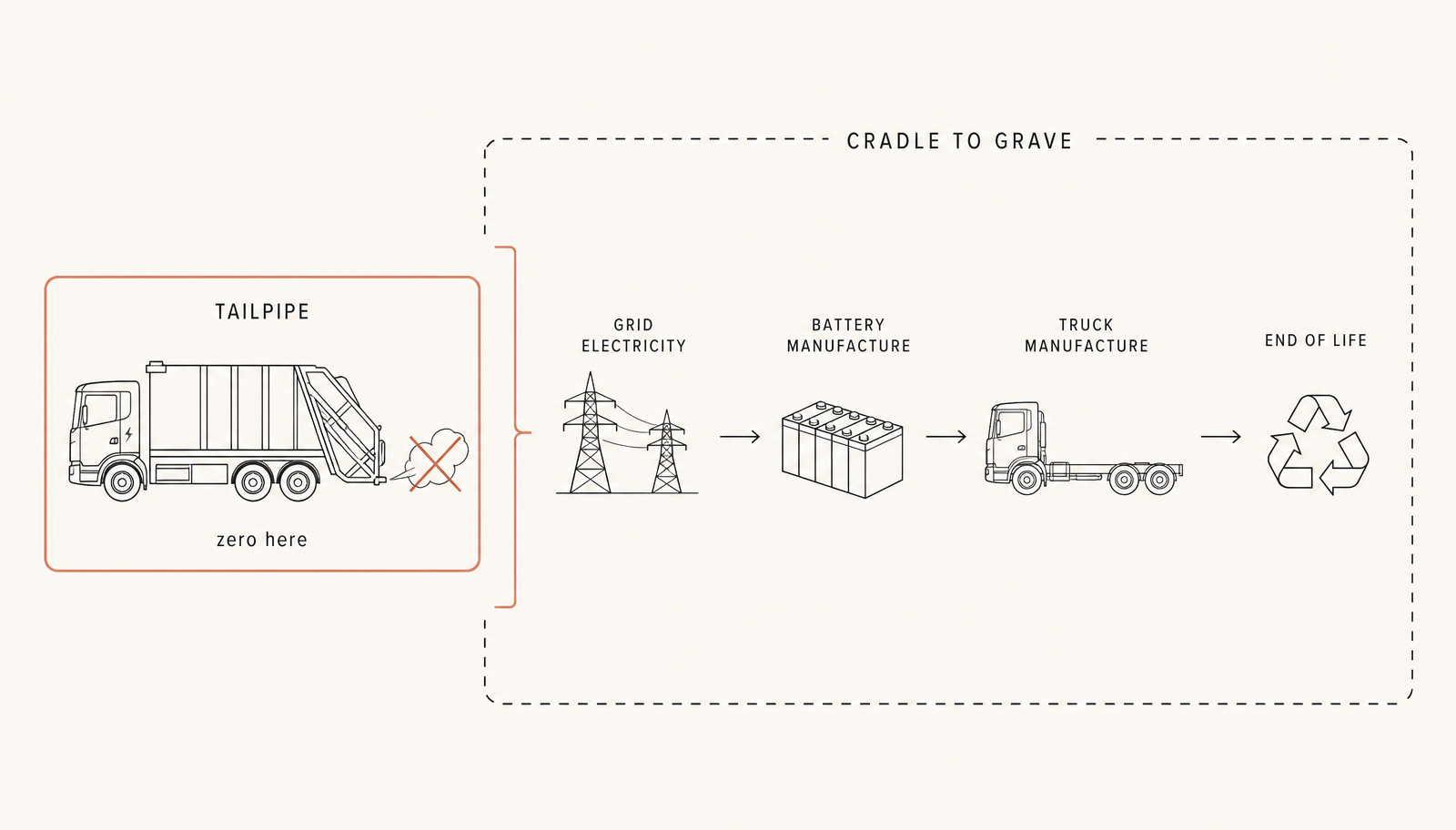
For a Florida fleet, the grid term is the one that moves. An electric truck charged on a gas-heavy grid still beats a diesel truck on lifecycle carbon in most DOE comparisons, but the margin depends on the generation mix at the hours the depot actually charges — which is a different number from the annual average mix.
The numbers the announcement does not contain
A six-truck launch does not establish citywide economics. The release gives no route-level energy consumption, no charger load or depot electrical capacity, no purchase price, no maintenance record, no battery-replacement plan and no independent lifecycle assessment.
All-day zero-emission performance on a single charge.
Heavy-duty range falls with payload, cabin heating and cooling, terrain and auxiliary equipment such as the packer and lift. A refuse truck gets progressively heavier across its route, and Florida summers mean the air conditioning runs all day. The relevant figure is worst-day range on the heaviest route in August, not nominal range.
Electric collection lowers operating costs.
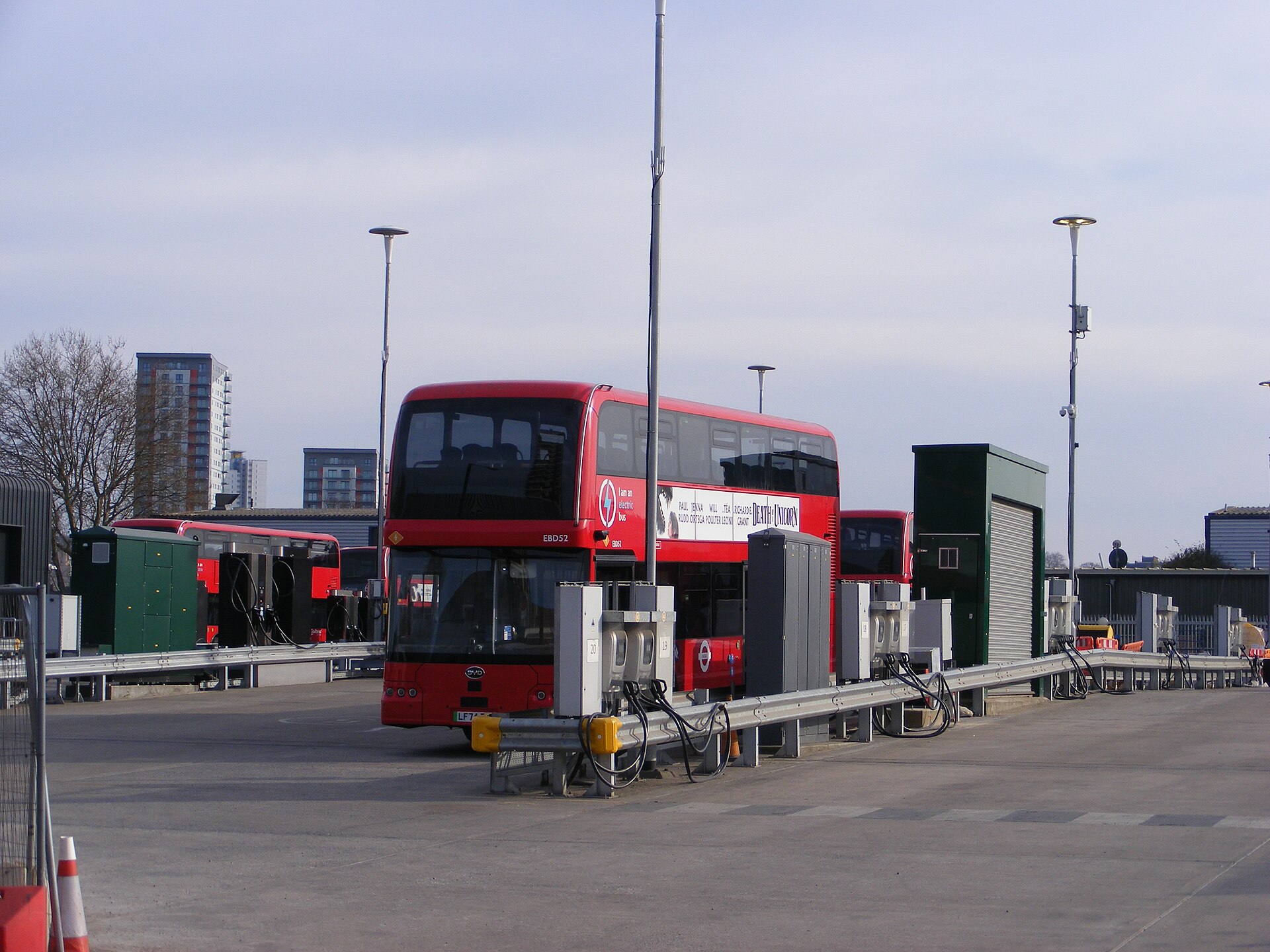
Fuel and maintenance costs generally fall. Charging several heavy vehicles simultaneously can also trigger service upgrades at the depot and demand charges on the electricity bill, which are billed on peak kilowatts rather than energy consumed. Whether the total goes down depends on managed charging and tariff structure, neither of which is described.
The checklist to demand
Before calling a waste fleet decarbonised rather than de-tailpiped, ask for: energy use per route in kilowatt-hours, worst-case summer range with a full body, depot peak charging load and the tariff it is billed under, purchase and expected maintenance cost against the diesel baseline, warranted battery life and the replacement plan, and end-of-life battery management. None of these are unreasonable. All of them are missing.
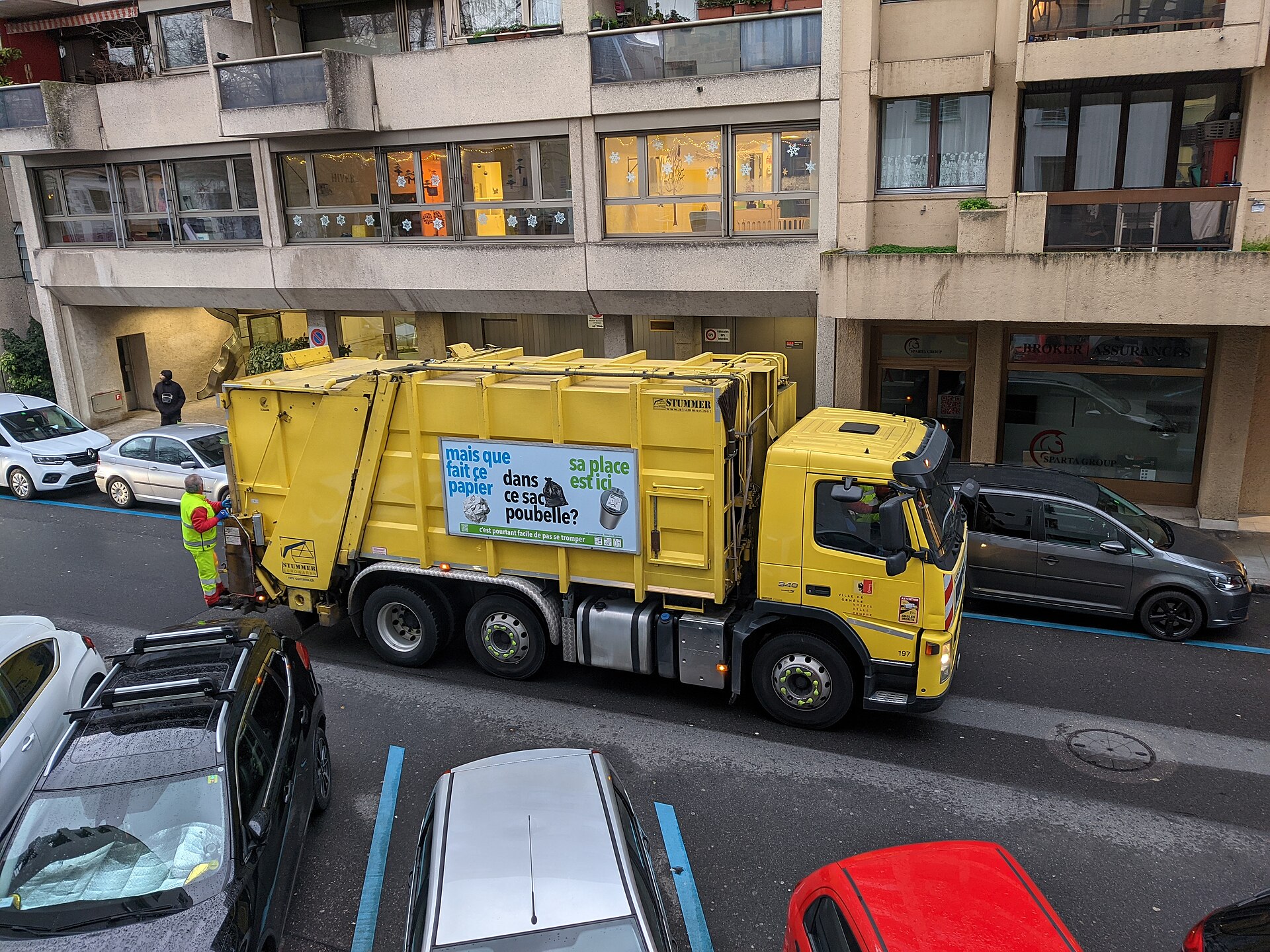
The honest version of the headline is narrower and still good: six trucks that remove diesel exhaust and noise from residential streets, on a duty cycle well suited to batteries, with the lifecycle case unproven pending data the operator has and has not published.
References and image credits›
- 01Republic Services / PR Newswire — Coconut Creek launches Florida's first fully electric residential collection fleet
- 02US DOE Alternative Fuels Data Center — Emissions from Electric Vehicles
- 03US DOE Alternative Fuels Data Center — Electric Vehicles for Fleets
- 04McNeilus — Volterra ZSL electric side-loader
Dllu, Wikimedia Commons, CC BY-SA 4.0 · Sludge G, Wikimedia Commons, CC BY-SA 2.0 · Hullian111, Wikimedia Commons, CC BY-SA 4.0 · Unnerving duck, Wikimedia Commons, CC BY-SA 4.0