
Phytomining: how pokeweed could pull rare earths out of mine waste
NC State researchers are growing native pokeweed on coal ash and acid mine sludge and using a UV laser to measure how much dysprosium the plants absorb. It is a measurement breakthrough, not yet a supply chain.
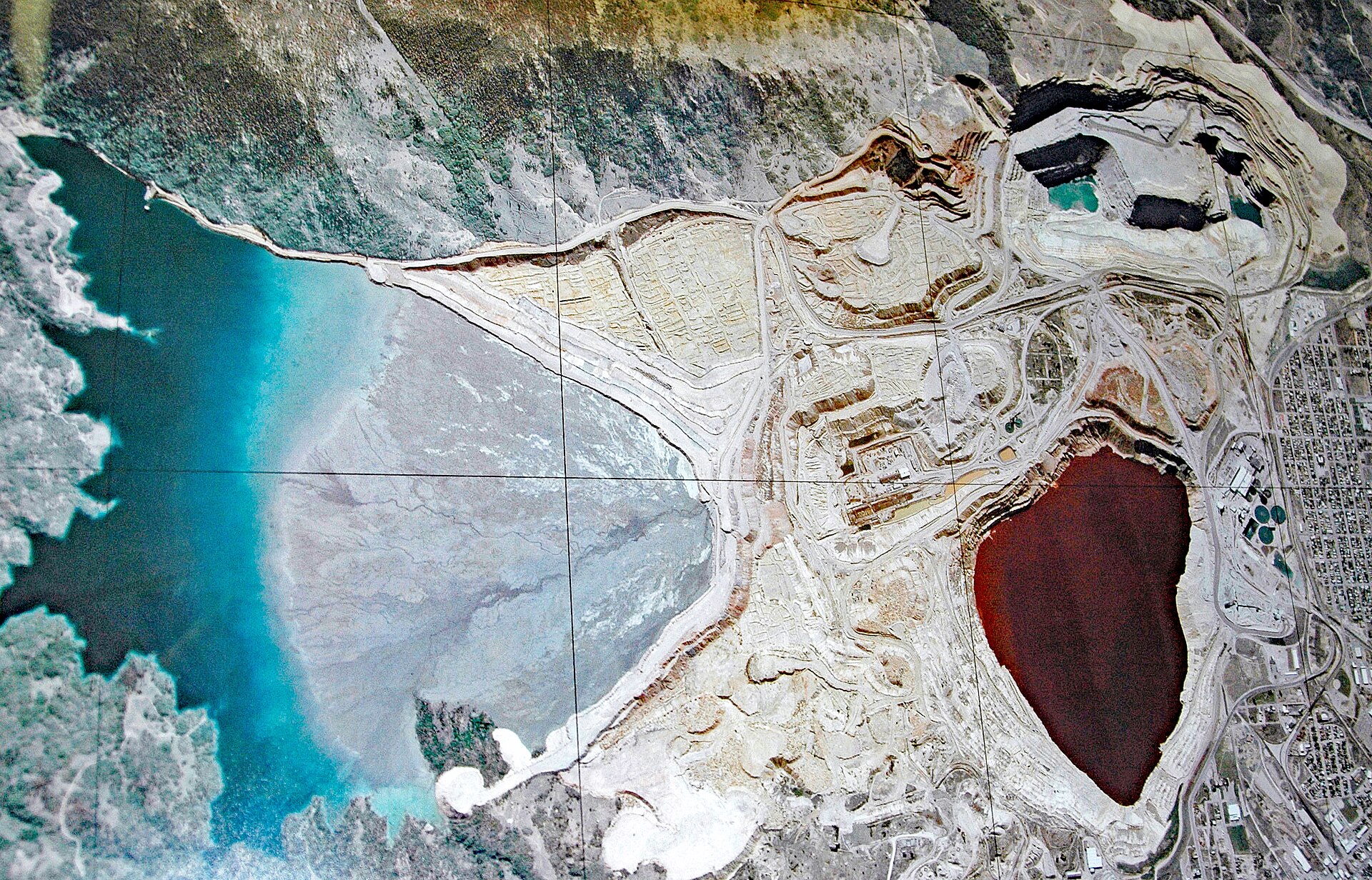
Appalachia is covered in waste that contains rare earth elements: mine tailings, coal fly ash, acid mine drainage sludge. Phytomining asks whether plants can do the extraction — slowly, cheaply, and while cleaning the site.
What phytomining is
Some plants, called hyperaccumulators, pull metals through their roots and concentrate them in their tissue far above soil levels. Nickel phytomining is commercial in places. Rare earths are harder because they barely dissolve in soil water.
How the NC State approach works
Colleen Doherty and Michael Kudenov's team focused on dysprosium, used in high-temperature magnets for EV motors, wind turbines and phones.
- Pick a tough native plant. Pokeweed (Phytolacca) grows on fly ash and acid mine sludge, needs little water and is not invasive. Maize, tested before, failed to grow.
- Let the roots work. Plants take up REEs with water and nutrients, concentrating dysprosium in their tissue.
- Measure without destroying. A deep-UV laser illuminates tissue treated with a sodium solution; dysprosium fluoresces at specific wavelengths, and brightness tracks concentration.
- Time the harvest. Repeated scans on the same plant show when uptake peaks.
- Process the biomass. Harvested plants are burned or chemically treated to recover REEs — a step not yet detailed.
- Scale the sensing. Drone-mounted UV sensors could one day survey whole fields.
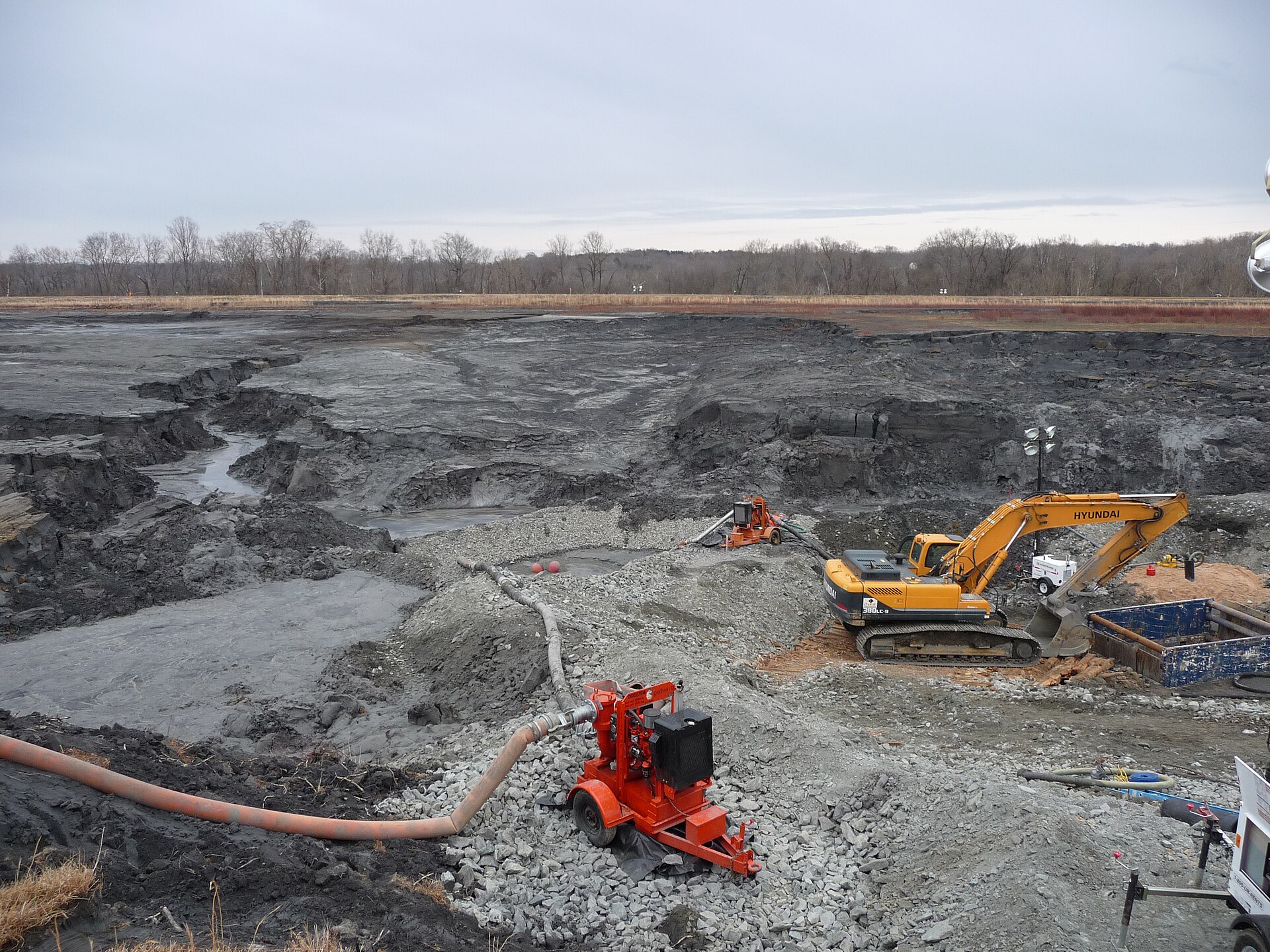
The promise
Phytomining could combine clean-up (phytoremediation) with recovery, at remote sites where a refinery would never pay. No on-site electricity or chemicals are needed. The UV technique could extend to other critical minerals. DARPA and DOE are funding the work as part of domestic supply efforts.
The honest limits
The researchers say it themselves: phytomining "currently can't compete with large-scale, conventional rare earth mining", and output would be "a drop in the bucket".
- No uptake rates, yields, concentrations or economics have been published.
- The biomass-to-metal step is undescribed.
- Plants work on growing-season timescales; leaching works in hours.
The takeaway
This is a tool that makes future phytomining research faster and more precise. The distance from "plants can absorb REEs" to "plants are a supply chain" is still enormous.
References and image credits›
- 01NC State ECE — Mining rare earth elements with plants
- 02WFAE — Plants could help U.S. mine rare earth materials
Photo: USFWS, public domain · Photo: Retired electrician, CC0