
Can a wetland be a wastewater treatment plant? The Fe-Mn biochar upgrade
A planted gravel bed is a reactor, not a garden. A new study swaps the gravel for iron-manganese modified rice-husk biochar - and reports strong nitrogen and phosphorus removal on wastewater too carbon-poor for conventional denitrification.

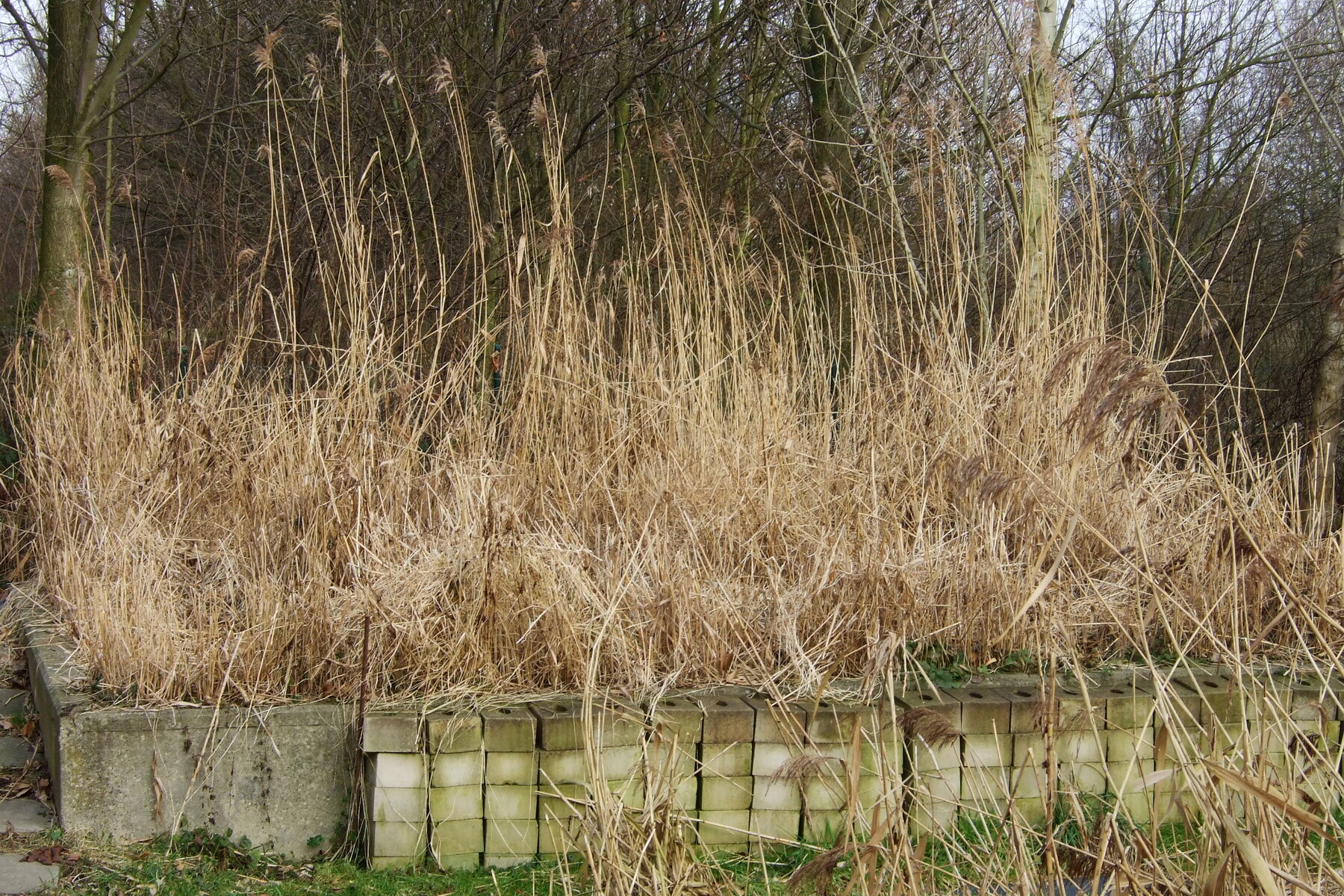
A constructed wetland looks like landscaping. It is closer to a slow, unpowered reactor: a layered bed where physical filtration, mineral chemistry and microbial metabolism happen in the same cubic metre, driven mostly by gravity.
How the bed actually works
Wastewater is distributed over the surface of a planted, layered bed and flows vertically down through the media. Solids are trapped near the top. Every grain surface hosts biofilm. The EPA's handbook on constructed wetlands describes the same basic combination: physical, chemical and biological processes acting together in one structure.
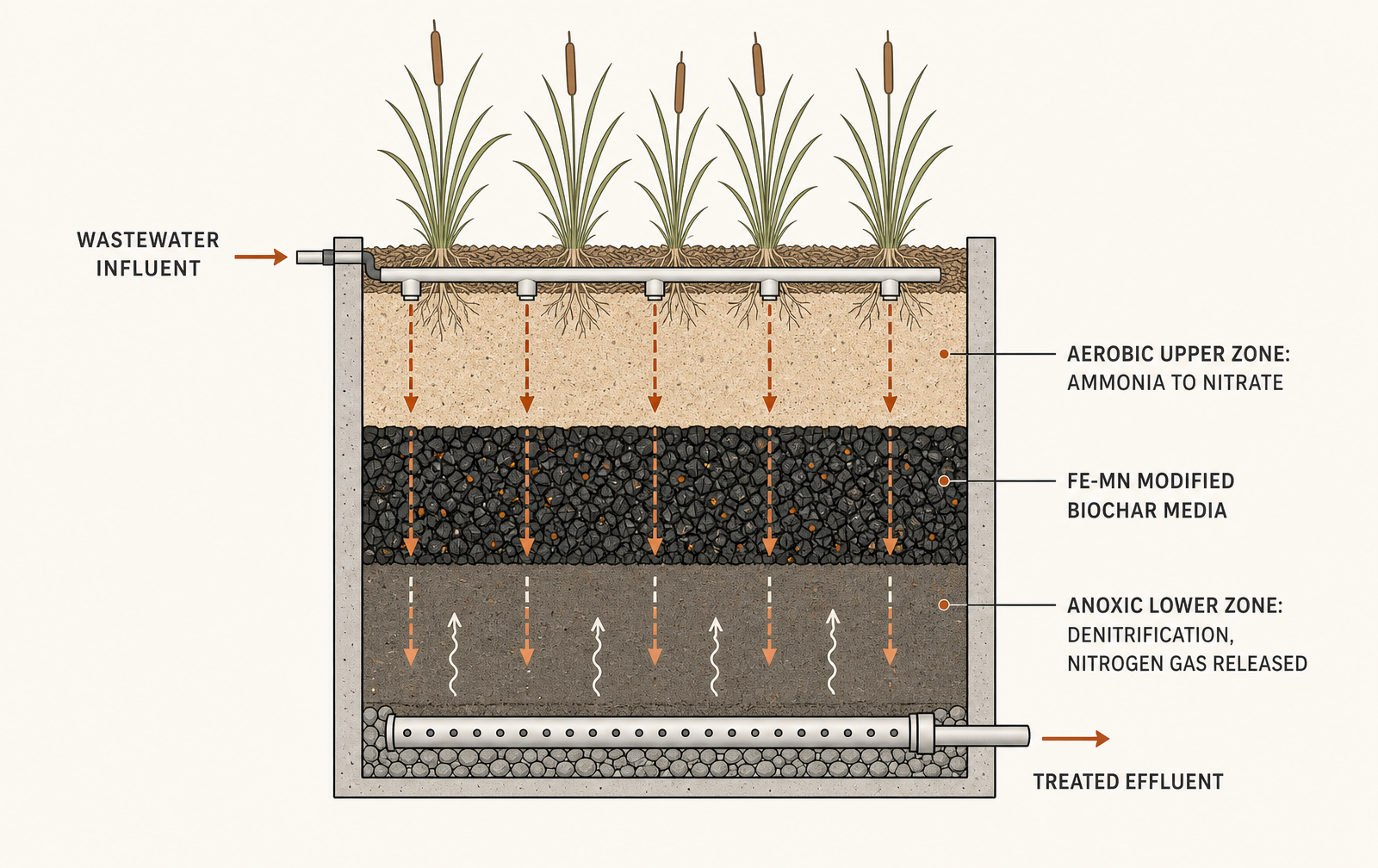
Nitrogen removal needs both conditions in sequence. Oxygenated upper zones let microbes oxidise ammonia into nitrate. Deeper, oxygen-poor zones support denitrification, which converts nitrogen compounds into nitrogen gas that leaves the system.
Why rural wastewater breaks this
Denitrification is a respiration process: microbes need an electron donor, and normally that donor is organic carbon. Rural wastewater is often dilute and carbon-poor. At a low carbon-to-nitrogen ratio, the nitrate is there but the fuel to reduce it is not, and nitrogen removal stalls even though the wetland is otherwise healthy.
The intervention: rice husks, then iron and manganese
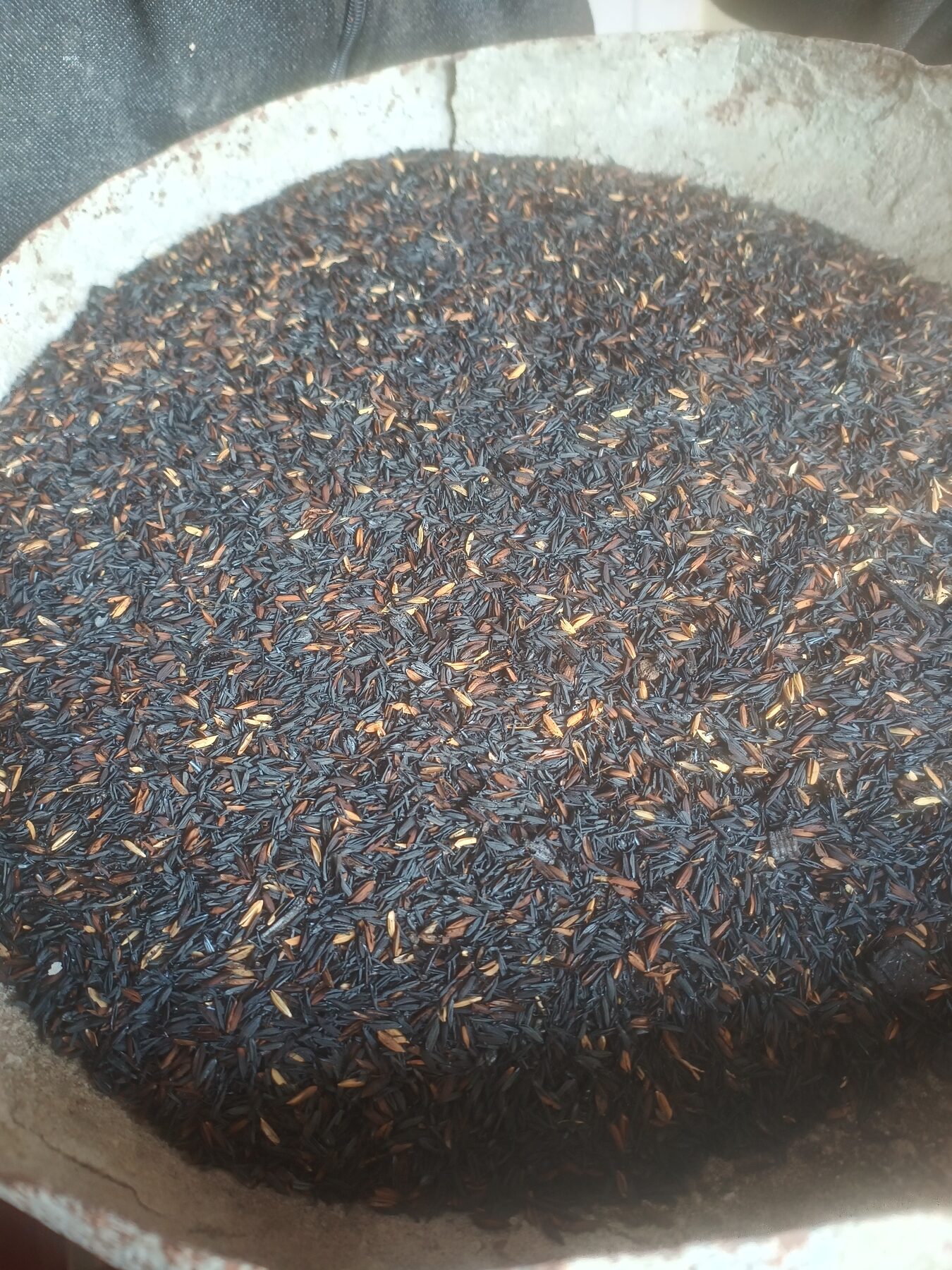
The study starts with an agricultural residue. Rice husks are pyrolysed into biochar, which supplies porosity, surface area and adsorption sites. The biochar is then treated with iron and manganese salts plus alkali, so iron oxyhydroxide, magnetite and manganese-oxide phases form on those surfaces.
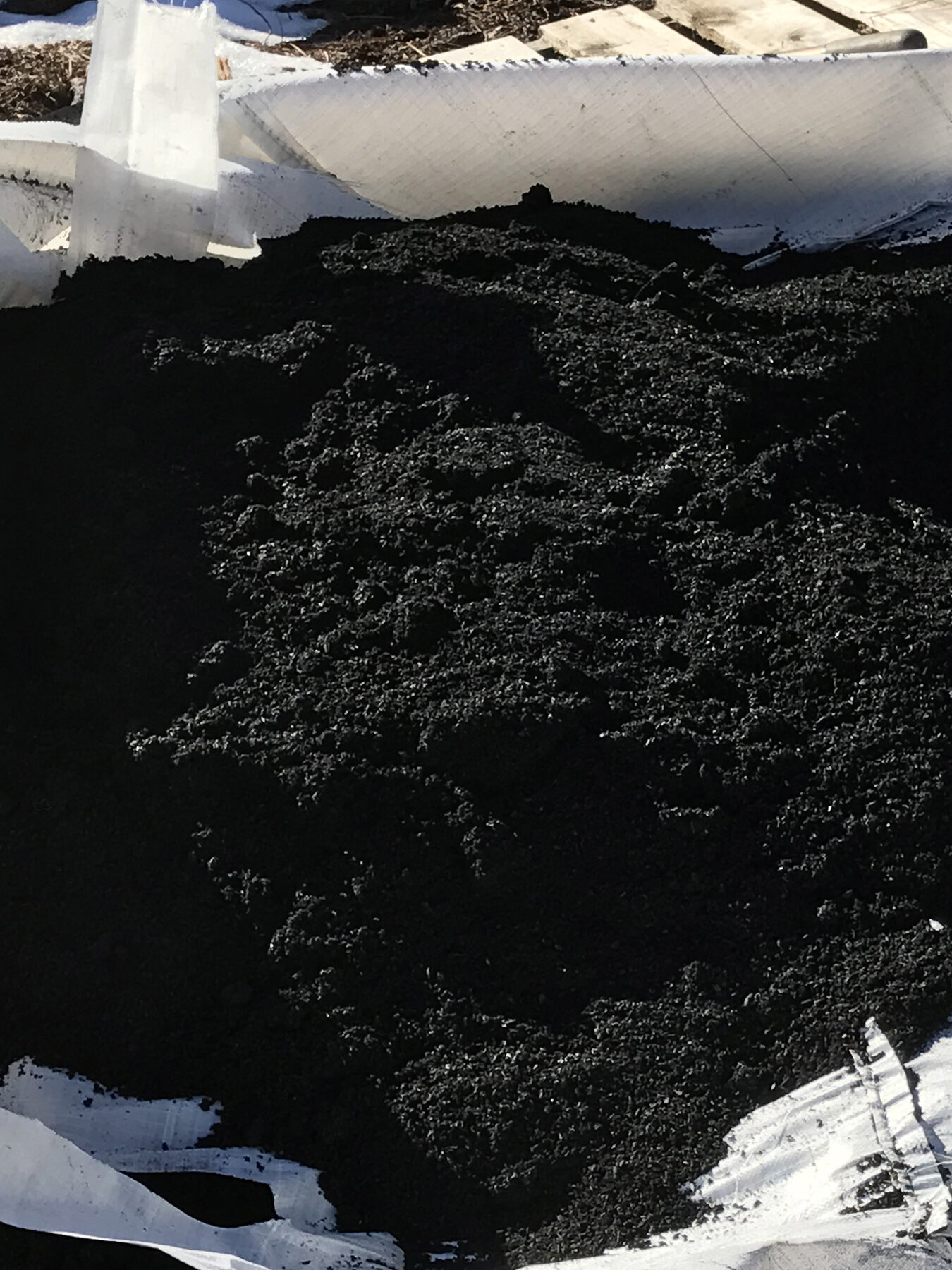
The modified media does two jobs at once. Pores and mineral surfaces retain phosphate. The iron and manganese redox chemistry provides extra electron-transfer routes for nitrogen-transforming microbes, which is exactly what a carbon-starved bed is short of.
What the columns reported
Twelve bench-scale vertical-flow columns compared four substrates - gravel, plain biochar, iron-modified biochar and Fe-Mn biochar - across carbon-to-nitrogen ratios of 1, 3 and 5.
DNA sequencing and functional-gene work found enrichment of ammonia-oxidising, iron-oxidising and iron-reducing bacteria. The authors read the strong hzsA signal as evidence that anammox and Feammox-related pathways may be contributing. That is a mechanistic clue about how the media helps - not a demonstration that a field wetland will behave the same way.
The promise
A treatment bed built from an agricultural residue, running on gravity rather than aeration blowers, that stays effective when influent carbon is low or swings around. For decentralised rural treatment, resilience to weak influent matters more than peak performance on a good day.
The catch
The authors are unusually direct about it. The media is materially more expensive and more energy-intensive than gravel or plain biochar, because it requires pyrolysis, reagents and washing. They flag manganese leaching, media passivation over time, uncertain replacement life, and the need for techno-economic analysis plus multi-year, metre-scale pilot validation. The experiment was bench-scale, and microbial sampling was limited.
Would you deploy a modified-biochar wetland in a rural community on strong lab results, before the media's lifetime and metal-leaching profile were proven?
References and image credits›
- 01Frontiers in Environmental Science - Iron-manganese bimetallic modified biochar as constructed wetland substrate
- 02US EPA - A Handbook of Constructed Wetlands
Photo: SuSanA Secretariat, CC BY 2.0, via Wikimedia Commons · Diagram: The Waste Stack · Photo: Mukteshwaraiyya, CC BY-SA 4.0, via Wikimedia Commons · Photo: US Department of Agriculture, public domain, via Wikimedia Commons