
No, plastic cannot be recycled forever
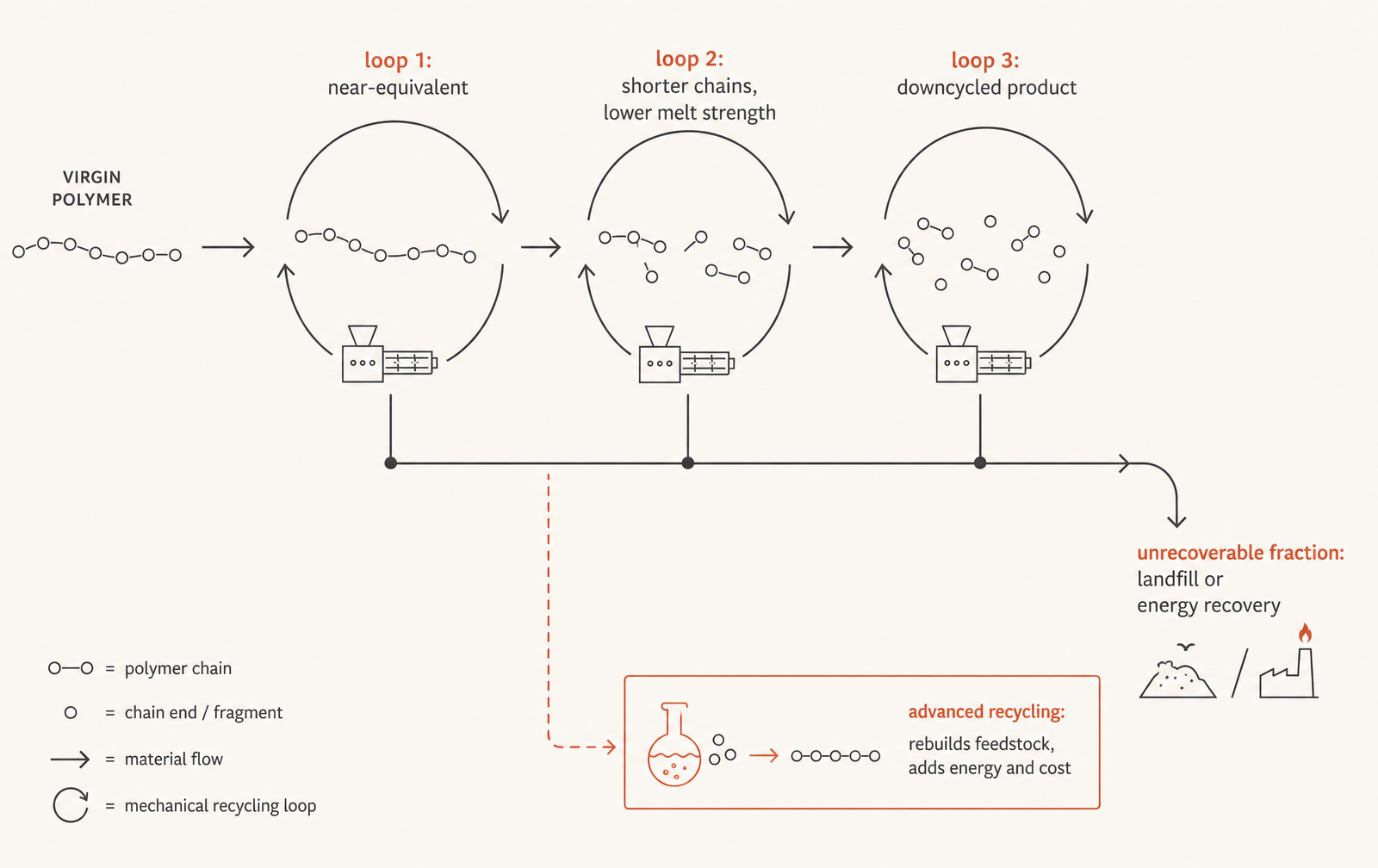
Metals and glass survive remelting largely intact. Polymers do not. Every mechanical loop shortens chains, and the recycling symbol says nothing about how many loops a package will realistically get.
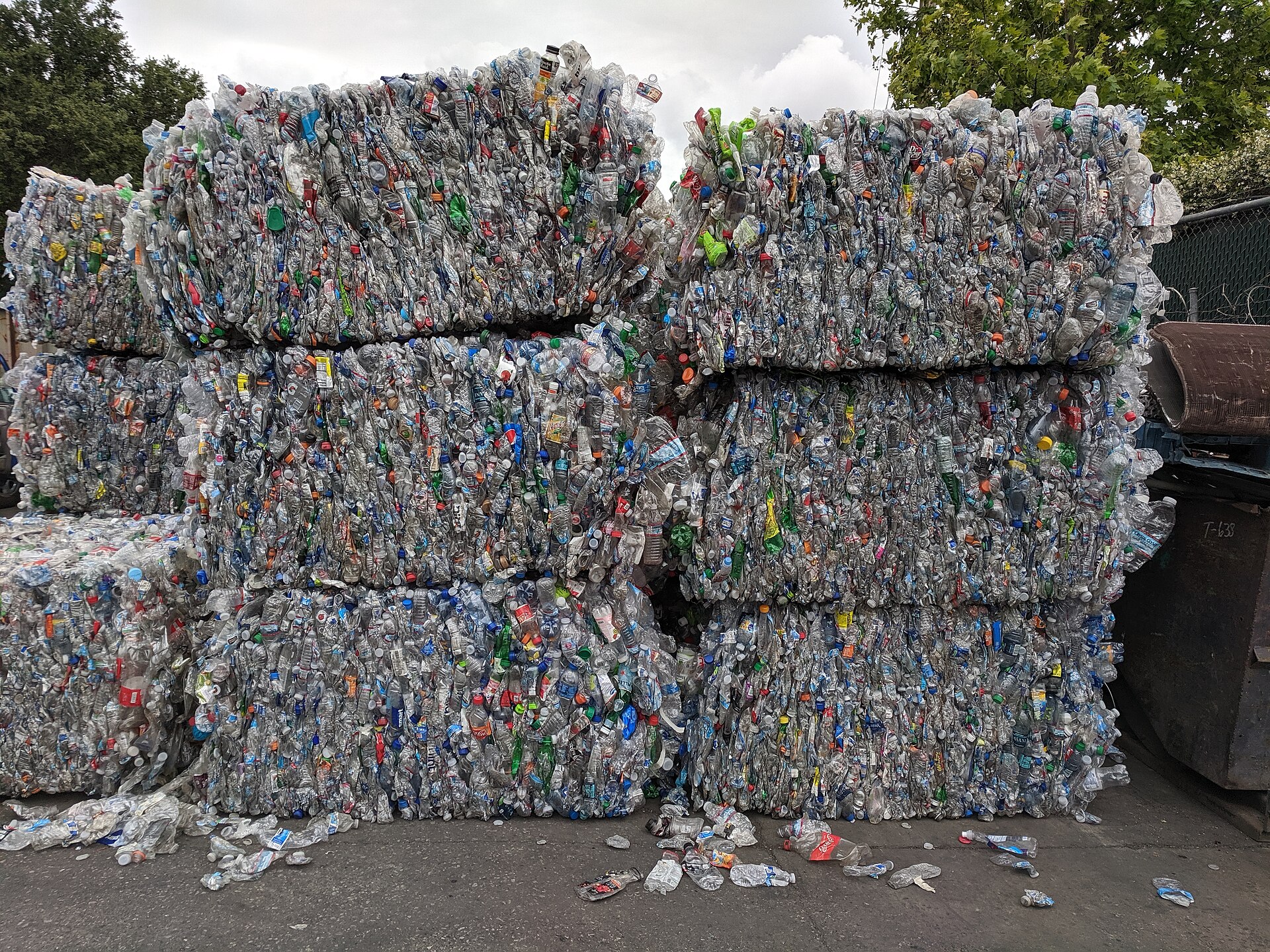
"Recyclable" is routinely heard as "infinitely circular". For aluminium that is close to true. For plastic it is not, and the reason is chemistry rather than logistics.
The claim
If a package carries a recycling symbol - or gets accepted once - it can be recycled indefinitely into an equivalent new package.
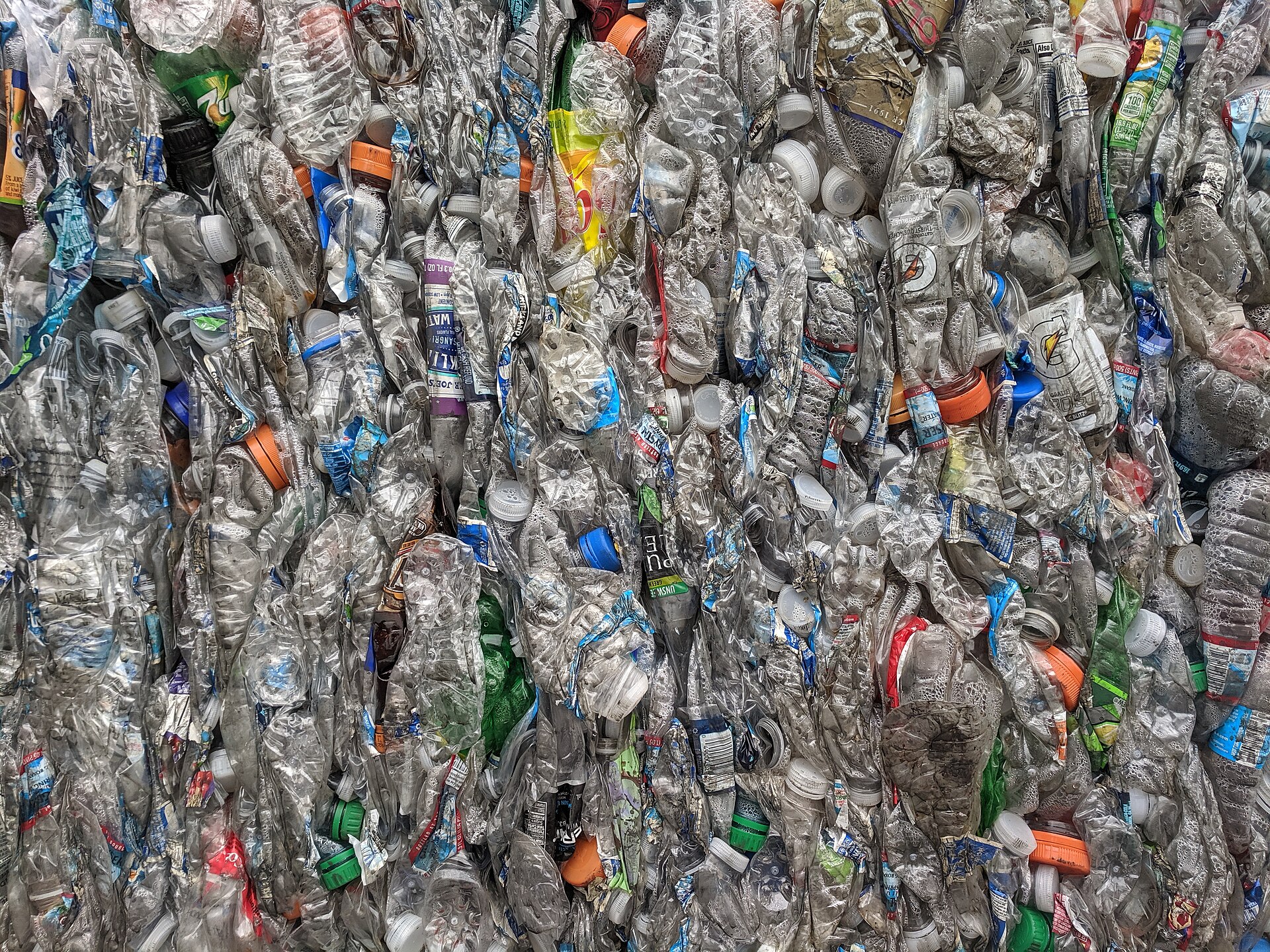
Mechanical recycling sorts, cleans, shreds and melts plastic without rebuilding its chemical building blocks. Heat, shear, oxygen, additives, mixed resins and contamination change molecular weight and performance with every pass.
A peer-reviewed study of repeated polypropylene processing reported progressive degradation in the material's molecular and flow properties across successive cycles. Nothing dramatic happens on loop one. The chains just get shorter, and the melt behaves slightly differently each time.
Recyclable in principle, rejected in practice
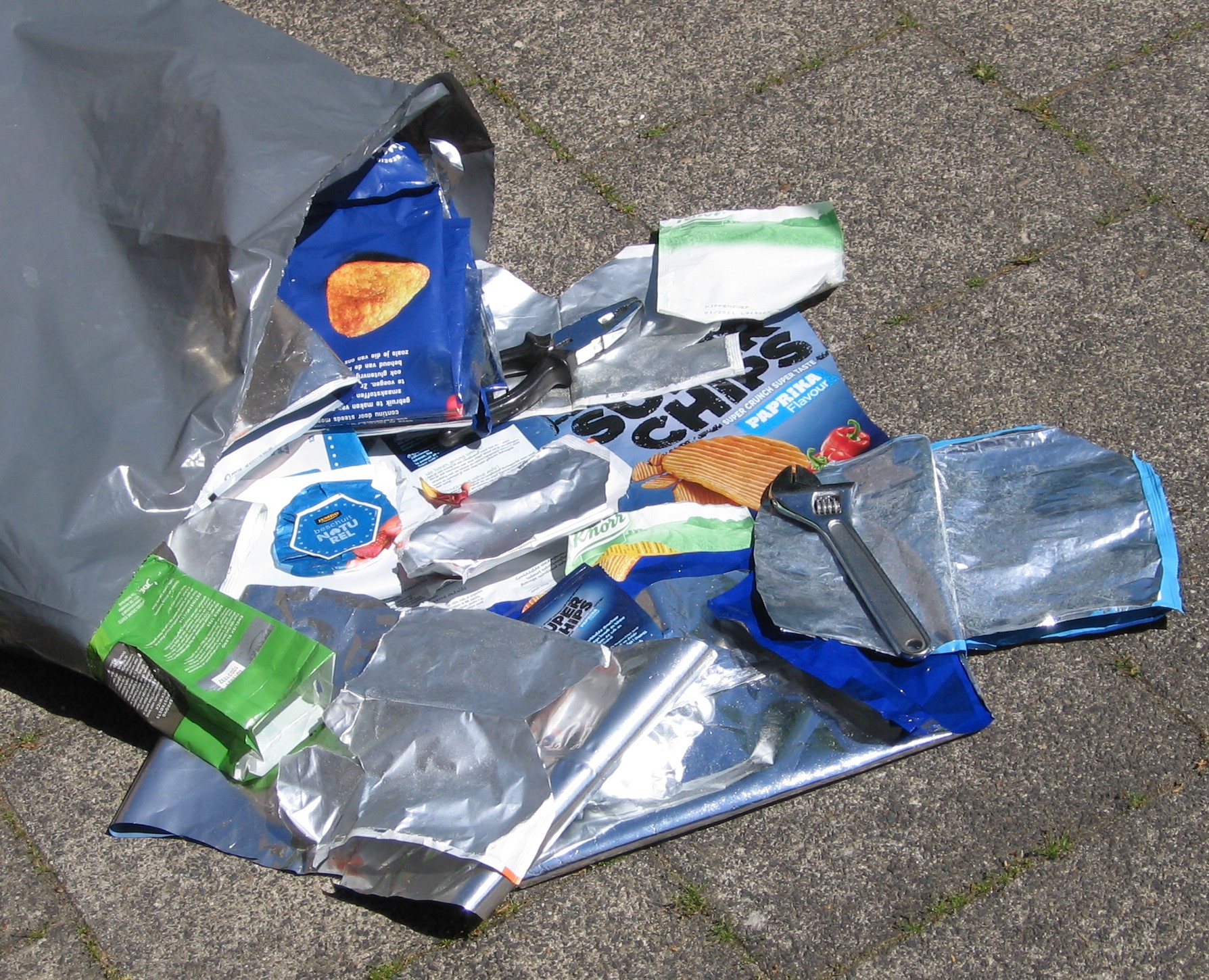
Not every resin or format has a stable collection-and-market pathway. A package can be technically recyclable in a controlled process and still be rejected by your local programme, lose quality in processing, or come out as a lower-spec product rather than another food-contact package.
It has a triangle on it, so my programme takes it.
The symbol identifies a resin family. Acceptance is set by your local programme and by whether a buyer exists for that bale.
What advanced recycling does and does not change
Chemical and thermal processes can break polymers back down into feedstocks, and EPA frames advanced recycling as a complement to mechanical recycling for difficult streams. Complement is the operative word. It rebuilds molecular quality at the cost of energy, and it brings its own contamination, emissions and economic constraints. It does not turn every plastic into an endless loop.
The practical takeaway
The promise
Recycling still extends material life, still displaces some virgin feedstock, and works well when a clean, compatible stream has collection, processing capacity and a buyer at the other end.
The catch
It is not an infinite loop. Quality loss, contamination, sorting limits, additive chemistry and weak end markets mean some plastic is downcycled, some is rejected, and some is landfilled or burned. Advanced processes shift those limits; they do not remove them.
Should packaging companies have to disclose the realistic number of recycling loops and the actual end market for a package, rather than only printing a symbol?
References and image credits›
- 01US EPA - Advanced Recycling of Plastics
- 02US EPA - Plastics: Material-Specific Data
- 03Polymers - Degradation during multiple mechanical recycling cycles of polypropylene
Photo: via Wikimedia Commons · Diagram: The Waste Stack · Photo: via Wikimedia Commons · Photo: via Wikimedia Commons