
Cornell’s DEER process repairs electrodes before they become black mass
An electrochemical bath preserves electrode structure, but coin-cell recovery is not yet a pack-scale recycling service.
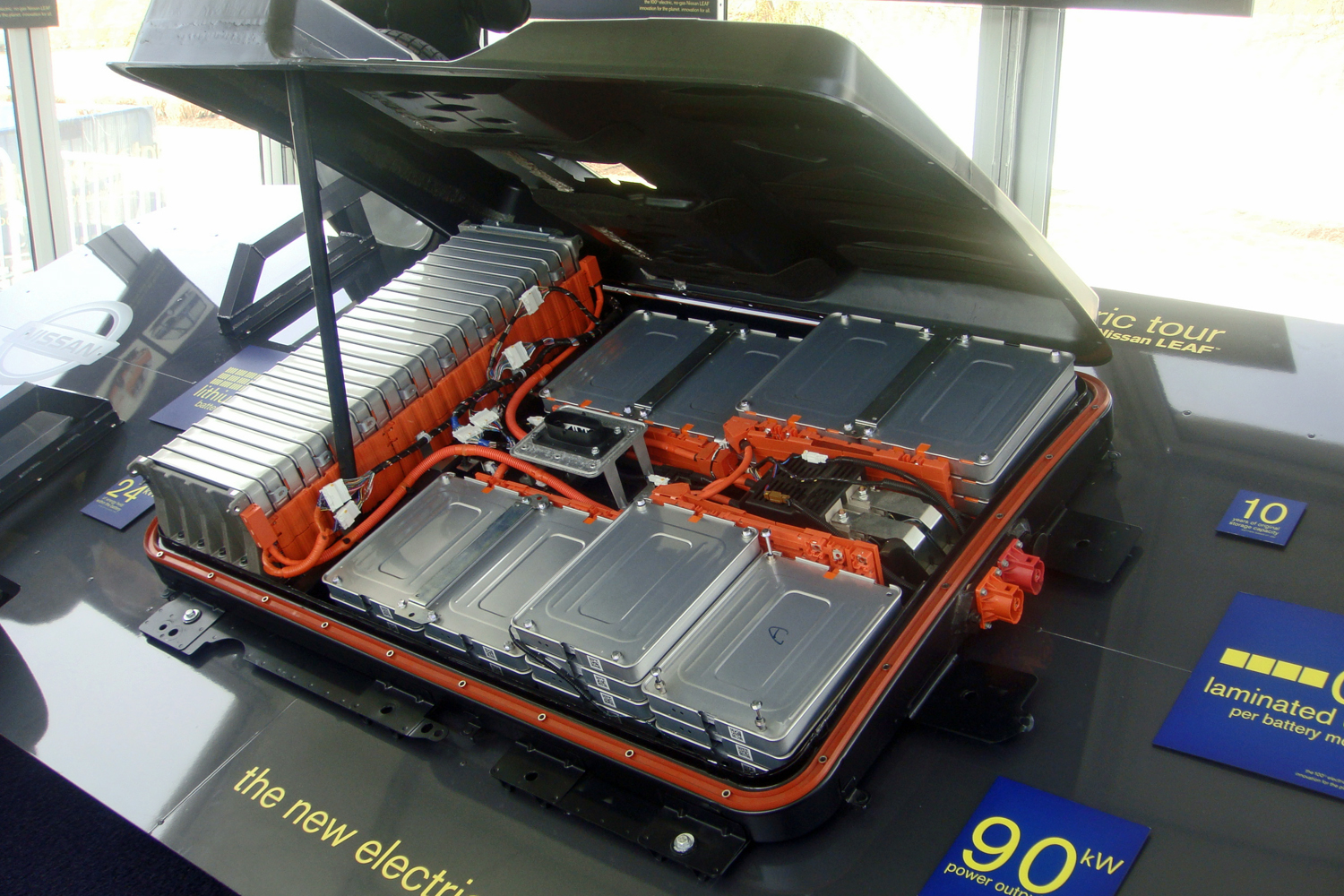
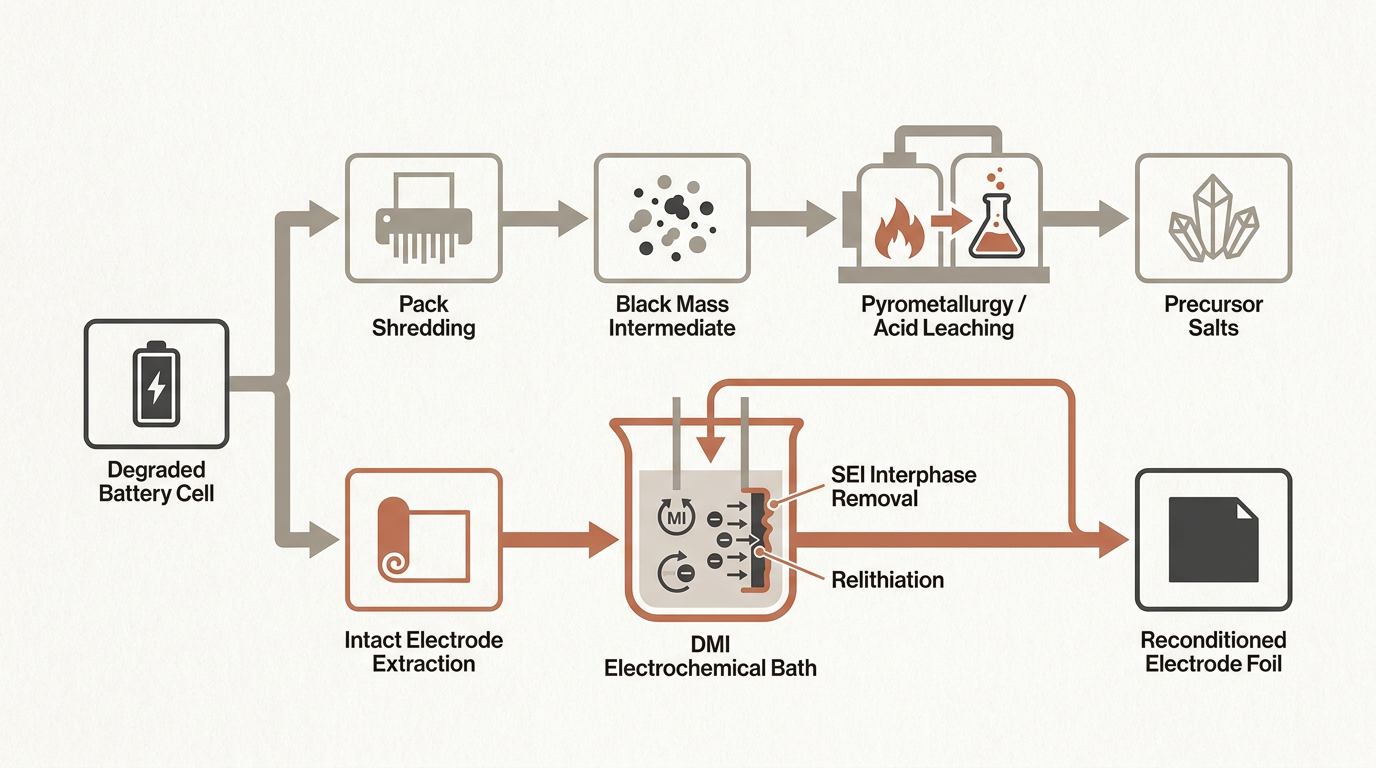
Conventional recycling often destroys a battery’s engineered electrode structure to recover its constituent materials. In today’s dominant industrial flow, spent lithium-ion battery packs are discharged, mechanically dismantled, and fed into shredders. The resulting intermediate product—known as black mass—is an indiscriminate powder containing cathode active compounds, anode graphite, conductive carbon, residual current collector fragments, and binder breakdown products. Extracting battery-grade precursor salts from black mass requires high-temperature pyrometallurgy or acid-intensive hydrometallurgy. Both approaches consume significant energy, generate chemical waste, and entirely erase the crystalline orientation, particle morphology, and coating architecture that manufacturers spent immense capital to create.
Direct Electrode-to-Electrode Regeneration, or DEER, asks whether some electrodes can be repaired before that destructive step. Developed by researchers at Cornell University, the process operates on a straightforward thermodynamic and economic premise: if the underlying crystal framework of an electrode remains largely intact, erasing that microstructure down to basic metal sulfates is an unnecessarily wasteful intervention. Instead of tearing the materials down to the elemental level, direct regeneration attempts to clear away degradation artifacts and restore lost lithium while keeping the coatings bonded to their substrate.
Preserving what still works
Cornell’s research describes removing electrodes intact on their current collectors and treating them in a bath containing 1,3-dimethyl-2-imidazolidinone, or DMI. The treatment targets degradation associated with interfacial layers rather than reducing the whole electrode to separate elements. In a typical lithium-ion cell, active particles are bound together with polymeric binders such as polyvinylidene fluoride (PVDF) and adhered to microscopic aluminum or copper foils. Shredding these thin foils turns an ordered laminate into a contaminated composite slurry that demands complex mechanical sorting before chemical leaching can even begin.
By contrast, keeping the electrode intact on its original current collector avoids the costly de-binding and re-slurrying steps that complicate traditional direct recycling methods. In conventional direct recycling routes, operators must calcine or dissolve the fluorinated binder to liberate the active particles, recondition them in thermal furnaces, and then recast them onto fresh foil. The DEER architecture treats the foil-supported electrode as a pre-assembled component, attempting to rejuvenate the active surface without stripping the coating.
Interfacial chemistry and the role of DMI
The solid electrolyte interphase is a layer associated especially with the anode surface; it is not simply a sheet sitting between two electrodes. Some interphase formation is necessary for operation, while unwanted growth and other degradation processes can limit performance. During the first charging cycles of a fresh battery, the electrolyte decomposes at the reducing potential of the graphite anode, forming a passivation film known as the solid electrolyte interphase (SEI). An ideal SEI conducts lithium ions while electrically insulating the electrode surface, preventing continuous electrolyte consumption.
Over hundreds of operational cycles, however, repeated volume expansion, mechanical micro-cracking, and parasitic side reactions cause the SEI to thicken unevenly. This disordered growth immobilizes active lithium into dead inorganic salts, clogs transport pores, and drastically increases cell impedance. The solvent chosen in the Cornell work, 1,3-dimethyl-2-imidazolidinone (DMI), serves as a stable, polar aprotic medium for an electrochemical bath designed to strip or chemically restructure these passivating layers.
By providing a controlled chemical environment, the bath enables interfacial rehabilitation: dissolving resistive surface deadweight, renewing passivated interfaces, and electrochemically replenishing lost active lithium ions. The chemistry focuses entirely on resolving the degradation of the boundary layers that stifle charge transfer, leaving the bulk crystalline host intact.
What the demonstration establishes
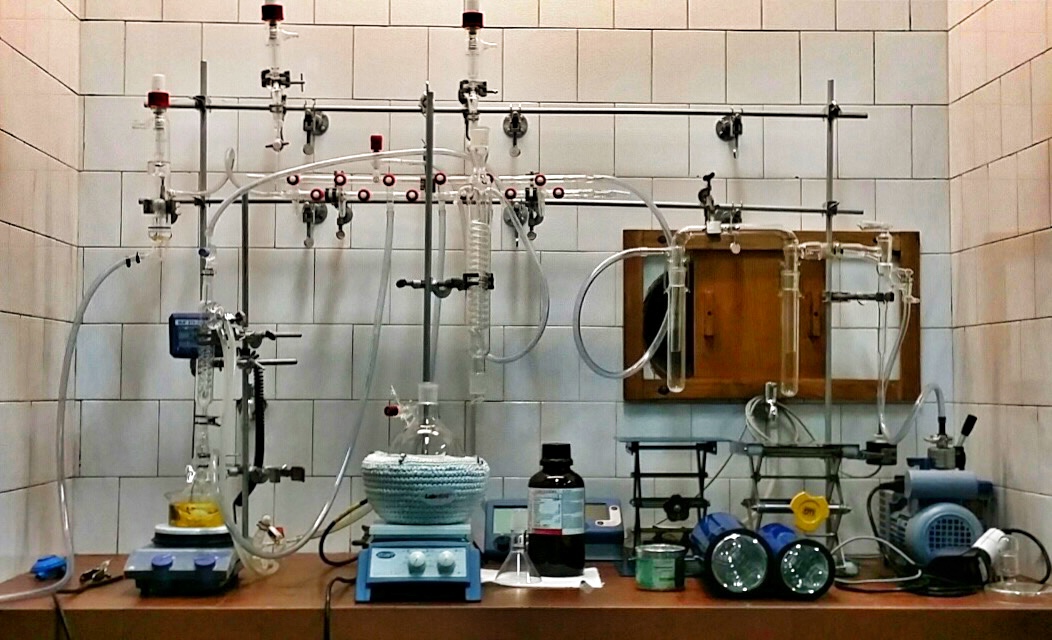
The reported recovery of up to 95% refers to capacity, not a universal recovery of “power” or battery lifetime. The work is demonstrated at coin-cell scale. A techno-economic analysis projects a substantial manufacturing-cost advantage; it is not a bill from an operating commercial plant.
Capacity recovery measures how much charge an electrode can store when cycled slowly under benign benchtop conditions. It does not measure high-rate discharge capability, mechanical adhesion under vibrational stress, or cycle life when exposed to cold temperatures. In coin cells, pristine counter-electrodes and flooded electrolyte volumes can mask secondary aging effects that become catastrophic in wound or stacked commercial cells.
Direct electrochemical regeneration offers a plug-and-play replacement for conventional shredding and hydrometallurgical recycling across all retired packs.
Interfacial restoration only works on physically sound electrodes with intact current collectors; severely fractured materials, corroded foils, and mixed scrap still require full breakdown into black mass.
Furthermore, project-level financial models always show high margins when extrapolating clean solvent reactions to industrial throughputs. A laboratory techno-economic model assumes steady feedstock streams, low solvent degradation rates, and uniform cell geometries. Real recycling facilities operate in an environment of complex scrap mixtures and variable input qualities, where process chemistry is often dictated by impurity tolerances rather than ideal reaction kinetics.
Pack-level realities and industrial sorting
Real battery packs contain different chemistries and damage histories. Cathode structural changes, lithium inventory loss, corrosion and mechanically damaged components may not be repaired by the same treatment. Sorting and diagnosing suitable electrodes become essential.
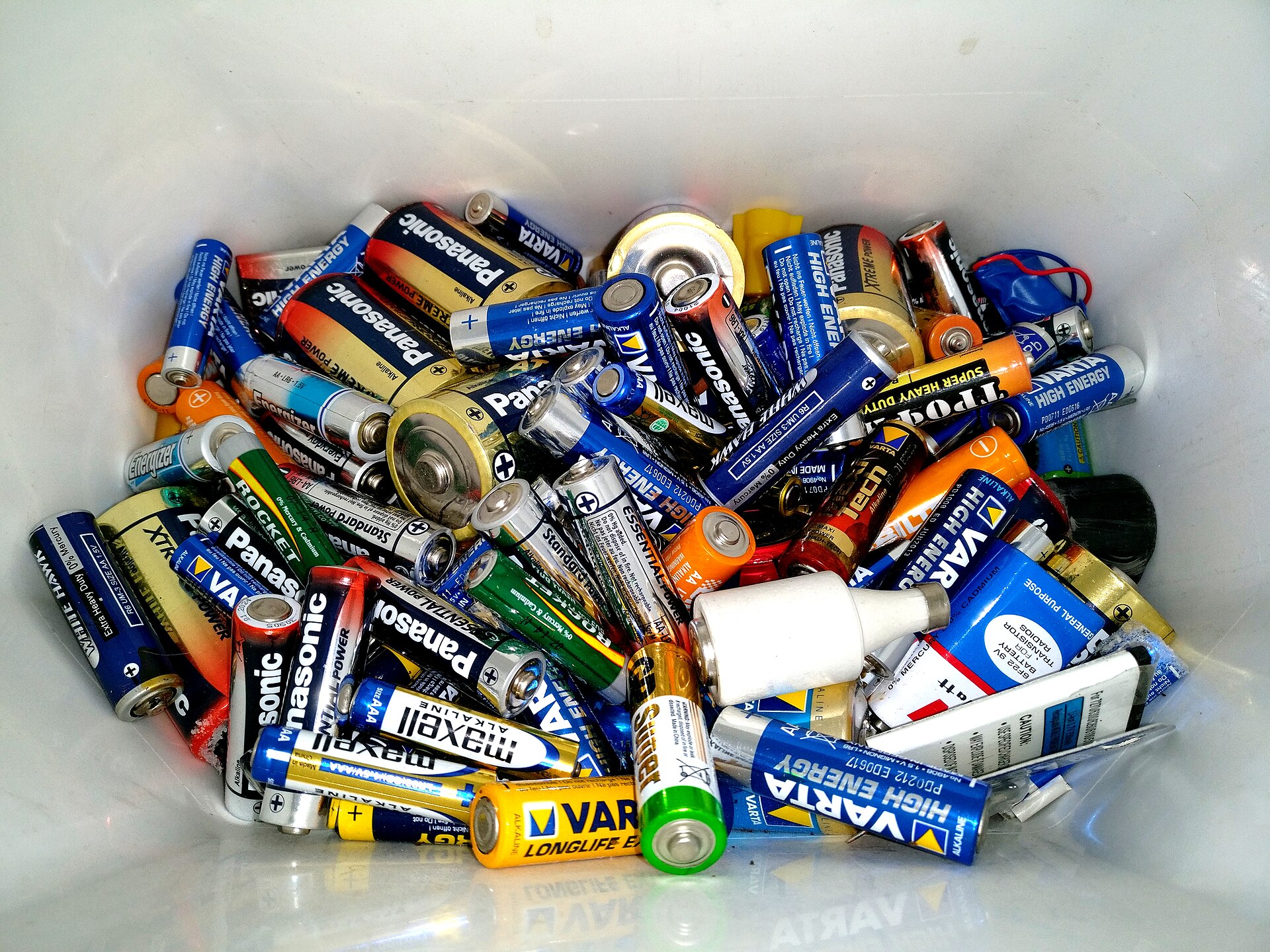
Automotive packs that reach end-of-life do not degrade symmetrically. One module may suffer from transition metal dissolution from the cathode, while another experiences localized lithium plating on the anode, severe copper foil dissolution from over-discharge, or binder delamination caused by thermal stress. A chemical bath that excels at restructuring interfacial layers cannot mend cracked single-crystal particles, un-corrode current collectors, or heal structural phase transitions inside nickel-rich layered oxides.
To make direct regeneration viable, recyclers would need automated diagnostics capable of non-destructively assessing whether a decommissioned module contains intact electrodes worth saving, or whether structural fatigue has progressed so far that shredding remains the only technically sound choice.
The next scale-up test
Safe disassembly, solvent recovery, electrode handling and reassembly all have to work consistently. The method is a specialist industrial research process, not a way to revive batteries at home.
Extracting intact electrode sheets from glued, compressed, and pouch- or prismatic-welded pack enclosures requires mechanical precision that commercial battery dismantlers do not currently possess. Once extracted, running fragile, meter-long foil webs through an organic solvent bath demands specialized continuous-roll equipment designed to avoid tearing brittle substrates or stripping wet coatings. Closed-loop recovery of DMI will also be non-trivial: the solvent must be continually purified to remove stripped decomposition products, residual fluorine salts, and moisture without consuming excessive energy.
The insight is to preserve high-value structure when possible. The proof still needed is sustained regeneration of representative industrial cells, with measured lifetime, safety, throughput and a closed solvent balance.
References and image credits›
Photo: Mario Roberto Duran Ortiz, Wikimedia Commons, CC BY-SA 3.0 · Diagram: The Waste Stack · Photo: Miha Bukleski, CC BY 4.0 · Photo: Santeri Viinamäki, CC BY-SA 4.0