
Rise Reforming’s container: biogas to syngas is only the first conversion
A modular reactor could serve stranded gas sources, but downstream chemistry, contamination and energy determine the business.
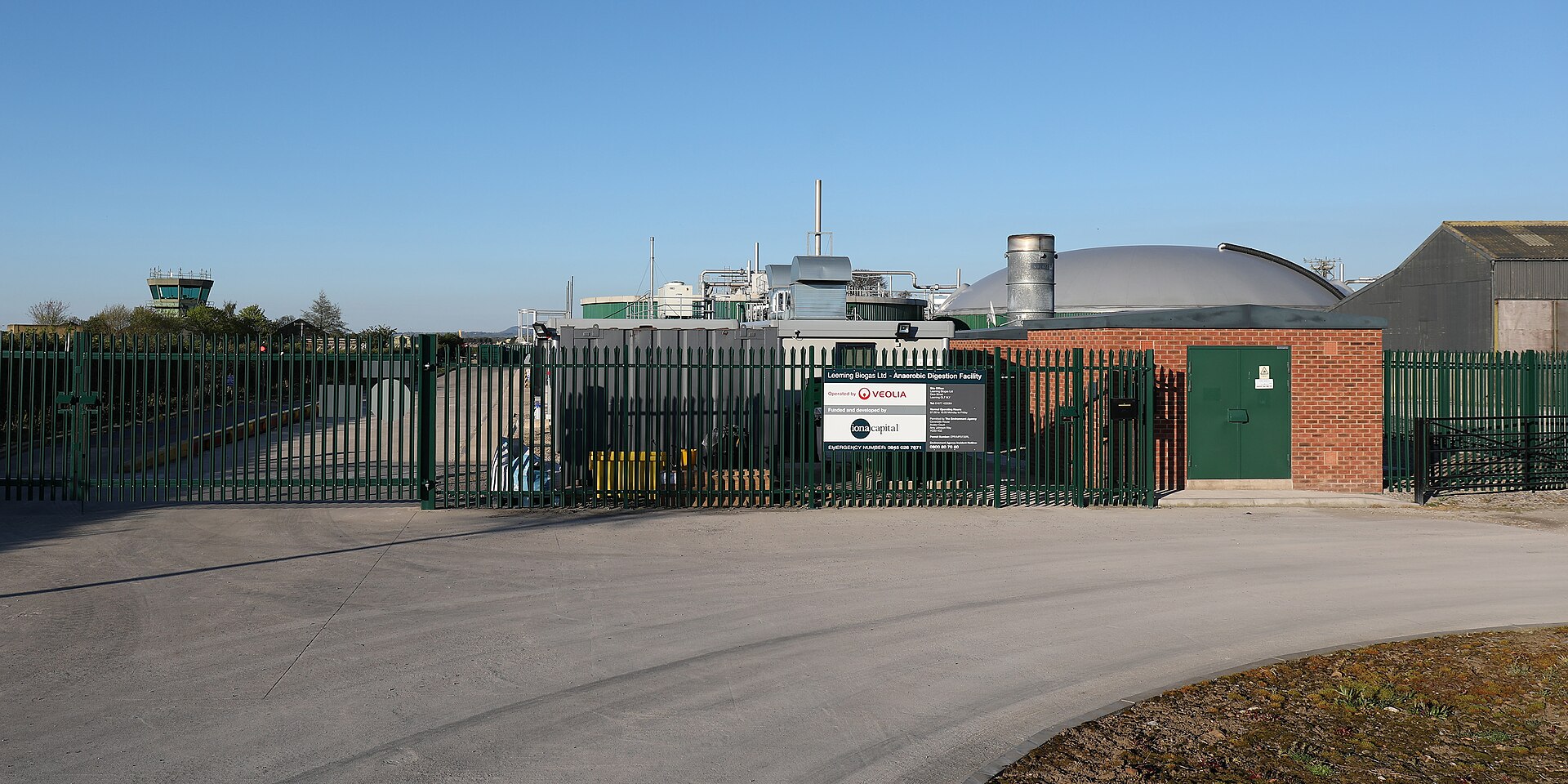
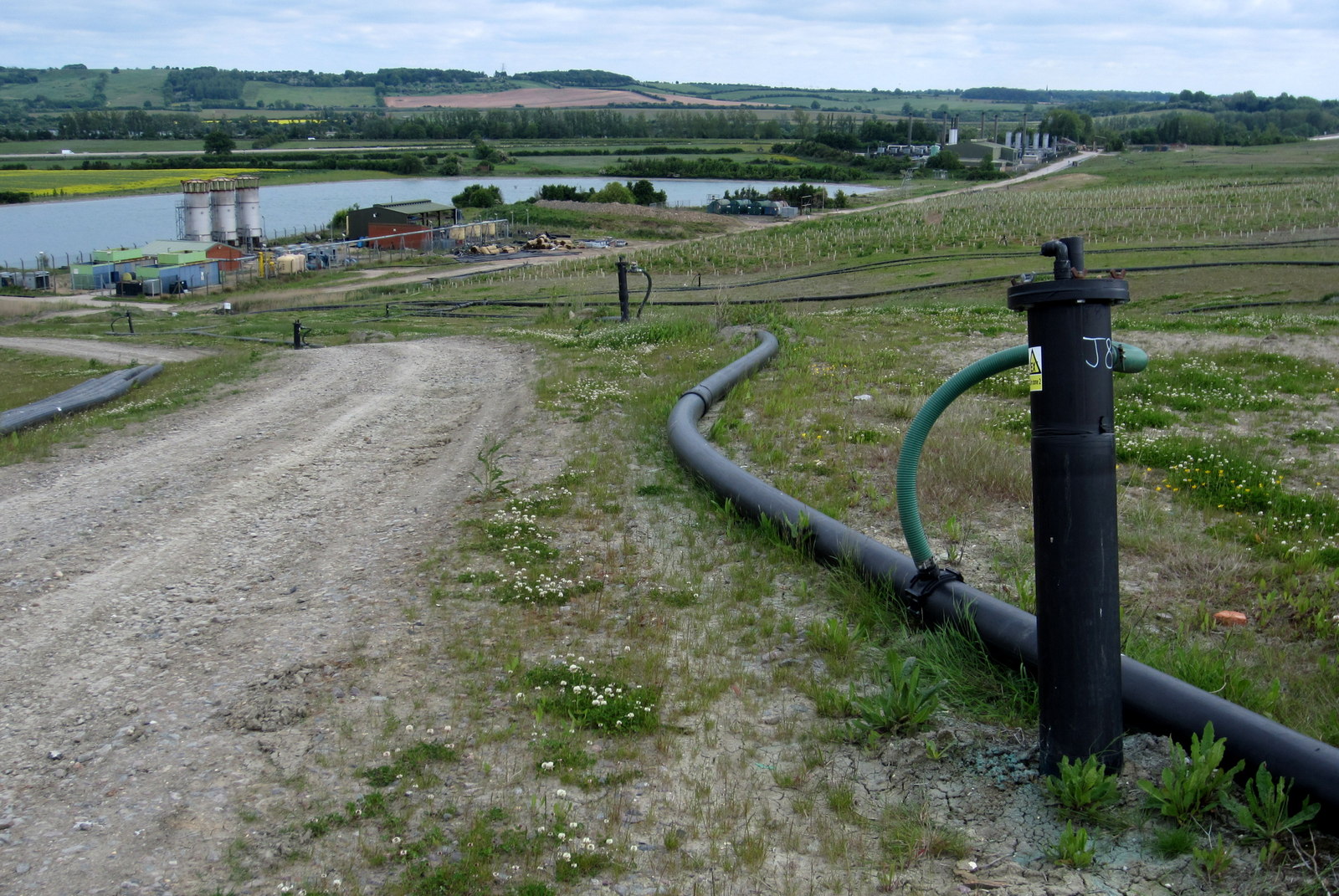
A small biogas source can be too remote or too variable for conventional chemical infrastructure. Across agricultural digesters, municipal wastewater treatment plants, and small landfills, anaerobic digestion generates a steady stream of methane and carbon dioxide. In traditional project development, converting this resource into a revenue stream requires heavy capital investment: either scrub the carbon dioxide out to produce pipeline-spec biomethane (renewable natural gas), burn the raw gas in a combined heat and power unit to sell electricity, or build dedicated pipeline interconnects to a regional distribution network. For many distributed or low-volume sites, the capital expenditure of grid interconnection or upgrading equipment is simply prohibitive. When pipeline connection costs run into millions of dollars, the gas is often flared or vented without economic utilization.
Rise Reforming proposes bringing the process to the source in container-sized modules instead of building a pipeline to a distant buyer. By packaging thermochemical conversion hardware inside standard shipping containers, modular engineering aims to lower site preparation overhead, shorten commissioning cycles, and unlock distributed, stranded methane sources that cannot justify permanent civil engineering works.
First make a chemical intermediate
Biogas contains methane and carbon dioxide alongside smaller amounts of contaminants. Reforming can convert the major components into syngas, a mixture of carbon monoxide and hydrogen. Thermodynamically, converting methane and carbon dioxide together is known as dry reforming of methane (DRM), governed by the endothermic reaction where one mole of methane reacts with one mole of carbon dioxide to yield two moles of carbon monoxide and two moles of hydrogen. Because biogas emerges naturally as a mix of roughly 50 to 65 percent methane and 35 to 50 percent carbon dioxide, dry reforming is an intellectually appealing route: in principle, both major components serve as chemical feedstocks rather than separating and discarding the carbon dioxide.
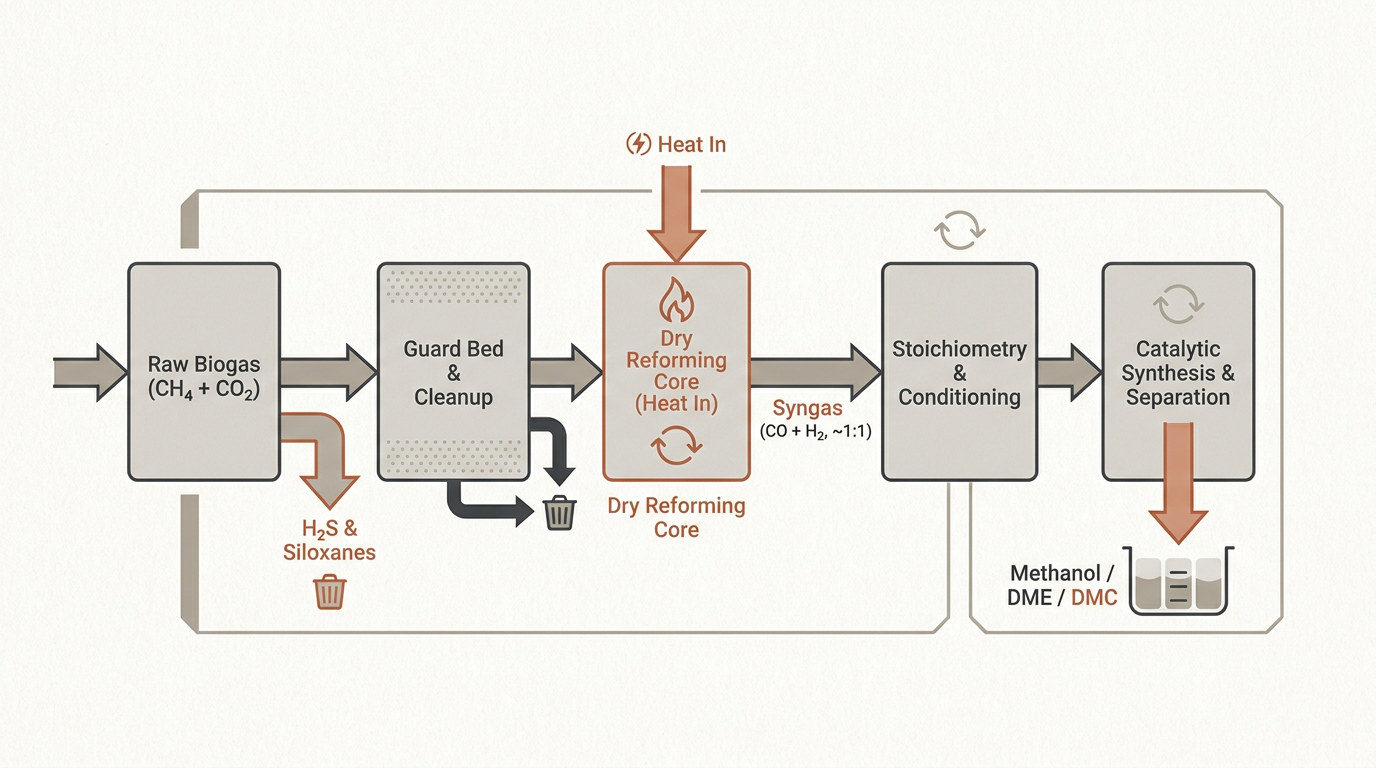
However, dry reforming produces a theoretical hydrogen-to-carbon-monoxide ratio of roughly 1:1, or slightly lower depending on secondary side reactions such as the reverse water-gas shift. The hydrogen-to-carbon-monoxide ratio and gas cleanliness affect what can be made next. Most commercial chemical synthesis loops require significantly different stoichiometry. Methanol synthesis, for instance, requires a stoichiometric module—calculated as the molar ratio of hydrogen minus carbon dioxide over carbon monoxide plus carbon dioxide—close to 2.05 to 2.1 to prevent catalyst deactivation and maximize single-pass yields. When syngas leaves a primary dry reformer with an equimolar ratio, it cannot immediately enter a standard methanol reactor without supplementary hydrogen, steam reforming integration, or carbon removal.
Methanol synthesis is a further catalytic step. Dimethyl ether and dimethyl carbonate require their own downstream chemistry and product purification. Listing three potential products does not establish simultaneous commercial production of all three. Dimethyl ether can be produced via two-step methanol dehydration or direct synthesis over bifunctional catalysts, while dimethyl carbonate typically requires oxidative carbonylation or reacting methanol with urea or carbon dioxide. Each synthetic pathway demands unique operating pressures, temperature envelopes, dedicated multi-stage catalyst beds, recycle loops, and continuous condensation and distillation systems to strip out unconverted syngas, water, and organic byproducts.
What 1,800 hours tells us
The company reports more than 1,800 hours of stable syngas production and pilot development. That is a useful endurance milestone for that stage, not a measured production rate or a complete cost balance for finished chemicals. In catalytic dry reforming, running continuously for 1,800 hours—equivalent to roughly two and a half months of steady operation—is an encouraging technical indicator. Dry reforming is notoriously prone to rapid catalyst deactivation through carbon deposition (coking), where methane cracking and the Boudouard reaction deposit solid carbon filaments directly onto active metal sites, blinding the catalyst and spiking reactor backpressure.
Operating a containerized reformer for 1,800 hours demonstrates readiness for commercial, distributed chemical manufacturing at stranded biogas sites.
Pilot endurance demonstrates basic catalyst resistance to coking under controlled test conditions, but leaves out throughput volume, thermal efficiency, catalyst replacement cycles, and finished product economics.
The claims come from company and accelerator descriptions. Module throughput, saleable output, catalyst replacement, heat demand and full operating costs remain important missing details. Reaching 1,800 hours of syngas generation does not disclose the mass flow rate of gas converted per hour, the thermal duty supplied to sustain the highly endothermic reaction, or whether supplemental electric heating or combustion was used. Syngas is an intermediate gas, not a liquid fuel in an off-take tanker. Without verified data on continuous conversion efficiency and parasitic energy loads, the unit economics of a deployed container remain undefined.
Raw gas still has contaminants
“No upgrading” should not be read as proof that no gas cleaning is necessary. Hydrogen sulfide, siloxanes and other compounds vary by source and can damage catalysts or contaminate products. A representative wastewater-site pilot must establish how these are handled.
Biogas drawn from agricultural slurry or industrial digesters often carries hydrogen sulfide concentrations ranging from a few hundred to several thousand parts per million. Transition metal reforming catalysts, particularly nickel- or noble-metal-based formulations, are vulnerable to sulfur poisoning: sulfur atoms chemisorb strongly to active metal surfaces, irreversibly suppressing reforming activity at concentrations well below one part per million. Landfill and municipal wastewater gas streams introduce volatile methyl siloxanes; upon combustion or high-temperature catalytic exposure, siloxanes decompose into microcrystalline silicon dioxide, creating abrasive, glassy deposits that foul heat exchangers and coat catalytic surfaces permanently.
Even if a reforming process can tolerate carbon dioxide without upgrading the methane to pipeline specifications, it cannot ignore these trace poisons. Upstream guard beds—typically packed with sacrificial metal oxides, activated carbon, or thermal regenerators—must be integrated to scrub sulfur, moisture, and siloxanes before gas meets the reforming core. The cost of replacing consumables on these guard beds often forms a significant fraction of operating expenditure on dirty distributed gas feeds.
Downstream balance of plant and modular reality
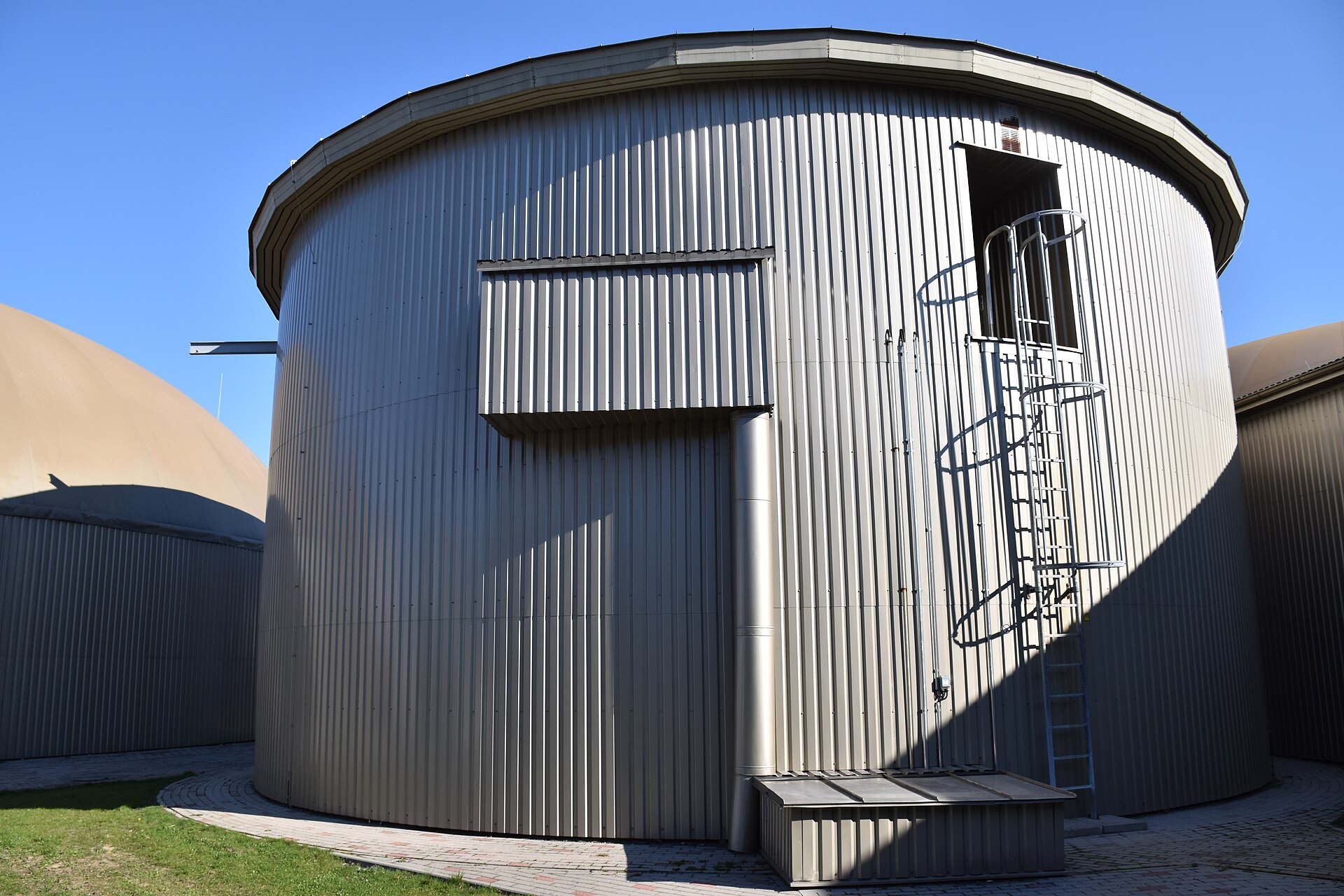
A container can reduce installation barriers; it does not remove chemical engineering. Shrinking high-temperature, high-pressure synthesis into an ISO shipping container creates acute engineering trade-offs. While large chemical complexes rely on economies of scale to amortize heavy compressors, extensive heat integration networks, and complex distillation columns, a modular skid must operate autonomously, fit within tight dimensional footprints, and tolerate fluctuating raw gas flow rates from seasonal anaerobic digestion.
Furthermore, moving from syngas to liquid commodities introduces regulatory, transport, and hazardous materials logistics. Methanol and dimethyl ether are flammable liquids or pressurized gases subject to stringent storage, containment, and road-transport codes. Delivering tanker-truck volumes of chemical products from rural farms or remote wastewater facilities requires local certification, active flare systems for process upsets, and off-takers willing to accept decentralized, batch-scale volumes. The relevant next evidence is a sustained waste-gas-to-product balance, including energy, emissions, purity and reliable delivery to an actual buyer.
References and image credits›
Photo: The joy of all things, CC BY-SA 4.0 · Diagram: The Waste Stack · Photo: via Wikimedia Commons, CC BY-SA · Photo: Vasyatka1, CC BY-SA 4.0