
Coway's Microbial Food Waste Disposer: 0.7 kg a Day and One Unverified Number
Coway has launched a kitchen unit that digests food scraps with microbes cultured from doenjang rather than grinding and drying them. The mechanism is genuinely different. The throughput ceiling and the missing data are the story.
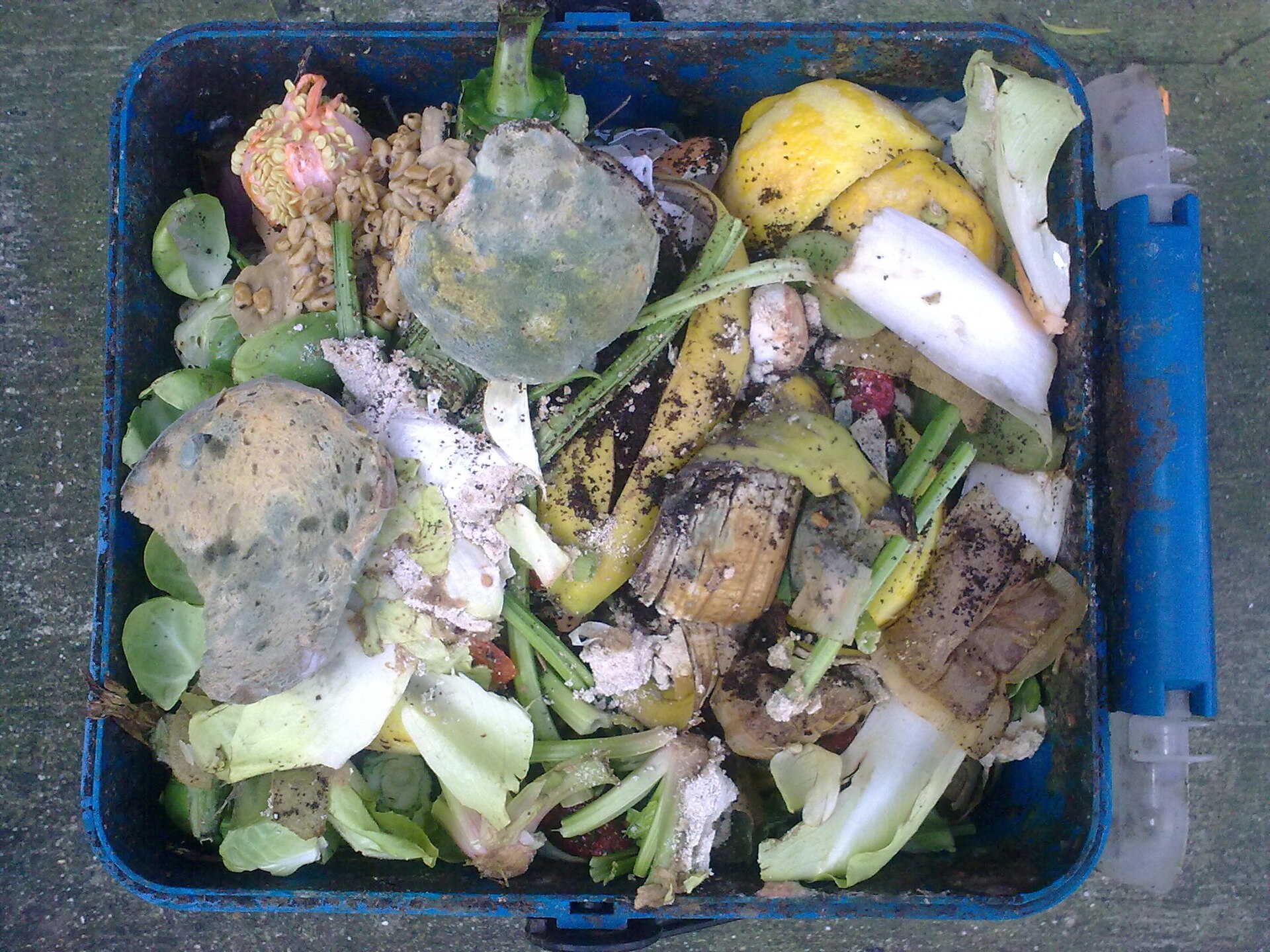
Coway has released a "Zero Food Waste Disposer Microbial Model" — a countertop unit that breaks scraps down biologically instead of heating and grinding them. It is a real mechanism change from the company's own grinder model launched in May, and it is worth separating the engineering from the marketing.
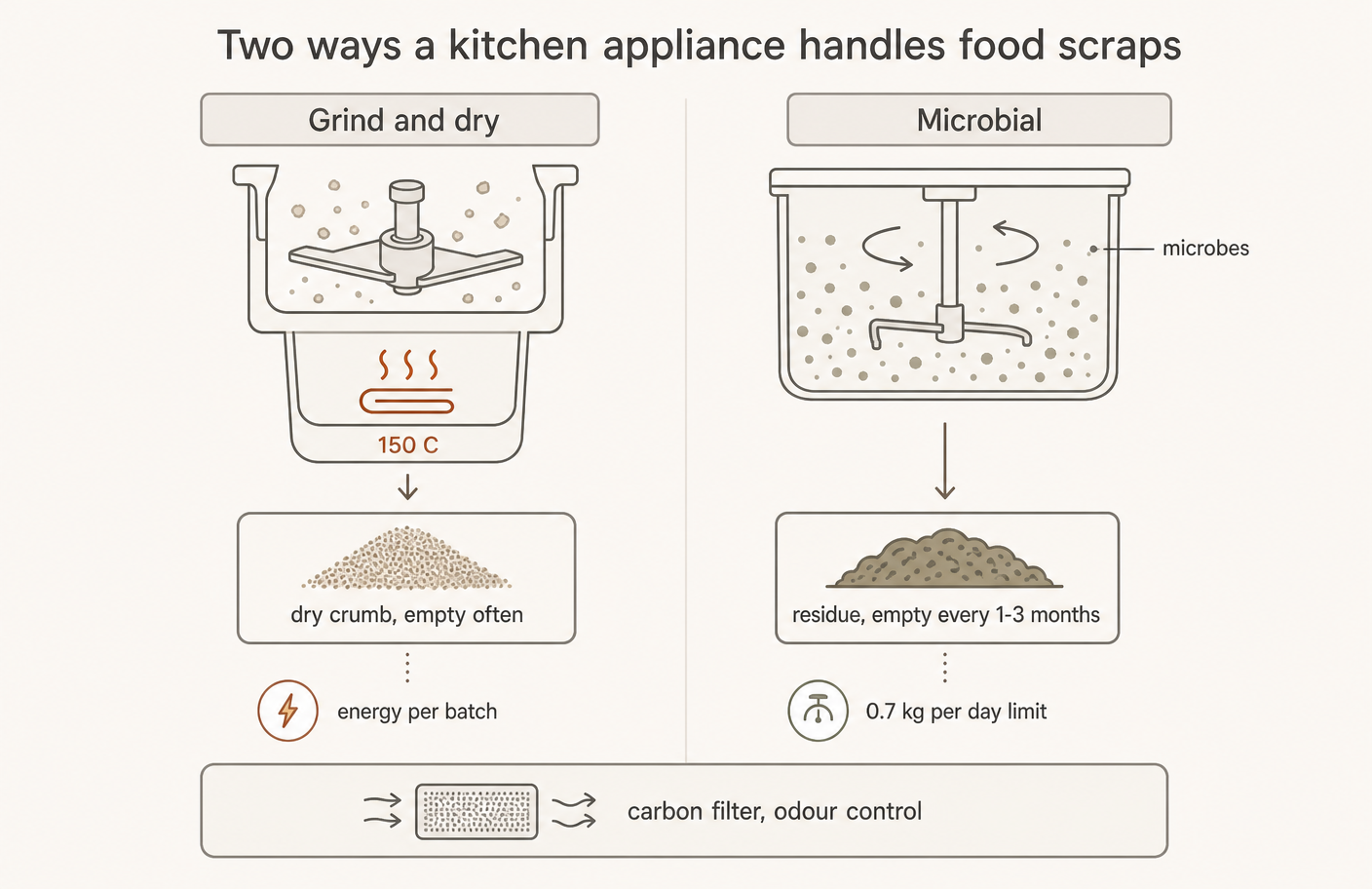
The two mechanisms, side by side
The grinder model uses 150 C heating and a four-blade grinding system. It is a dehydrator: it removes water, reduces volume fast, and leaves a dry crumb. The energy cost is paid per batch, and the bin fills quickly.
The microbial model does the opposite. A chamber holds a microbial culture — patent-pending strains derived from doenjang, traditional Korean fermented soybean paste — and food is added continuously as it is generated. The microbes hydrolyse and oxidise the organic fraction; most of the mass leaves as carbon dioxide and water vapour. What remains is a small residue.
The genuinely useful design decision is the pre-established culture. Most microbial units require a cultivation period before first use, which is where consumer patience usually fails. Coway ships the unit ready to feed.
The numbers that are published
The emptying interval is the selling point and it follows directly from the mechanism: if most of the mass is leaving as gas and vapour, the residue accumulates slowly. That part is internally consistent.
The throughput ceiling is the constraint nobody advertises. A household of four generating typical food waste will sit at or above 0.7 kg on a normal day and well above it after a large meal. Overfeeding a microbial chamber is not a neutral event — it drops the culture into acidification, which is the failure mode that produces exactly the smell the appliance is sold to prevent.
The number that is not verified
"Removes 99% of eight types of odour and harmful gases" is a manufacturer figure with no named test method, no test house, and no filter service life.
Odour control here is doing two jobs at once: a large activated carbon filter plus the microbial action itself, since a healthy aerobic culture produces far less sulphide and amine than an anaerobic one. Carbon filters saturate. Without a stated replacement interval and a measured breakthrough point, the 99% figure describes a new unit under test conditions, not a unit in month eight.
The missing disposal pathway
No volume-reduction percentage is published. No characterisation of the residue is published — salinity, maturity, phytotoxicity, C:N ratio. That matters, because the residue's only sensible destinations are a garden or a compost heap, and partially digested kitchen residue with high salt content is not automatically suitable for either.
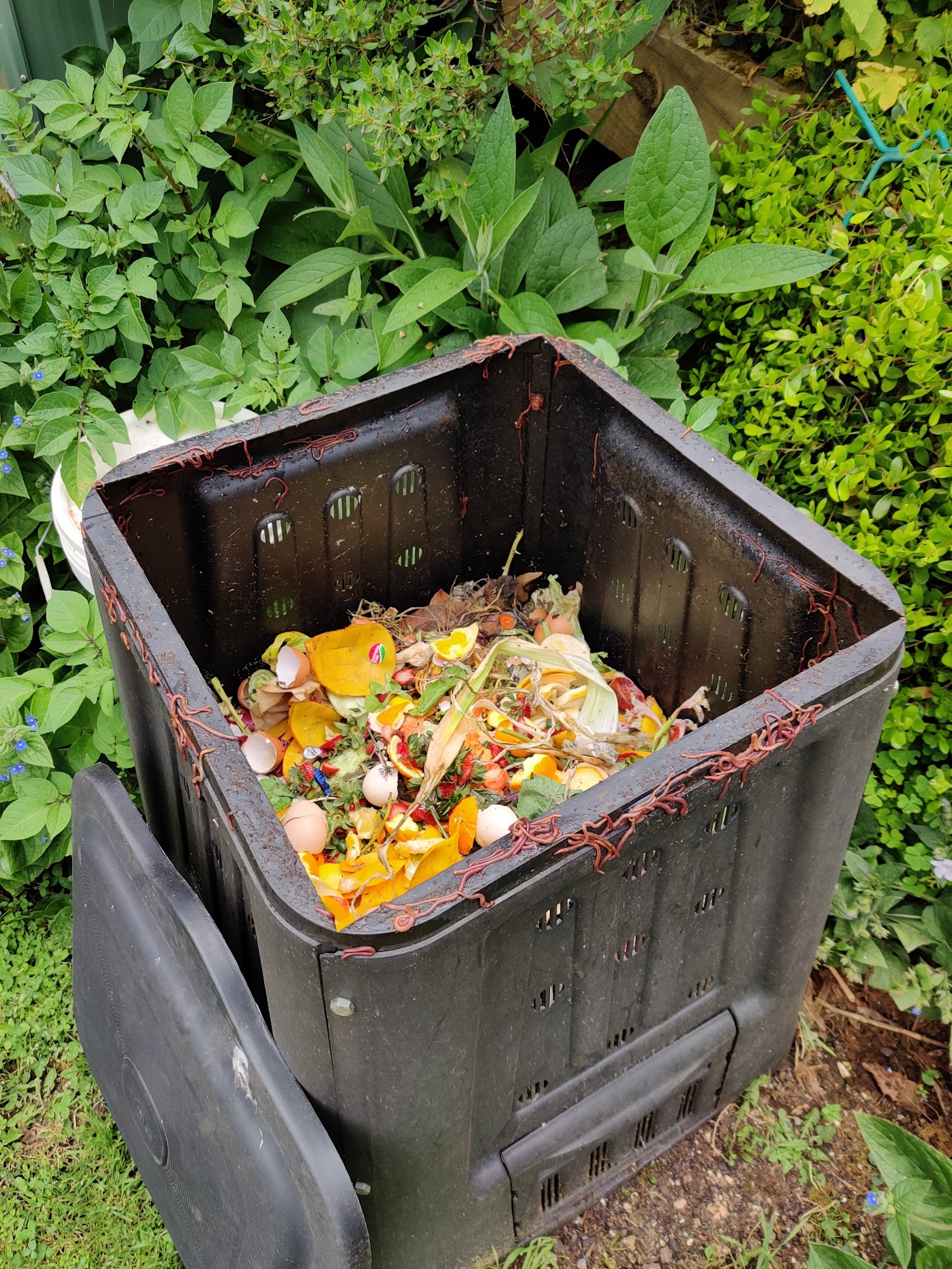
There is also no energy comparison against the grinder model, and none against the boring alternative: putting the scraps in a municipal food-waste caddy that already runs to anaerobic digestion, where the methane is captured and used.
The honest read
This is a well-considered appliance with a real mechanism advantage over dehydration, sold on one unverified number and sized for a household smaller than most. It is a convenience product, not a waste-management intervention. Where kerbside food-waste collection exists, the caddy still wins on carbon and on cost.
References and image credits›
- 01Seoul Economic Daily — Coway Launches Microbial Food Waste Disposer
- 02Seoul Economic Daily — Coway Launches Zero Food Waste Disposer (May 2026)
Photo: Nick Saltmarsh, CC BY 2.0 · Photo: PizzaToast, CC0 · P e z i, Wikimedia Commons, CC BY-SA 3.0 · Photo: Niwrat, Wikimedia Commons, CC BY-SA 4.0