
NYC curbside organics: 72.5% growth, 8% capture — and why enforcement stopped working
New York's mandatory food-scrap programme nearly doubled collection in FY2026. It still captures 8% of available organics, and a second round of ticketing barely moved participation.
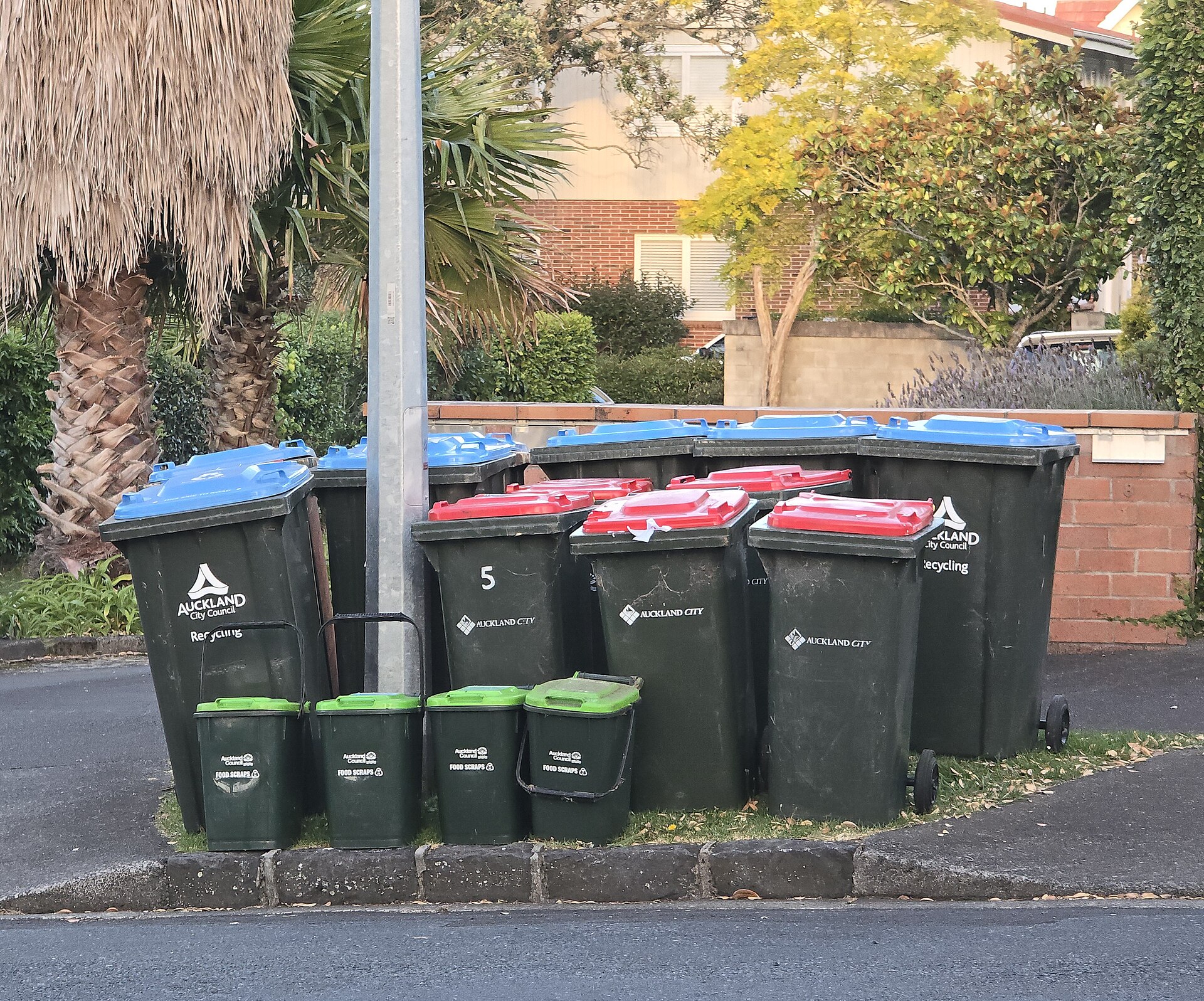
New York's mandatory curbside organics programme went citywide on October 7, 2024, covering nearly 3.4 million households — the largest in the U.S. Residents must separate food scraps and yard waste. A report by Samantha MacBride (Baruch College, formerly of DSNY) analysed how it is going.
The numbers
- FY2026: 103,403 tons collected, up 72.5% on FY2025.
- That is an 8% capture rate of available organics.
- DSNY projects 14% by 2030.
- 320 workers hired; $20.3 million planned spending.
The enforcement saga
- April 2025: ticketing begins. Nearly 5,000 tickets in about two weeks. Participation rises 5.6% — even in areas with no tickets.
- Two weeks later: enforcement paused amid confusion and political pressure.
- April 2026: ticketing resumes. Participation rises only 1%.
- 2026 to date: nearly 50,000 summonses to property owners.
Time and enforcement will push participation up.
MacBride: "The evidence to date does not support relying on the passage of time or enforcement alone." The second enforcement bump was a fifth of the first.
The first round worked as a signal — everyone heard about it. The second had no novelty left, and the flip-flop had already taught residents that rules might not stick.
The South Korea comparison
South Korea achieves over 95% food waste separation through volume-based fees — pay by weight, often with RFID bins — plus centralised processing built out over a decade. The incentive is in every bag, not in occasional tickets.
What the programme gets right
Growth is real. The commercial waste zone rollout from October 1 in Brooklyn North and Upper Manhattan could add significant tonnage. Even 14% capture would divert roughly 180,000 tons a year from landfill and cut methane.
What it needs
A theory of change, as MacBride puts it: education tied to enforcement, a direct financial signal per household, and a target more ambitious than 14% by 2030. At 50,000 summonses a year, non-compliance is the norm, not the exception.
References and image credits›
- 01Waste Dive — New York City nearly doubles curbside organics capture, but has room to grow
- 02BBC Future — New York has a food waste problem. South Korea has already solved it
Photo: Nick Saltmarsh, CC BY 2.0 · Photo: Orionblackbrown, CC0