
Reading the BITS Pilani Wastewater Claim Line by Line
Six nines of disinfection, 90% organics removal, reusable water and biogas — announced without an energy balance, a cost figure, or a recovery yield. A teardown of what the numbers do and do not say.
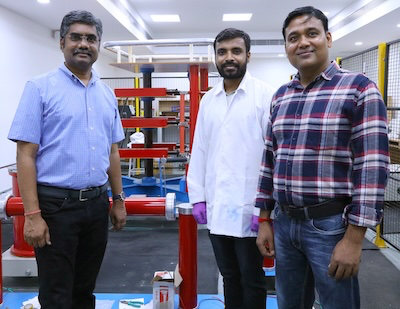
Announcement-stage technology gets reported in the language of finished technology. This teardown separates what was measured from what was implied.
The headline numbers
A percentage without a flow rate and an energy figure is a performance claim, not a performance specification.
Both figures are stage-level, not system-level. A 6-log inactivation says how well the pulses kill under the conditions tested. It says nothing about the throughput at which that holds, the specific energy per cubic metre required to hold it, or the behaviour against spores and viral particles rather than vegetative bacteria.
The word "low-energy"
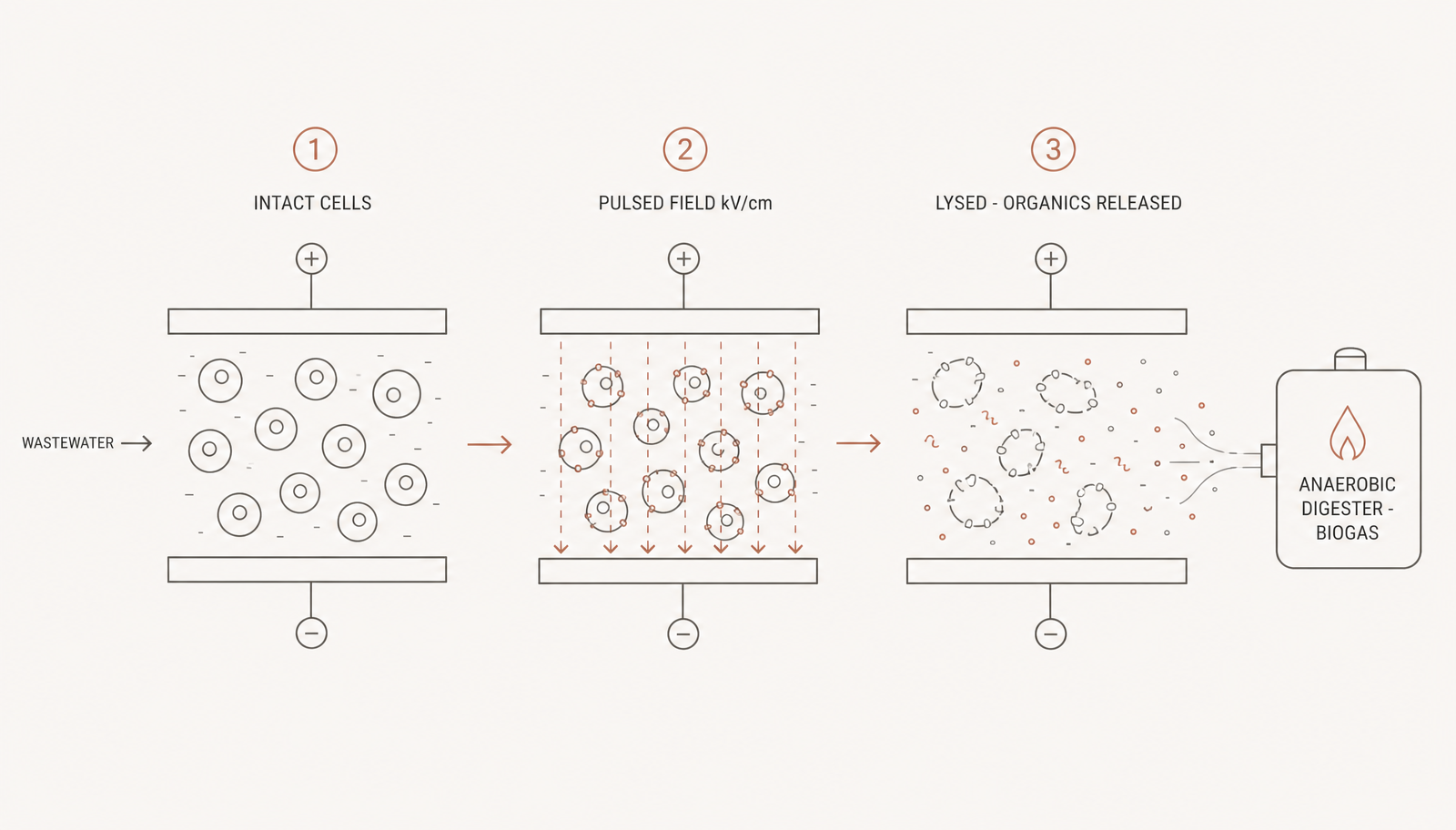
The technology is described as low-energy because it avoids thermal sterilisation and chemical dosing. That is a real saving. But pulsed electric fields are themselves electrically intensive, and the anaerobic digester is thermophilic — it runs hot and must be held there.
The net energy question is whether biogas recovery covers the digester's own heat demand plus the pulse generator's draw. Until someone publishes that balance, "low-energy" is a comparison to the worst incumbent, not a measured result.
The word "reusable"
In pharma, water quality is a compliance classification before it is a chemistry result. Any reuse claim needs to name the class.
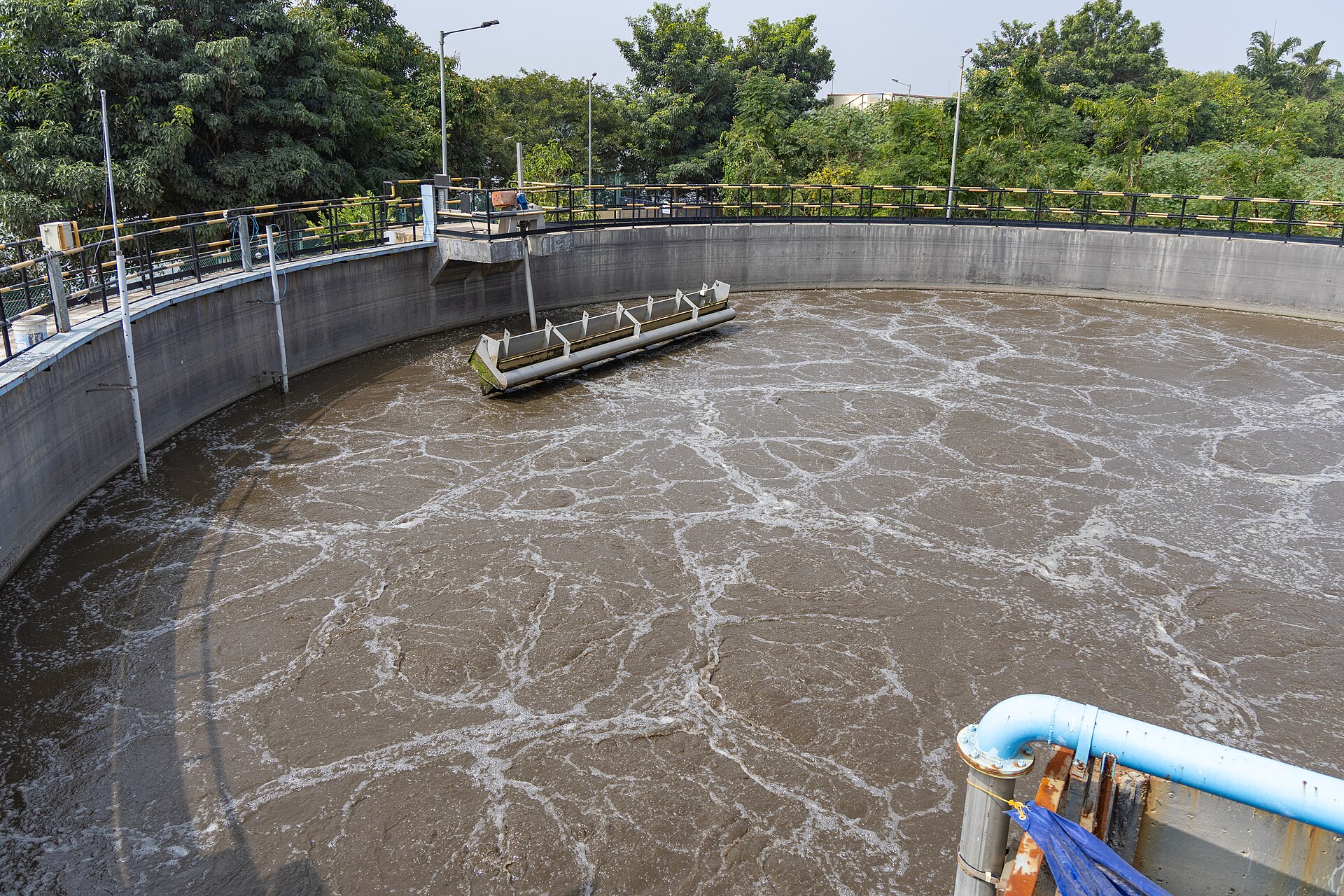
Reusable water in a pharmaceutical facility is a regulated category. Reuse for cooling, cleaning or landscaping is a very different bar from process water. The reporting does not specify which grade was achieved or against which standard.
The scale gap
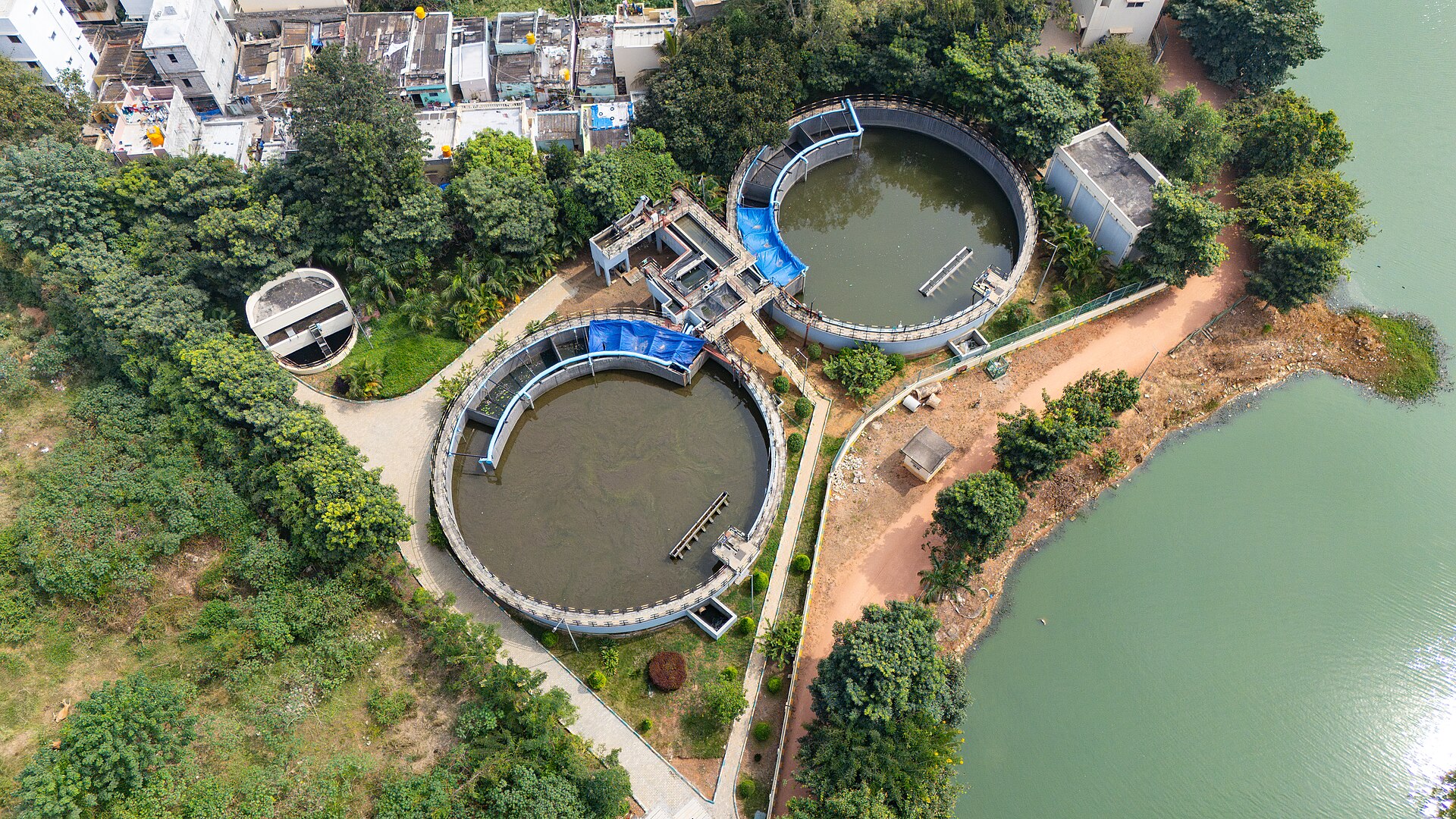
The system is laboratory-demonstrated and now entering scale-up with Biological E. That partnership is meaningful validation — a manufacturer putting its name on a pilot is a stronger signal than a press release alone. It is also exactly the stage at which variable, real-world influent loads first get tested.
What would make this credible
Specific energy per cubic metre. Treatment cost per cubic metre. Water recovery fraction. Biogas yield per kilogram of COD destroyed. Four numbers. None published.
References and image credits›
- 01United News of India — BITS Hyderabad develops technology to convert biopharma wastewater into reusable water and clean energy
- 02Indian Pharma Post — BITS Pilani scientists develop low-energy wastewater treatment technology for biopharma
Diagram: The Waste Stack · Photo: Vraj Acharya / WELL Labs, CC BY-SA 4.0, via Wikimedia Commons · Photo: Vraj Acharya / WELL Labs, CC BY-SA 4.0, via Wikimedia Commons · Photo: Vraj Acharya / WELL Labs, CC BY-SA 4.0, via Wikimedia Commons