
Reju’s two-minute polyester claim leaves most of the process outside the stopwatch
Fast depolymerisation is not the same as fast textile recycling; sorting, purification and future plant operation determine the result.
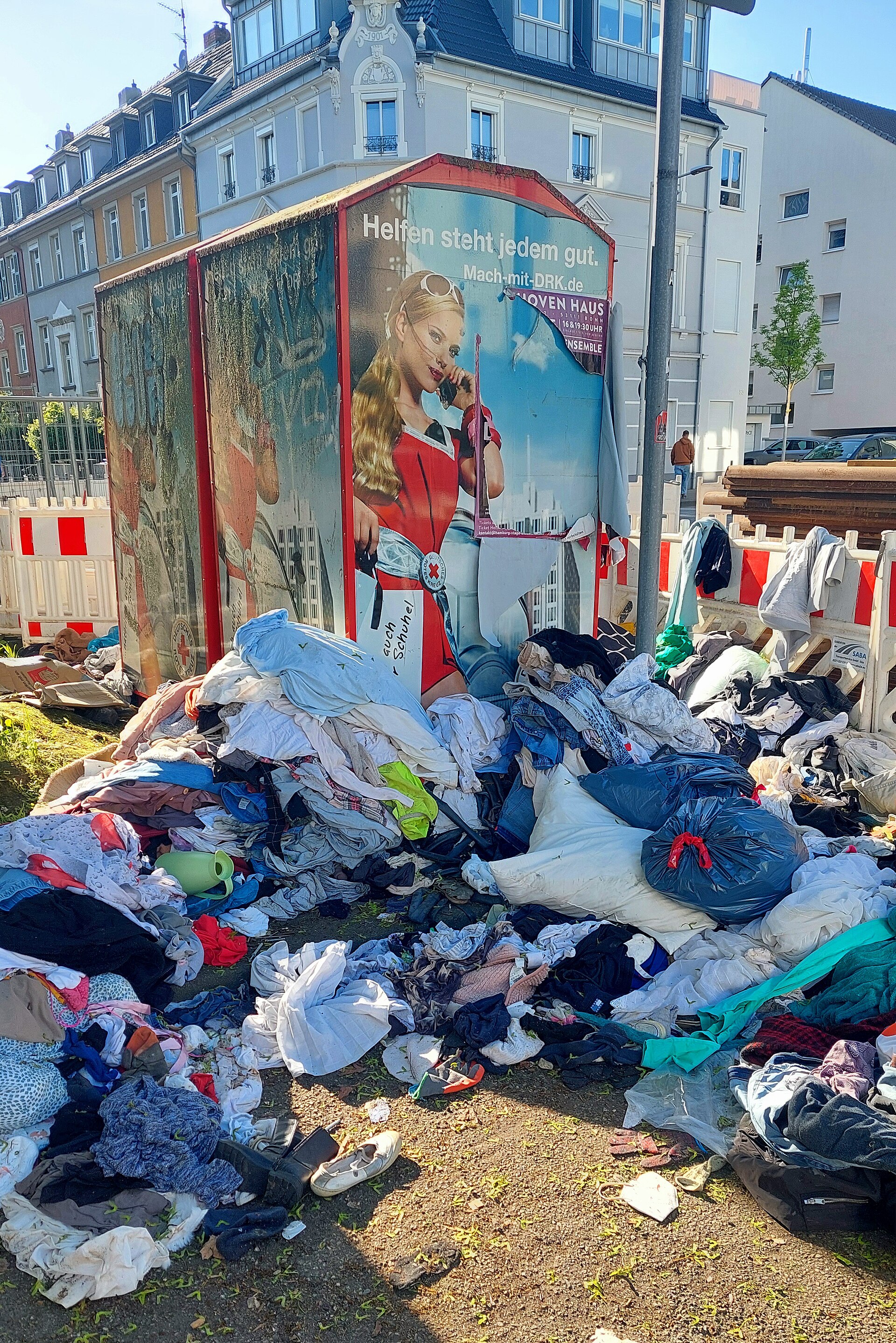
A garment is not a clean bottle of polyester. It can contain cotton, elastane, dyes, finishes, labels and metal fasteners. Reju’s promise is to recover useful polyester from this difficult stream—but the short reaction time is only one stage of that work.
What glycolysis does
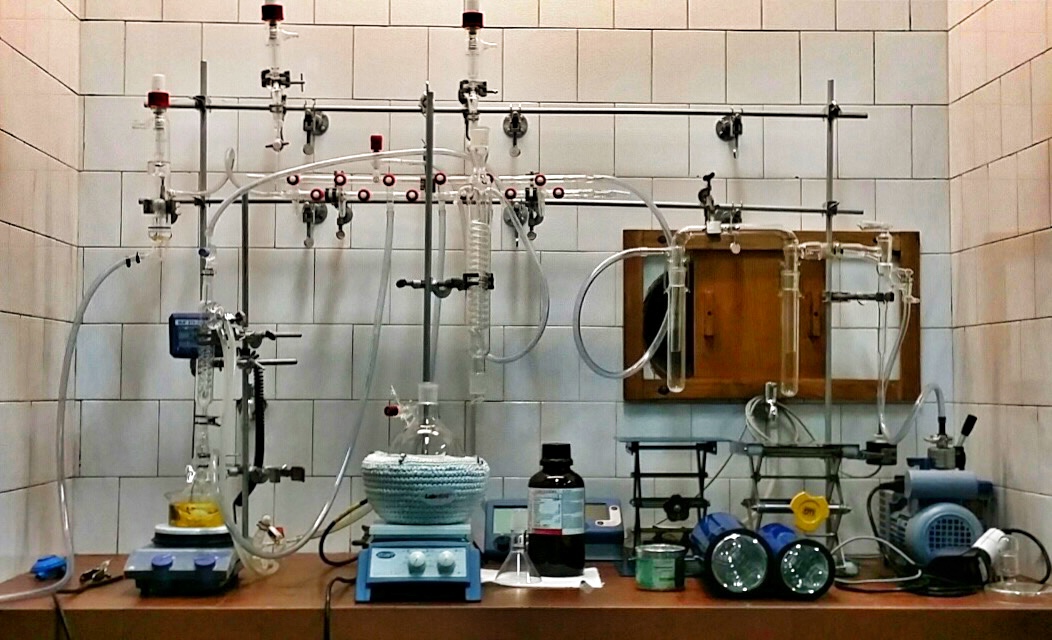
Glycolysis uses ethylene glycol to break PET chains into smaller molecules, including BHET. After purification, these intermediates can be repolymerised into polyester. Reju describes a catalytic depolymerisation step taking under two minutes.
That clock does not cover collecting clothes, sorting blends, removing components, preparing feedstock, purifying the intermediate or producing new fibre. Neither does it establish the proportion of a mixed garment that ends up as saleable polyester.
Demo operation versus industrial plans
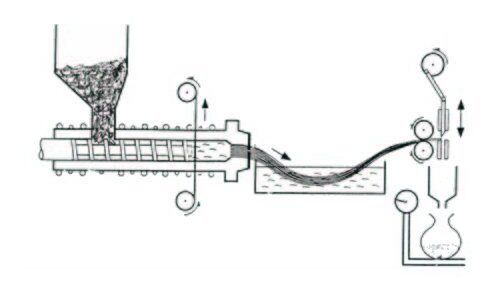
The company has a Frankfurt demonstration facility and has announced larger regeneration hubs. The brief describes a planned 60,000-tonne textile input yielding about 40,000 tonnes of polyester output per hub. These are design figures, not recorded annual production, and the difference is not automatically a measured chemical loss: the input can include non-polyester material.
Commercial facilities planned for later years should be described as planned. Feedstock agreements reduce one risk but do not establish the quality or availability of every delivery.
“Better than new” needs a specification
The meaningful comparisons are polymer purity, molecular-weight distribution, colour, spinning performance and the quality of the resulting fabric. Repeated chemical recycling is possible in principle, but “indefinitely” needs demonstrated cycles and losses, not just a reaction diagram.
Reju also acknowledges a price premium. Its reported emissions reduction needs a transparent lifecycle boundary and energy assumptions. The next test is not whether a catalyst can break a chain quickly; it is whether a complete plant can repeatedly sell qualified output from variable post-consumer inputs at a sustainable cost.
References and image credits›
Photo: Wikimedia Commons, CC BY-SA · Photo: Wikimedia Commons, CC BY-SA · Photo: Miha Bukleski, CC BY 4.0