
Divert's 2.5-million-pound food-to-energy claim: circular loop or scoped case study?
Divert and US Cold Storage say 2.5 million pounds of unsold food became renewable natural gas and fertiliser in 15 months. The operating facts are solid. The carbon accounting behind them is not published.
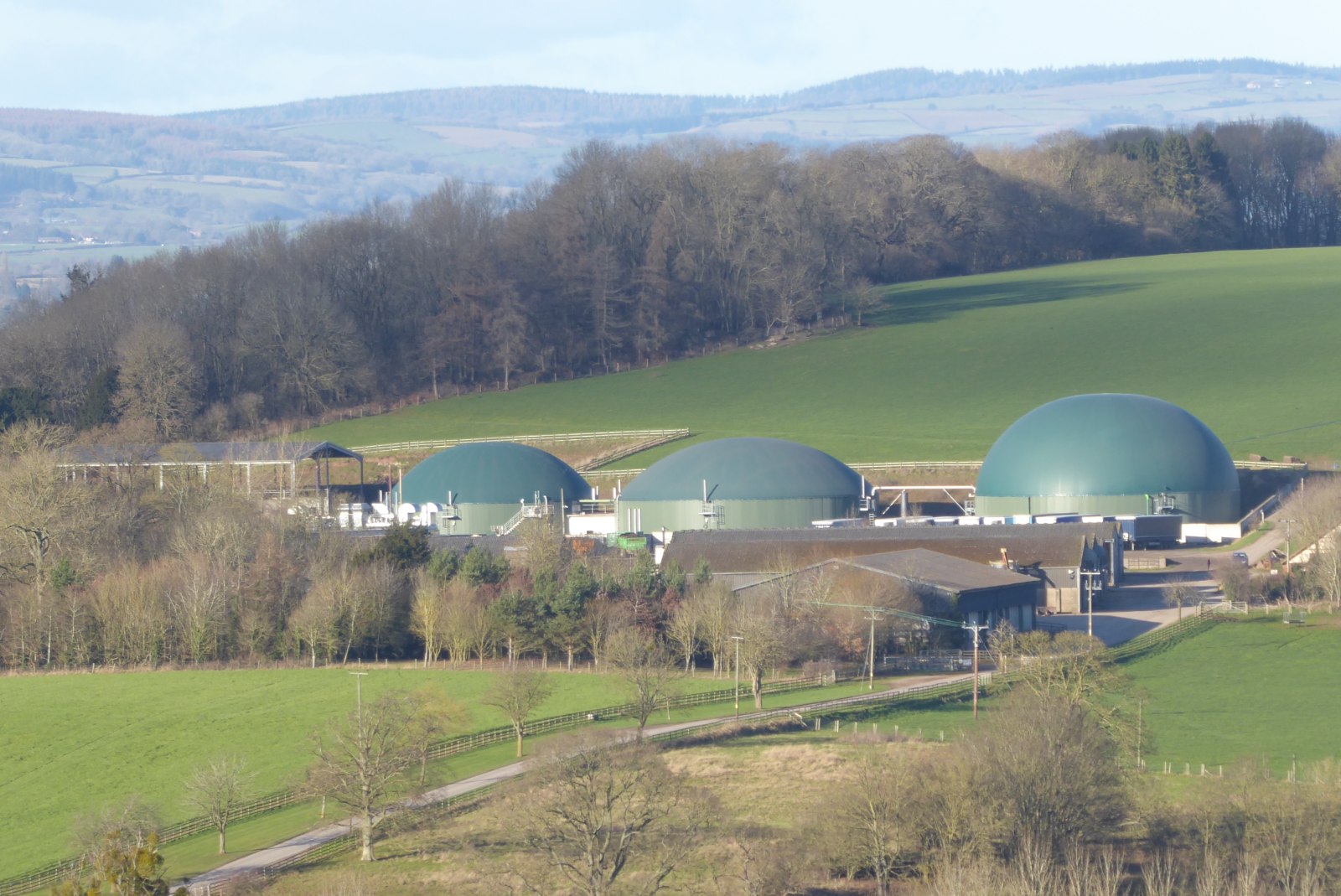
On 12 August, Divert and United States Cold Storage announced that more than 2.5 million pounds of unsold food and beverage product from seven California facilities had been processed over the partnership's first 15 months. It is a concrete, dated, quantified claim — which makes it a good candidate for testing against the food-waste hierarchy, emissions-accounting norms and contamination risk.
What was actually built
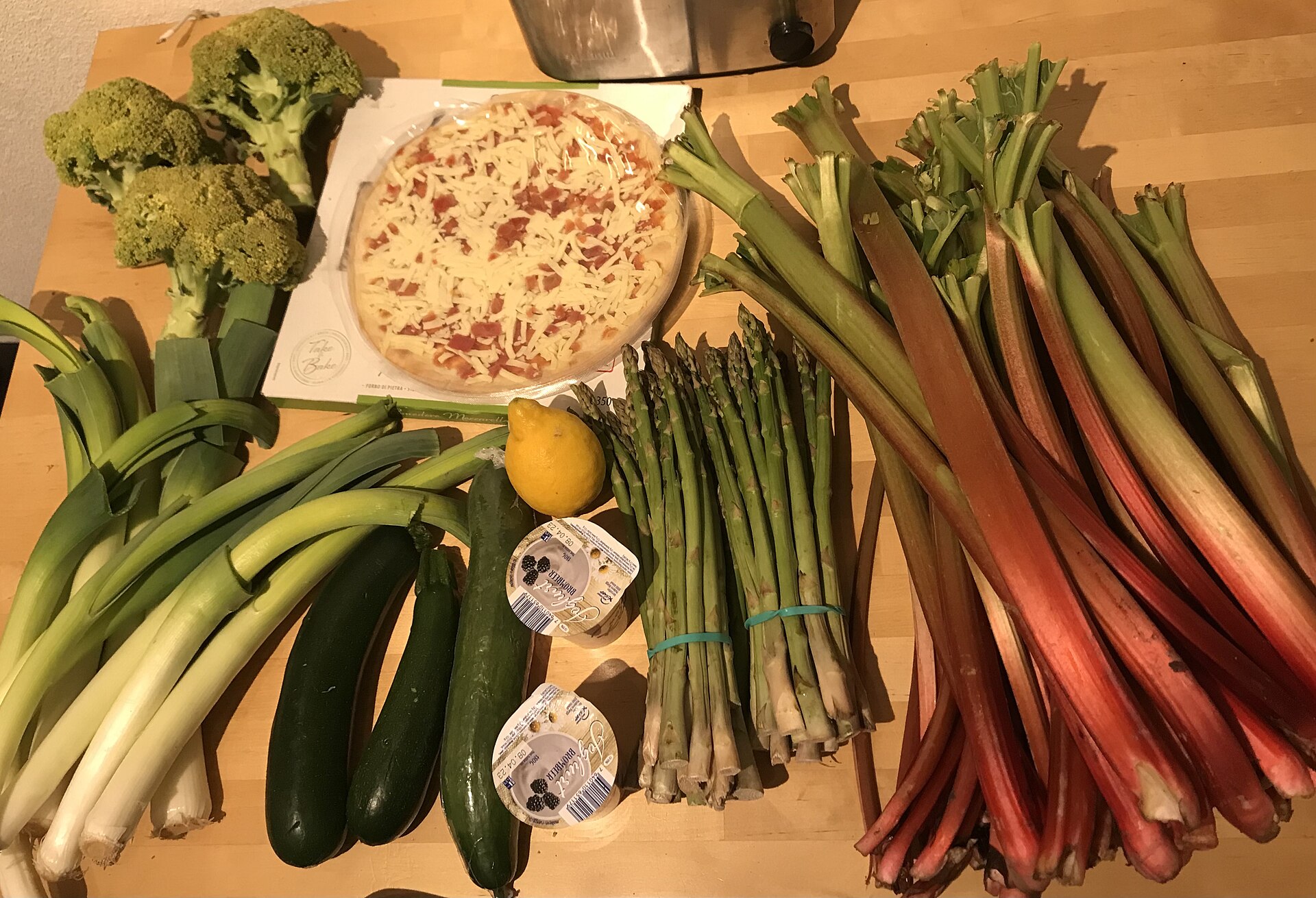
After sale and donation routes were exhausted, US Cold routed unsold product from seven California sites to Divert's Turlock Integrated Diversion & Energy Facility. Divert says its High-Recovery Depackaging system strips packaging from product, and anaerobic digestion converts the organic fraction into renewable natural gas, nutrient-rich fertiliser and soil amendments, plus recovered water.
What is genuinely strong
Three things stand out against the usual standard of corporate diversion announcements. The volume is stated in mass, not percentage. The energy output is stated in MMBtu, not "powers X homes". And the release names actual destinations for the gas, fertiliser and soil amendments rather than stopping at a diversion rate — a company that names the offtake is a company that has offtake.
Where the claim is narrower than the headline
A good diversion outcome is not the same as a verified carbon outcome. Without a stated baseline, an avoided-emissions figure is a modelling result, not a measurement.
This is a company-reported case study from one facility and one customer. It is not evidence that every cold-storage site or every product category produces the same result.
More importantly, the ~450 tonnes CO2e avoided figure arrives without the machinery that would make it checkable. The release does not state the emissions baseline, the avoided-landfill-methane factor used, the displaced-energy or displaced-fertiliser credits, the treatment of transport and process emissions, methane leakage assumptions at the digester, whether the figure is gross or net, or whether anyone independent assured it. Each of those choices can move an avoided-emissions number by a large multiple.
The hierarchy test
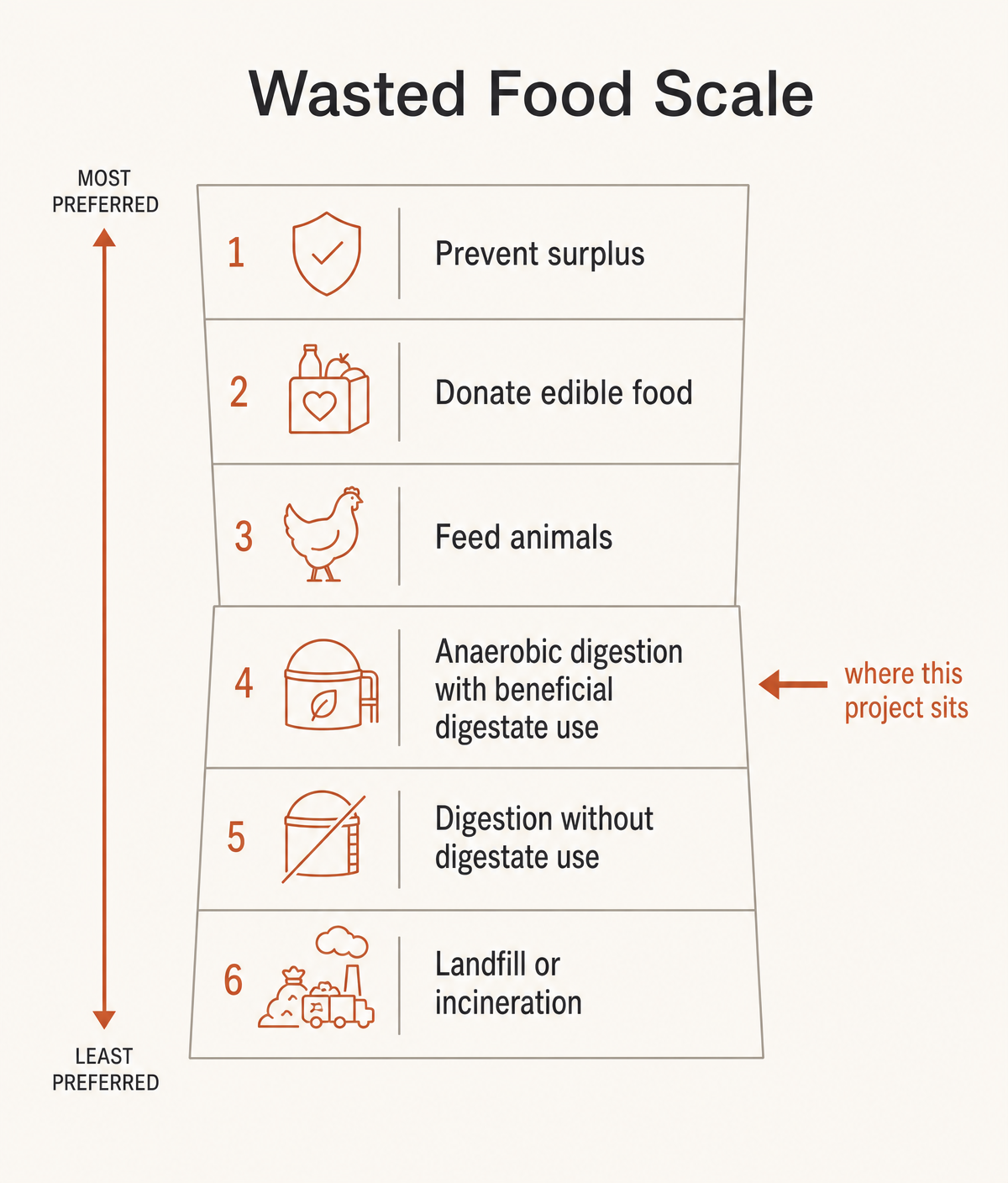
EPA's Wasted Food Scale places preventing surplus and donating edible food above anaerobic digestion — and it distinguishes digestion with beneficial digestate use from digestion where the digestate is discarded. EPA also notes its ranking does not account for economic or social factors.
Divert's framing does respect this: the material is described as routed after sale and donation options were exhausted. The open question is whether prevention and donation are being genuinely maximised upstream, or whether a reliable digestion contract quietly reduces the pressure to try.
The contamination test
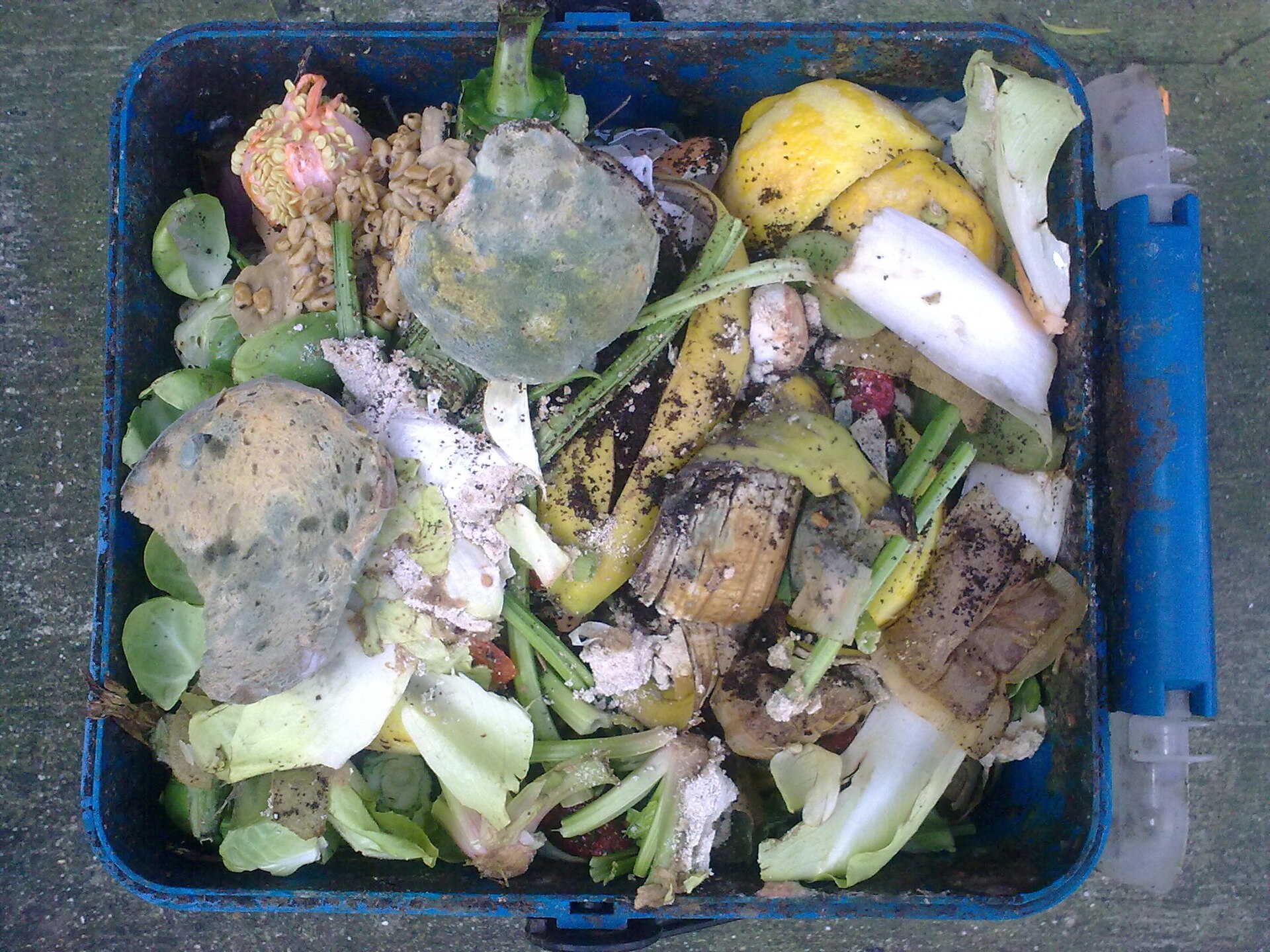
A 2026 Nature Food model finds that nationwide composting and anaerobic digestion could cut food-waste-management climate impacts by 89–99%. The same study estimates land application could deliver around 20,000 tonnes of plastic into US agricultural soils each year if packaging design and contamination controls do not improve — and that recovered nutrients would offset less than 2% of annual US mineral nitrogen and phosphorus fertiliser use.
That reframes both halves of the story. The climate case for digestion is strong. The fertiliser case is real but small, and it comes with a physical-contamination liability that scales with how much packaged product goes through the depackager.
The diligence list
If you are evaluating this model rather than reading the press release, ask for: the case-study boundary, an audited mass balance, the contamination rejection rate, energy and water intensity per tonne, transport distance, digestate test results including plastics content, offtake contracts, and net revenue per ton.
Those eight items separate a robust infrastructure model from a strong but selectively reported customer example. Nothing in the announcement suggests the answers are bad — only that they have not been published.
The verdict
Promising infrastructure, incomplete proof. The model keeps non-donatable food out of methane-generating landfills and gives food companies documented handling for product that cannot be sold or donated — that is worth something on its own. What it has not yet demonstrated is a transparent baseline, an independent accounting of the emissions claim, or a published contaminant mass balance.
What should a food-waste company publish before calling a project carbon-negative: a third-party life-cycle assessment, a contaminant mass balance, an audited offtake ledger — or all three?
References and image credits›
- 01Business Wire — Divert, US Cold Storage Convert 2.5M Pounds of Unsold Food into Energy and Fertilizer
- 02U.S. EPA — Wasted Food Scale
- 03Nature Food — Food waste recycling in the USA can reduce climate and nutrient pollution impacts yet risks plastic accumulation in soils
Photo: Philip Halling, CC BY-SA 2.0 · Photo: PizzaToast, CC0 · Photo: Nick Saltmarsh, CC BY 2.0 · Photo: The joy of all things, CC BY-SA 4.0