
Donated clothes are not guaranteed to be worn again
A donation bin is a sorting decision, not a disposal guarantee. Wearable, repairable, rag-grade and unusable all go different places — and the condition of what you put in decides which.
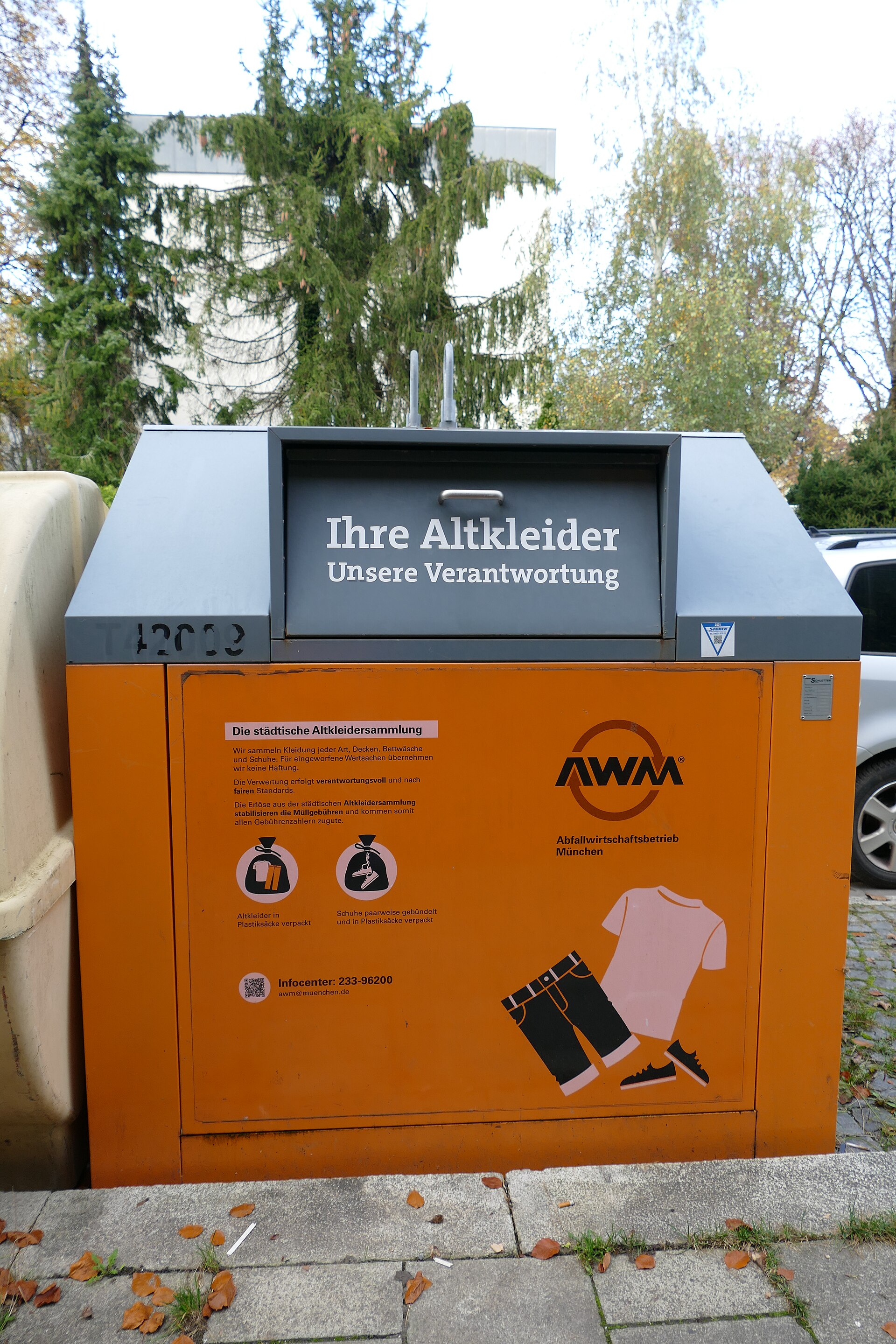
Putting clothing into a charity bin feels like the end of the story. It is closer to the beginning of one: donation feeds a sorting system with several exits, and the exit a garment takes is decided by its condition, not by your intention.
Anything I put in a charity or clothing-collection bin will be reused as clothes, so the condition and destination do not matter.
Reuse as clothing is one outcome among several. Sorters route items to resale, to rag and fibre markets, or to disposal — and contaminated textiles have little value in any of those channels.
What actually happens after the bin
NIST's description of textile afterlife is the useful frame: wearable items may be resold or reused; the rest can become industrial wiping cloths, fibre feedstock, furniture stuffing or insulation. Those are real markets, and they are not the same market.
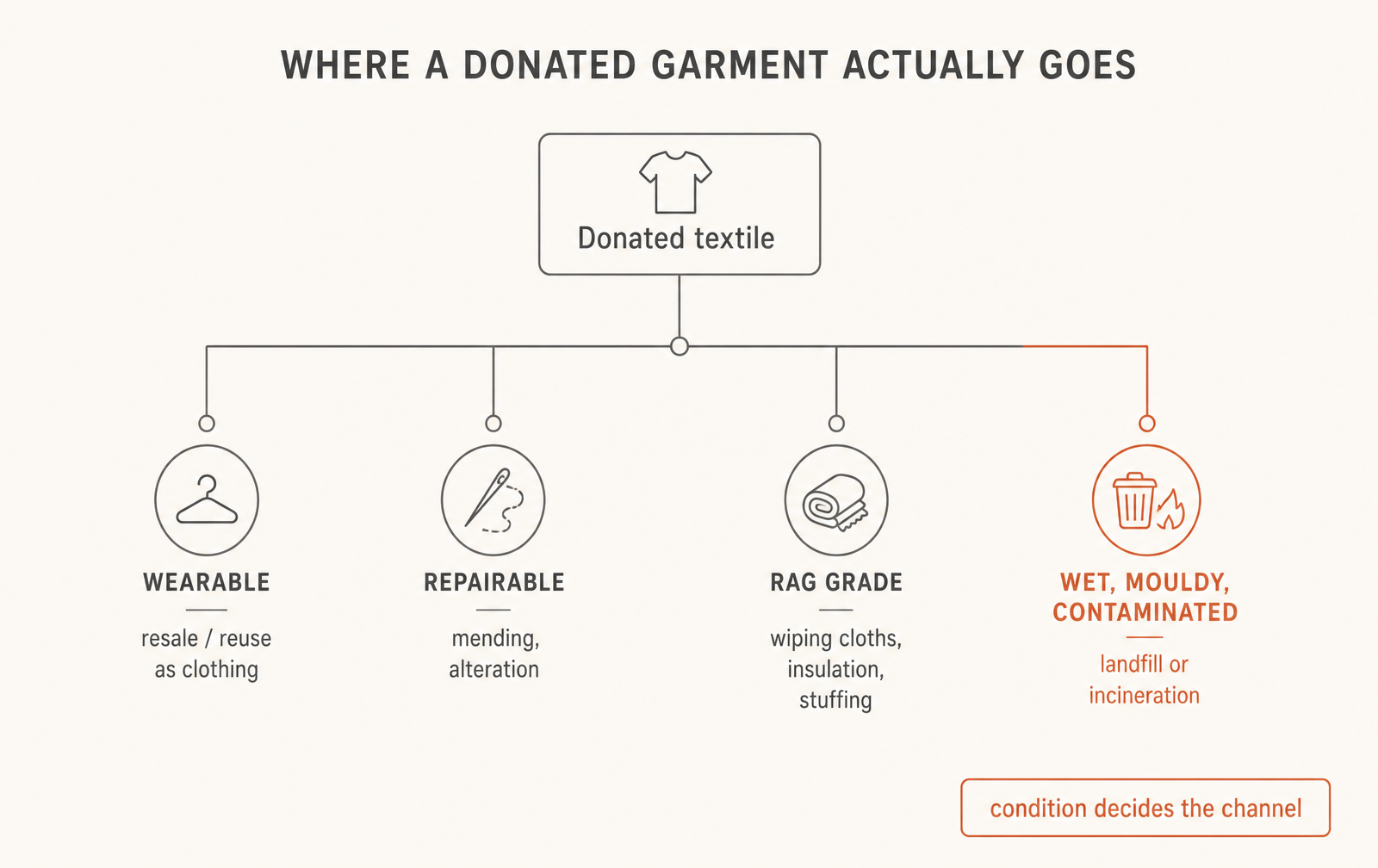
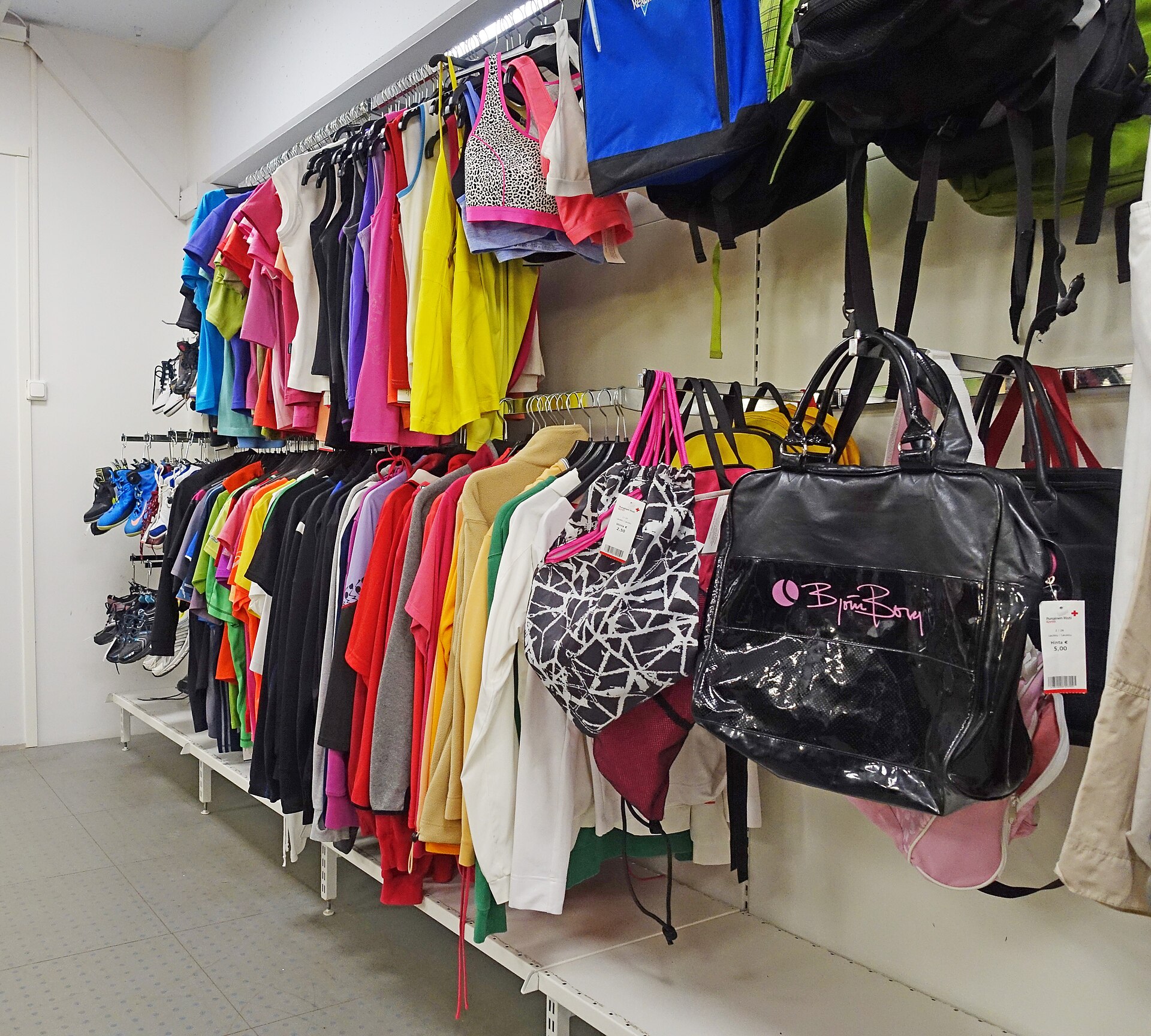
Resale is the highest-value exit and the most demanding: it needs clean, current, undamaged items. Rag and fibre markets accept much worse condition but pay very little, which means a sorter only reaches them after paying to handle, grade and ship the material.
The scale of the residual
EPA's national figures are older than most current collection programmes, so they should not be read as the fate of any individual donation. They do establish the size of the problem: in 2018, roughly 17 million tons of textiles entered the US municipal solid-waste stream, 14.7% were recycled, and 11.3 million tons were landfilled.
The point is not that donation is futile. It is that the recovery system handles a small fraction of textile discards, and the fraction it handles well is smaller still.
The export leg nobody puts on the bin
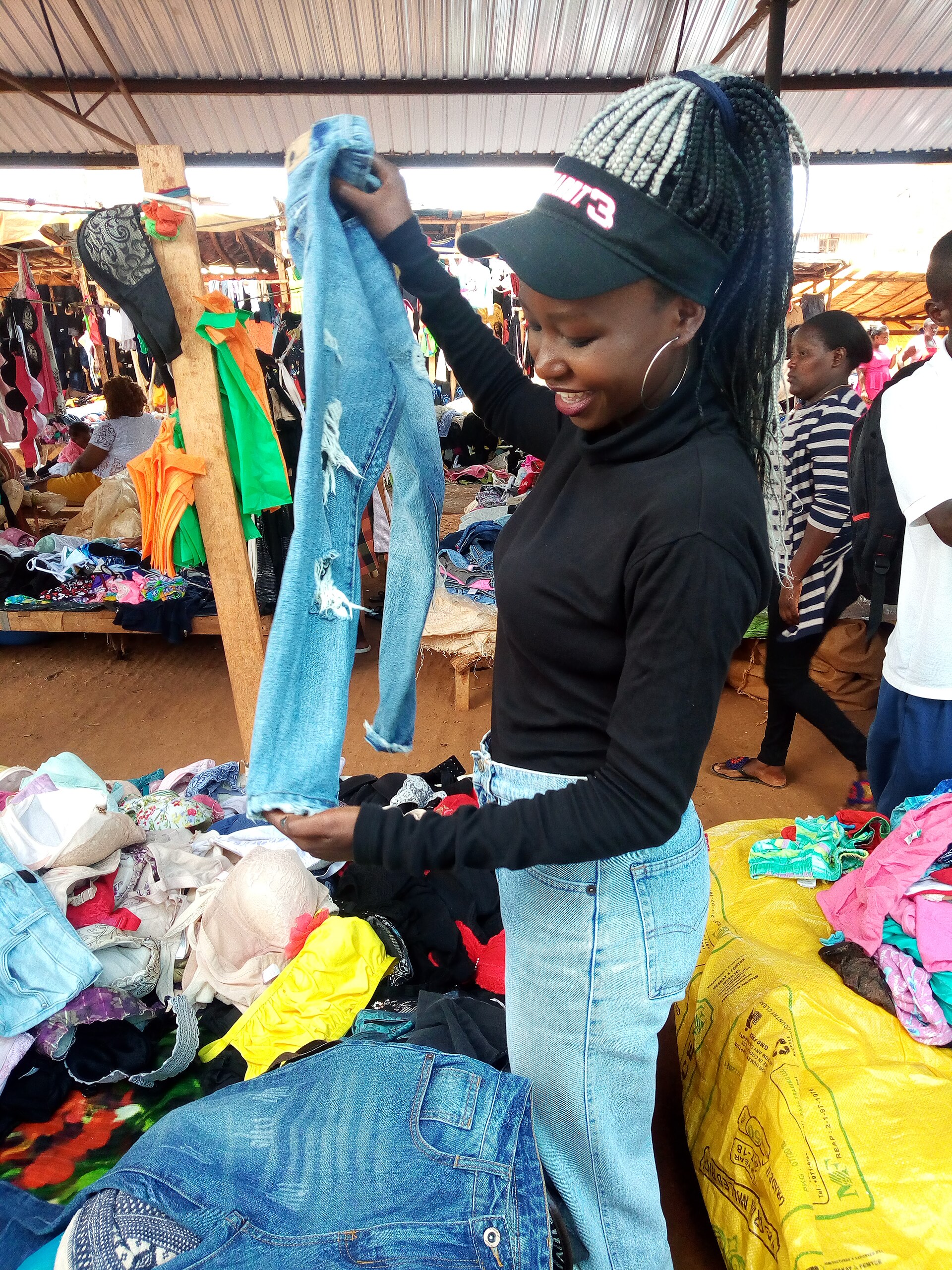
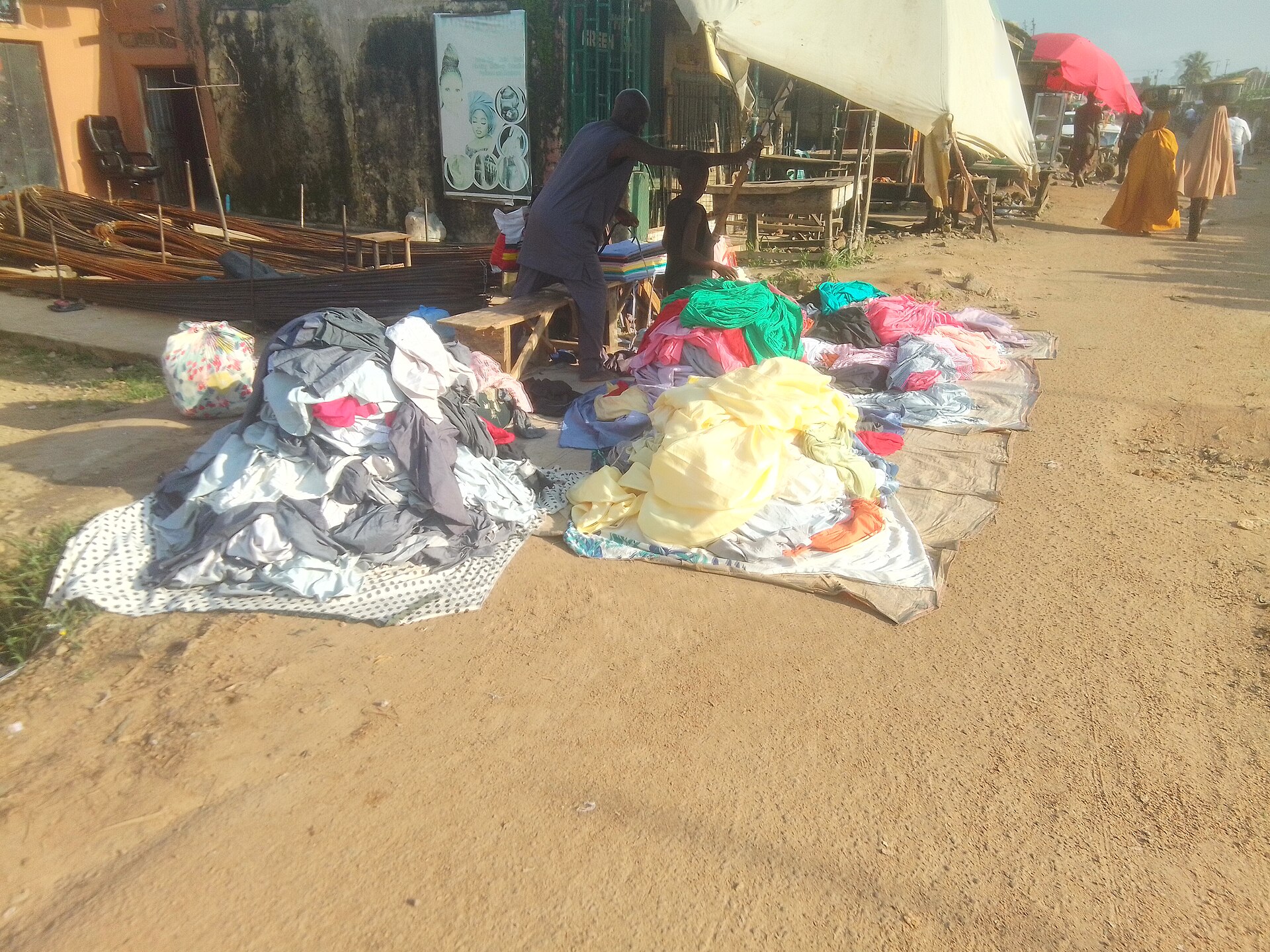
A large share of resale-grade clothing does not sell locally. It is baled and traded internationally, where it is graded again and sold in secondhand markets. That extends the life of a lot of clothing that would otherwise be discarded — genuinely.
Rag grade is a real answer, not a consolation prize
Worn-out cotton and other natural fibres have a legitimate second life as wiping cloths, insulation and stuffing. This is downcycling — the fibre will not become clothing again — but it displaces virgin material and it is far better than landfill.
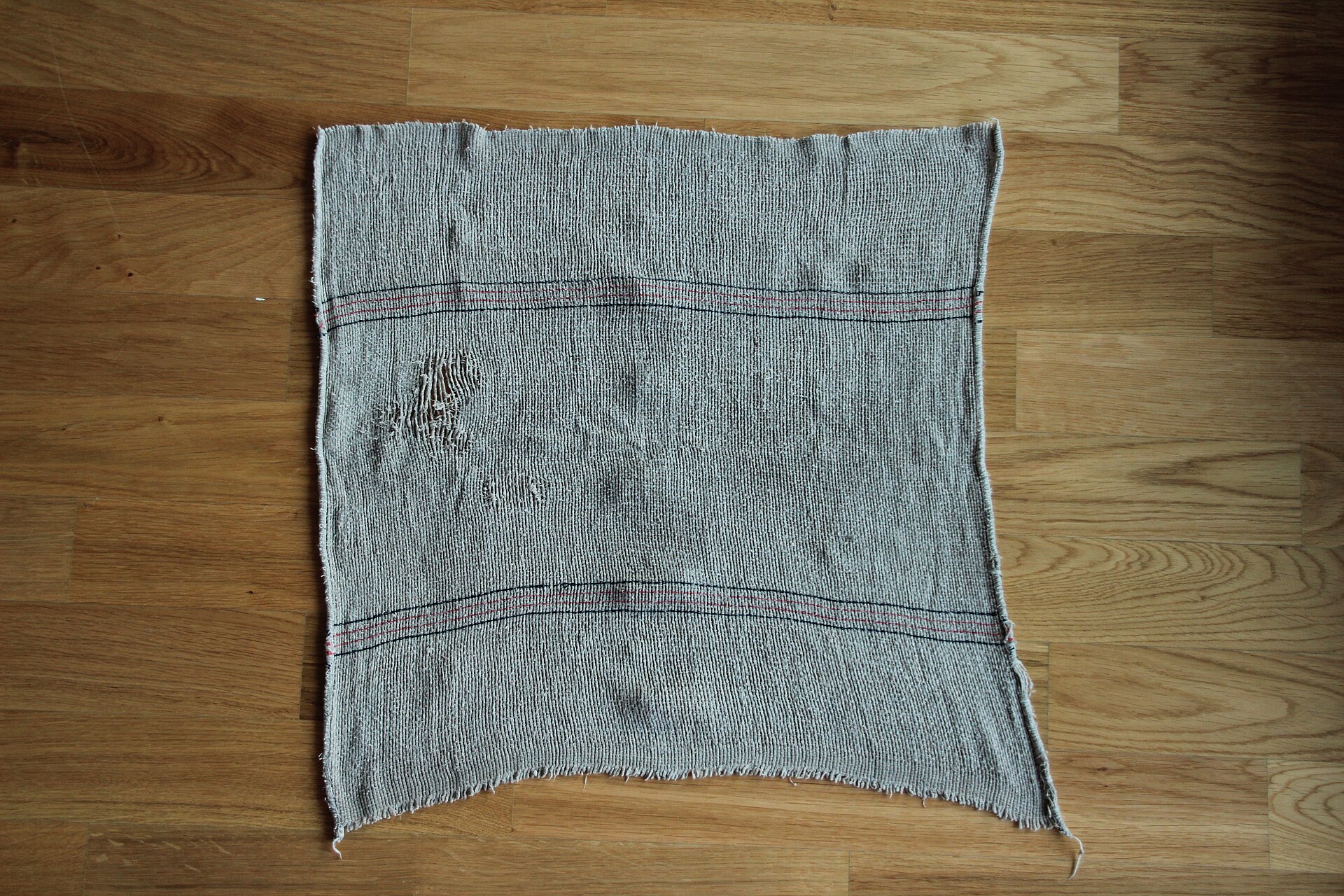
The catch is that it needs a channel that asks for it. Most charity bins are optimised for resale, and a rag-grade item dropped into a resale channel is a cost, not a contribution.
What to actually do
Match the channel to the condition.
Clean and wearable — charity resale or a local secondhand shop. Wash it first; wet or soiled items can contaminate an entire collection.
Damaged but repairable — repair it, or use a swap, alteration or take-back scheme that says it accepts damaged items.
Worn out but dry and clean — find a textile-recycling point or retailer take-back that explicitly accepts all textiles, not clothing only.
Wet, mouldy, oily or contaminated — this belongs in general waste. It has no recovery value and it will spoil other material around it.
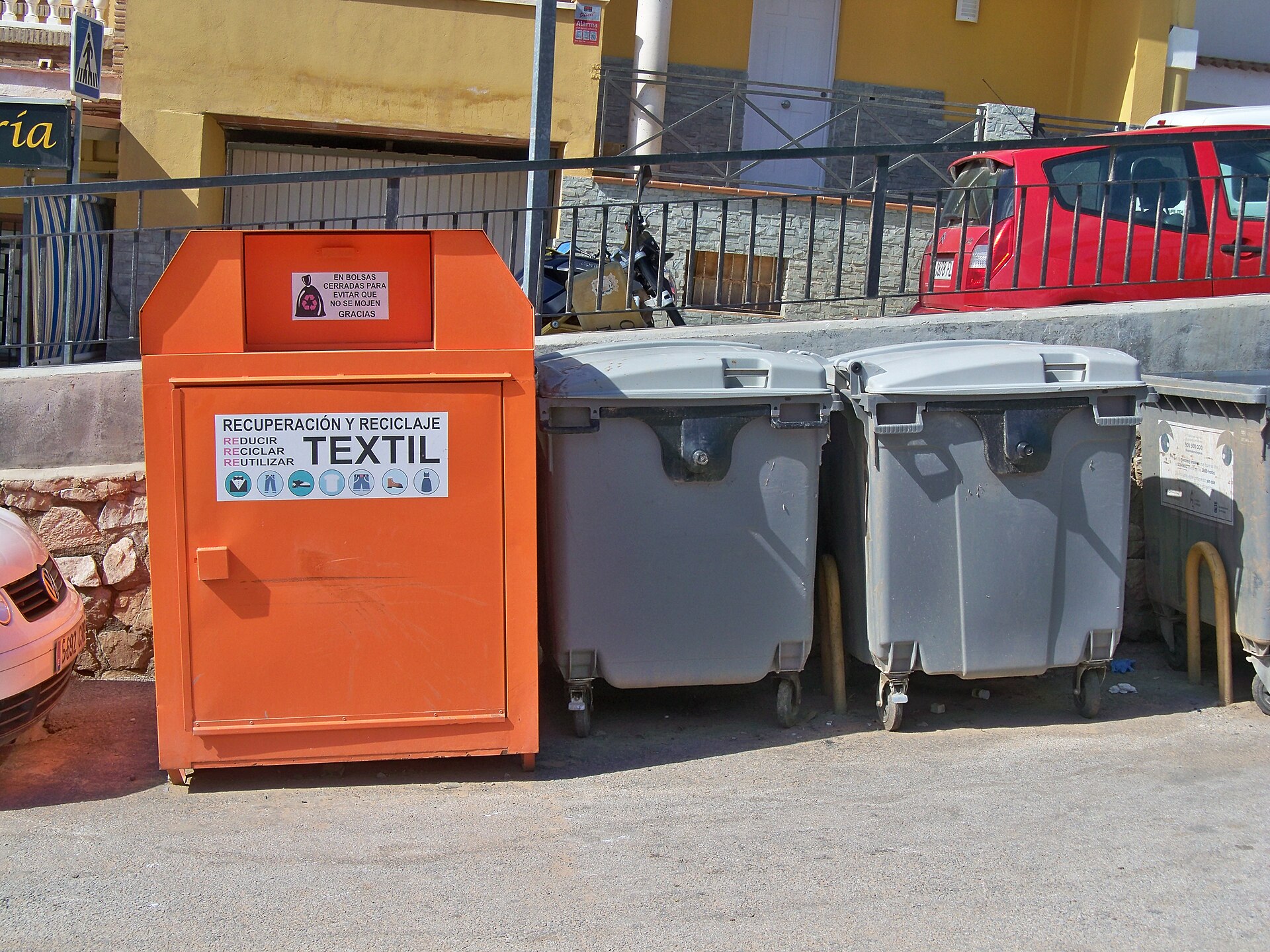
The single most useful thing to check is your local collector's accepted-materials and condition rules. Programmes differ substantially — some take wearable clothing only, some take all textiles, some want household textiles bagged separately — and the bin itself rarely tells you which.
References and image credits›
Kritzolina, Wikimedia Commons, CC0 · Tiia Monto, Wikimedia Commons, CC BY-SA 3.0 · Nasirumbi, Wikimedia Commons, CC BY-SA 4.0 · Babe, Ishaku, Wikimedia Commons, CC BY 4.0 · Frank C. Müller, Wikimedia Commons, CC BY-SA 4.0 · Daniel Capilla, Wikimedia Commons, CC BY-SA 4.0