
Can mixed plastic waste become the building blocks for new plastics?
Covestro is backing BioBTX to build a commercial plant in Delfzijl that turns hard-to-recycle plastic into benzene, toluene and xylene. The chemistry is straightforward. The evidence is a construction schedule.
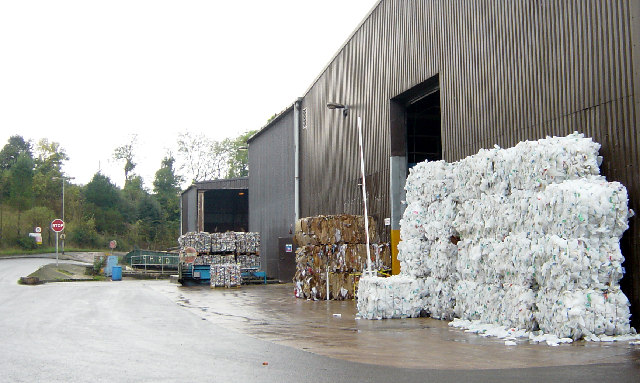
Covestro announced this month that it is backing BioBTX to take its ICCP process to a first commercial-scale plant in Delfzijl. The pitch is attractive: feed in the mixed, contaminated plastic that mechanical recycling cannot use, and get out the aromatic chemicals that the plastics and coatings industry already buys by the tanker load.
The chemistry is genuinely worth understanding. So is the difference between a process description and an operating plant.
Why mixed plastic defeats mechanical recycling
Mechanical recycling is a physical process: sort by polymer, wash, shred, melt, pelletise. It works when the input is one polymer, reasonably clean, and reasonably consistent in colour and additive package. A bale of clear PET bottles is close to ideal.
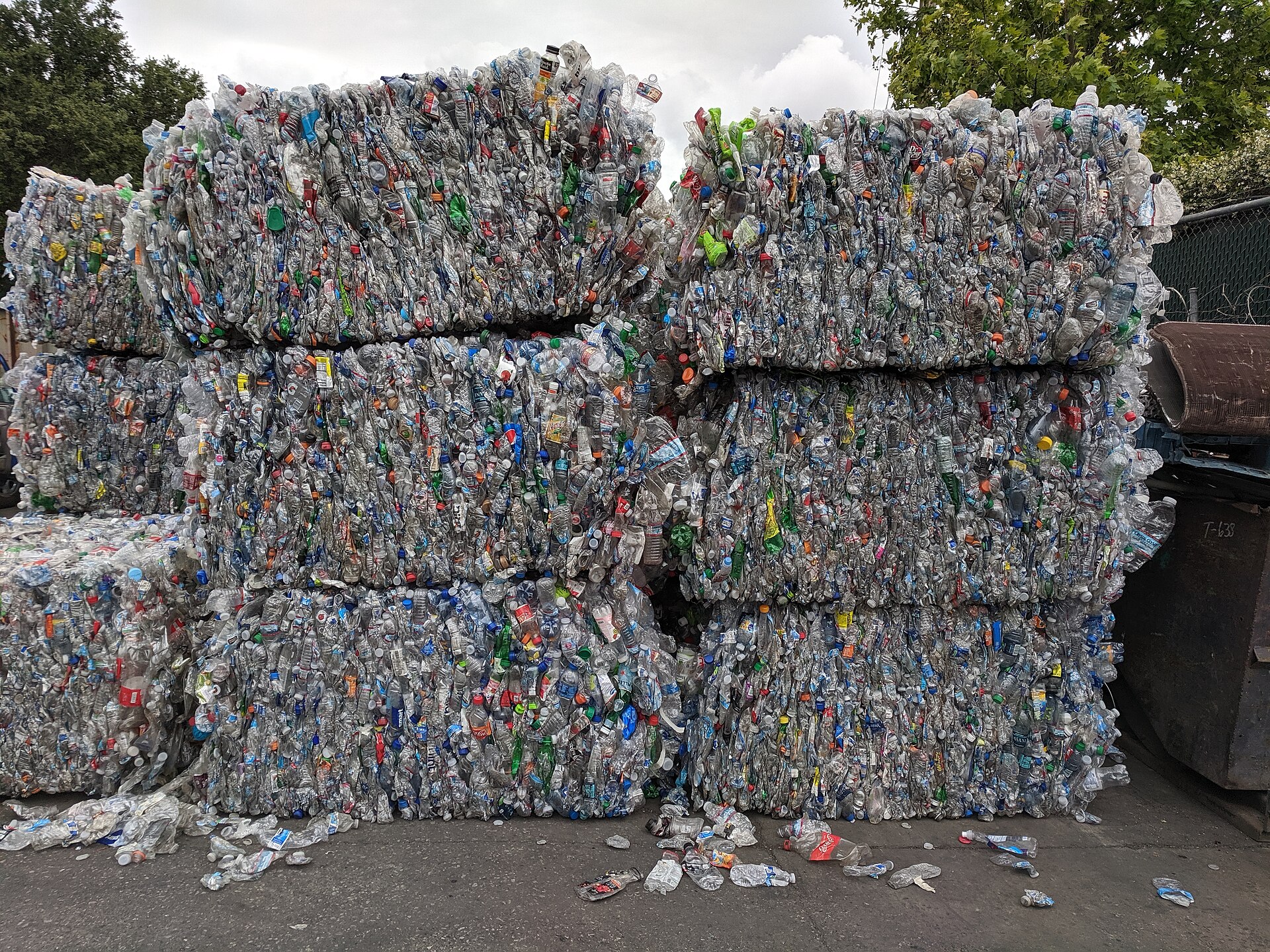
Everything else — multilayer film, filled and pigmented parts, mixed rigids with food residue — melts into a blend with unpredictable mechanical properties. Chemical routes exist because that residue fraction is large and growing, not because pyrolysis is inherently superior.
Step one: break the chains with heat
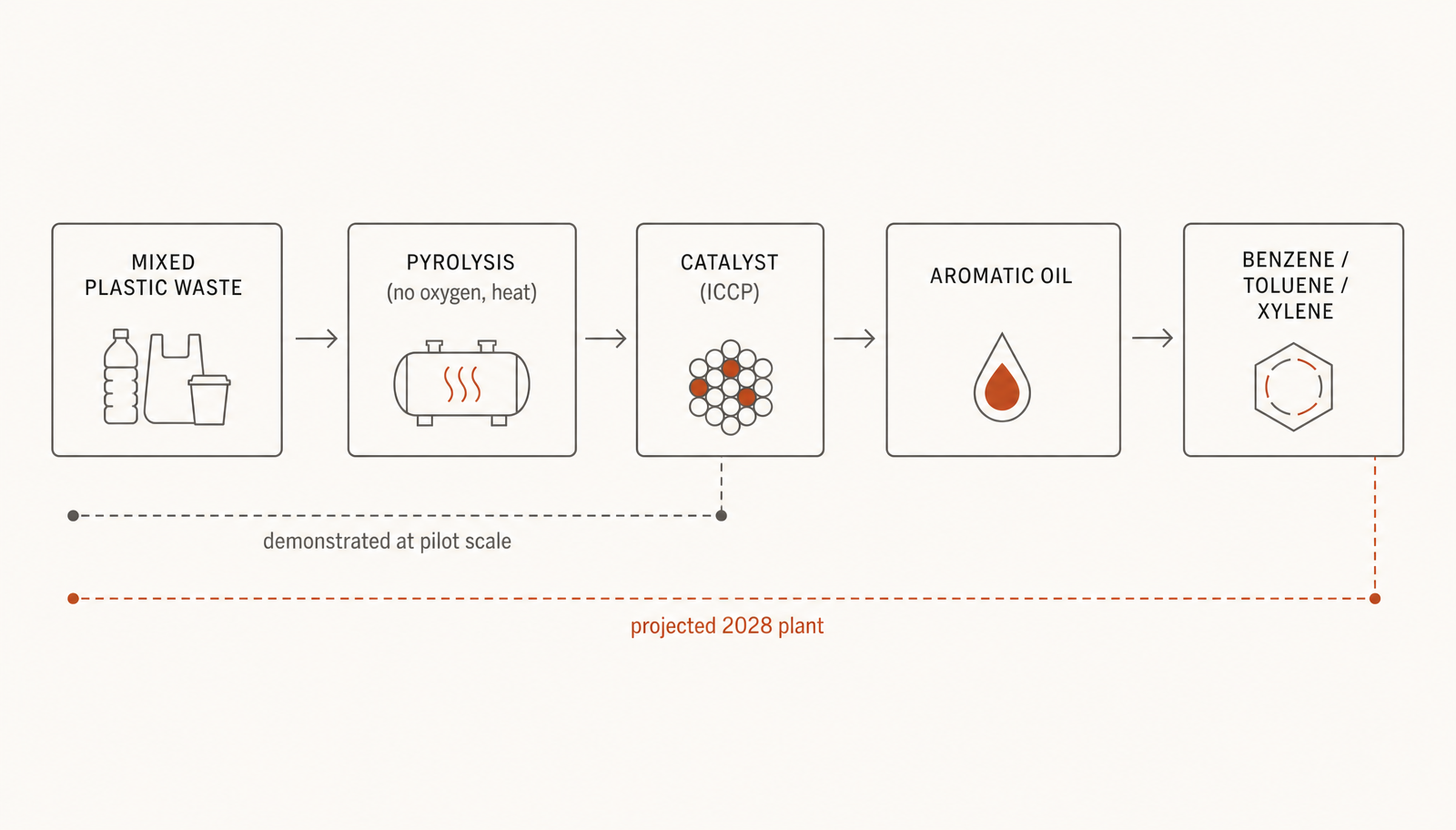
Pyrolysis heats the plastic with little or no oxygen. Without oxygen it cannot burn, so instead of combustion you get thermal cracking: long polymer chains snap into shorter hydrocarbon fragments that leave the reactor as vapour.
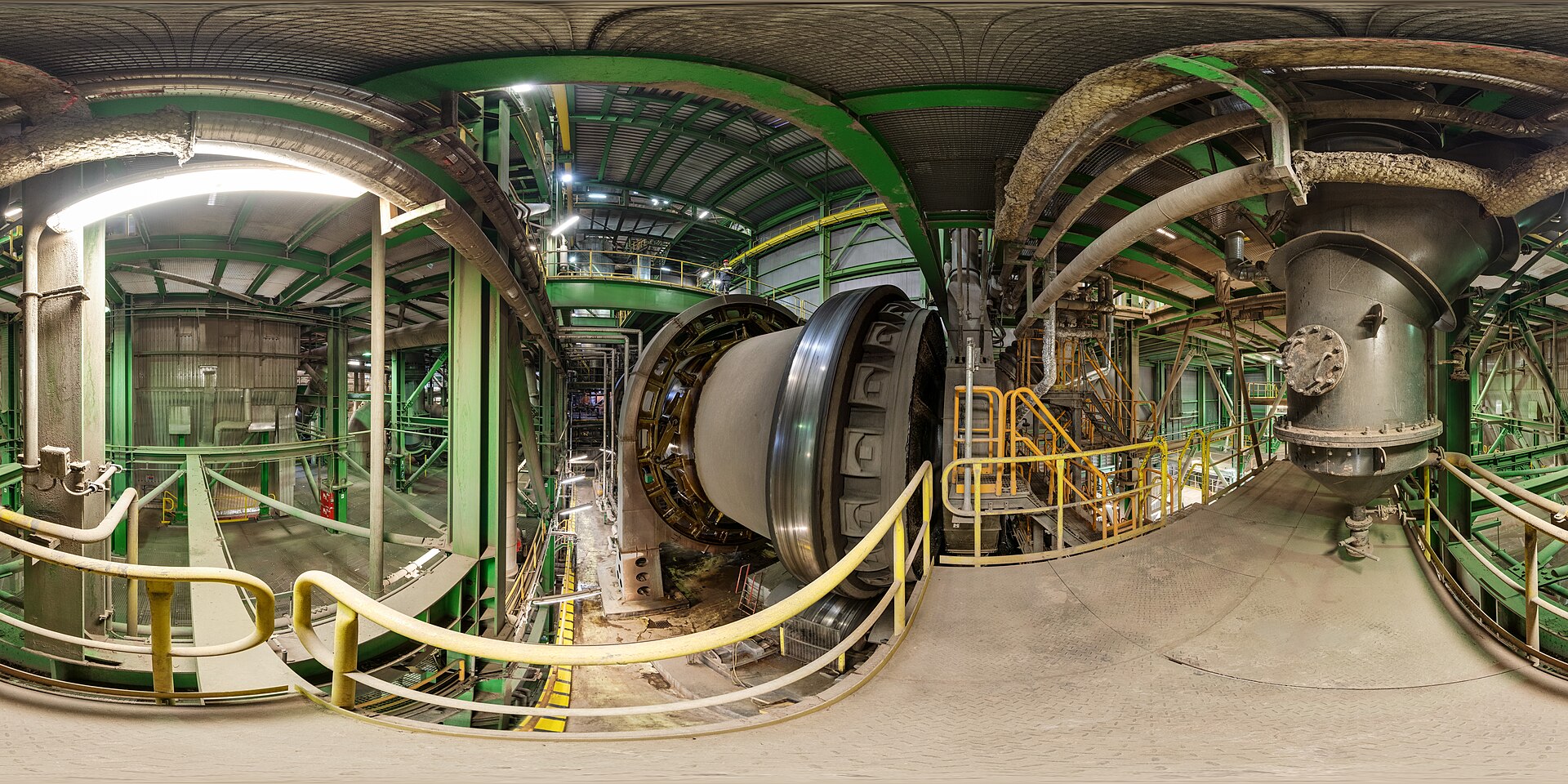
Left alone, that vapour condenses into a broad, low-value oil — a random distribution of chain lengths and structures that a refinery has to work hard to do anything with. This is where most plastic pyrolysis projects run into economics.
Step two: steer the products with a catalyst
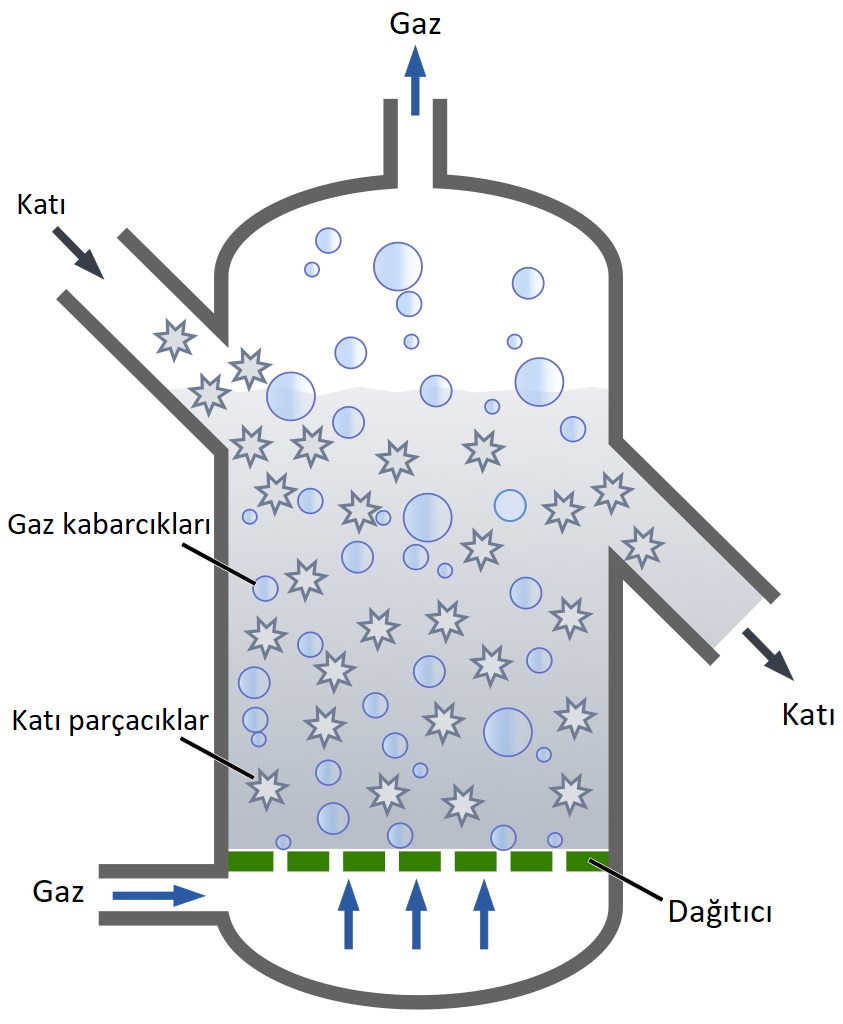
BioBTX's ICCP process adds a catalytic stage. Instead of letting the cracked vapours find their own equilibrium, a catalyst pushes the reaction toward aromatics — the ring-structured molecules that make up benzene, toluene and xylene.
ISPT, which ran the Circular Aromatics project around this technology, lists the scale-up work plainly: fluidized-bed reactor design, feedstock development, catalyst optimisation, depolymerisation. That list is a good map of where the risk lives.
Step three: condense and refine
The vapour is cooled into an aromatic oil, then separated into benzene, toluene and xylene fractions. These are commodity chemicals with existing supply chains, which is the strategic appeal: no new market has to be created, and the output can be dropped into plants already built for fossil BTX.
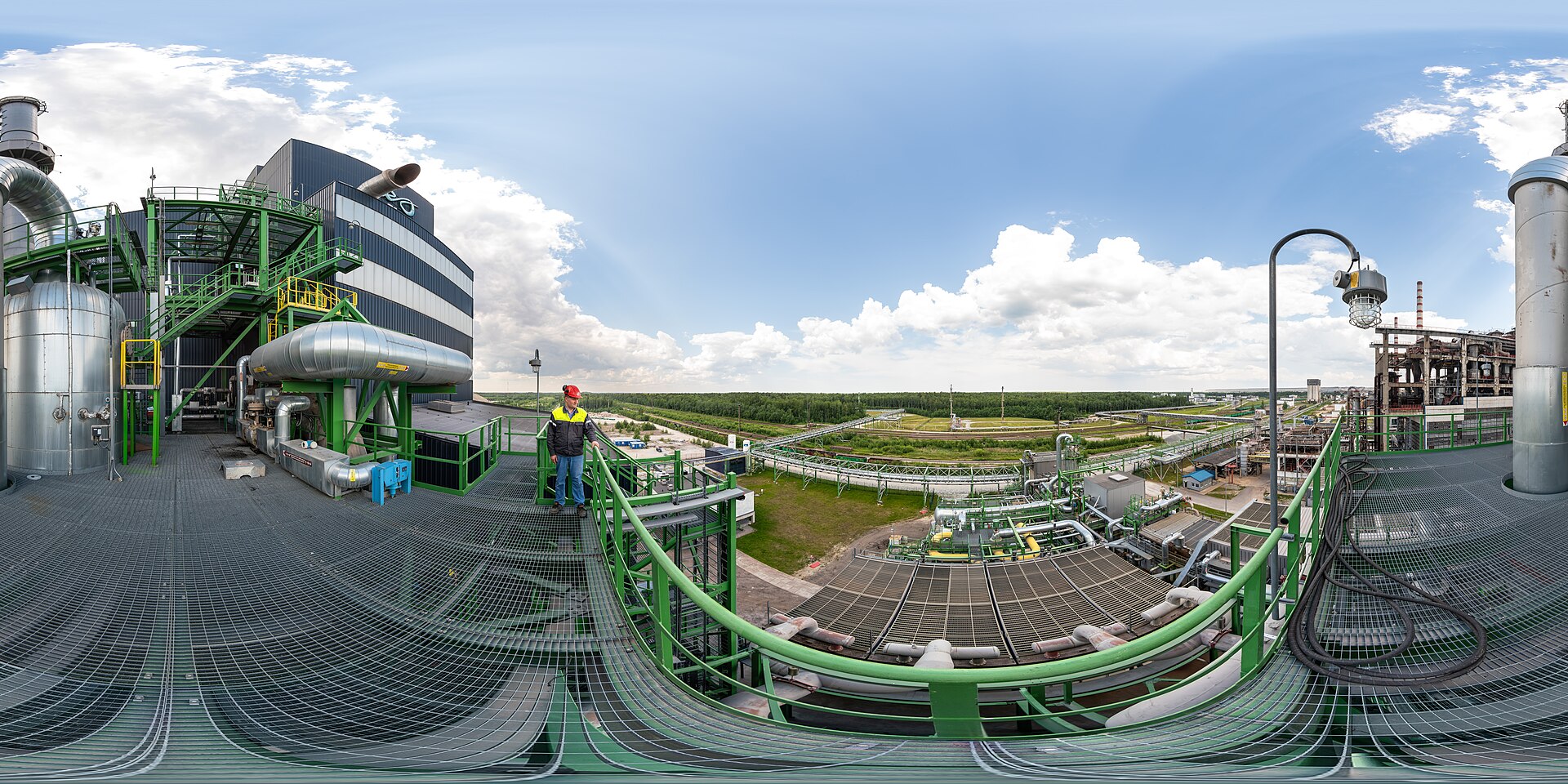
BioBTX and Covestro project roughly 10,000 tonnes of aromatic oil a year plus 8,000 tonnes of by-products, with a claimed 70–80% lifecycle greenhouse-gas reduction against conventional fossil BTX.
What has actually been demonstrated
Construction is due to start in early 2027, with start-up expected mid-2028. That means there is currently no commercial operating record for yield, contaminant tolerance, catalyst life, energy demand, by-product fate, cost or realised emissions at the announced scale.
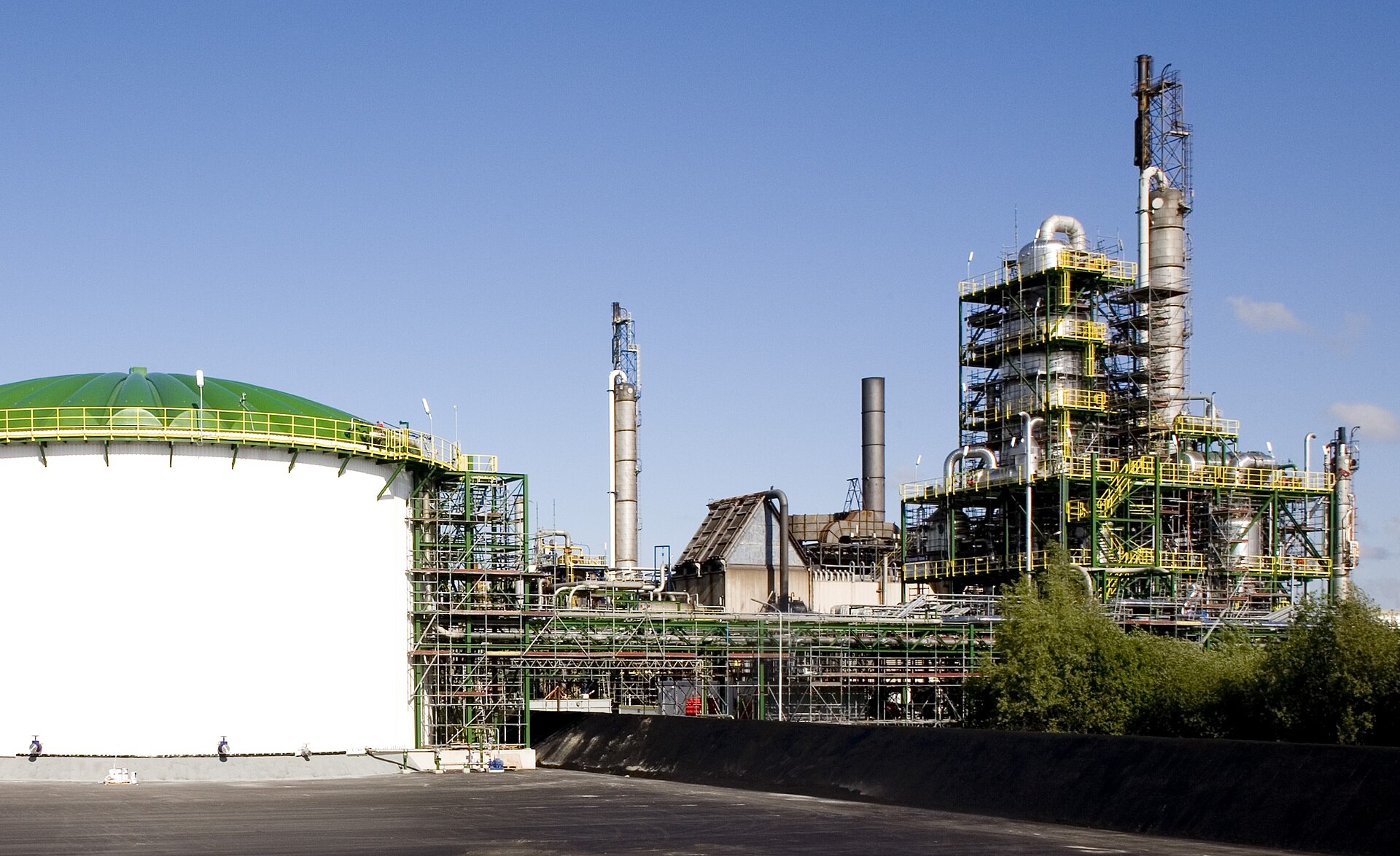
None of that makes the project unserious. It makes the announcement a plan rather than a result, and the distinction matters because chemical recycling announcements have a poor track record of converting into operating tonnes.
What would make "circular" a fair word
Two conditions, both auditable. First, transparent mass balance: how much input carbon leaves as saleable BTX, how much as by-product, how much as process energy and CO2. A 70–80% reduction claim is only as good as the boundary drawn around it. Second, the fate of the products the BTX ends up in — aromatics that become a coating on a landfilled substrate have not closed any loop.
The honest position on Delfzijl in 2026 is that the mechanism is sound, the feedstock problem is real, and the numbers to watch — yield, catalyst life, by-product fate, net cost per tonne — will not exist until 2028 at the earliest.
References and image credits›
- 01Covestro — Covestro-backed BioBTX to produce aromatics from waste
- 02BioBTX — company overview and timeline
- 03ISPT — Circular Aromatics: turning waste into high-value circular plastics
Crispin Purdye, Wikimedia Commons, CC BY-SA 2.0 · Grendelkhan, Wikimedia Commons, CC BY-SA 4.0 · Lauri Veerde, Wikimedia Commons, CC BY-SA 4.0 · Hughesy127, Wikimedia Commons, CC0 · Lauri Veerde, Wikimedia Commons, CC BY-SA 4.0 · Pitt Fotografie, Wikimedia Commons, CC BY-SA 3.0