
SiTration and BHP want to mine copper out of mine wastewater
A one-month pilot at a historic Arizona copper site aims to plate saleable copper out of legacy mine water using filtration plus electro-extraction. The bench numbers are strong. The scale numbers do not exist yet.
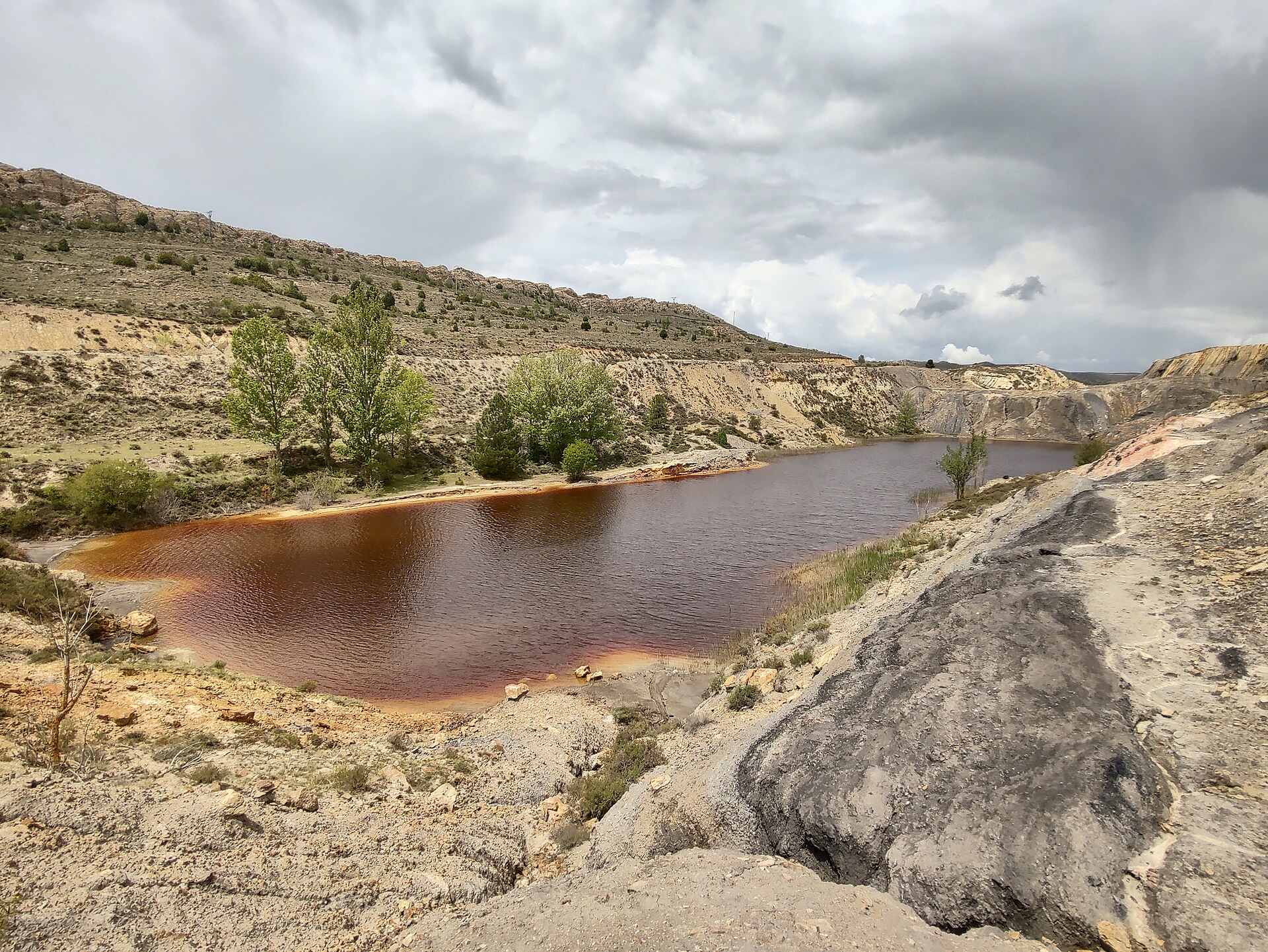
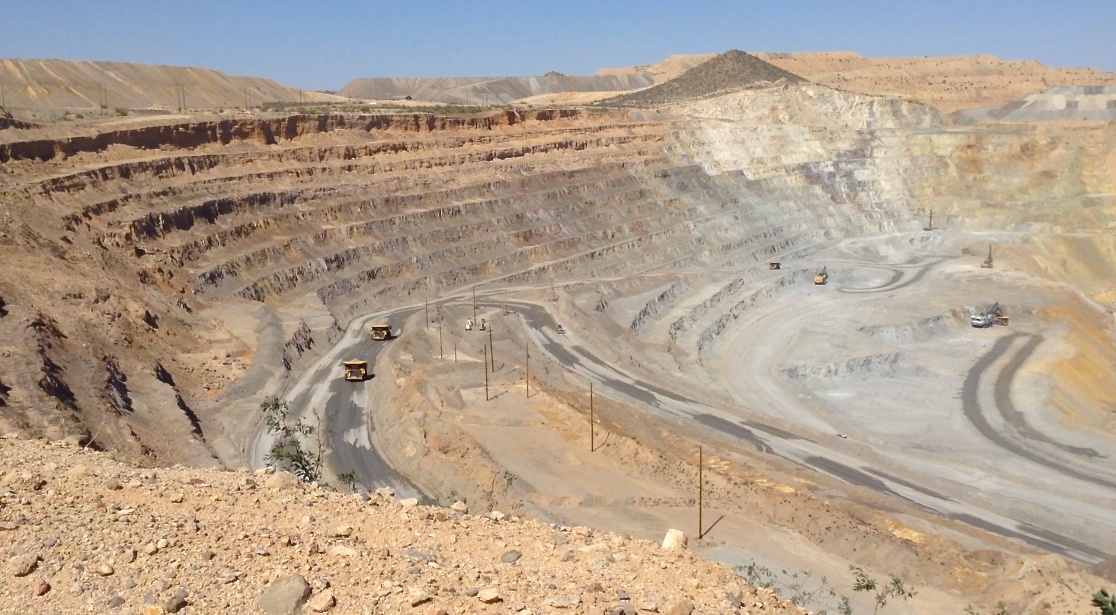
On 20 August, BHP and MIT spin-out SiTration announced a two-stage pilot at the Copper Cities site in Arizona: take legacy mine water — dilute, acidic, metal-bearing — and recover saleable copper from it while improving the water.
This is a good teardown subject precisely because the idea is plausible. Treating that water is already a permanent cost. If the treatment paid for itself, the economics of mine closure would change.
The waste stream is the point
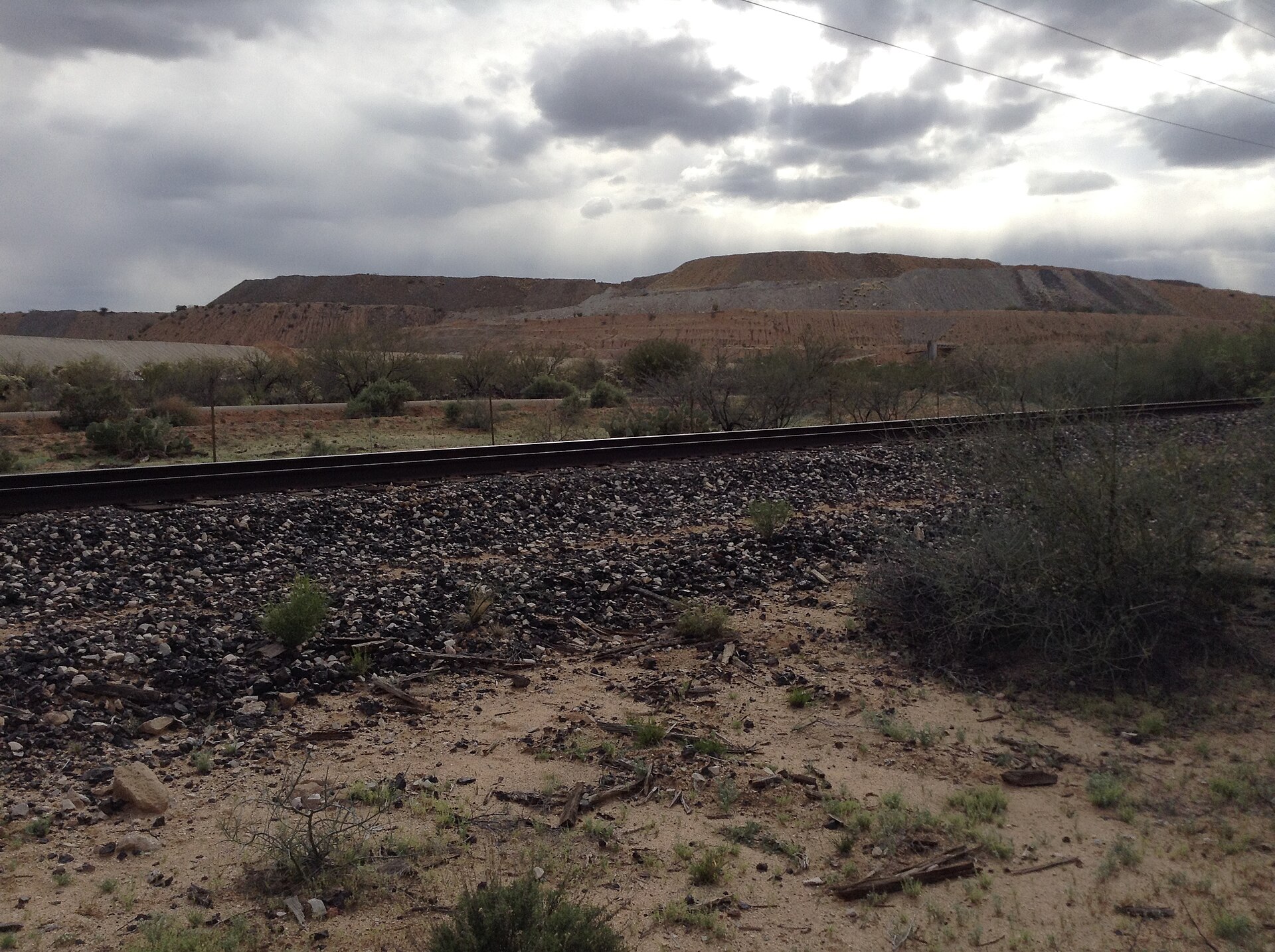
When sulphide minerals in exposed rock and tailings meet water and oxygen, they oxidise and generate sulphuric acid. The acidified water then mobilises metals out of the surrounding rock. The result is a low-pH stream carrying copper, iron, aluminium and whatever else is present — usually at concentrations too low to be worth recovering and too high to discharge.
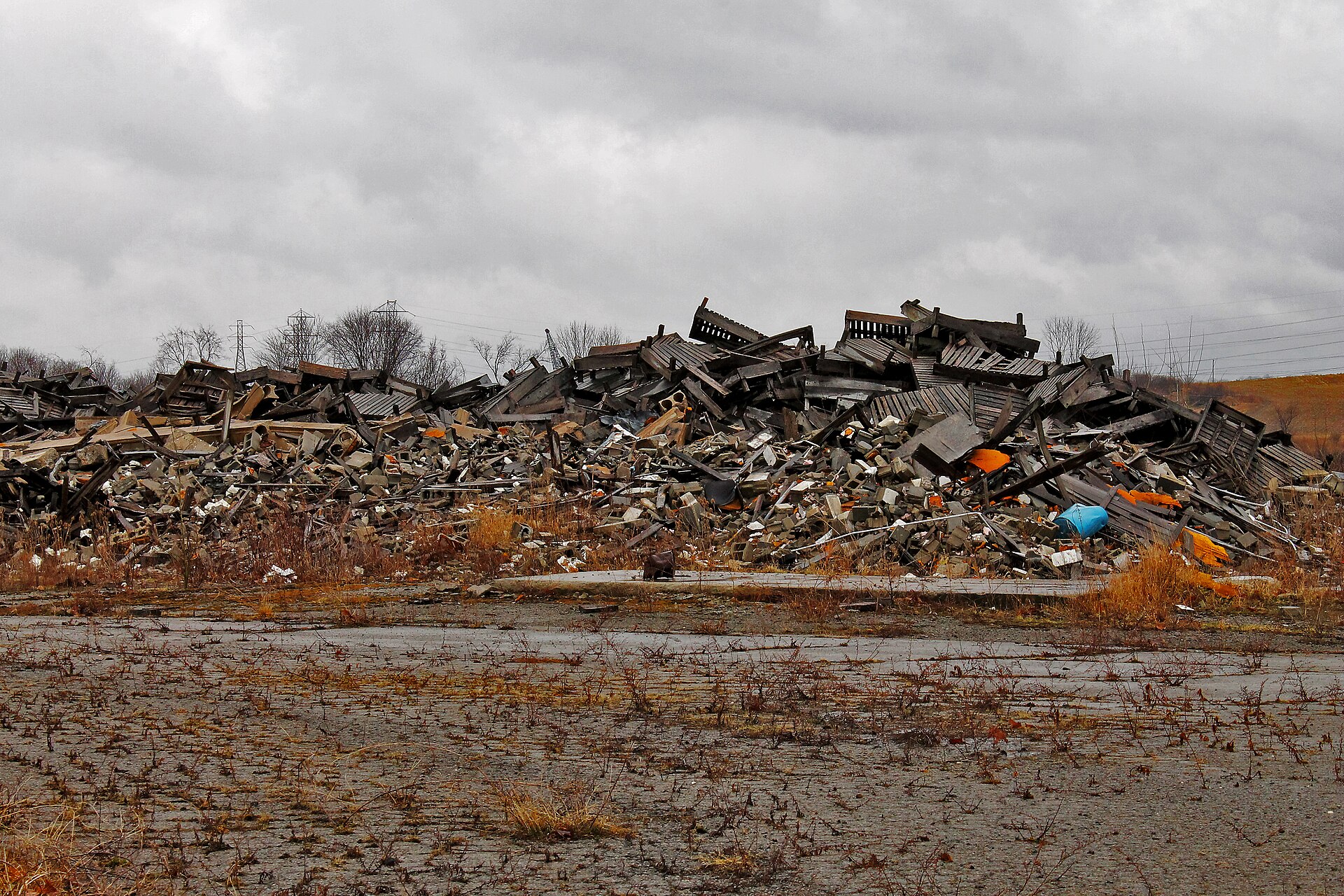
Conventional treatment neutralises the acid with lime and precipitates the metals as a sludge. It works, it consumes reagents forever, and it produces a new waste that has to be disposed of. Any process that avoids both of those is worth taking seriously.
Two stages, both conventional in isolation
SiTration's approach pairs silicon-based filtration with electro-extraction. Filtration concentrates or rejects ions to produce a stream the second stage can work with; electro-extraction then plates copper out of solution onto a cathode.
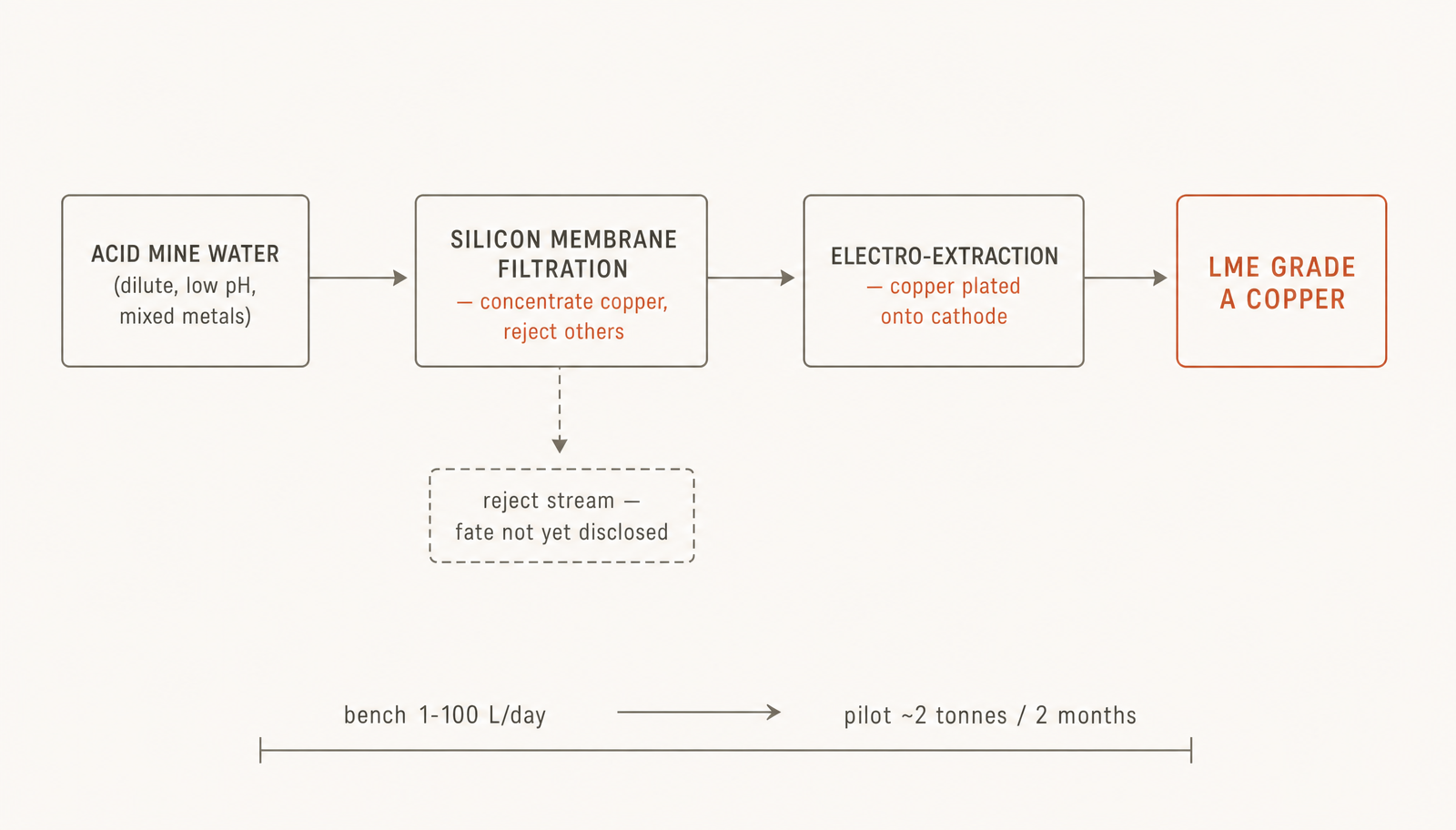
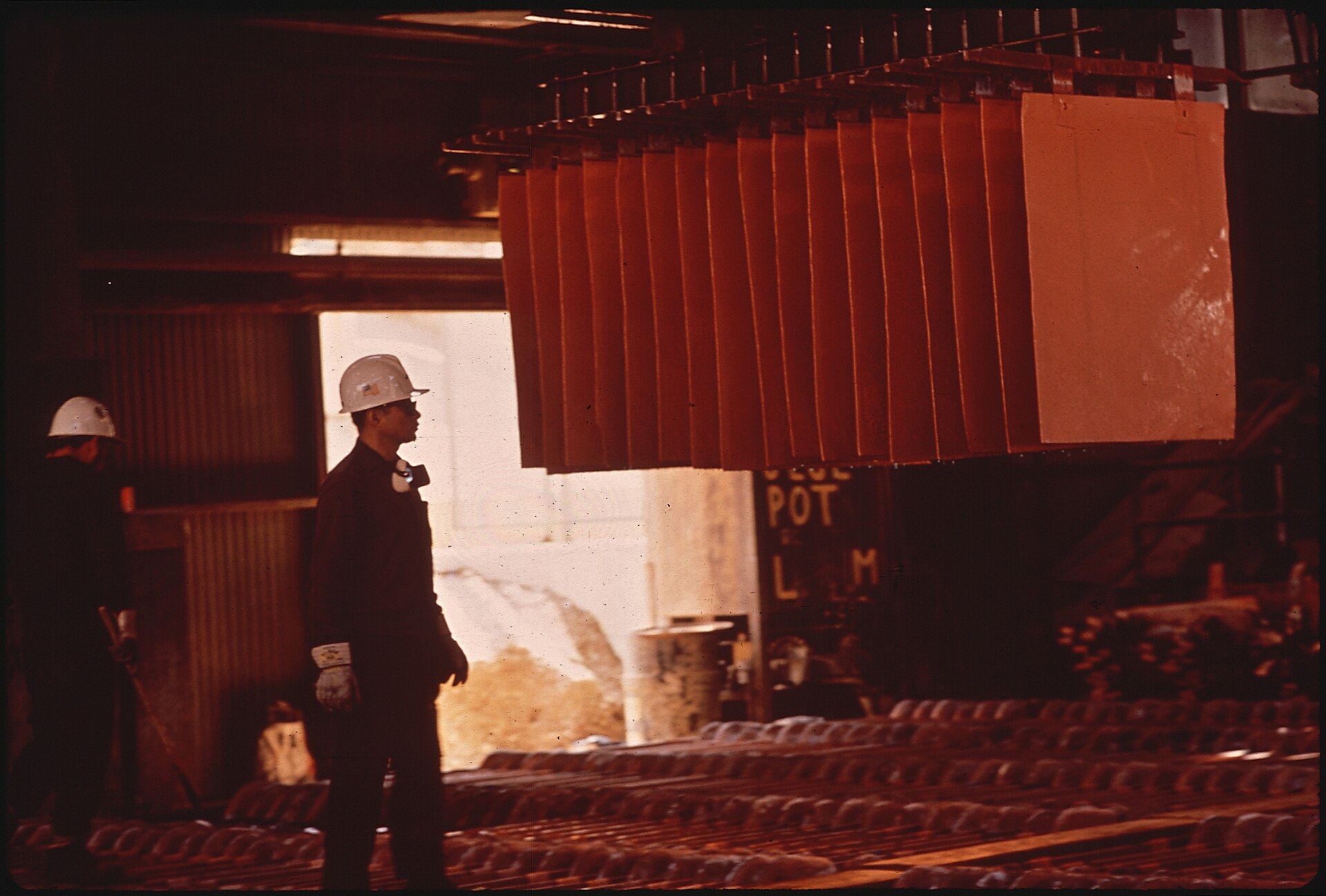
Electrowinning copper from solution is a century-old industrial process. The novelty is not the plating step; it is doing it on a feed this dilute and this variable without a conventional solvent-extraction circuit in front of it.
What the numbers actually cover
The Arizona announcement describes a validation plan, not an operating result. The first pilot runs about one month; a larger deployment later this year targets up to two tonnes of copper cathode over two months.
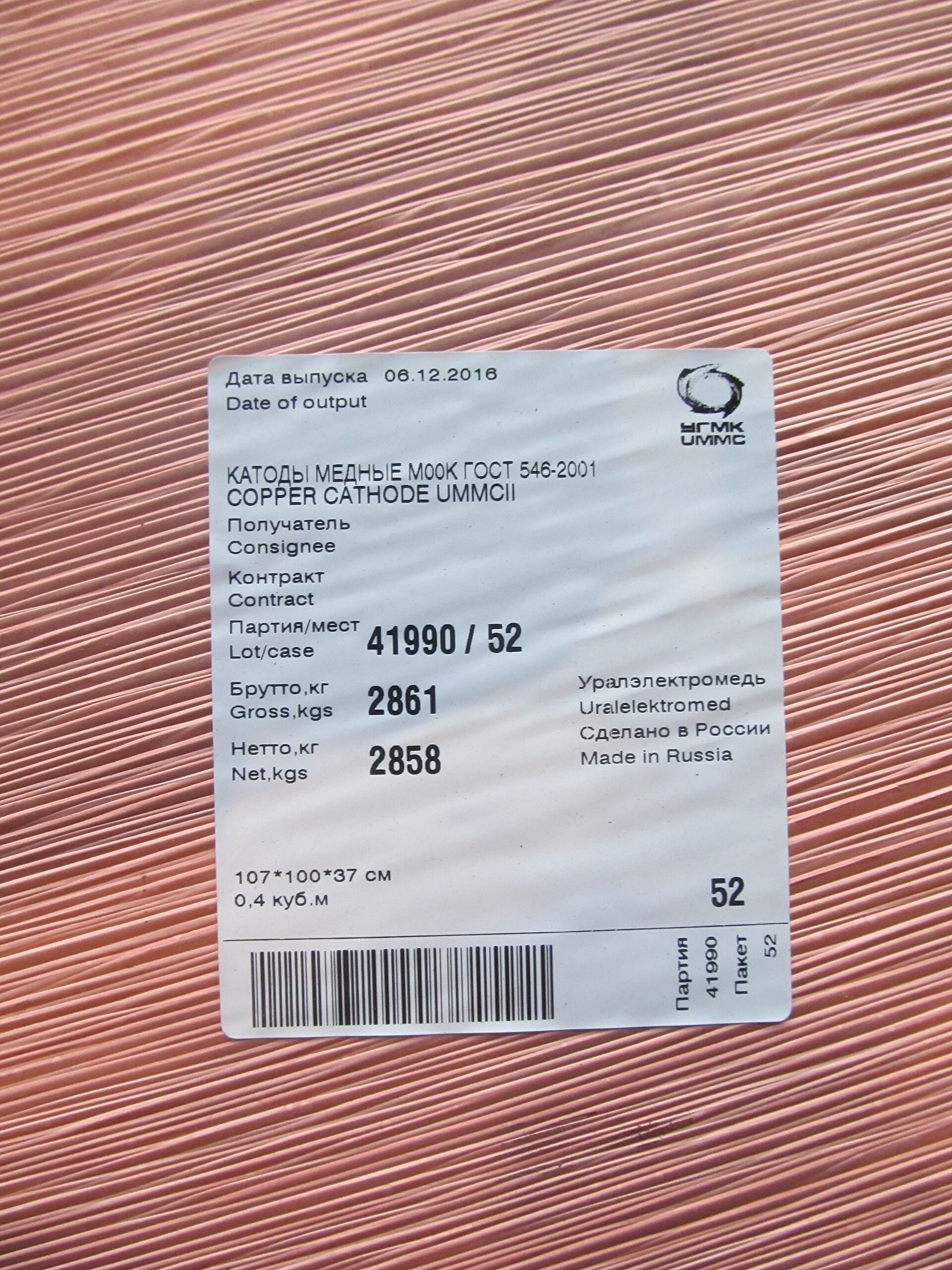
The companies report bench testing on real site feedstock that produced LME Grade A copper with no added chemicals and no new waste products. The associated Mine Closure paper reports throughput of 1–100 litres per day, copper yields as high as 97%, purity above 99.9%, and energy efficiency of 2–5 kWh/kg.
Those are good results at that scale. Read the scale again: one to a hundred litres a day. A mine water treatment plant is measured in litres per second.
The gaps that matter
Throughput and uptime. Two tonnes over two months is a rounding error against mine-water flows. Nothing has been disclosed about sustained flow rate or the fraction of time the system runs.
Consumables. Membranes foul and electrodes degrade. Silicon-component and electrode replacement rates, and their cost, are the difference between an attractive kWh/kg figure and an unattractive dollar-per-kilogram figure.
Variability. Real mine water changes with rainfall, season and which part of the workings it drained through. pH swings, suspended solids and competing ions all attack both stages. Bench work on a sample does not test this.
"No new waste." This needs operational accounting rather than a claim. Concentrated rejects, spent membranes and electrodes, and any downstream polishing step all have to be characterised before the phrase is earned.
Who authored the data. The strongest published results are company-authored and cover lab and pilot-scale work. That is normal at this stage; it is also why independent, long-duration data would materially change how much weight the claim can carry.
The real question
Whether copper can be plated from a sample of acid mine drainage is settled — it can. The open question is whether a variable, dilute, corrosive stream can be treated continuously, at a cost and reliability that beats lime precipitation, while meeting discharge limits and accounting for every residual.
Three numbers would answer it: sustained flow rate, uptime, and net cost per kilogram after consumables. None of the three has been published.
References and image credits›
- 01BHP — BHP and SiTration test new copper recovery technology at historic Arizona site
- 02SiTration and BHP — Arizona pilot announcement (GlobeNewswire)
- 03Australian Centre for Geomechanics — Chemical-free remediation and valorisation of raw acid mine drainage
Jack Pearce, Wikimedia Commons, CC BY-SA 2.0 · Joyce Cory, Wikimedia Commons, CC BY 2.0 · Cornelius M. Keyes, US National Archives, public domain · Niklitov, Wikimedia Commons, CC BY-SA 4.0 · Joyce Cory, Wikimedia Commons, CC BY 2.0