
When a landfill "catches fire" without a flame
An Elevated Temperature Landfill is not a fire. It is a landfill where heat outruns the gas system, the methane-making microbes die, and chemistry takes over — without needing oxygen, which is exactly why it is so hard to stop.
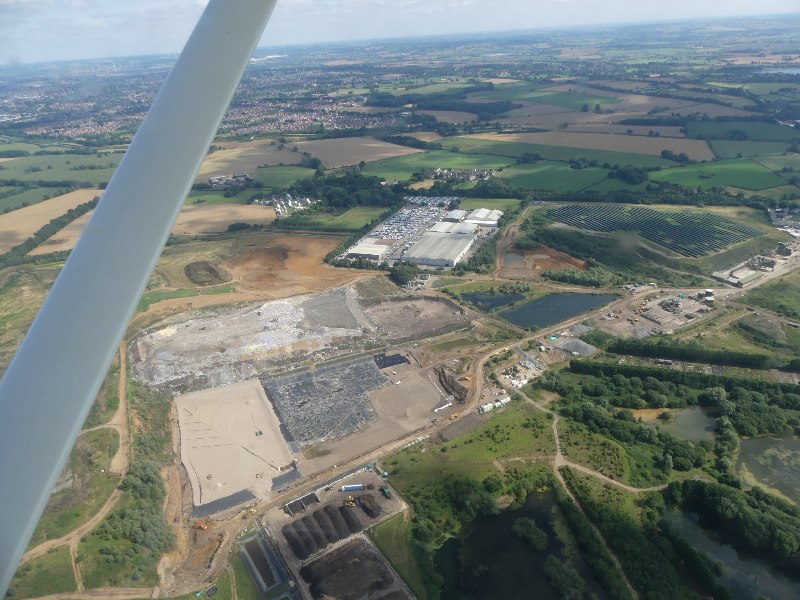
A landfill that is overheating does not look like a fire. There is no flame, often no smoke, and sometimes nothing at the surface at all except a smell that will not go away and ground that keeps settling. Underneath, the reaction that was supposed to be biological has stopped being biological.
A Bloomberg Businessweek investigation published on 20 August reviewed public records from 100 landfills across 20 states and found subsurface temperatures regularly exceeding federal thresholds — frequently without a matching response from operators or regulators.
A landfill is a biological reactor
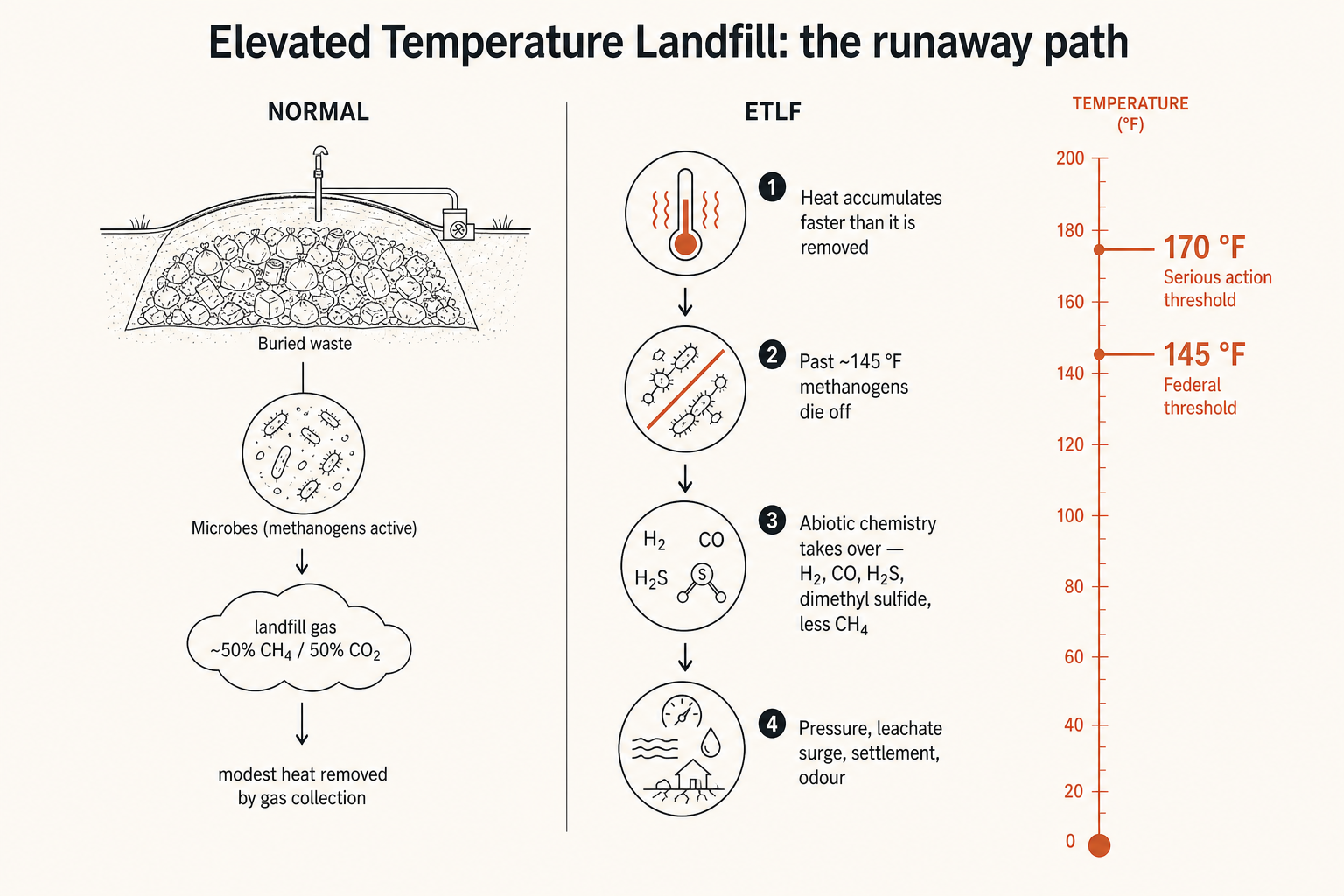
Buried waste decomposes anaerobically. Microbes — methanogens, at the end of the chain — convert organic material into landfill gas that is roughly half methane and half carbon dioxide, releasing a modest amount of heat along the way.
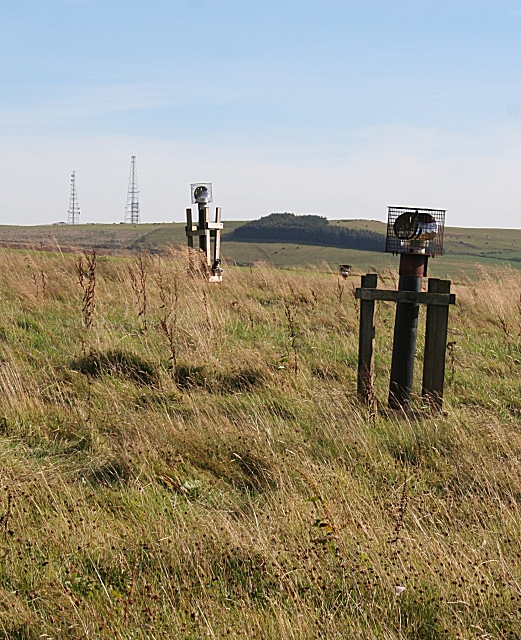
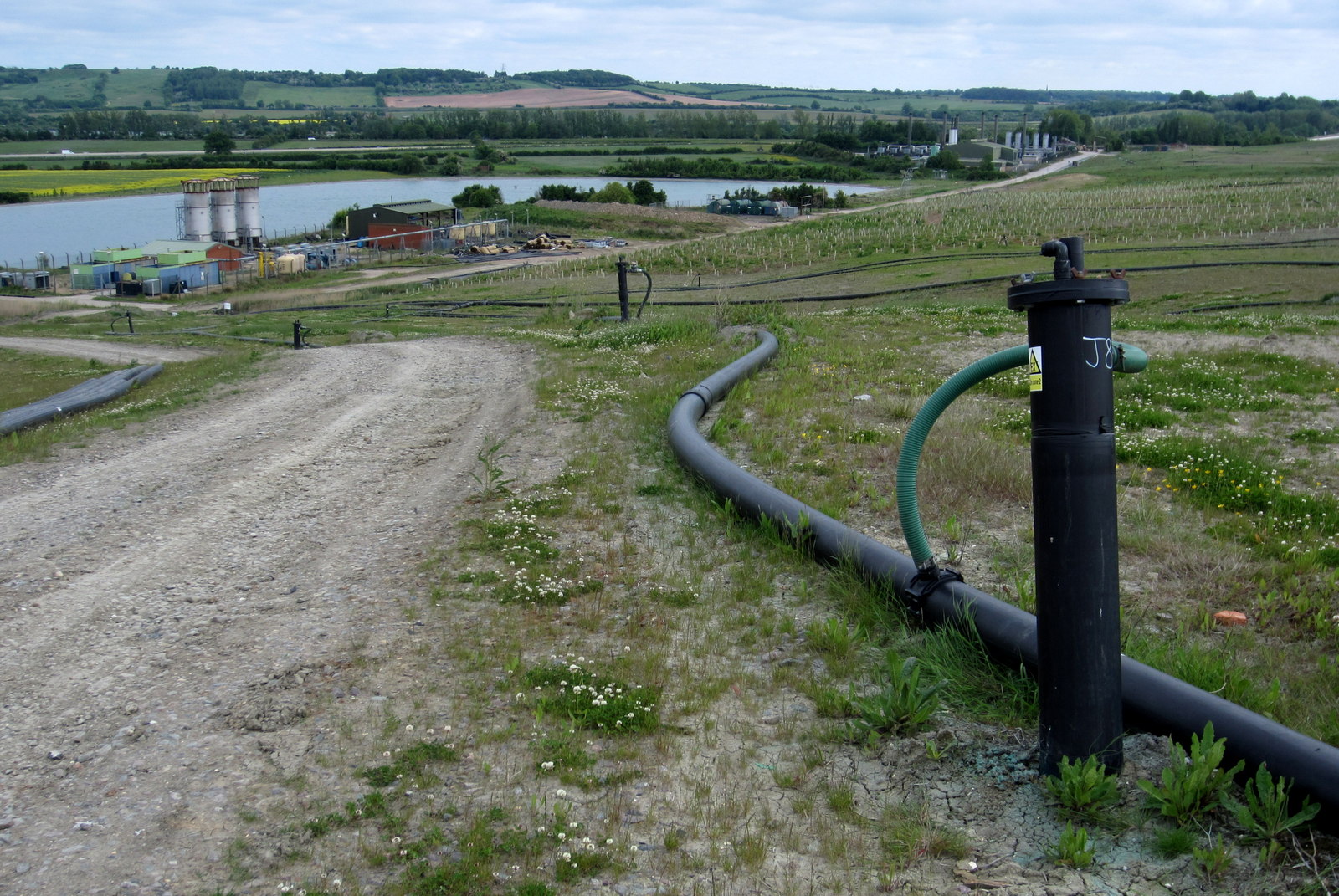
That heat is normal. A gas-collection system pulls the gas out through wells, and with it, most of the heat. The system stays in balance because the rate of heat generation and the rate of heat removal are roughly matched.
An ETLF is what happens when heat cannot escape
In an Elevated Temperature Landfill, heat accumulates faster than the gas system removes it. Push past roughly 145 °F — the federal flag — and the methanogens start dying off. They are mesophilic organisms; they have a temperature ceiling, and the landfill crosses it.
Biology gives way to chemistry
Once methanogenesis stalls, abiotic reactions take over — non-biological chemistry that becomes self-sustaining. The gas mix changes: more hydrogen, carbon monoxide, hydrogen sulfide and dimethyl sulfide; less methane.
The symptoms cascade
Rising temperature raises pressure. Pressure pushes hot gas and vaporised leachate outward through whatever path exists — the cover, the sidewalls, the gas system running backwards.
Leachate volumes spike. Bloomberg cites one Virginia site producing over a million gallons per month by late 2025 — liquid that is hotter, more concentrated, and more expensive to treat than ordinary leachate.
The surface settles and cracks as the waste mass loses volume unevenly. Odours intensify, driven by the sulfur compounds the new chemistry produces. The cover system — the engineered barrier the whole containment depends on — can be compromised by exactly the settlement it is meant to sit on top of.
Why it is hard to stop
The instinct is to add water. Operators cannot: liquid can feed the reaction, mobilise contaminants, or both.
What is left is slower. Re-balancing gas extraction so no well is over-drawn. Isolating the hot zone. Managing enormous volumes of contaminated leachate. These are multi-year programmes, not interventions.
More common than the public assumes
Of the 100 landfills Bloomberg reviewed, 20 had reported temperatures at or above the 170 °F serious-action threshold at some point over the past two decades. More than a million people live within five miles of those 20 sites.
The promise
The warning signs are measurable and they are already being collected at most sites: wellhead temperature, gas composition, settlement surveys, leachate volumes. An operator watching those four together can see a site drifting well before it becomes a crisis, and re-tune gas collection while re-tuning is still enough.
The catch
Nobody can say definitively what causes an ETLF. The industry's own investigations describe contributing factors that vary site to site and are "not well understood." Reactive wastes — aluminium dross, ash, lime — leachate recirculation, and over-drawn gas systems have all been implicated.
That means there is no screening test. No operator can look at an incoming load and know whether it is the one that starts the clock, and no regulator can inspect for a condition that has no reliable precursor signature.
References and image credits›
- 01Bloomberg Businessweek — US Landfills Are Overheating, and Experts Are Sounding the Alarm
- 02U.S. EPA — Elevated Temperature Landfills (ETLFs)
- 03U.S. EPA — Chiquita Canyon Landfill, Castaic, CA
- 04Los Angeles County — CalRecycle Chiquita Canyon odour analysis
- 05U.S. EPA LMOP — Basic information about landfill gas
Simon Tomson, Wikimedia Commons, CC BY-SA 2.0 · Anne Burgess, Wikimedia Commons, CC BY-SA 2.0 · Philip Jeffrey, Wikimedia Commons, CC BY-SA 2.0 · PhilMacD, Wikimedia Commons, CC BY-SA 3.0 · John Haynes, Wikimedia Commons, CC BY-SA 2.0 · TCExplorer, Wikimedia Commons, CC BY-SA 2.0