
How a car engine becomes a chemical plant that makes fuel from landfill gas
Emvolon just signed a $450M offtake deal with Freepoint. The mechanism underneath it is unexpectedly simple: run a mass-produced automotive engine deliberately fuel-rich and it stops being a combustor and starts being a reformer.
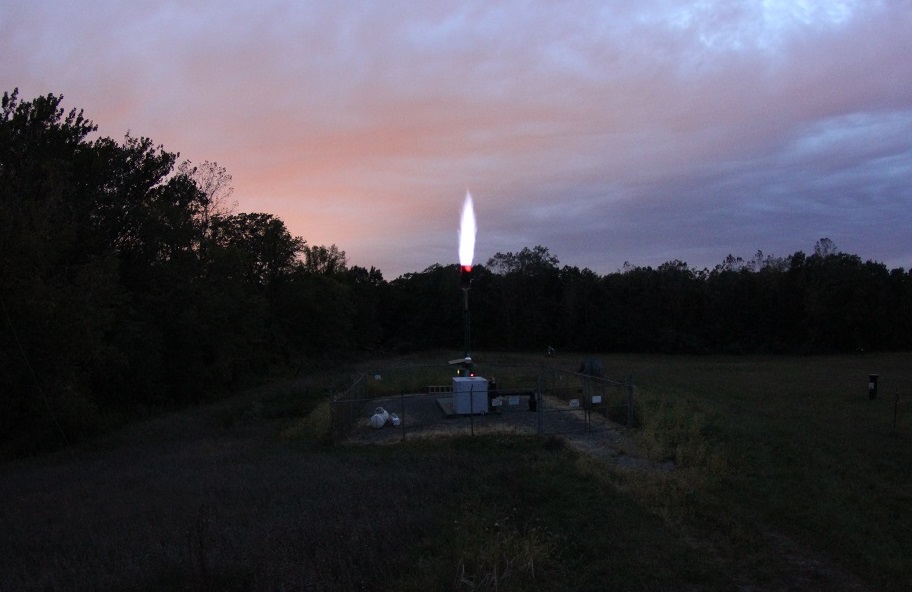
Most methane from landfills, digesters and wastewater plants has two fates. It gets flared — destroyed, converted to CO2, monetised at zero — or it gets cleaned up and pushed down a pipeline to somewhere large enough to use it.
The second option only pencils out if the site is big and the pipeline is close. Thousands of sites are neither.
Emvolon, an MIT spinout, signed a seven-year, $450 million purchasing and financing deal with commodities trader Freepoint on 27 August to turn that stranded gas into methanol. The reason the economics work at small sites is the reactor they chose.
Do not build a reformer. Buy an engine.
A conventional syngas plant is a custom-built, high-temperature reformer — bespoke metallurgy, long lead times, capital costs in the hundreds of millions. It only makes sense at enormous scale.
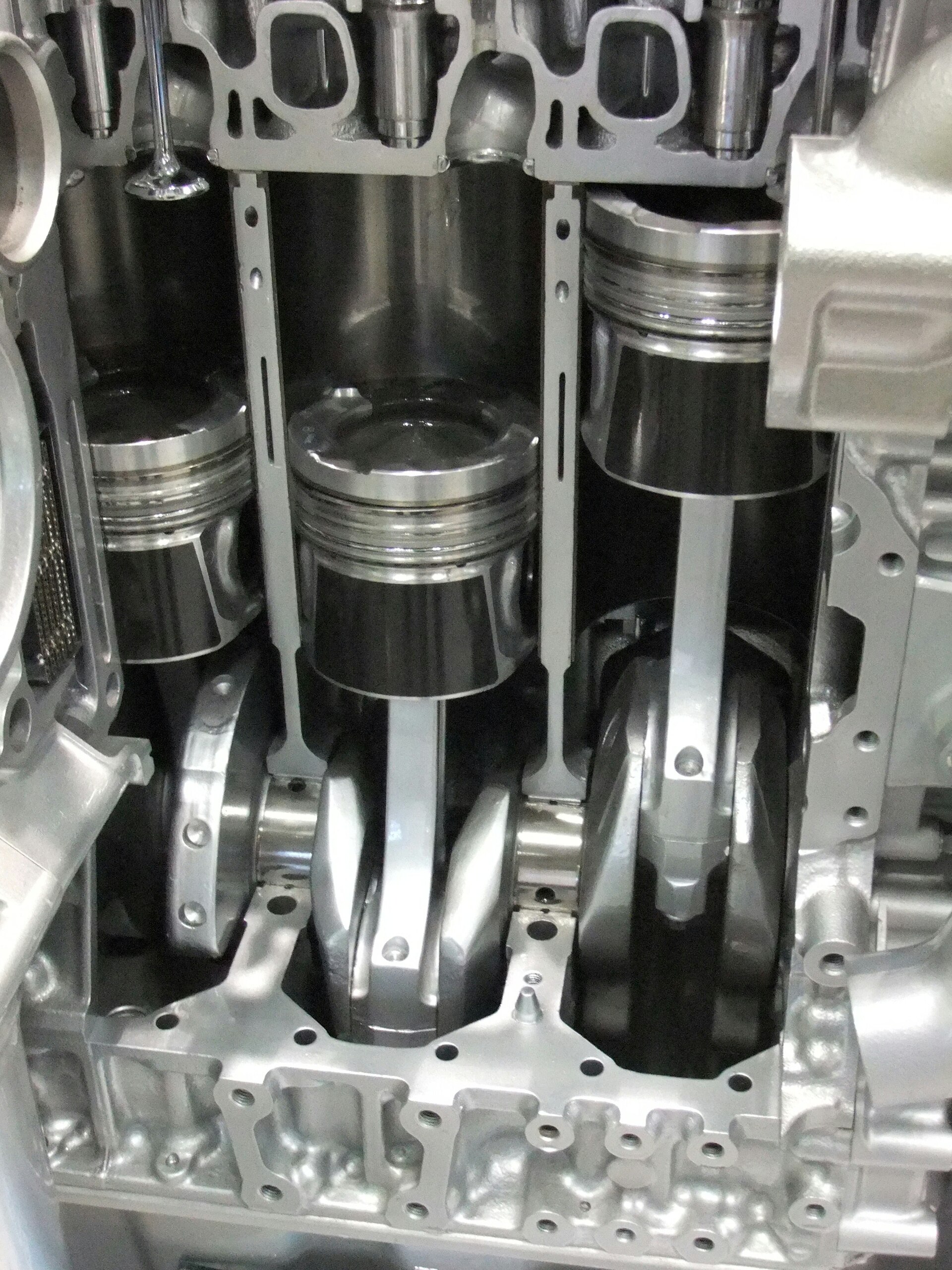
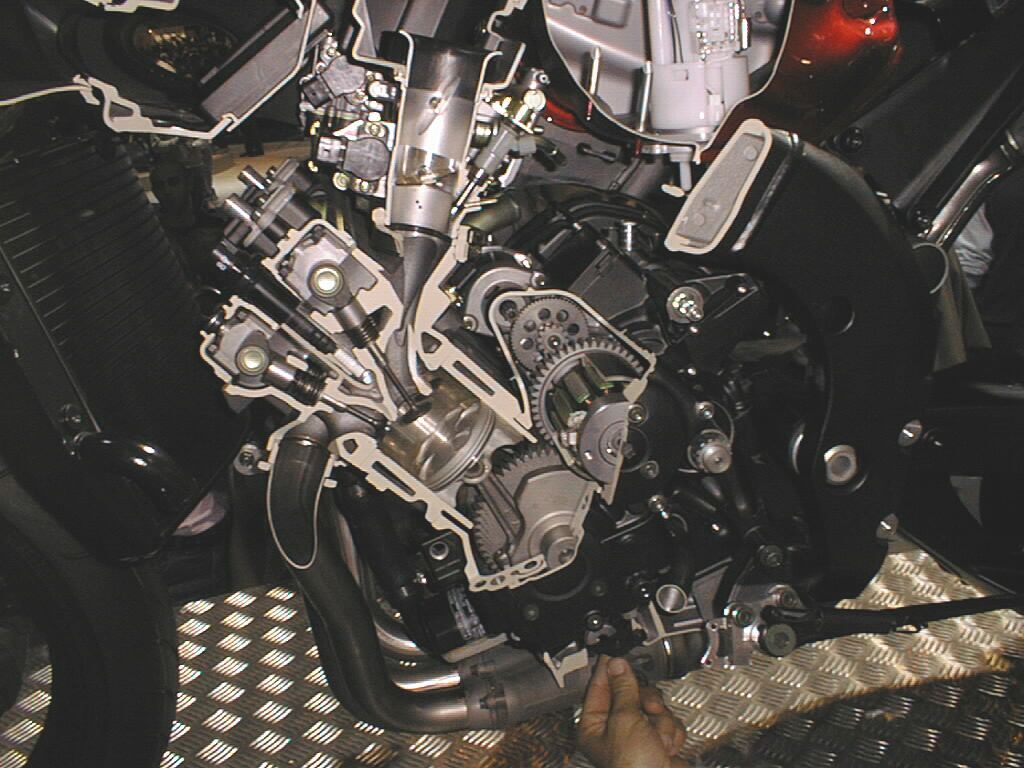
An internal combustion engine is a pressure vessel with precise fuel and air metering, produced by the million, serviceable by ordinary mechanics, and cheap.
Running it wrong, on purpose
An engine tuned for power burns methane completely: methane plus oxygen gives CO2 and water. Emvolon does the opposite. They run the cylinders fuel-rich — injecting more methane than the available oxygen can fully oxidise.
Starved of oxygen, combustion stops short. Instead of CO2 and water you get syngas: carbon monoxide and hydrogen, the classic feedstock pair for chemical synthesis.
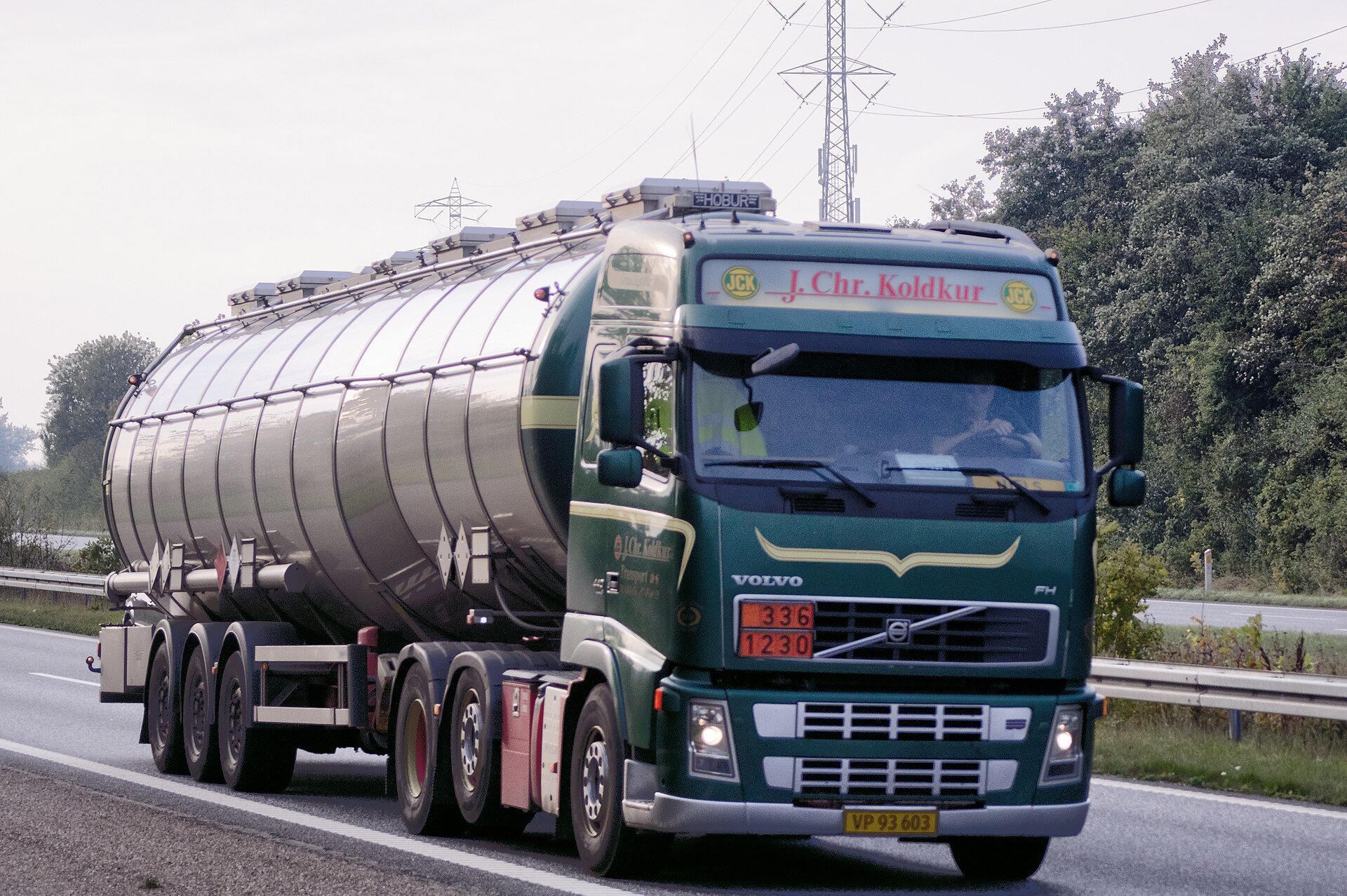
That syngas then passes over a catalyst and is synthesised into methanol — a stable liquid at ambient conditions that can be pumped into an ordinary iso-tanker and driven away.
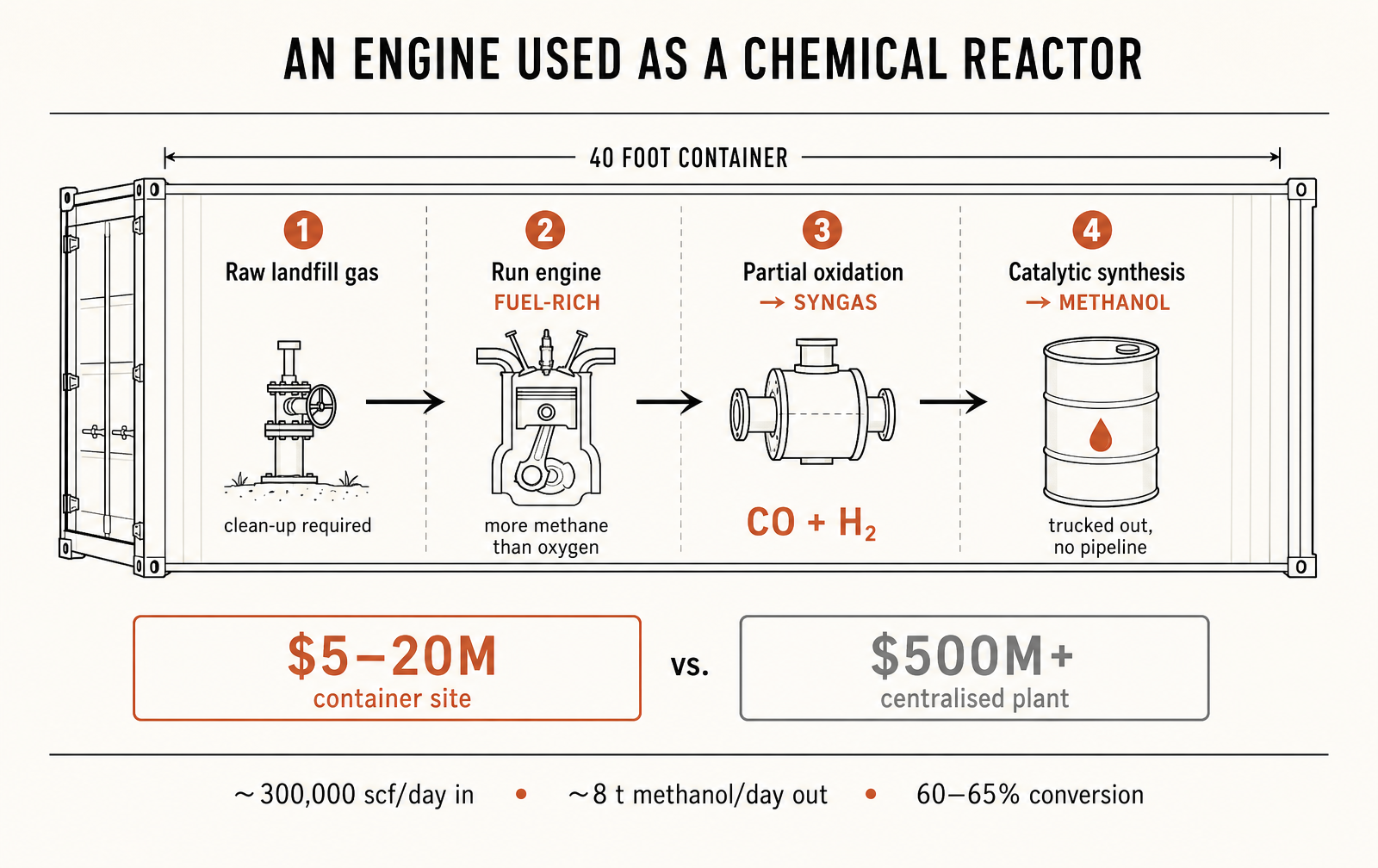
The whole assembly fits in a 40-foot shipping container and runs on its own residual gas — no grid connection, no pipeline interconnect, no site power upgrade.
Why the destination matters
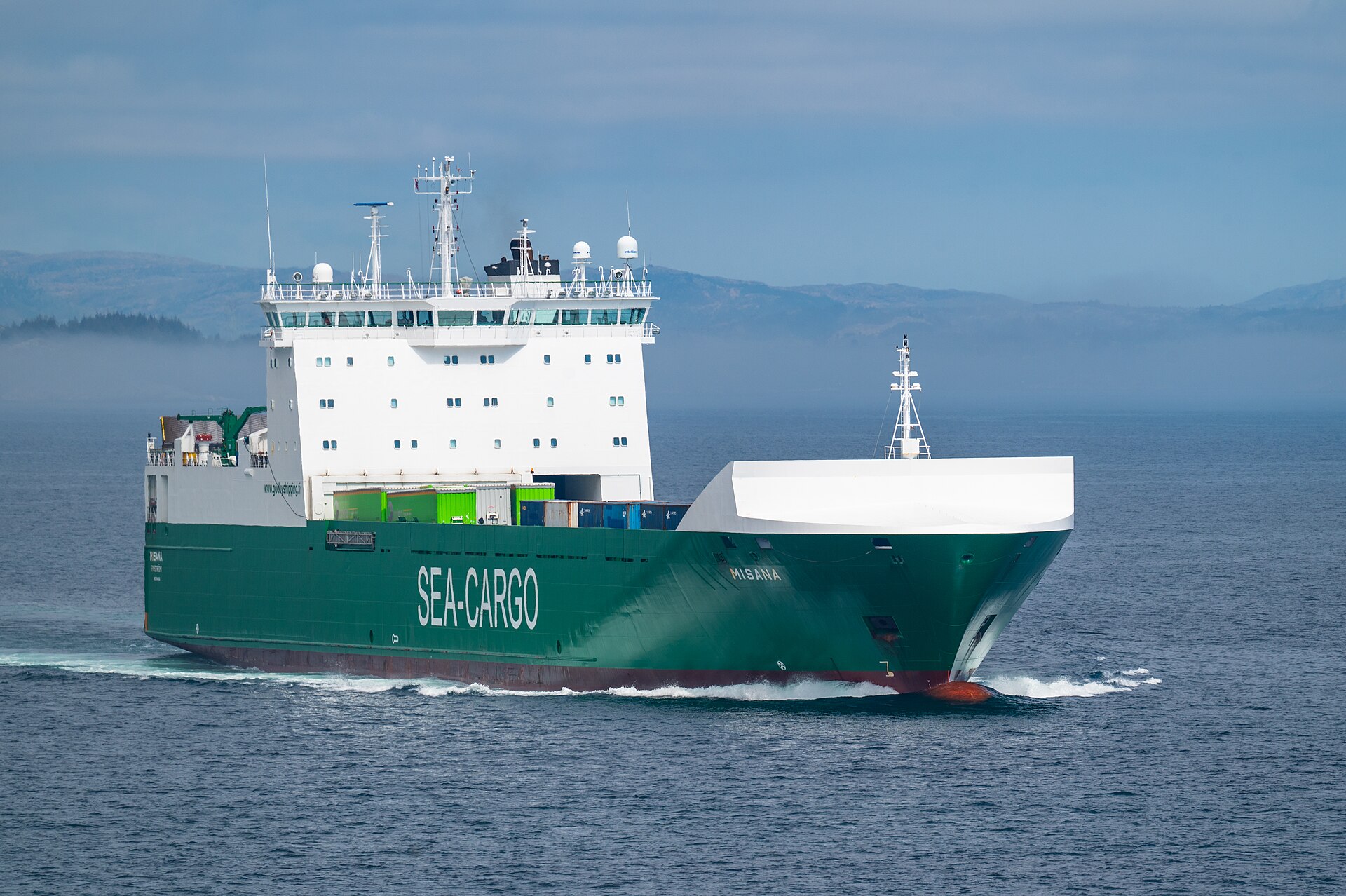
Methanol is not a niche output. It is a bulk chemical feedstock and, increasingly, a marine fuel — one of the few credible options for decarbonising shipping, which cannot easily carry batteries.
Where the gap between deal size and output sits
The headline number moving around is 300,000 tonnes of methanol annually. That is a portfolio aspiration, not a plant.
The first commercial site — at WM's Atascocita Landfill near Houston, with Montauk Renewables — is expected to produce roughly 4,000 to 5,000 tonnes per year when it starts up in 2027. That is about 1.5% of the aspirational figure, and it has not started yet.
Three other caveats travel with the pitch.
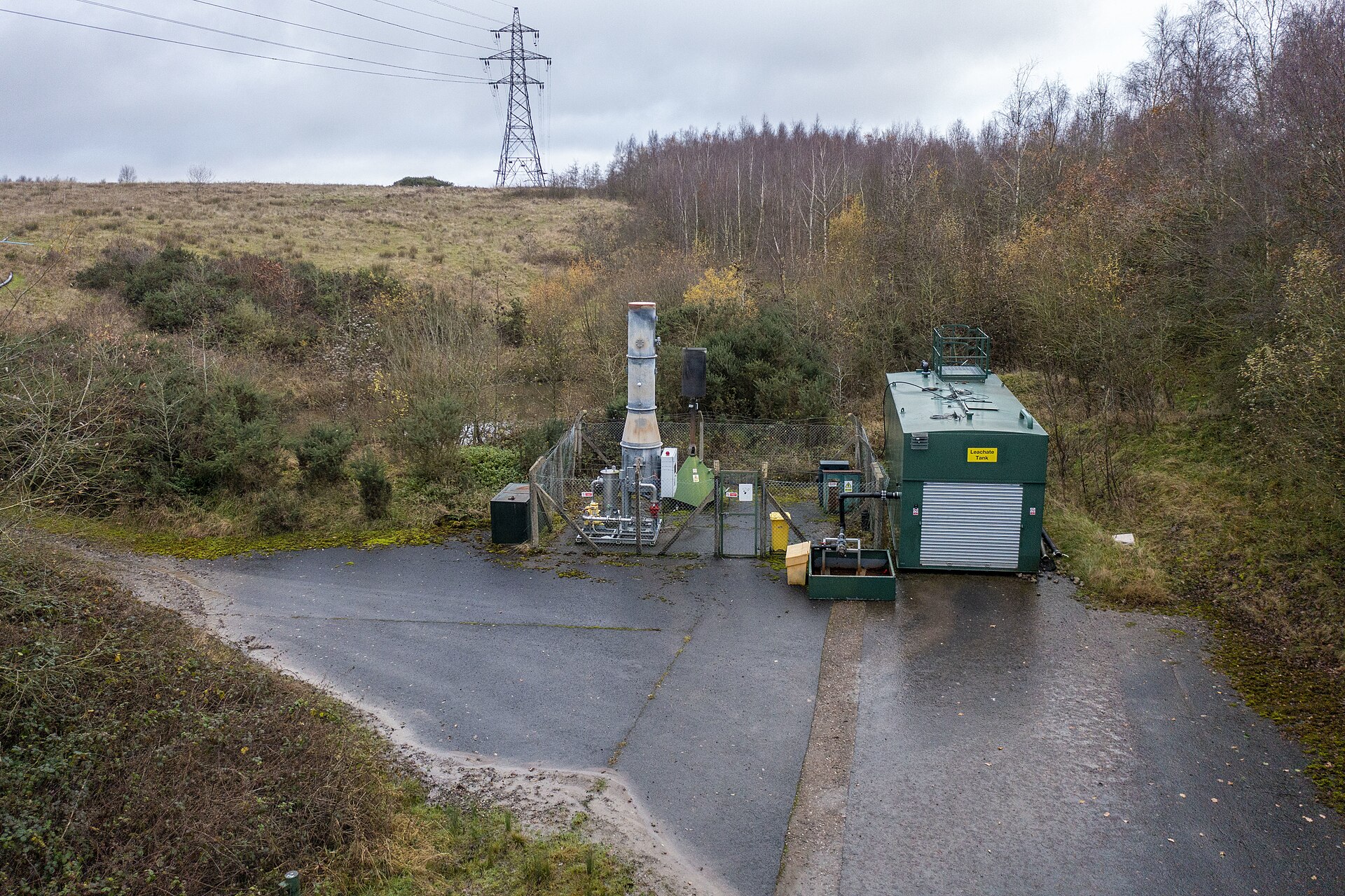
Raw landfill gas needs pre-treatment before it reaches the engine — the container is not a drop-in on an untreated wellhead.
The carbon-negative framing depends entirely on the counterfactual. If the methane would otherwise have been vented, converting it is a large climate win, because methane is roughly 28 times more potent than CO2 over a century. If the gas was already being captured and sold as renewable natural gas, the accounting is much thinner.
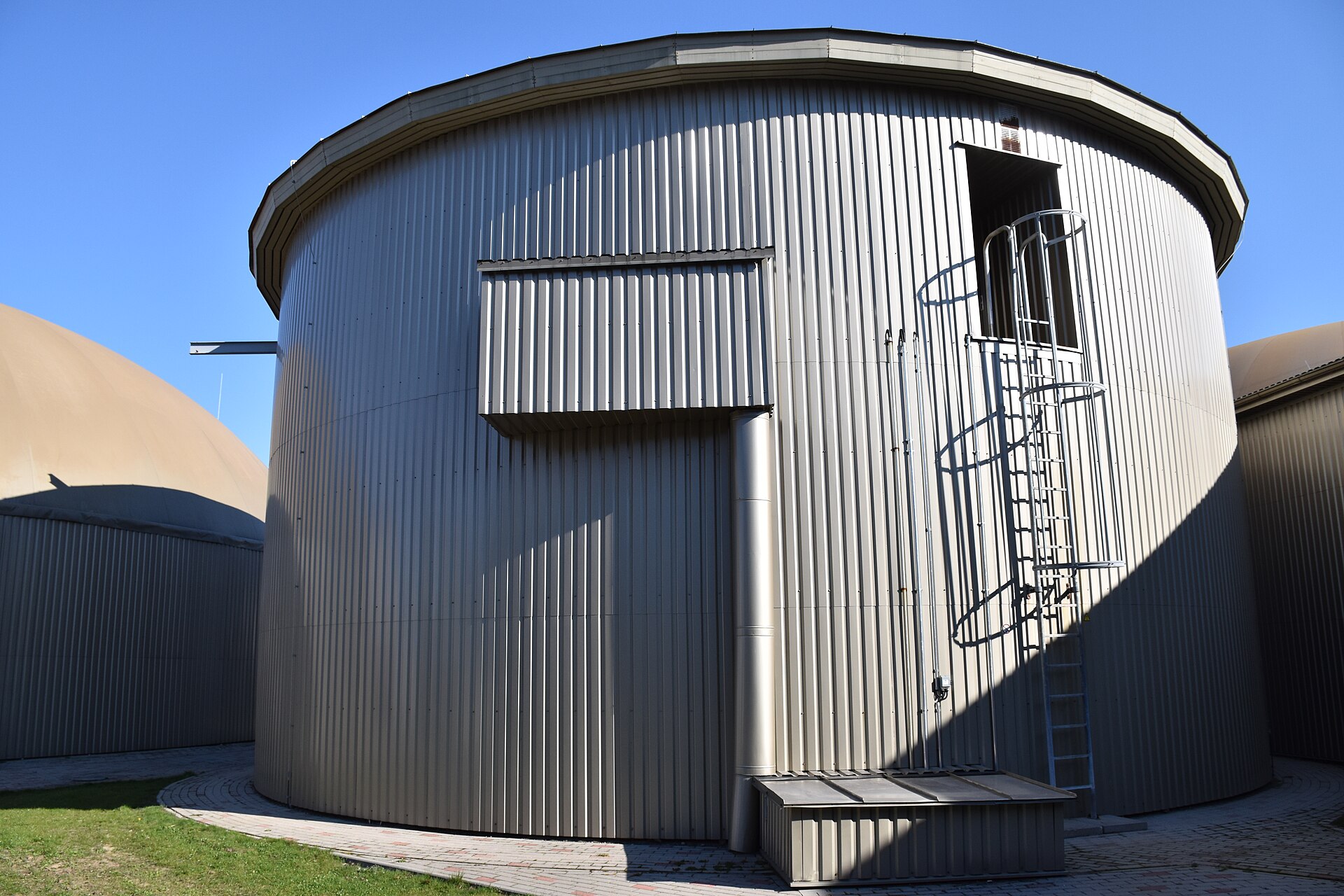
And 60–65% mass conversion efficiency means a third of the input leaves as unconverted gas or heat.
The honest read
A $450M offtake and financing agreement is a serious commercial signal, and the mechanism is genuinely clever engineering rather than a repackaged process. But the thing being financed is a first commercial site producing a few thousand tonnes a year, starting in 2027.
The right question in two years is not whether the engine makes methanol. It is whether the tenth container costs a tenth of what the first one did.
References and image credits›
- 01Reuters — Emvolon signs purchasing, financing deals with Freepoint (27 Aug 2026)
- 02Waste Dive — MIT offshoot Emvolon inks landfill-to-methanol deal with Freepoint
- 03MIT News — turning automotive engines into modular chemical plants
- 04IEEE Spectrum — tiny engines forge methanol fuel for cargo ships
Photo: Vince Reinhart, CC BY-SA 2.0 · Photo: Mj-bird, CC BY-SA 3.0 · Photo: Cjp24, CC BY-SA 3.0 · Photo: Gordon Leggett, CC BY-SA 4.0 · Photo: Lav Ulv, CC BY 2.0 · Photo: TCExplorer, CC BY-SA 2.0 · Photo: Vasyatka1, CC BY-SA 4.0 · Photo: USDA, public domain