
Vale says it will pull rare earths and gold from mining waste. Read the fine print.
Vale already produces 26.3 million tonnes of iron ore a year from material it once discarded. That is real. The rare-earth and gold announcement sitting on top of it has no element, no site, no method and no timeline.
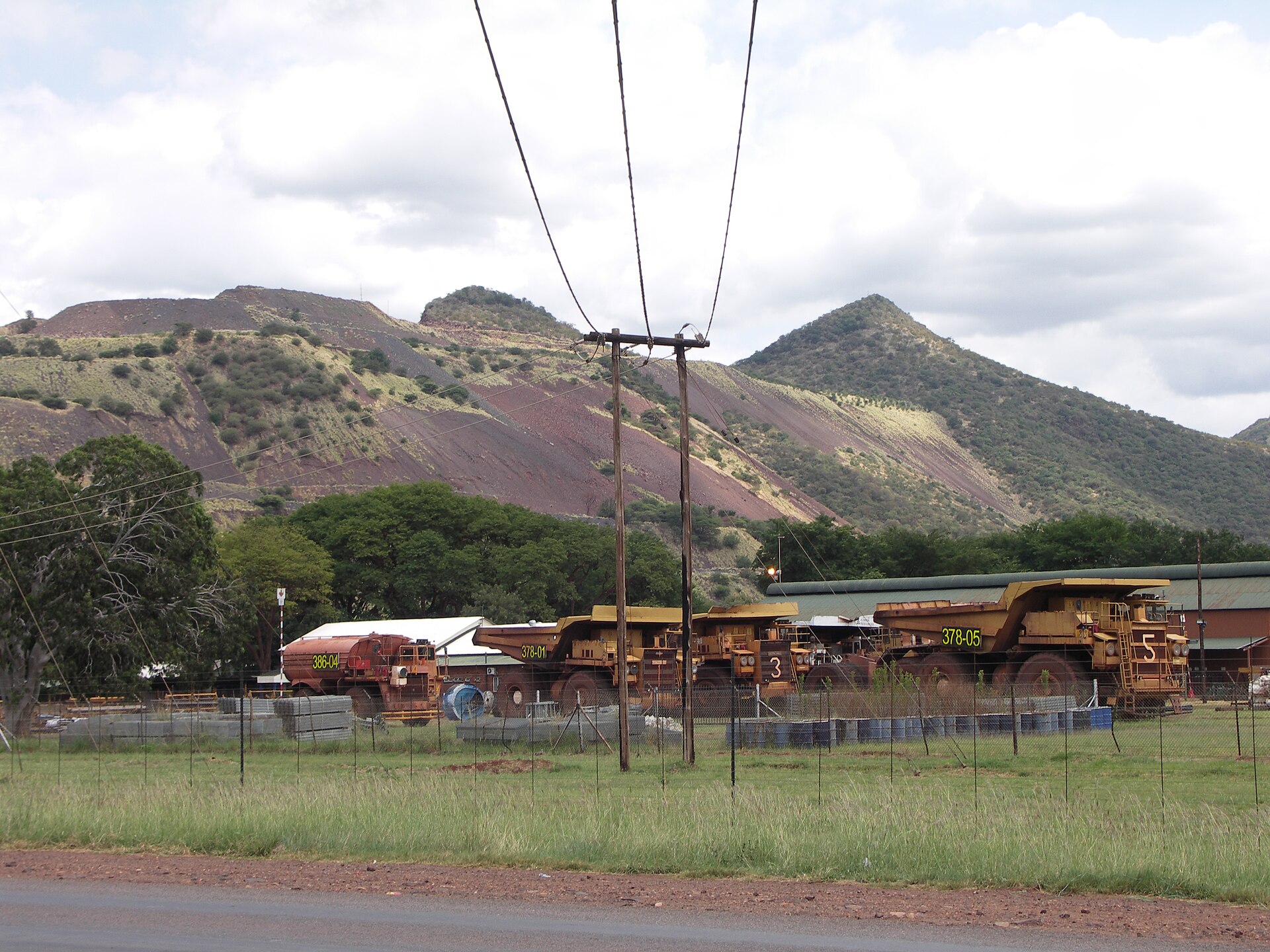
On 26 August, Reuters reported that Vale — Brazil's iron-ore giant — is studying the extraction of rare earths, gold and other minerals from its mining waste. The story travelled fast, because "critical minerals from tailings" is one of the most attractive sentences in resource circularity.
The claim itself is unusually modest. Rafael Bittar, Vale's executive technical vice president, said the research is "in its early stages" but "preliminary results have been encouraging."
That is honest phrasing. It is also, so far, the entire disclosure.
Start with what is actually proven
Dismissing this outright would be lazy, because Vale has a genuine track record on the iron side.
The Gelado operation at Carajás reclaims material from a tailings dam using electric dredging and magnetic separation. A 2-million-tonne-per-year reprocessing plant is being built at the decommissioned Gongo Soco mine. The corporate target is 10% of iron-ore production from circular sources by 2030.
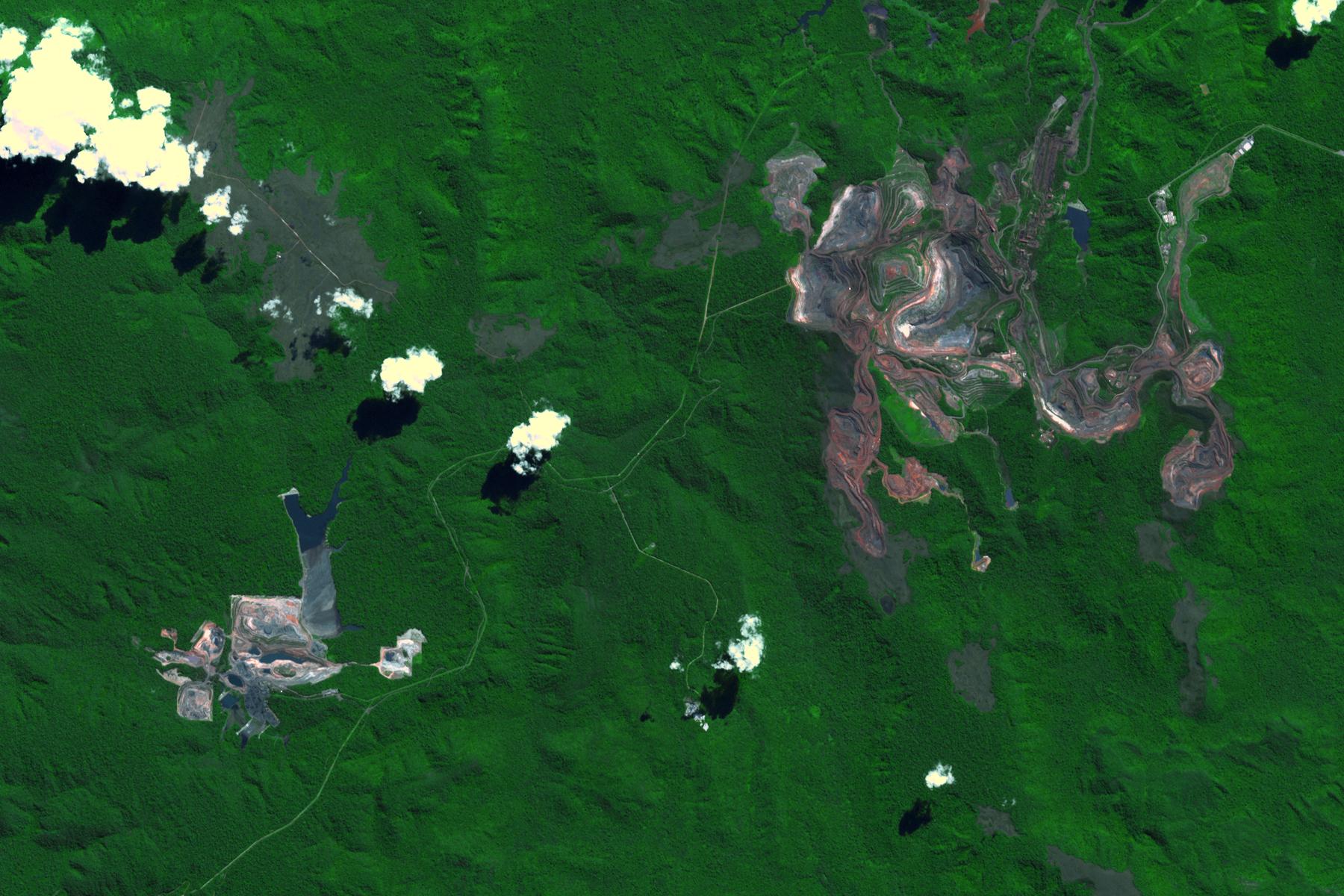
This is not a startup pitching a deck. It is an operator already running waste reprocessing at industrial scale, with the dredges, the plants and the logistics in place. That earns the rare-earth claim more benefit of the doubt than the same words from a seed-stage company.
Now separate the two claims
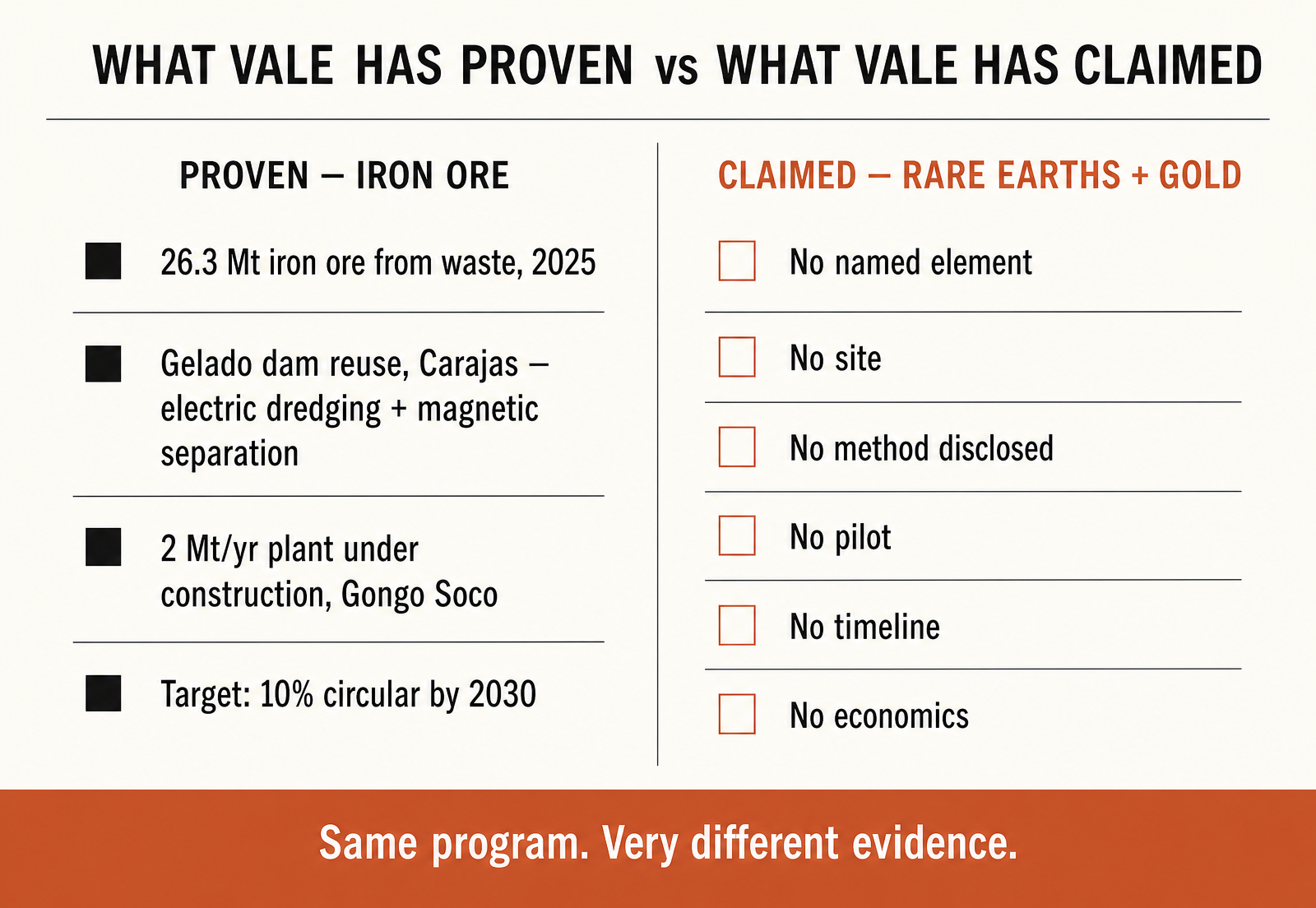
Vale is extracting rare earths and gold from mining waste.
Vale is studying whether it can. No element has been named, no site identified, no recovery method disclosed, no pilot announced, no economics published and no timeline given. The iron-ore numbers are real; they are not evidence for this.
Why iron is the easy case
Recovering iron from iron-ore tailings is the friendliest version of this problem. The target mineral is abundant in the waste, magnetically separable, and the plant already knows how to handle it.
Rare earths and gold in the same tailings are a different technical animal.
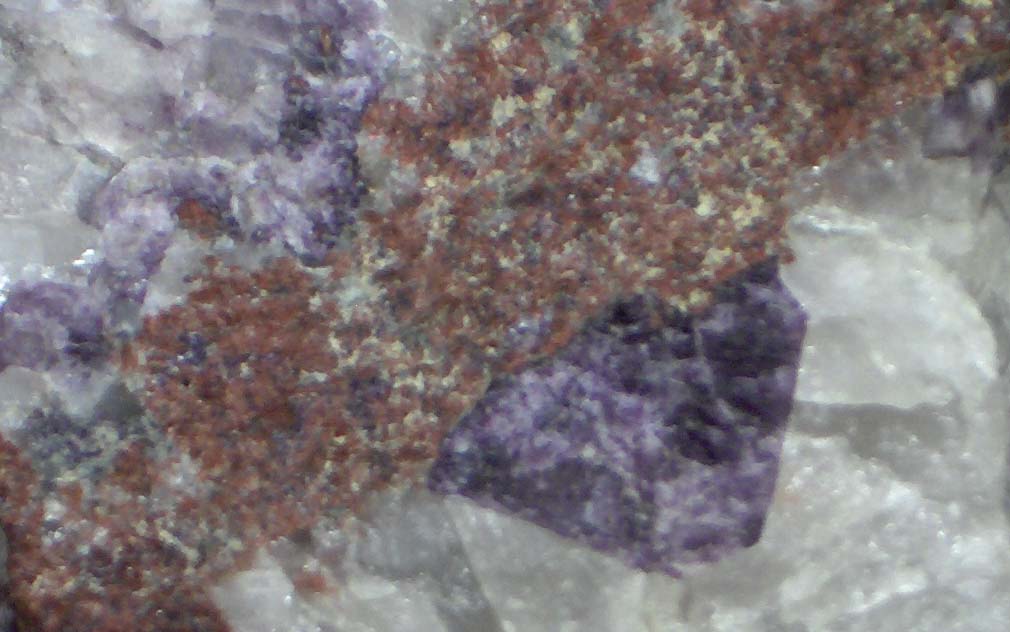
Concentrations are low, so you have to move enormous tonnages to recover a little. The mineralogy is complex, so a single separation route rarely works across a whole deposit. And rare-earth-bearing material frequently carries naturally occurring radioactive material — thorium and uranium series — which turns a processing question into a licensing, handling and residue-disposal question.
If they can already do it for iron, rare earths are an incremental extension.
The shared part is the material handling. The separation chemistry, the grade economics and the radiological compliance are all new problems, and they are the ones that decide whether a project exists.
The backdrop the framing deflects from
Reprocessing tailings can genuinely reduce dam inventory. Announcing that you are studying it does not.
There is a reason "circular economy" language from this particular operator deserves a second read.
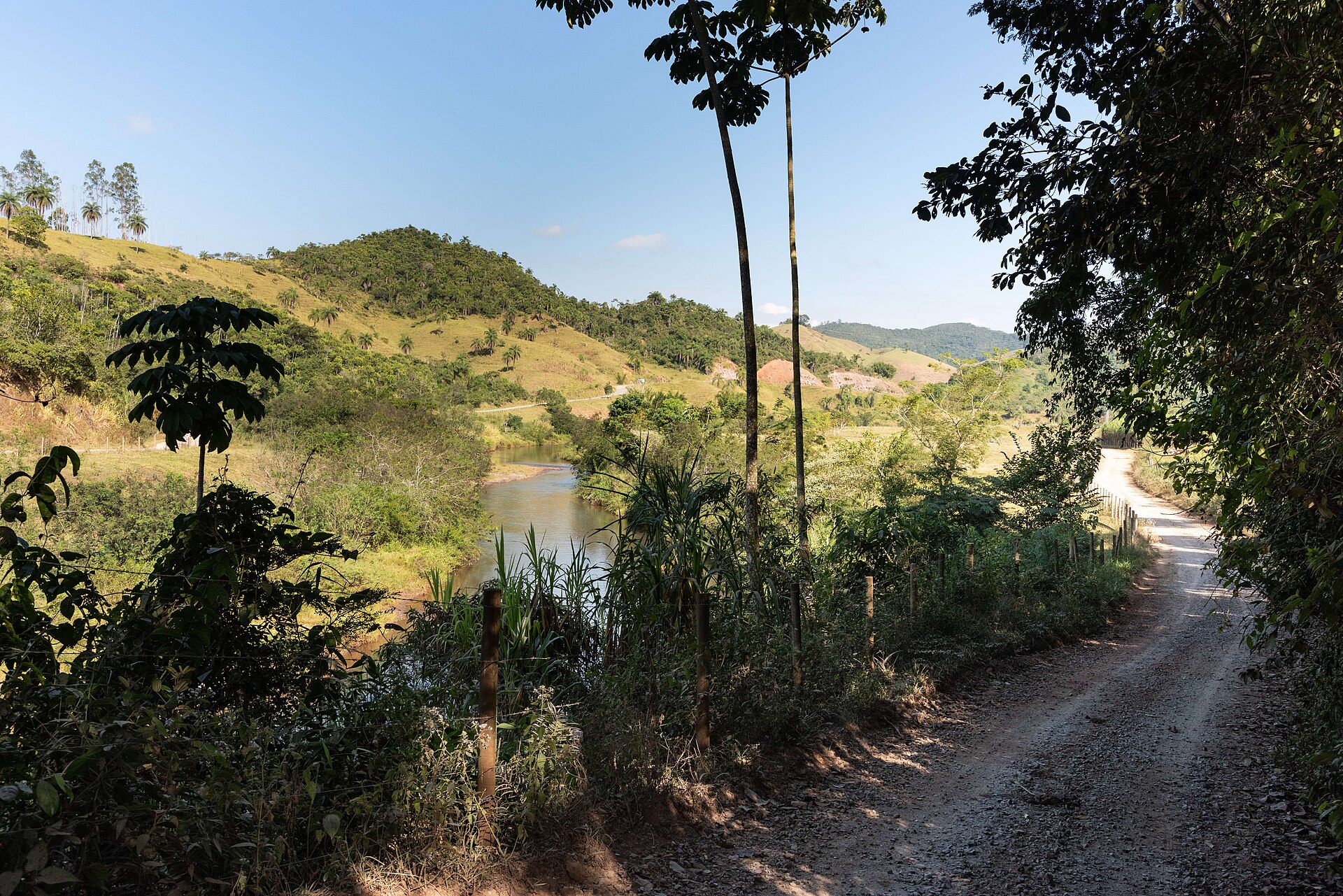
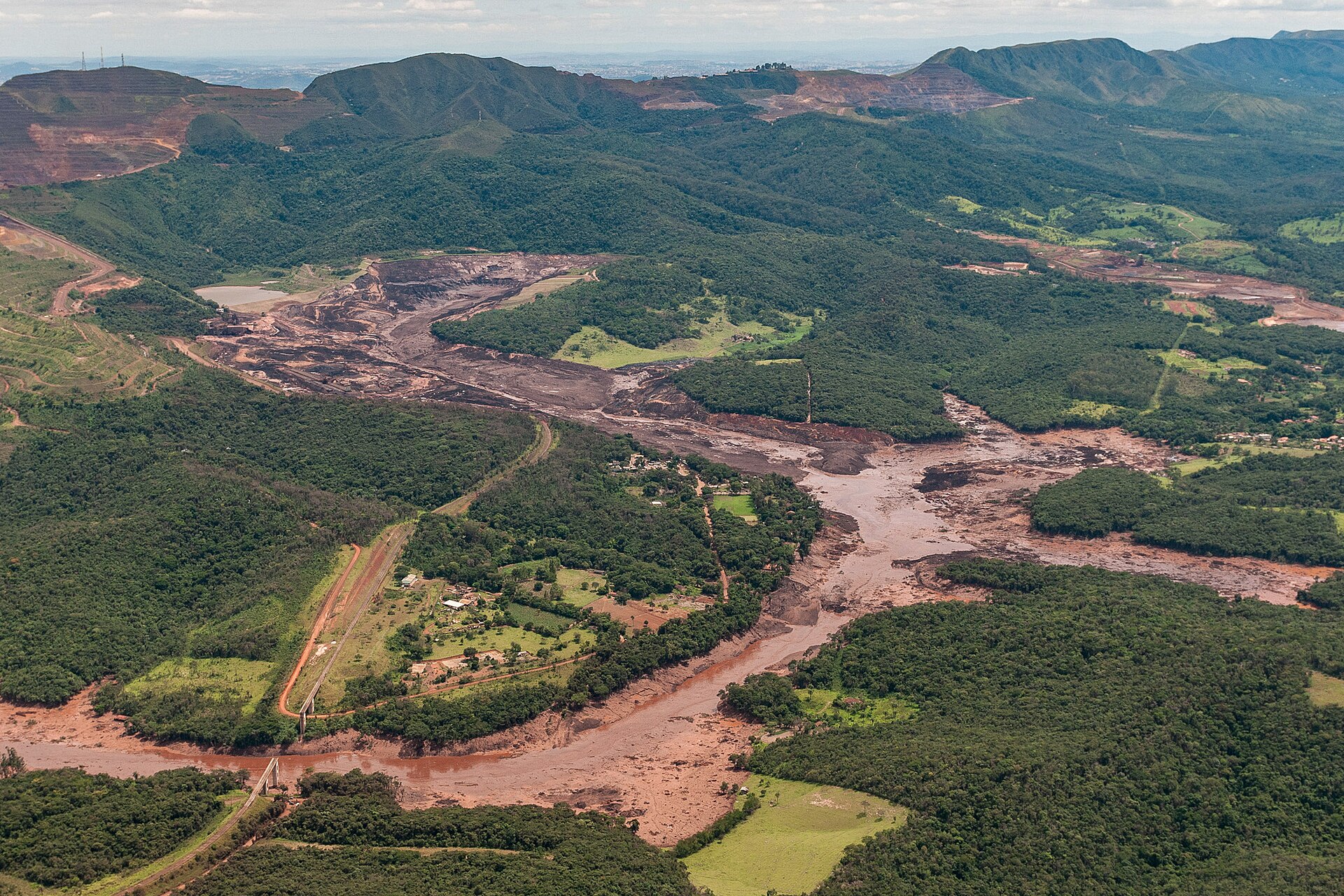
The 2019 Brumadinho tailings dam collapse killed 272 people. In January 2026, two Vale structures overflowed at Fábrica and Viga, releasing sediment into rivers. Earthworks reports that 20 of Vale's tailings dams remain classified at risk.
None of that makes tailings reprocessing a bad idea. Drawing down stored tailings is, in principle, one of the few interventions that reduces dam risk while producing something. But it does mean a critical-minerals announcement from this company is doing two jobs at once, and only one of them is technical.
What would move this from claim to evidence
Four disclosures, in roughly this order: a named element and a named site; a published recovery route with head grade and recovery rate; a pilot with throughput figures; and a radiological management plan for the residue.
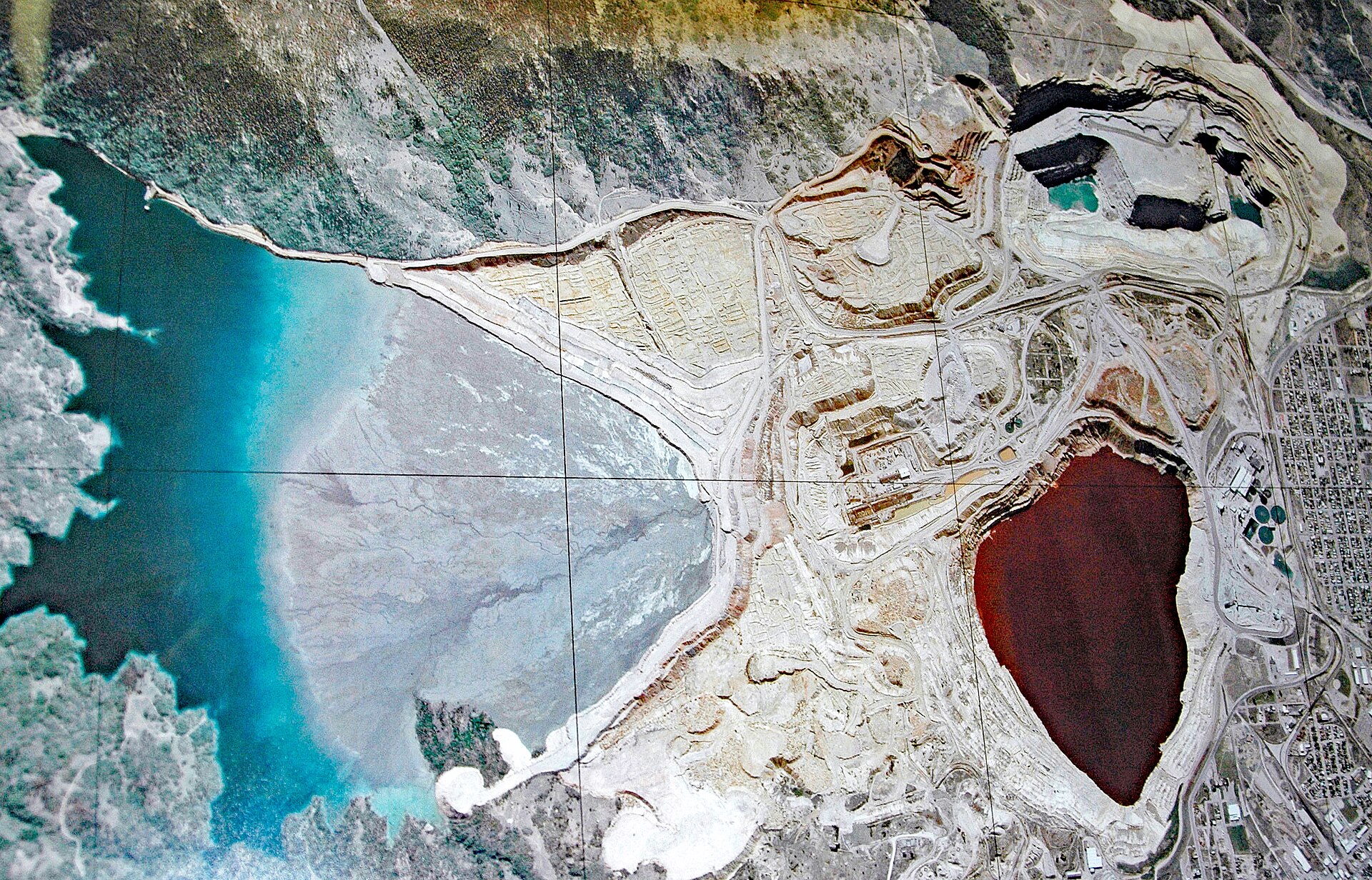
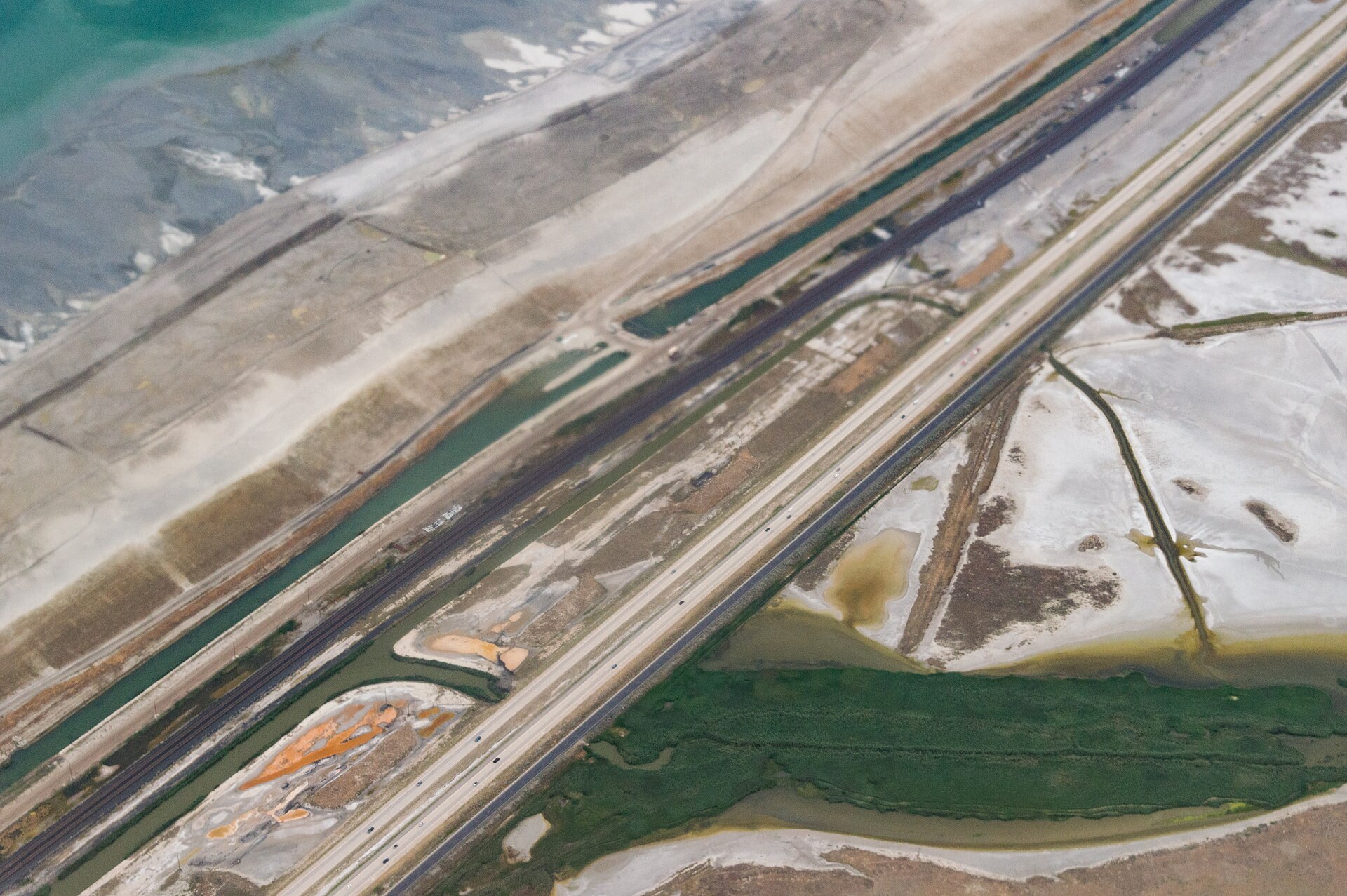
Until then the correct reading is: a credible operator, with a proven waste-to-iron business, has said it is looking into a much harder version of the same idea. That is worth watching. It is not yet worth counting.
References and image credits›
- 01Reuters — Brazil's Vale studies extracting rare earths, gold from mining waste (26 Aug 2026)
- 02Reuters — Vale more than doubled ore production from waste material in 2025
- 03Mining Weekly — Vale builds tailings reprocessing plant at Gongo Soco
- 04Earthworks — Vale tailings dam safety record
Photo: NJR ZA, CC BY-SA 3.0 · Image: NASA/METI/AIST/Japan Space Systems, public domain · Photo: Mike Beauregard, CC BY 2.0 · Photo: PhotoBilliam, CC0 · Photo: Ibama, CC BY-SA 2.0 · Photo: James St. John, CC BY 2.0 · Photo: Supercarwaar, CC BY-SA 4.0