
Veolia's $27 billion hazardous waste warning: real regional gap, self-serving headline
A Veolia-commissioned report says a 1% treatment capacity shortfall could cost $27 billion by 2033. EPA says there is enough capacity to 2049. Both can be partly right.
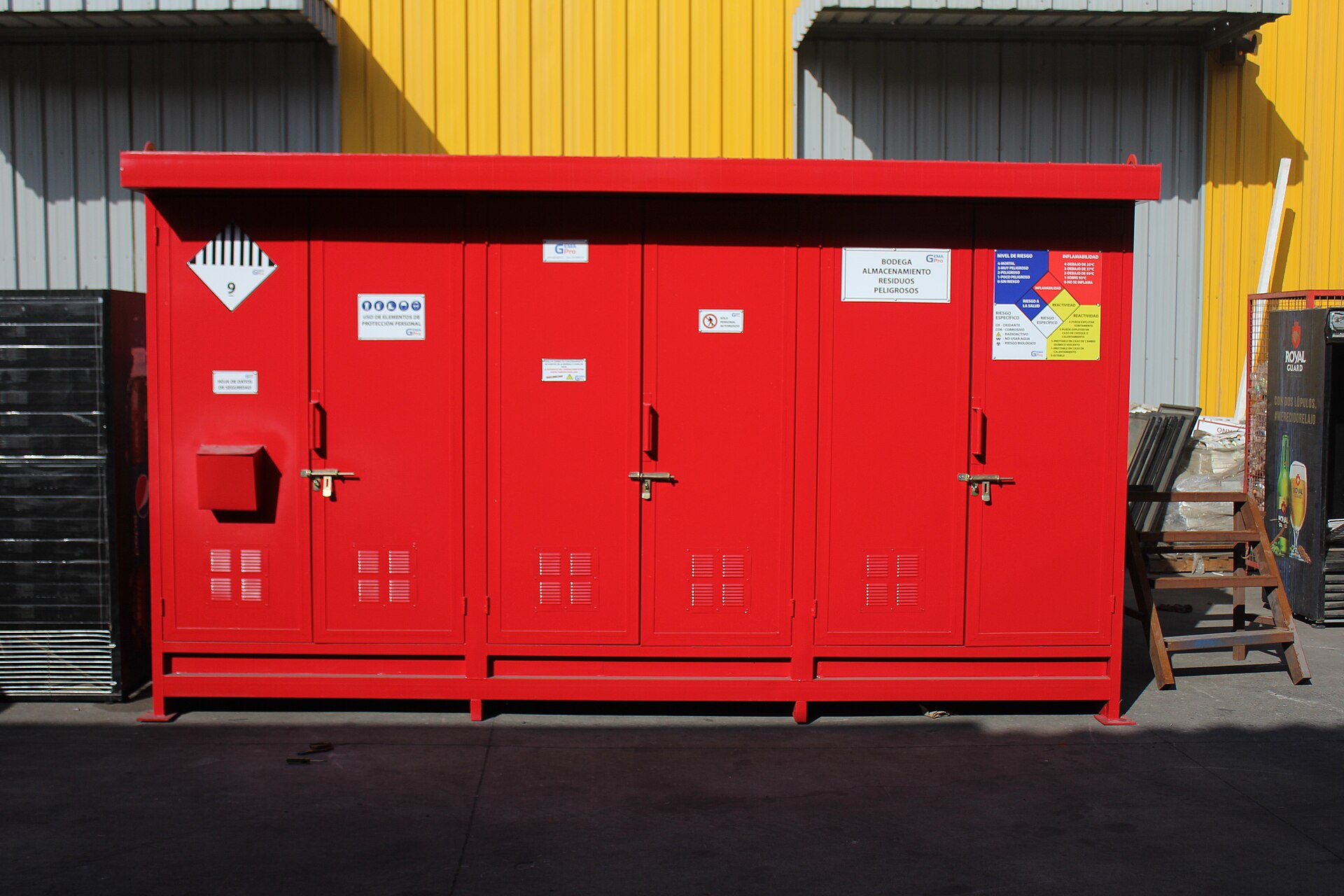
Veolia commissioned Charles River Associates to model U.S. hazardous waste growth. The result, released in September 2026, frames treatment capacity as critical infrastructure for the manufacturing boom. Veolia is also one of the world's largest hazardous waste treatment companies.
The claims
- Generation could reach 37.4 million tons by 2033, up 5 million from 2023.
- Manufacturing produces 90% of it, with new semiconductor, pharma, steel, auto and biotech plants driving growth.
- A 1% capacity shortfall could cut 2033 real gross output by $27 billion; 3% by $82 billion.
- Sector revenue nearly tripled, from $3.6 billion (2021) to almost $9 billion (2023).
What is genuinely true
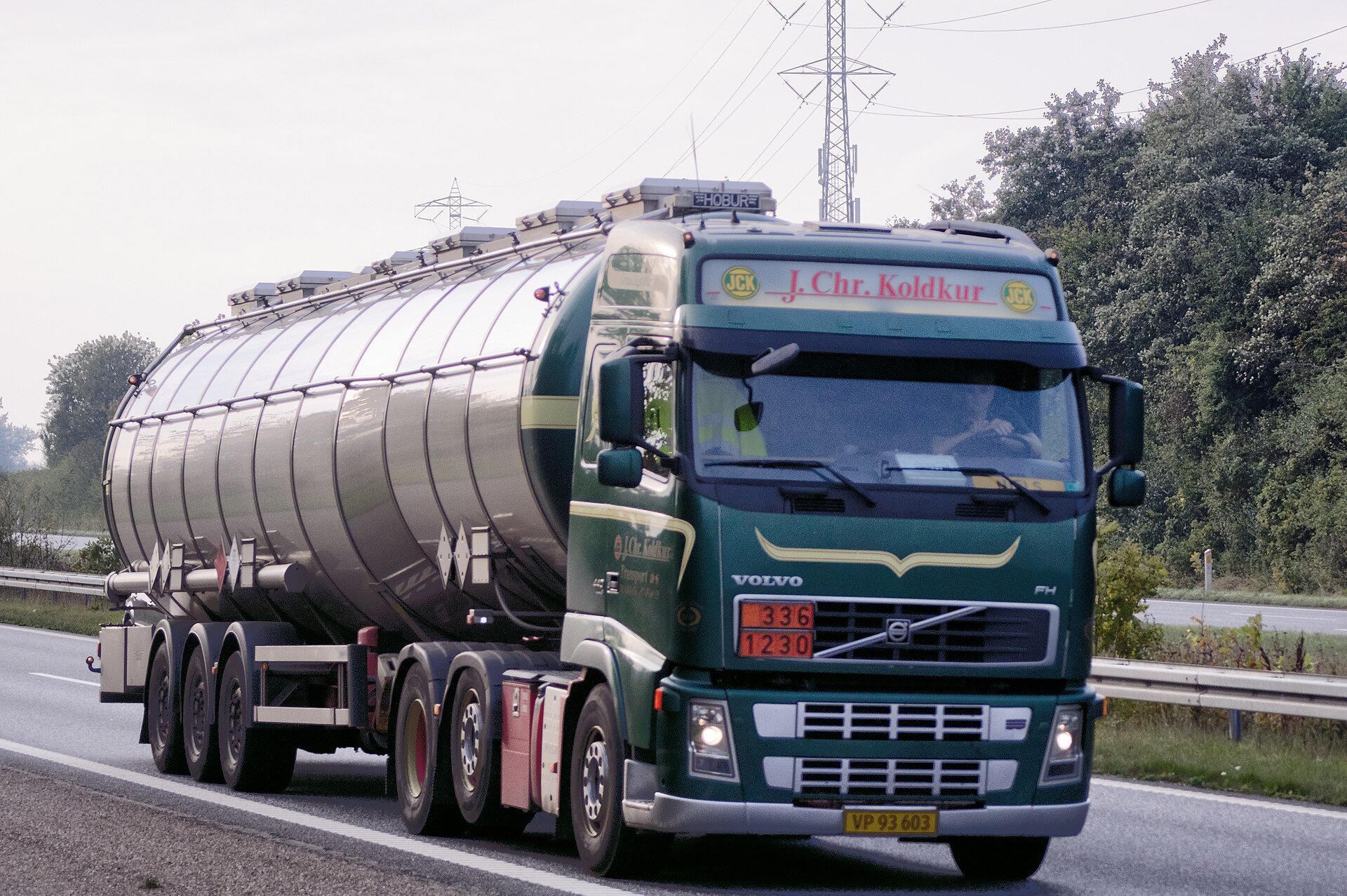
Capacity is geographically concentrated. New manufacturing hubs — fabs in Arizona, battery plants in the Southeast — may be far from existing incinerators, landfills and deep wells. Hazardous waste does not travel cheaply. Treating capacity planning as part of industrial strategy is a sound idea.
What is spin
A capacity shortfall threatens $27 billion of economic output.
The figure is modelled, not observed — a cascade scenario with no probability attached. EPA's 2025 capacity assessment found enough permitted capacity through at least 2049.
- Conflict of interest. A treatment company funded a report concluding the country needs more treatment.
- National vs regional. The report does not separate total national capacity (probably adequate) from regional gaps (plausible) — which is the one distinction that matters.
- Revenue is not volume. Tripling revenue may reflect price rises and consolidation as much as tonnage.
- Advocacy tone. "$27 Billion at Stake" is a lobbying headline.
A better question for regulators
Not "is there enough capacity?" but "is there enough of the right treatment type within economic haul distance of where new plants are being built?" That needs regional data EPA and states can produce independently. Until then, read this report as an industry case for permits — informed by a real issue, but not neutral.
References and image credits›
- 01Manufacturing Dive — Manufacturing growth drives need for hazardous waste solutions: Veolia
- 02Veolia — $27 billion at stake: why hazardous waste treatment capacity is strategic
Photo: Intel Free Press, CC BY 2.0 · Photo: Lav Ulv, CC BY 2.0