
How the EU's metal scrap export ban would work — and why India is the biggest loser
From May 2027, non-OECD countries without an EU exemption can no longer import the bloc's metal scrap. India, the largest buyer of EU aluminium scrap, did not get one.
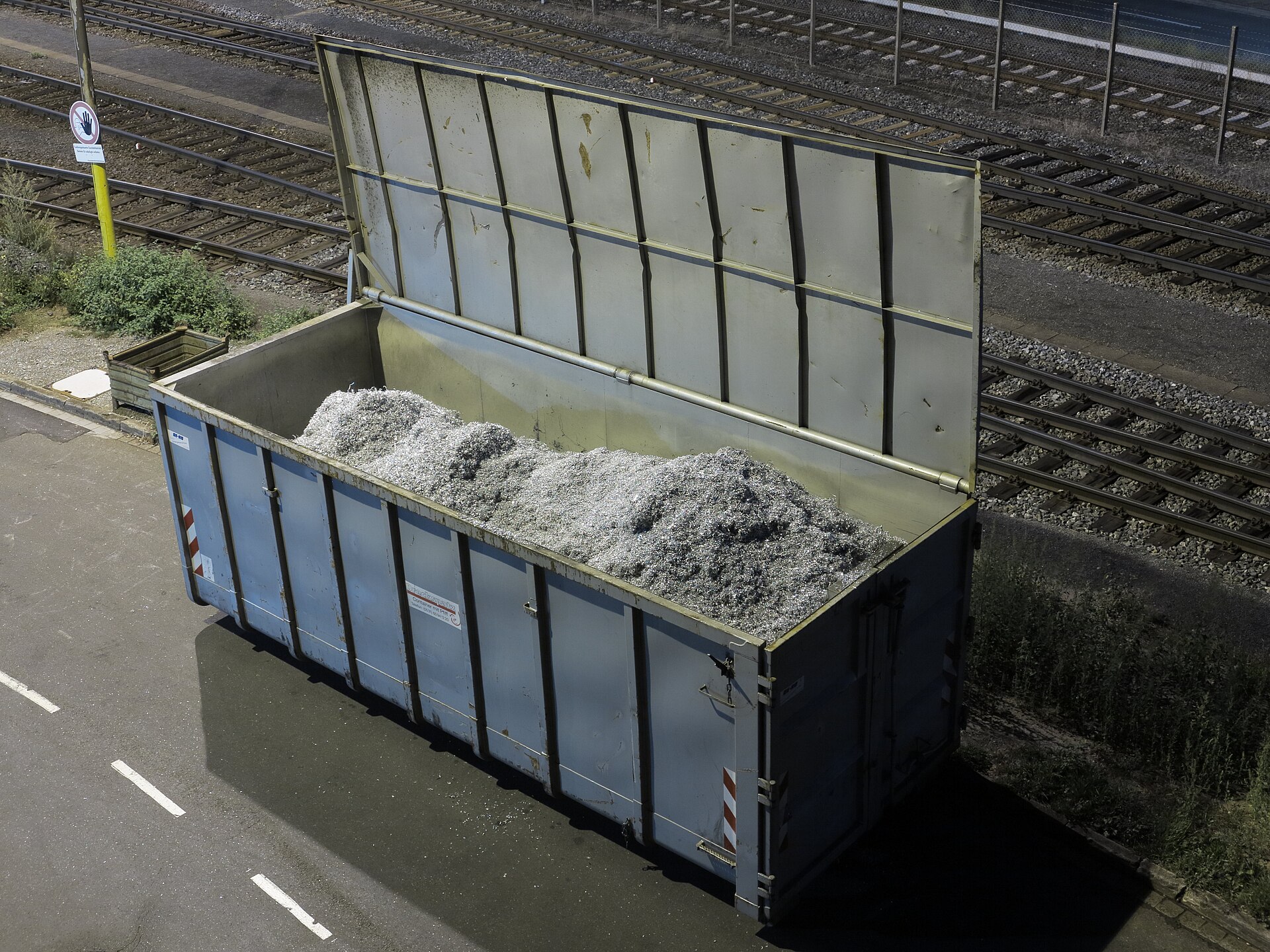
The EU's Waste Shipment Regulation decides which countries may import which kinds of European waste. A new exemption list leaves India — the biggest buyer of EU aluminium scrap — off the list for metals from May 2027.
How the system works
- Categories. EU waste exports are grouped: paper, plastics, rubber, metal, glass.
- Exemptions. Non-OECD countries must apply to import non-hazardous waste in each category and show it will be treated in an "environmentally sound manner".
- Stricter test for metal. Metal waste is treated as higher-hazard because it can carry persistent, toxic heavy metals.
- The list. 32 non-OECD countries applied. The Commission publishes who may import what; the list is reviewed at least every two years, and countries can reapply.
- India's exclusion. No metal exemption. From May 2027, Indian recyclers — thousands of small and mid-sized firms represented by MRAI — lose access to EU scrap.
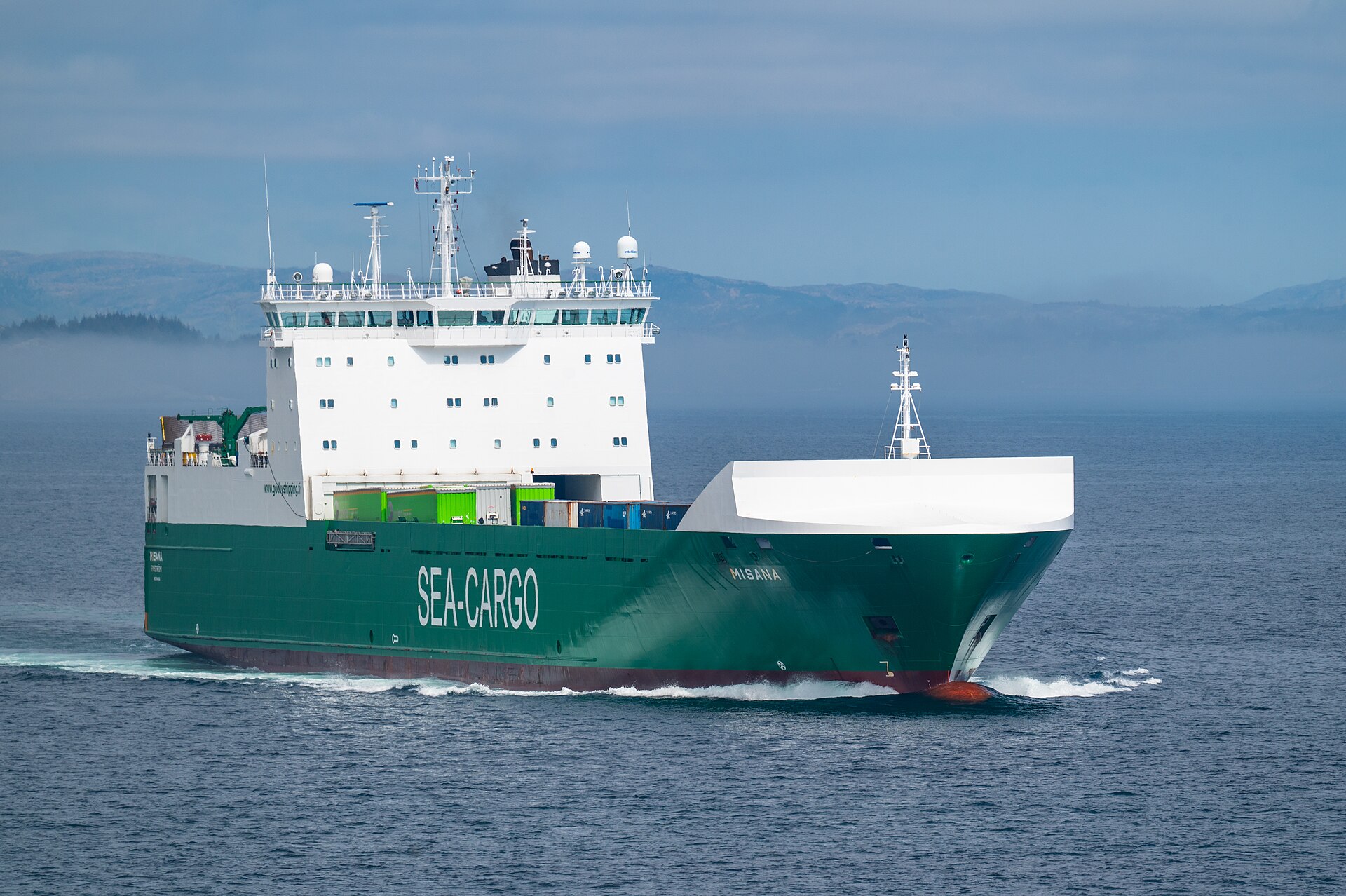
The back story
The Commission earlier floated a 15% export duty on aluminium scrap to keep cheap feedstock for struggling EU smelters. European Aluminium backed it; India pushed back, and the duty was dropped. The export ban reaches a similar outcome by a different route.
The ban is about environmentally sound treatment.
It also keeps scrap in Europe for EU smelters that lobbied for exactly that. The blanket exclusion does not distinguish India's modern recyclers from informal operators.
Possible effects
- For EU recyclers and smelters: more domestic feedstock, supporting circular economy goals — if they have the capacity to use it, which the proposal does not show.
- For Indian recyclers: higher-cost domestic scrap, other suppliers, or virgin aluminium.
- For the planet: recycled aluminium uses about 95% less energy than primary. If Indian mills switch to primary metal, emissions rise.
- Trade diversion: scrap may route through third countries anyway.
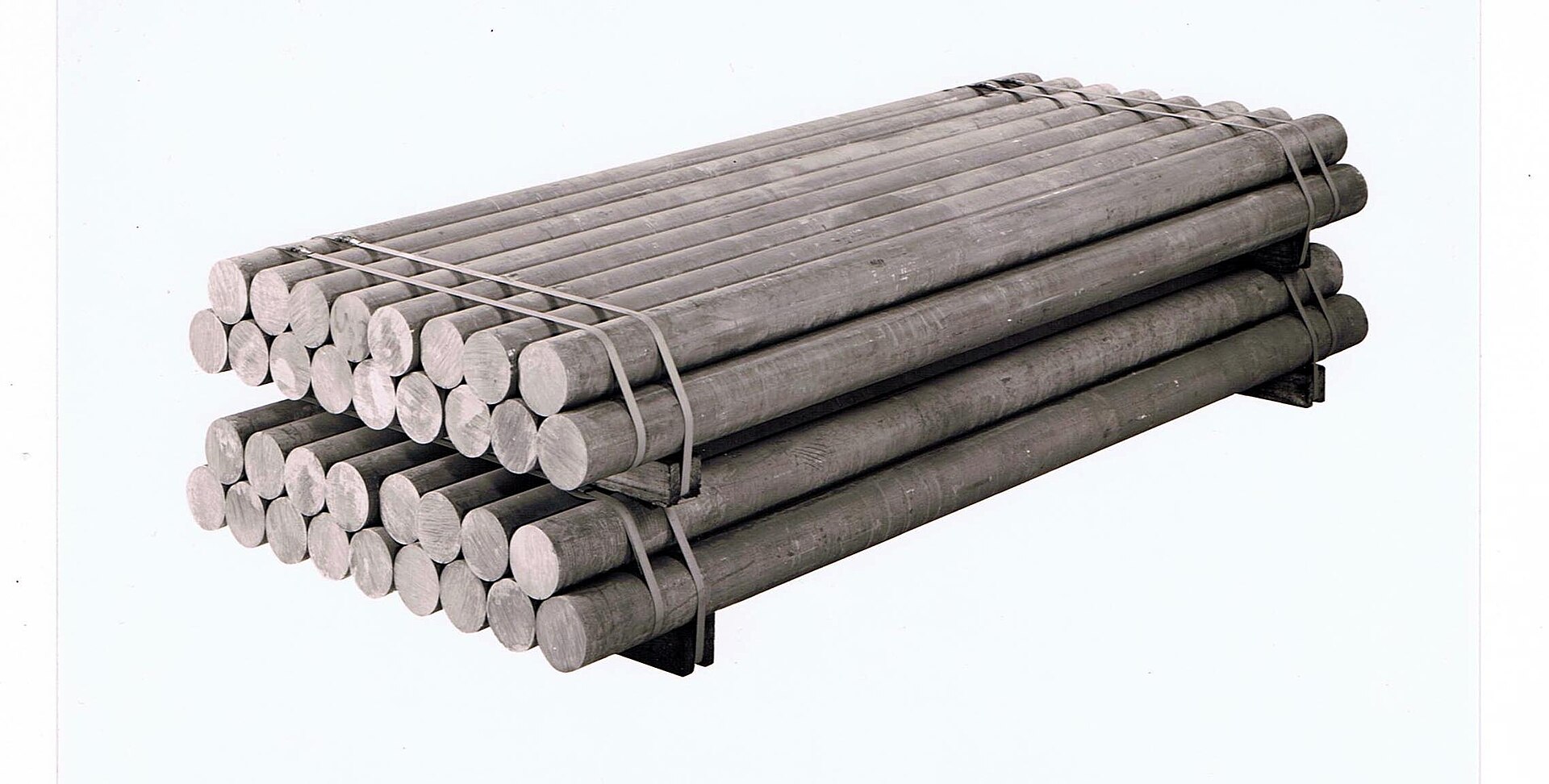
What to watch
Whether India reapplies with facility-level evidence, whether the Commission allows plant-specific rather than country-wide exemptions, and whether EU smelters actually absorb the extra scrap. Indian industry has already asked its government to intervene.
References and image credits›
- 01Reuters — EU waste proposal would ban India from importing bloc's metal scrap
- 02Reuters — Indian recyclers seek government intervention on EU waste ban proposal
Photo: Gordon Leggett, CC BY-SA 4.0 · Photo: Aluminiumhütte Rheinfelden, public domain