
"Flushable" on the packet does not mean flushable in the sewer
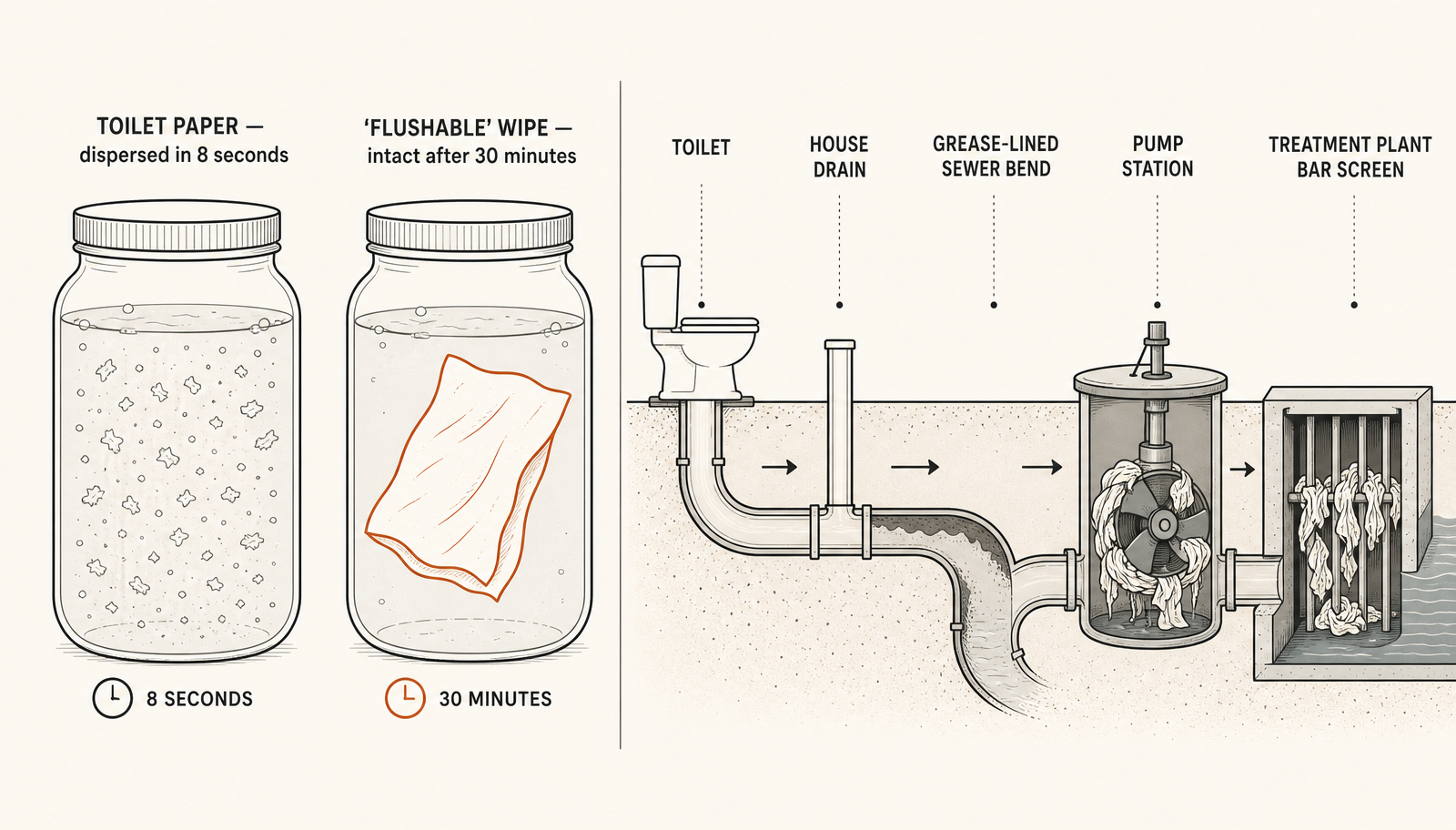
Toilet paper broke apart in eight seconds in a utility disintegration test. A wipe labelled flushable had not begun to break up after thirty minutes. EPA's guidance is unchanged: flush only toilet paper.
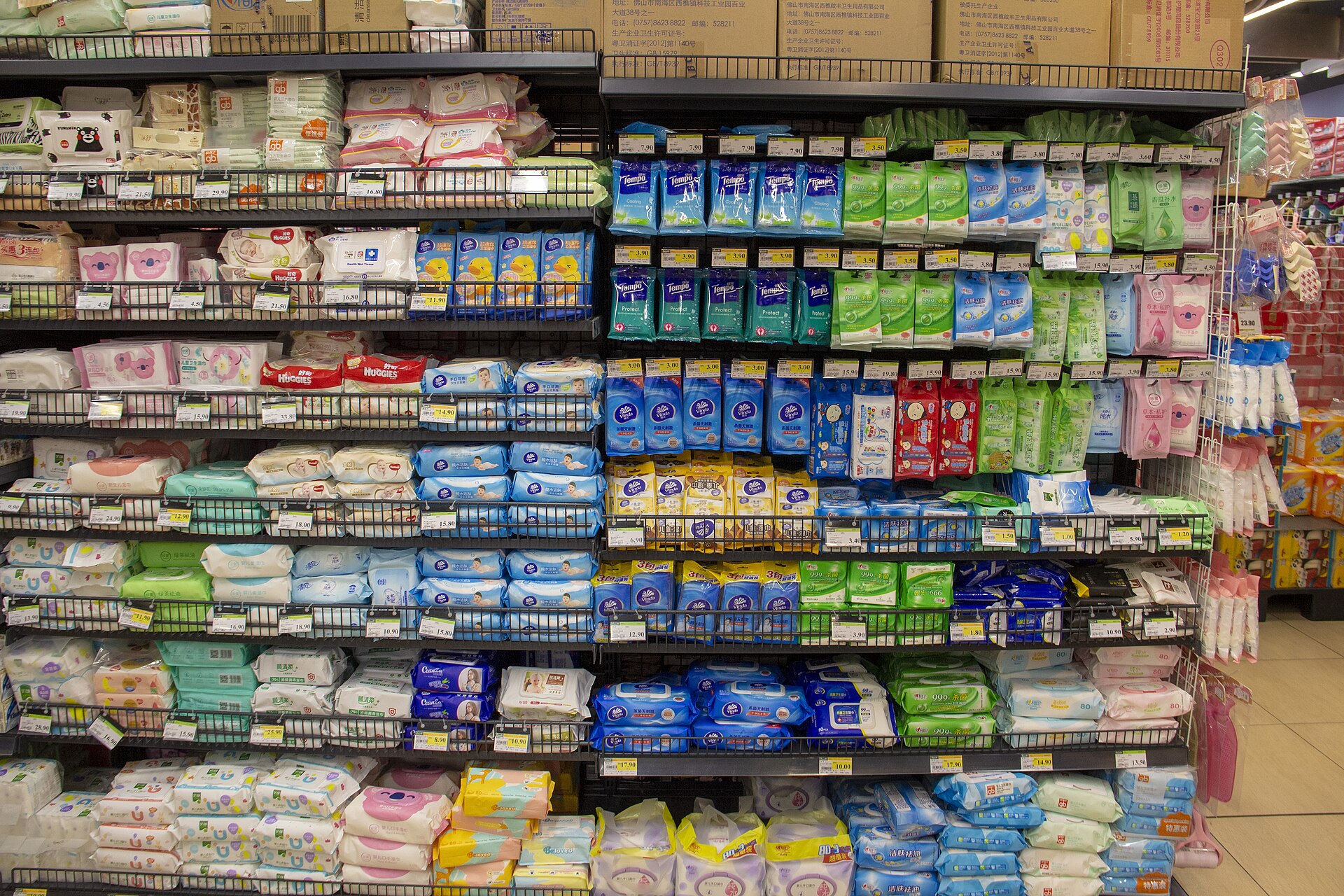
This one persists because the product clears the bowl. The toilet flushes, nothing backs up, and the label said flushable — three pieces of evidence that all point the wrong way. Everything that determines whether a wipe is actually flushable happens after it leaves your house.
A wipe marketed as "flushable" will disperse like toilet paper and pass safely through household plumbing and the wastewater system.
EPA's practical guidance is to flush only toilet paper, and to put disinfecting wipes and other non-flushable items in the trash. Utilities Kingston reports tissue disintegrating within eight seconds in a simulated-flushing test, while a "flushable" wipe had not begun breaking up after thirty minutes.
The test that settles it
Utilities Kingston recommends never flushing wipes, even when the packaging says otherwise. The physical reason is straightforward: toilet paper is short-fibre cellulose bonded weakly on purpose, so agitation in water pulls it apart. Wipes are engineered for wet strength — that is the entire product requirement. A material that survives being scrubbed while wet will survive a pipe.
Where it actually fails
EPA warns that flushing other items can damage plumbing, sewer systems and septic systems, contribute to backups, and impose costs and risks on utilities.
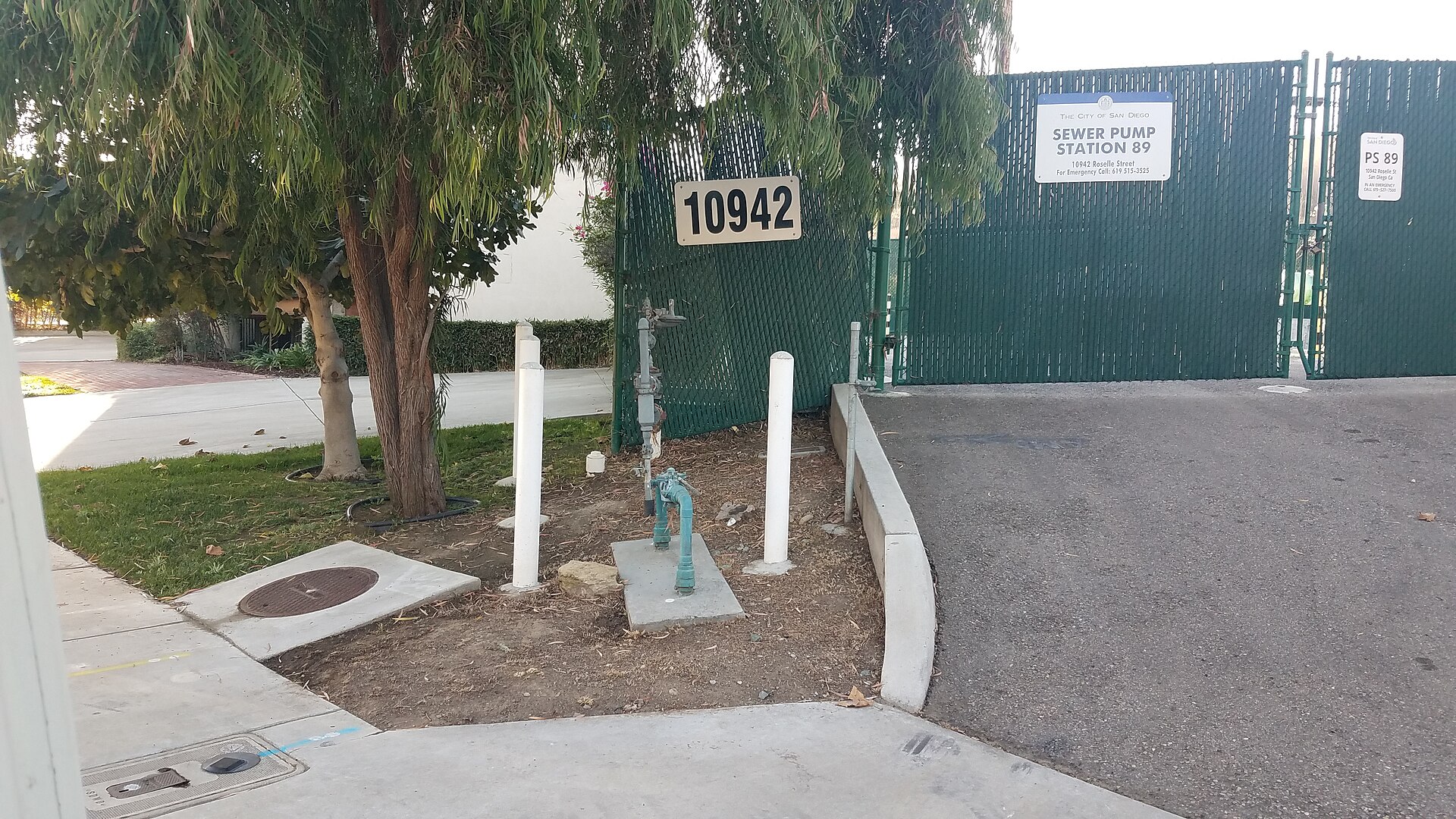
The National Association of Clean Water Agencies describes the downstream failures directly: clogged pumps, blocked screens, and wipes accumulating in treatment equipment.
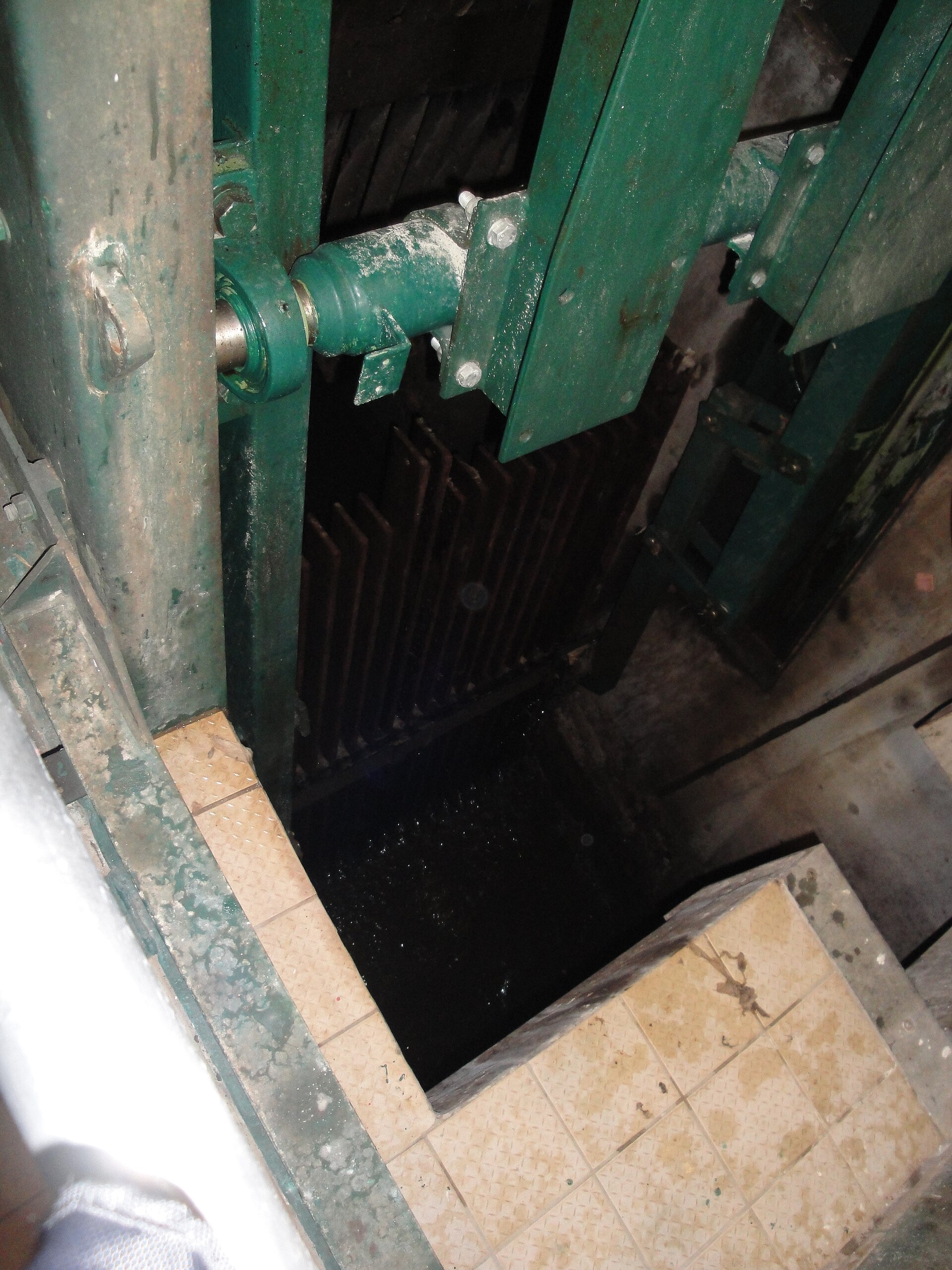
The compounding factor is grease. Wet-strength fabric plus congealed fats is the recipe behind the specimens that end up in museums.
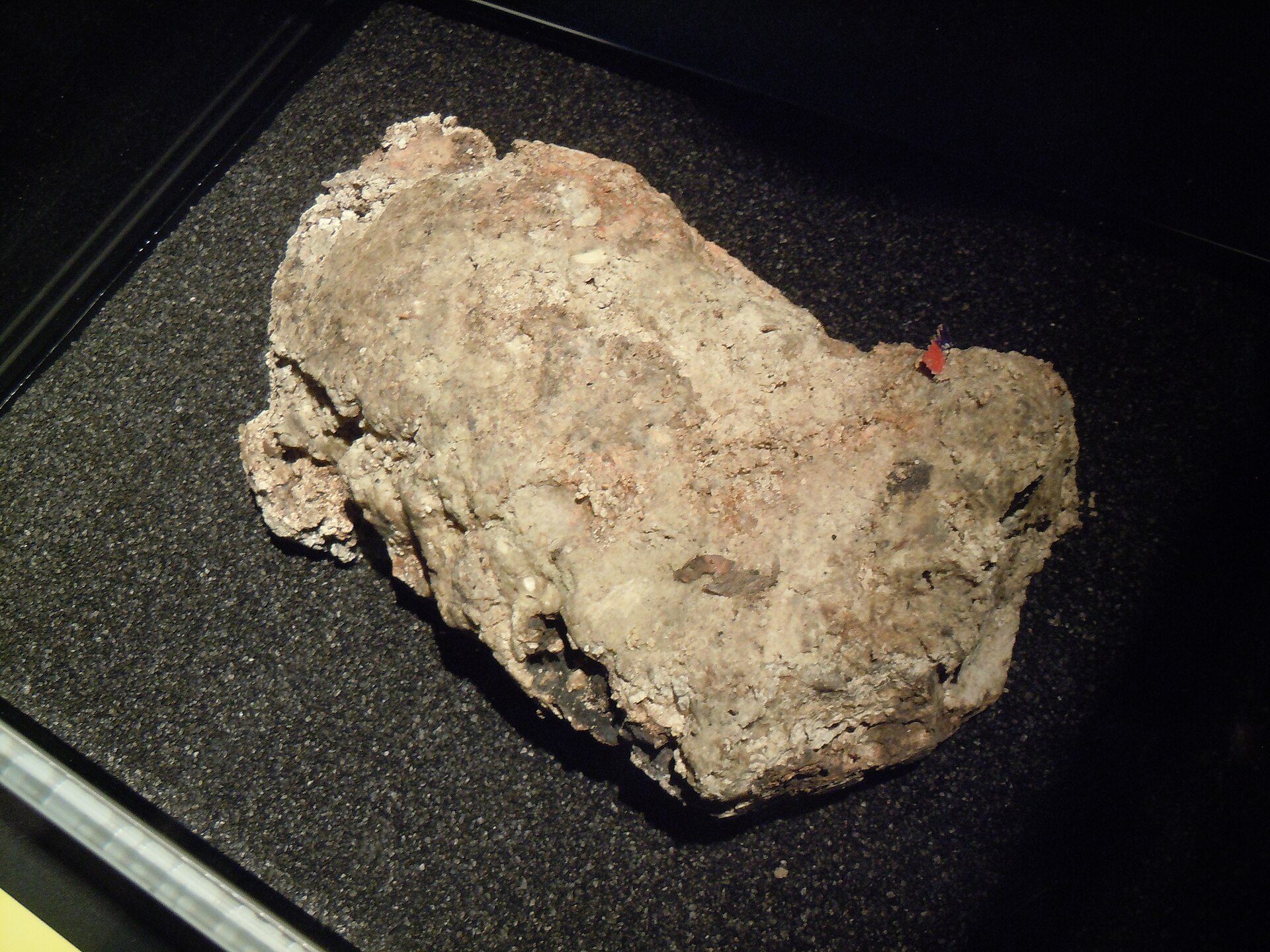
What a genuinely flushable product would have to do
Clear the toilet and the maintained pipes downstream of it, remain compatible with wastewater systems including septic tanks, and break apart within a reasonable period.
Packaging claims may not reflect real sewer conditions, which involve pumps, bends, grease, septic systems, cold water and other debris. A dispersal test in a clean laboratory beaker is not a test of a lift station.
The practical rule
Flush pee, poo and toilet paper. Everything else — including anything sold as flushable — goes in a lined bin. It is a rule that requires no product knowledge and fails safe.
Should "flushable" be removed from packaging unless a product passes independent real-sewer testing?
References and image credits›
- 01U.S. EPA — EPA Encourages Americans to Only Flush Toilet Paper
- 02Utilities Kingston — Is your wipe really flushable?
- 03National Association of Clean Water Agencies — Toilets Are Not Trashcans!
Photo: Wikimedia Commons contributor, CC BY-SA 4.0 · Photo: RightCowLeftCoast, CC BY-SA 4.0 · Photo: SuSanA Secretariat, CC BY 2.0 · Photo: Lord Belbury, CC BY-SA 4.0