
"Infinitely recyclable" is a property of glass, not a description of what happens to it
Glass really can be melted and remade forever without losing quality. About a third of it in the US actually is. The gap between those two sentences is the entire story.
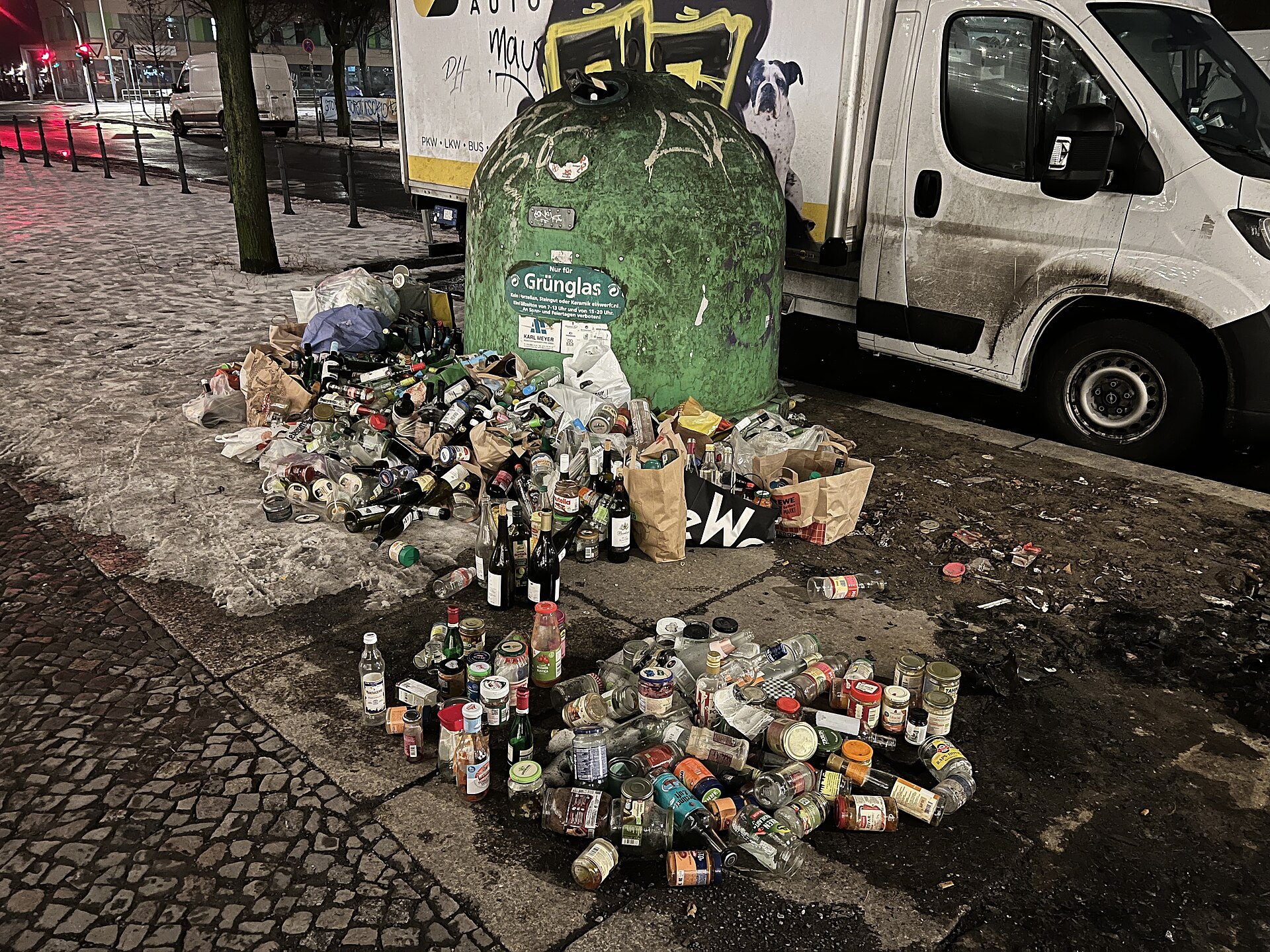
Glass occupies a comfortable place in most people''s mental hierarchy of packaging: natural, inert, endlessly recyclable, obviously better than plastic. The material property is real. The conclusion drawn from it usually is not.
Glass is 100% recyclable with no loss of quality, it never becomes microplastic, and it is made from natural silica — so choosing glass over plastic is always the greener option.
The first three statements are true. The fourth does not follow from them, and across a full lifecycle it is frequently false.
Start with what is genuinely true
Glass can be melted and reformed indefinitely without degrading, which is more than almost any other packaging material can claim. A kilogram of clean cullet replaces roughly 1.2 kg of raw batch materials. Every 10% of cullet in the furnace mix cuts energy use by about 3% and CO₂ by about 5%. A returnable bottle can go around 12 to 20 times.
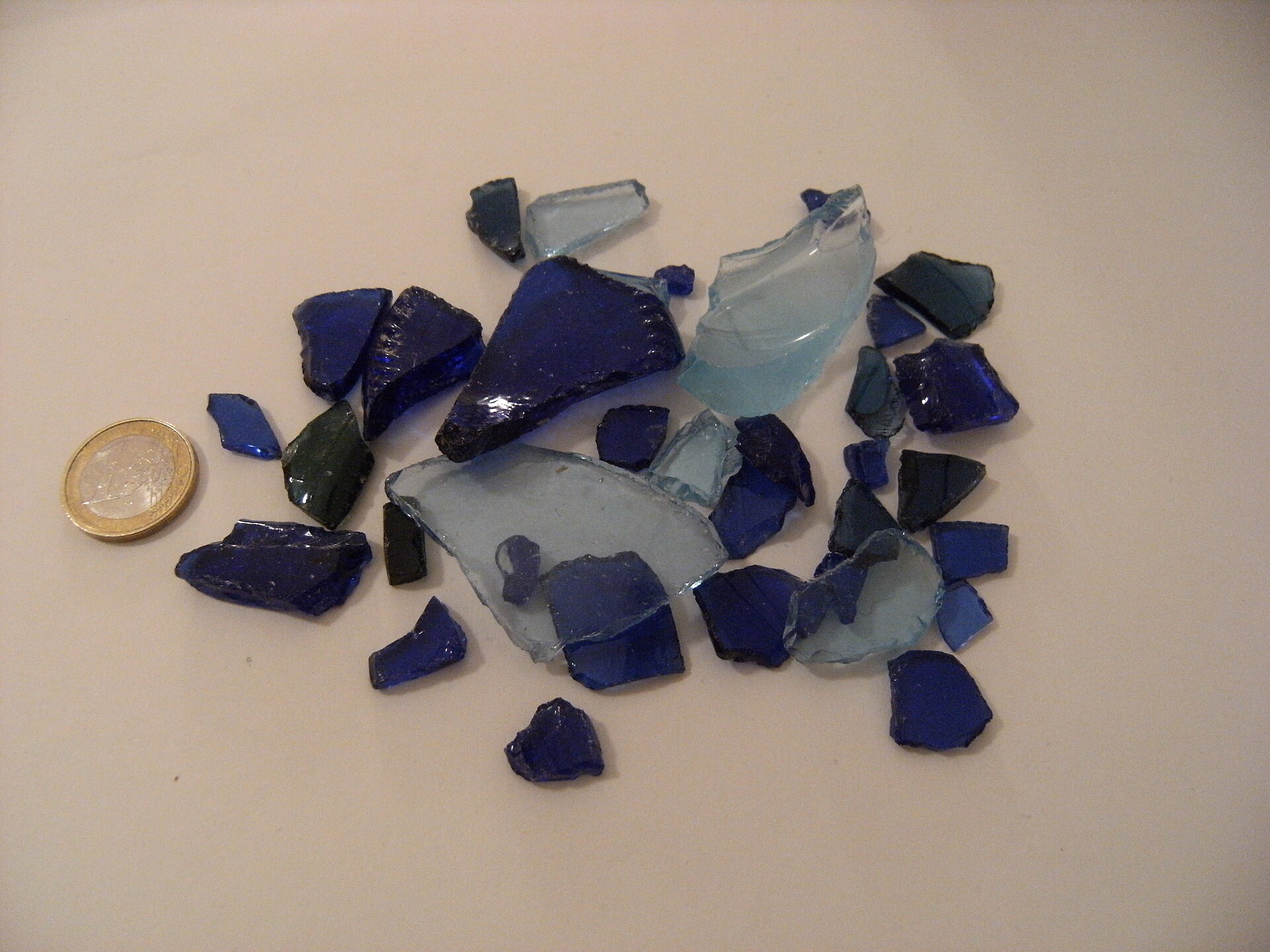
None of that is in dispute. The problem is treating a capability as an outcome.
What actually happens to it
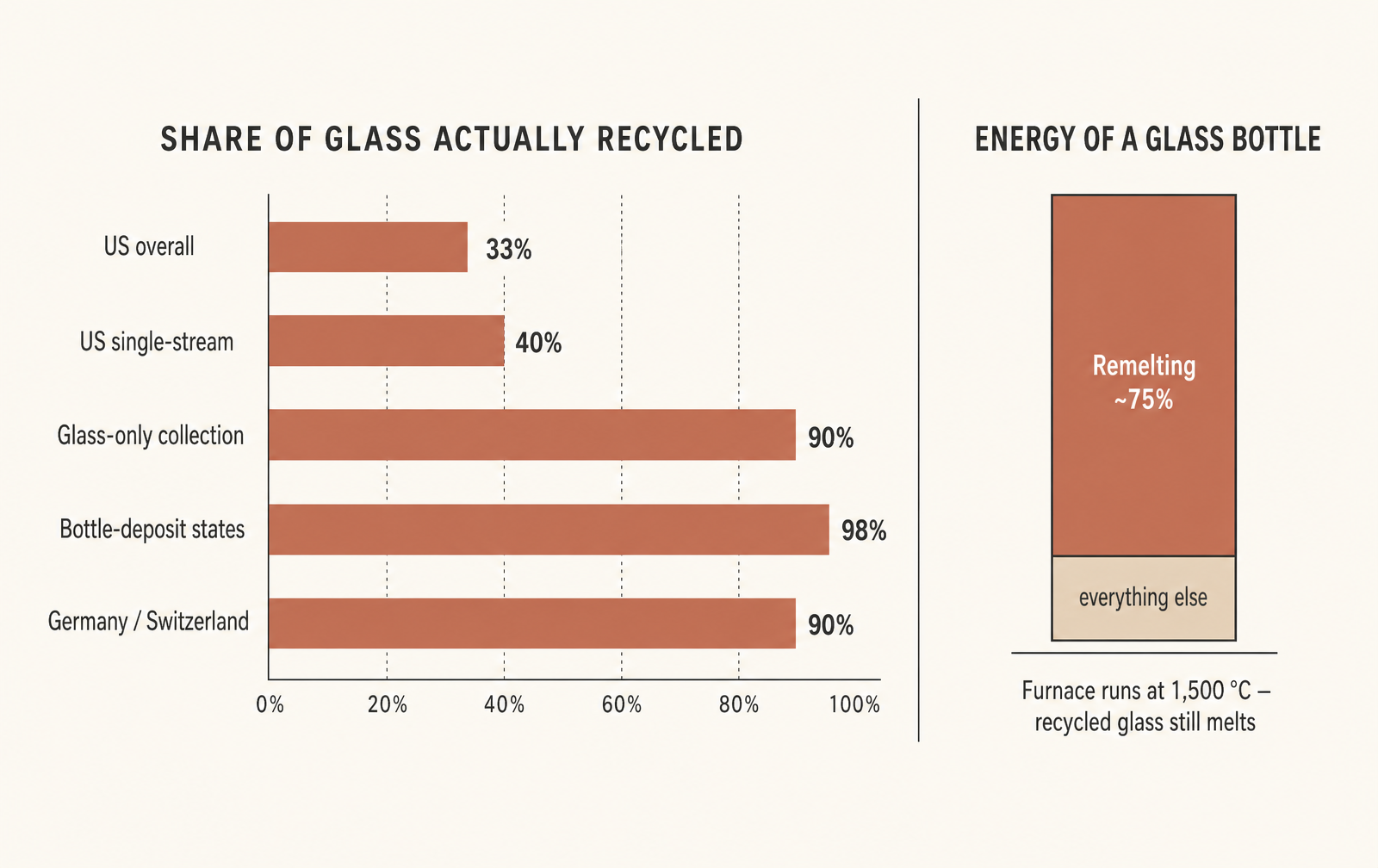
The United States recycles about a third of its glass. Switzerland and Germany recycle roughly 90%. Same material, same physics, wildly different result — because the deciding variable is how it gets collected.
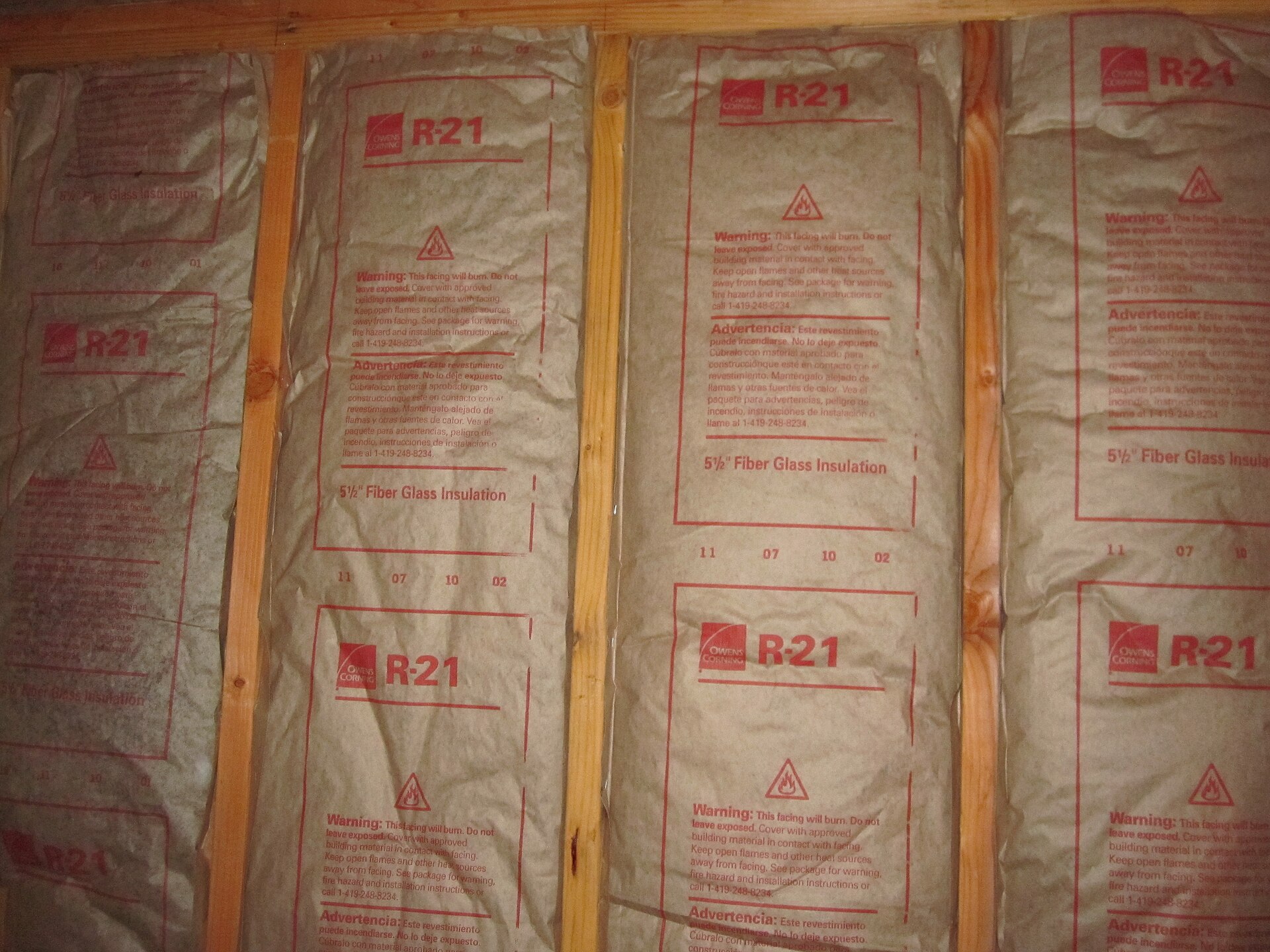
In single-stream curbside collection, the way most Americans recycle, only about 40% of the glass put in the bin becomes a new product. Glass-only multistream collection gets about 90%. Bottle-bill states recover around 98% of bottles. Mixed-colour glass that costs too much to sort does not become bottles at all; it gets downcycled into fibreglass insulation.
The part "natural and inert" hides
Making glass requires a furnace at roughly 1,500 °C. The container and flat-glass industry emits over 60 million tonnes of CO₂ a year, by IEA accounting.
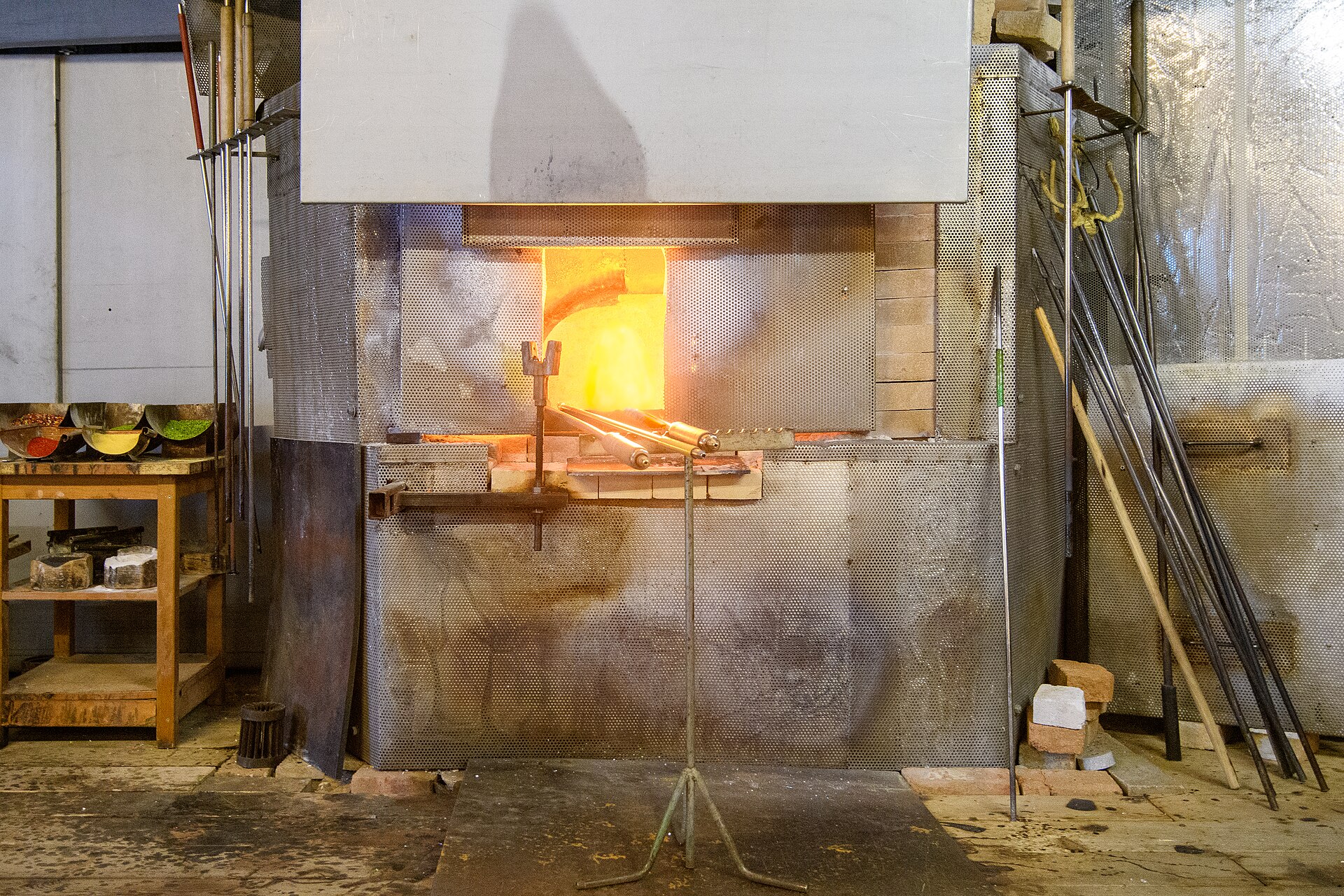
That matters because recycling glass does not skip remelting — and remelting is around 75% of production energy. Recycled glass is, in the honest phrasing, only fractionally less energy-intensive than virgin glass. Compare that with aluminium, where recycling avoids about 95% of primary energy, and the "closed loop" starts to look less impressive.
Then there is weight. Glass is heavy, and hauling it is expensive and carbon-intensive. In large parts of the US there is no cullet buyer within economic trucking distance, so the material recovery facility simply does not recover it.
And the raw material is not free of consequence either. Silica-sand extraction causes land degradation and biodiversity loss, and silica dust exposure causes silicosis in workers.

One lifecycle study, by Alice Brock, found plastic bottles less environmentally damaging than glass on several measures, driven by exactly this combination of weight and furnace energy.
What follows from this
None of this is an argument for plastic. It is an argument that the material question is the wrong question. The variable that moves the outcome is the system: deposit-return schemes, glass-only collection, and above all reuse.
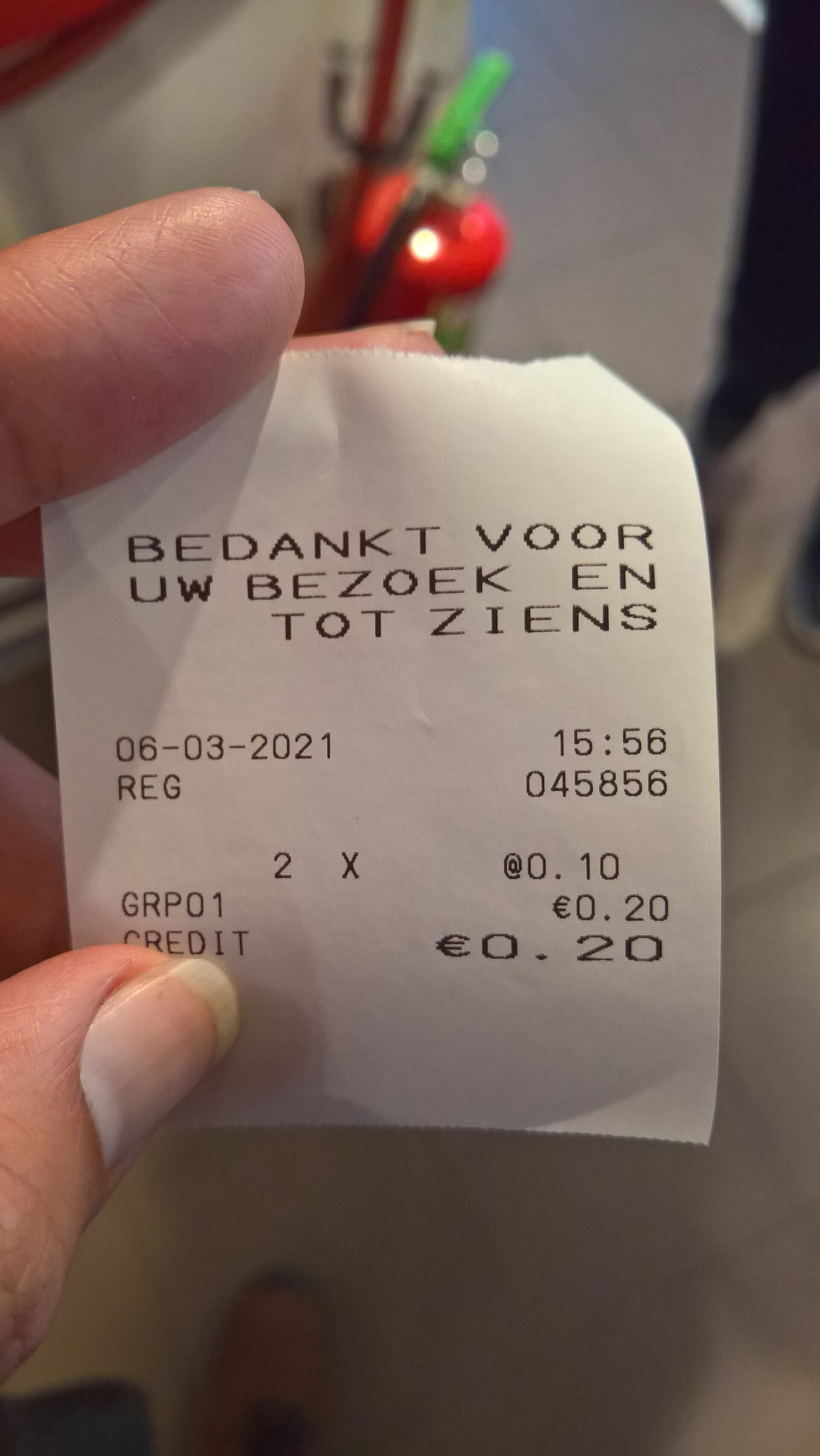
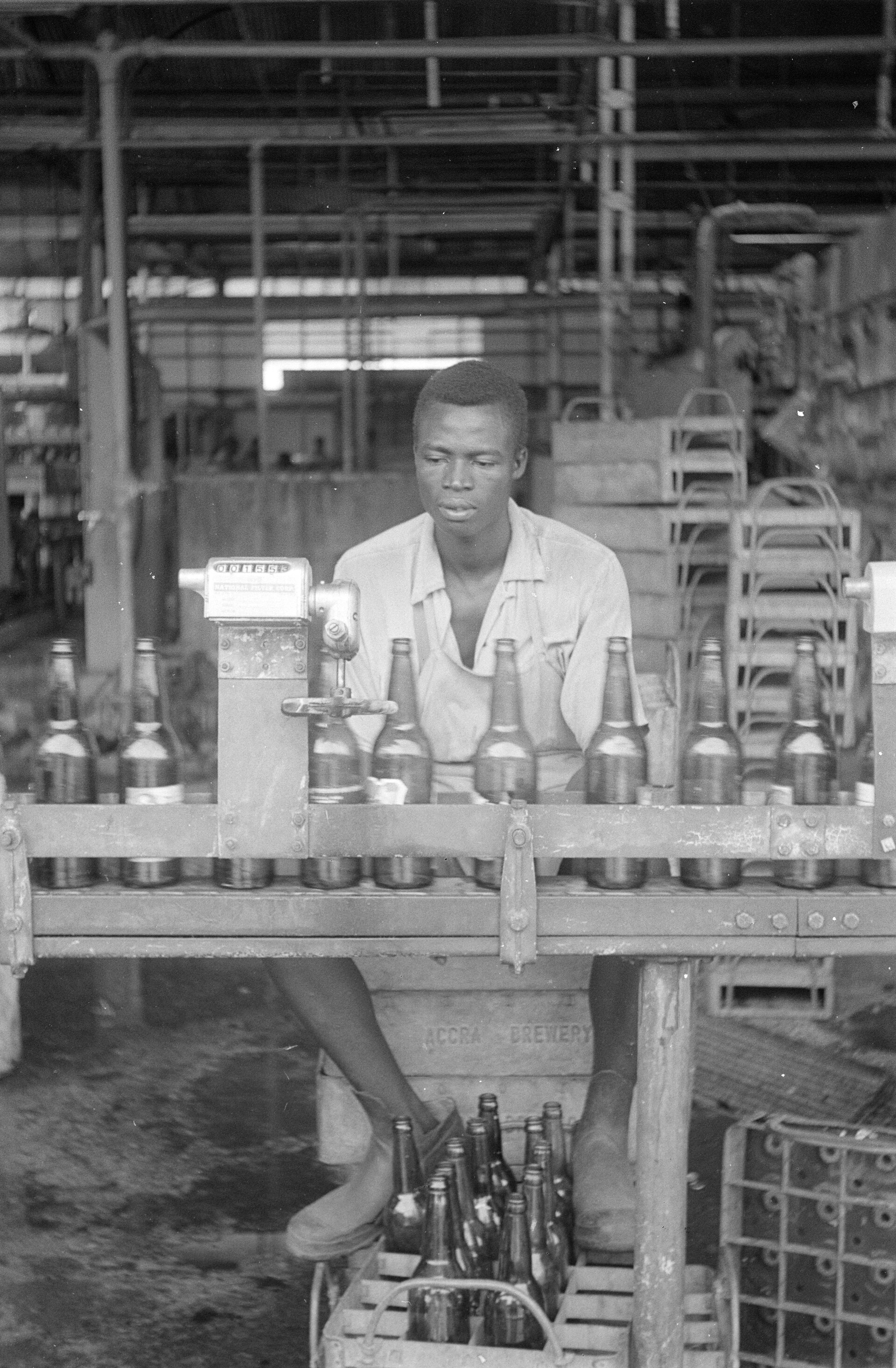
A bottle reused 12 to 20 times beats both recycled and virgin glass, because it skips the 1,500 °C step entirely for every trip after the first. That is the intervention with the largest lever, and it is the one that gets discussed least.
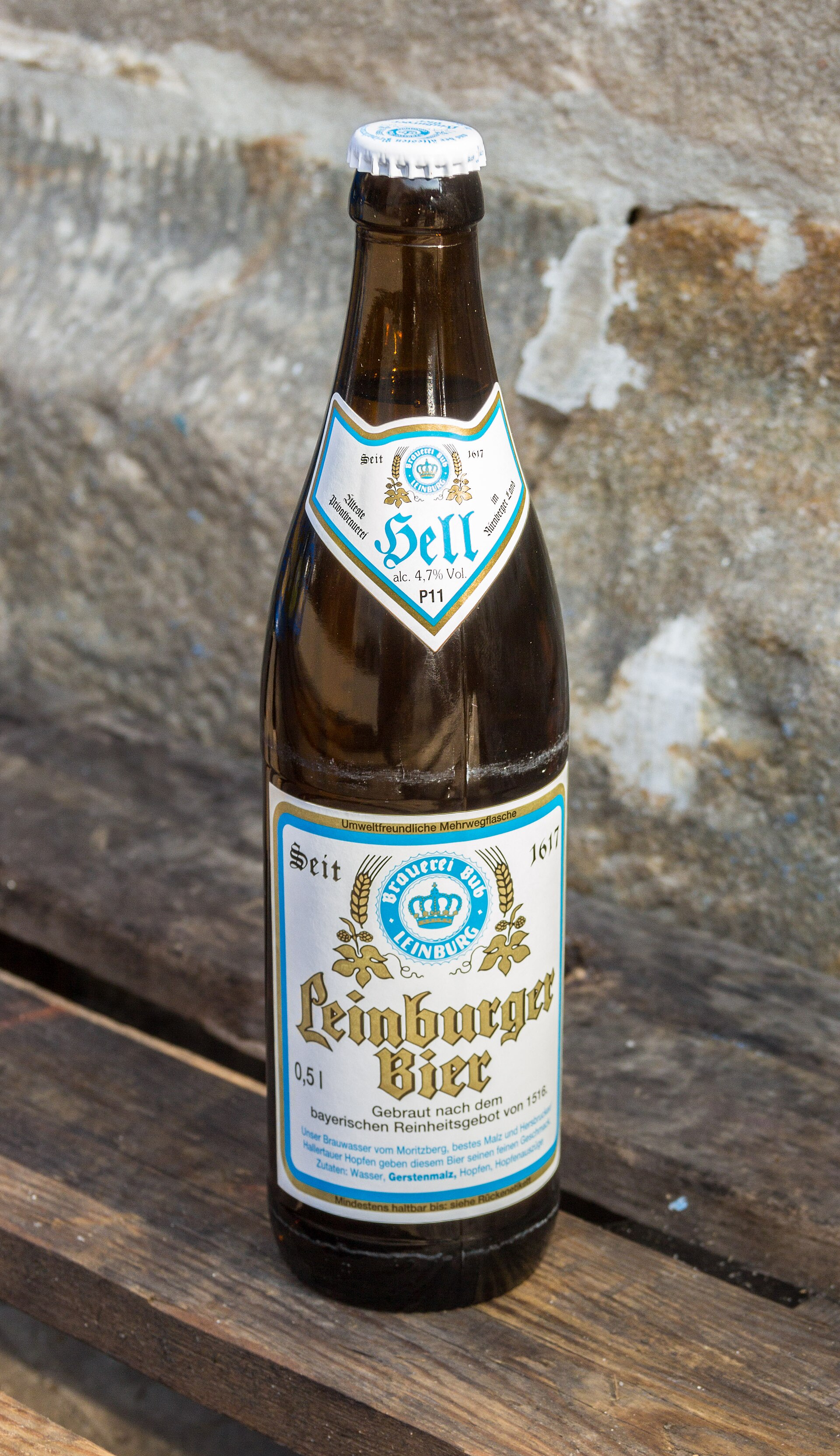
So the useful version of the belief is narrower than the popular one. Glass is endlessly recyclable and non-toxic, and where collection infrastructure is strong it delivers a closed loop plastic cannot match. Where it is not, "infinitely recyclable" describes a possibility that never happens.
References and image credits›
- 01BBC Future — "Glass or plastic: which is better for the environment?", 28 Apr 2023
- 02C&EN — "Why glass recycling in the US is broken", 13 Feb 2019
- 03Packaging World — "Glass Industry Sets Ambitious Recycling Goal", 25 Nov 2024
Photo: Lukas Beck, Wikimedia Commons, CC BY 4.0 · Photo: Wikimedia Commons contributor, CC BY-SA · Public domain, via Wikimedia Commons · Photo: Isiwal, Wikimedia Commons, CC BY-SA 4.0 · Leendert Adriaan van Es, Wikimedia Commons, CC BY-SA 4.0 · Photo: Ian Calderwood, Wikimedia Commons, CC BY-SA 2.0 · Photo: Donald Trung, Wikimedia Commons, CC BY-SA 4.0 · Photo: Derzno, CC BY 3.0