
What Drips Out of a Landfill, and New York's Plan to Treat It
Rain moves through buried waste and comes out carrying PFAS. Municipal wastewater plants were never designed to remove it. New York proposes making landfills do it on site.
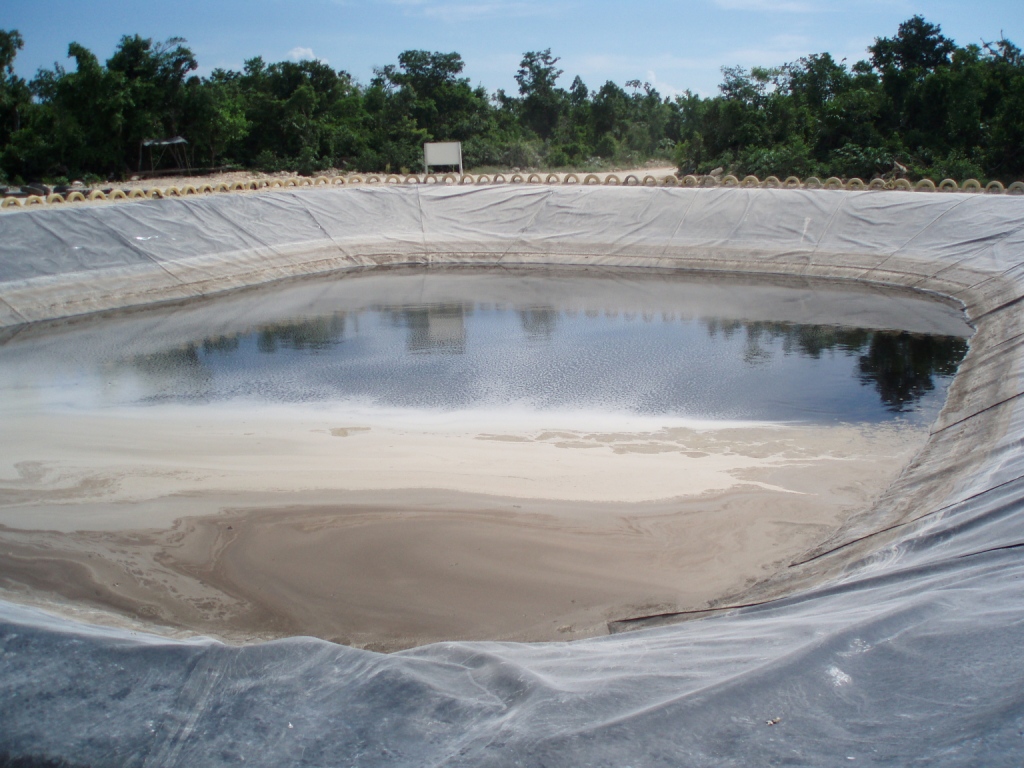
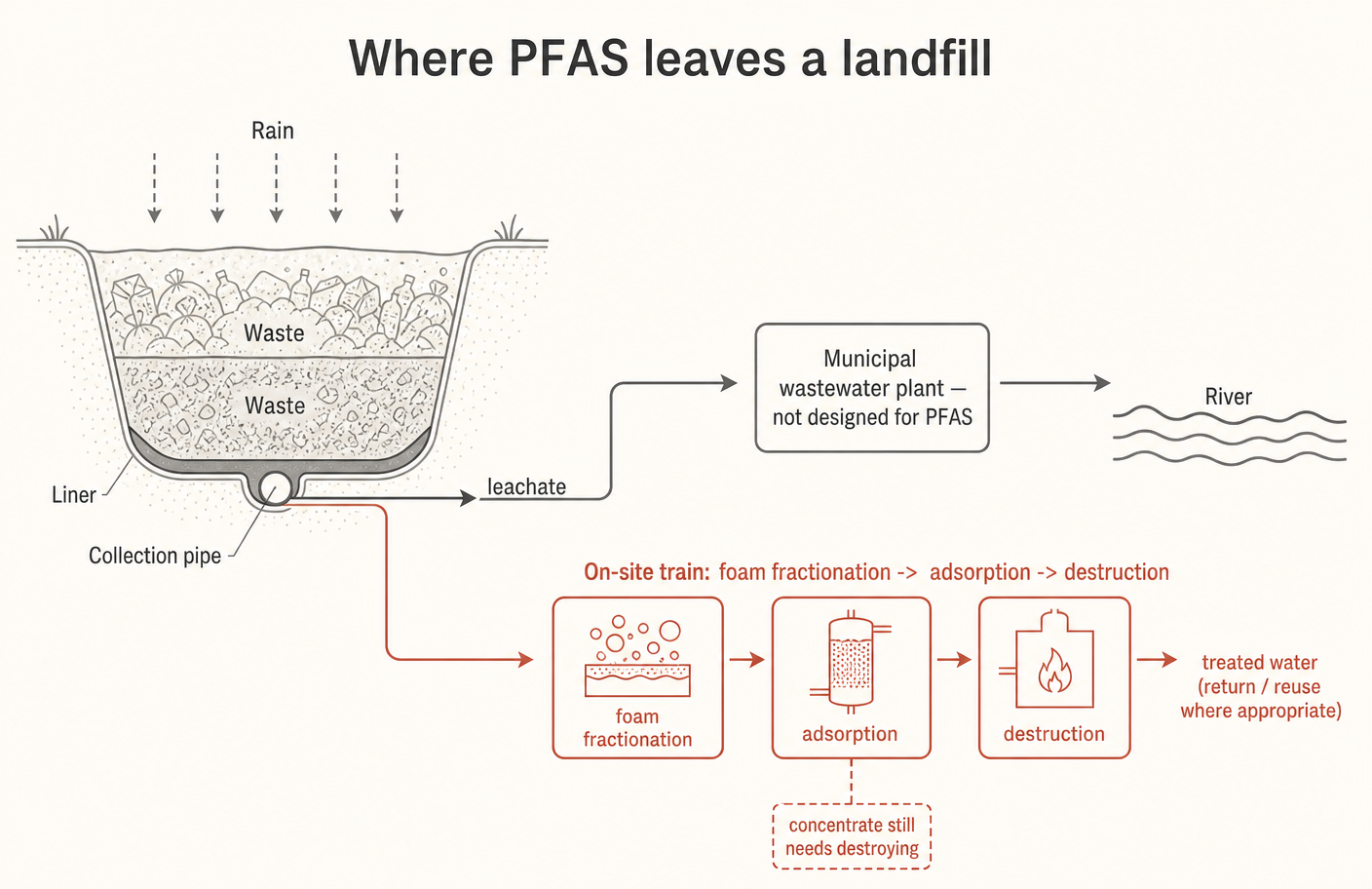
Every landfill makes a liquid. Rain and moisture percolate down through the waste, dissolving whatever they touch, and the result collects at the base. That liquid is leachate, and modern sites are engineered to capture it — liners underneath, a grid of collection pipes, a pumped sump.
Capture is the part that works. Disposal is the part that does not.
Why the chemicals are in there at all
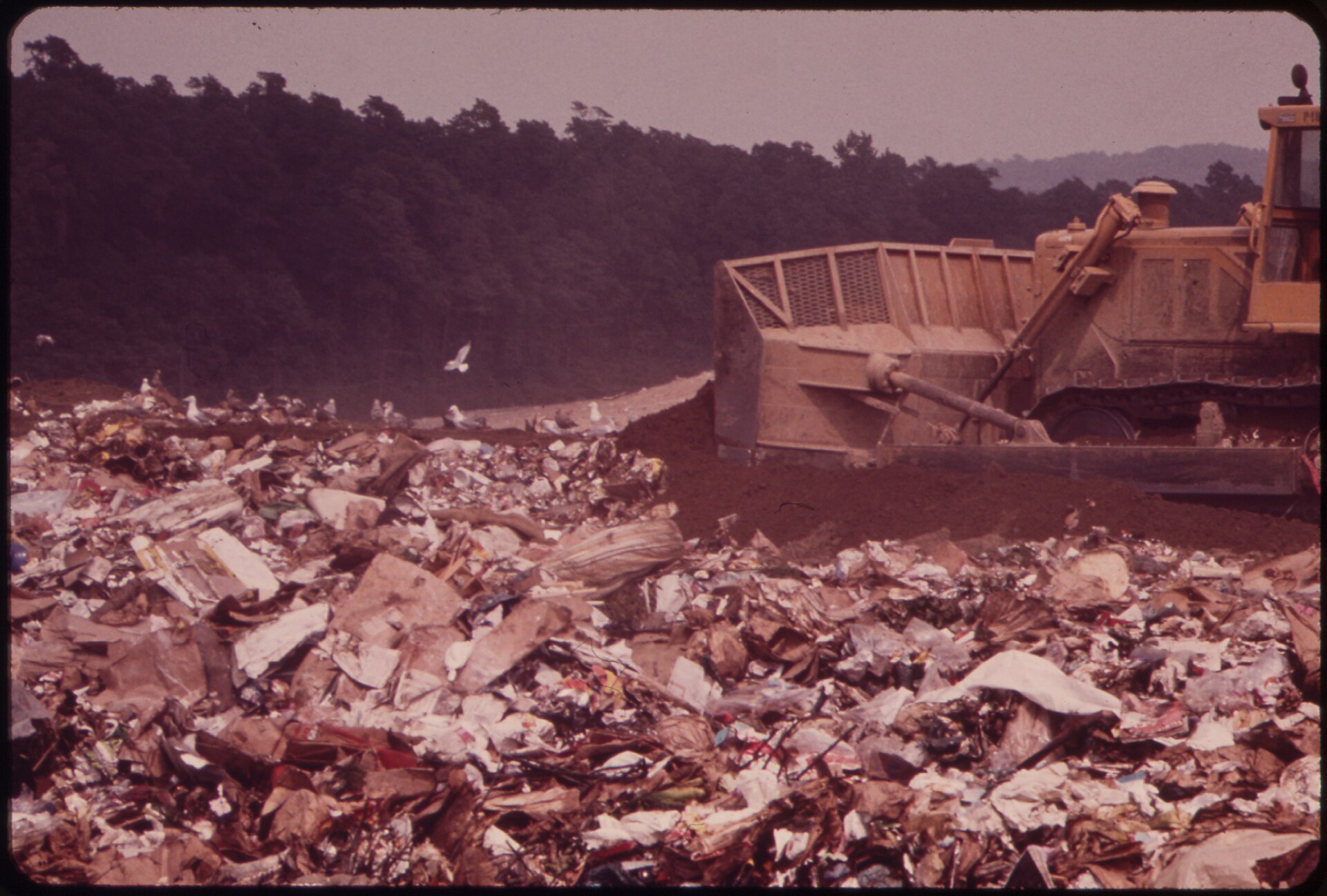
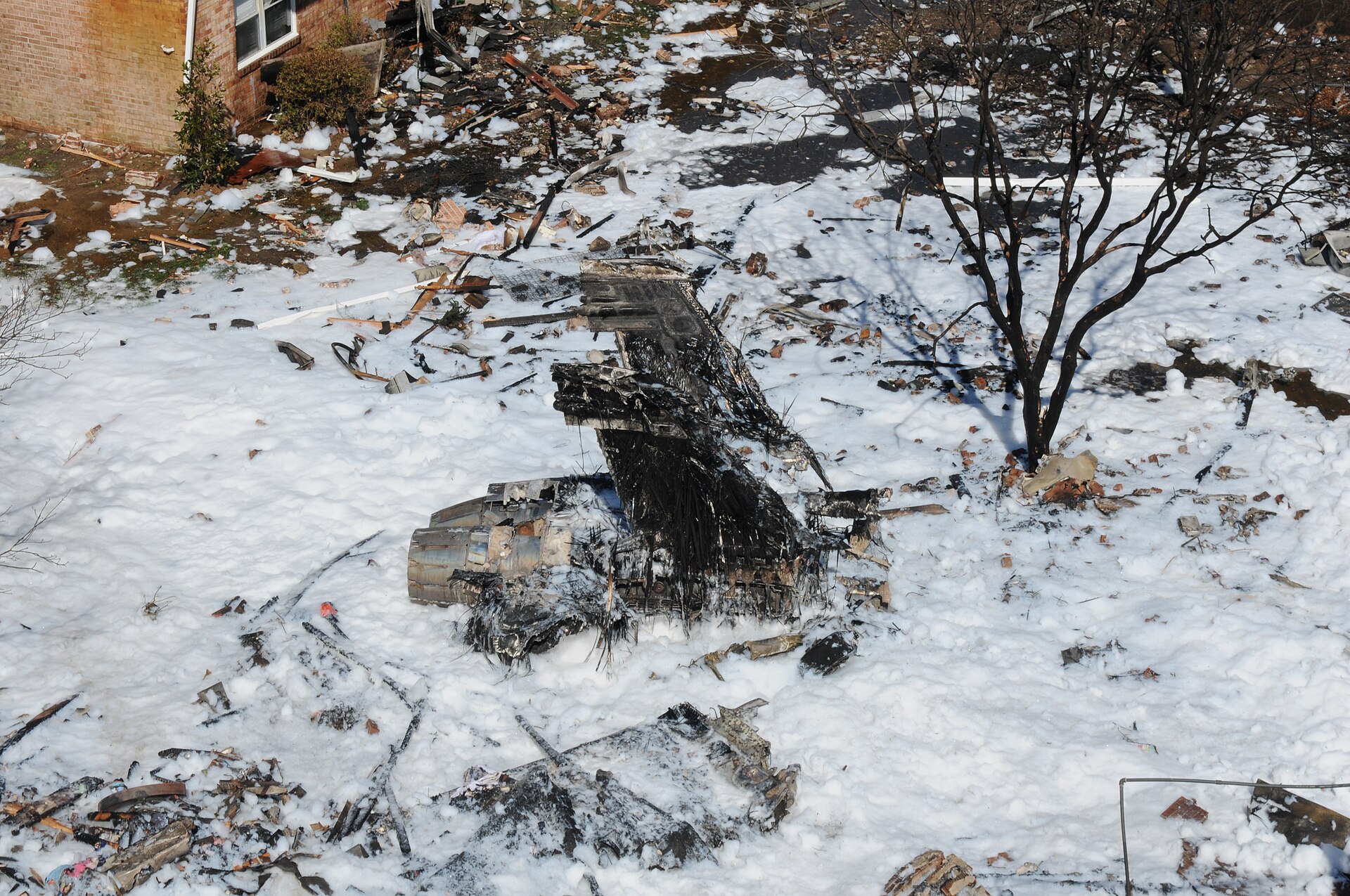
PFAS are in nonstick cookware, waterproof fabrics, grease-resistant food packaging and firefighting foam. All of it eventually becomes household waste. A landfill is, among other things, a several-decade accumulation of consumer PFAS, slowly being rinsed.
The gap in the current route
Collected leachate is trucked or piped to a publicly owned treatment works — a conventional wastewater plant built to remove organics, solids and nutrients. It does those well. It does not remove PFAS or 1,4-dioxane, which pass through essentially unchanged and discharge to the receiving water.
What New York proposed
Draft Part 360 regulations, published 1 July 2026, would require active landfills to treat PFAS and 1,4-dioxane in leachate on site before discharge — the first such mandate in the United States. The public comment period closed on 9 September 2026.
The treatment options
Foam fractionation exploits the fact that PFAS are surfactants: bubble air through leachate and they migrate to the air-water interface, concentrating in a foam you skim off. Long-chain compounds like PFOA and PFOS come out at 97 to 99 percent. Short-chain ones — PFBS, PFBA, PFHxA — manage 10 to 40 percent without added surfactants.
Membranes (reverse osmosis, nanofiltration) separate physically but leave a concentrated brine. Granular activated carbon adsorbs until it saturates. Ion-exchange resin is selective and also ends up as concentrated waste.
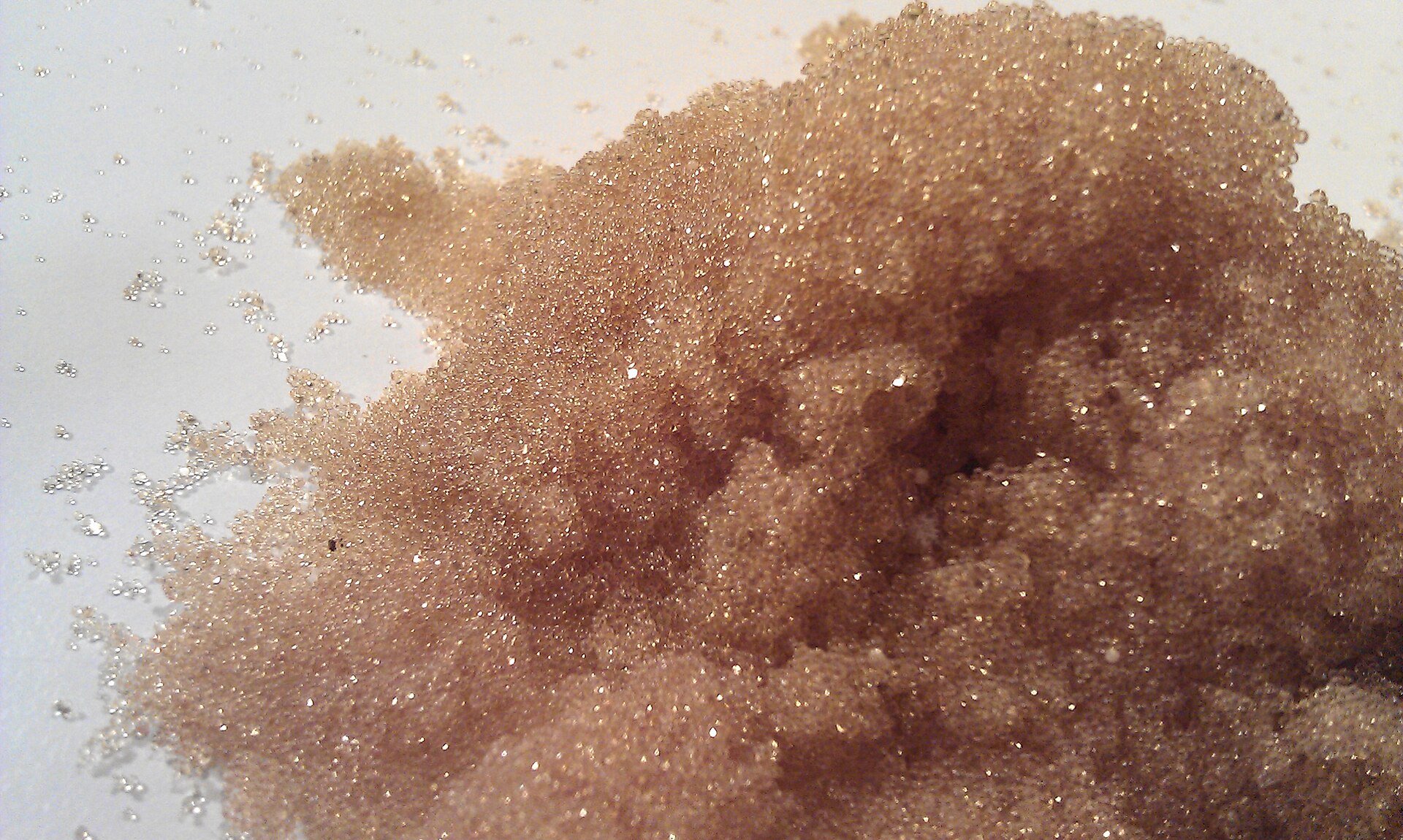
Every option above concentrates rather than destroys. The concentrate then needs supercritical water oxidation or electrochemical oxidation to actually break the carbon-fluorine bond.
The objections worth taking seriously
Operators including WM have argued the 99.9 percent removal requirement is unachievable for some compounds, and on short-chain PFAS they have a point. The full train — pretreatment, fractionation, adsorption, destruction of the concentrate — is expensive and operationally demanding for a small municipal site. $75 million spread across every landfill in the state does not go far.
And closed landfills still generate leachate for decades. The proposed rules do not cover them.
References and image credits›
- 01NYSDEC — First-in-nation regulations proposed to help stop PFAS at landfills from entering waterways
- 02ITRC — PFAS treatment technologies
Photo: Kate Jewell, CC BY-SA 2.0, via Wikimedia Commons · Photo: U.S. Navy, public domain · Photo: Tomásdearg92, Wikimedia Commons, CC BY-SA 3.0 · Photo: Victor787, CC BY 3.0, via Wikimedia Commons