
HUI has a waste-to-SAF licence. It does not yet have a plant
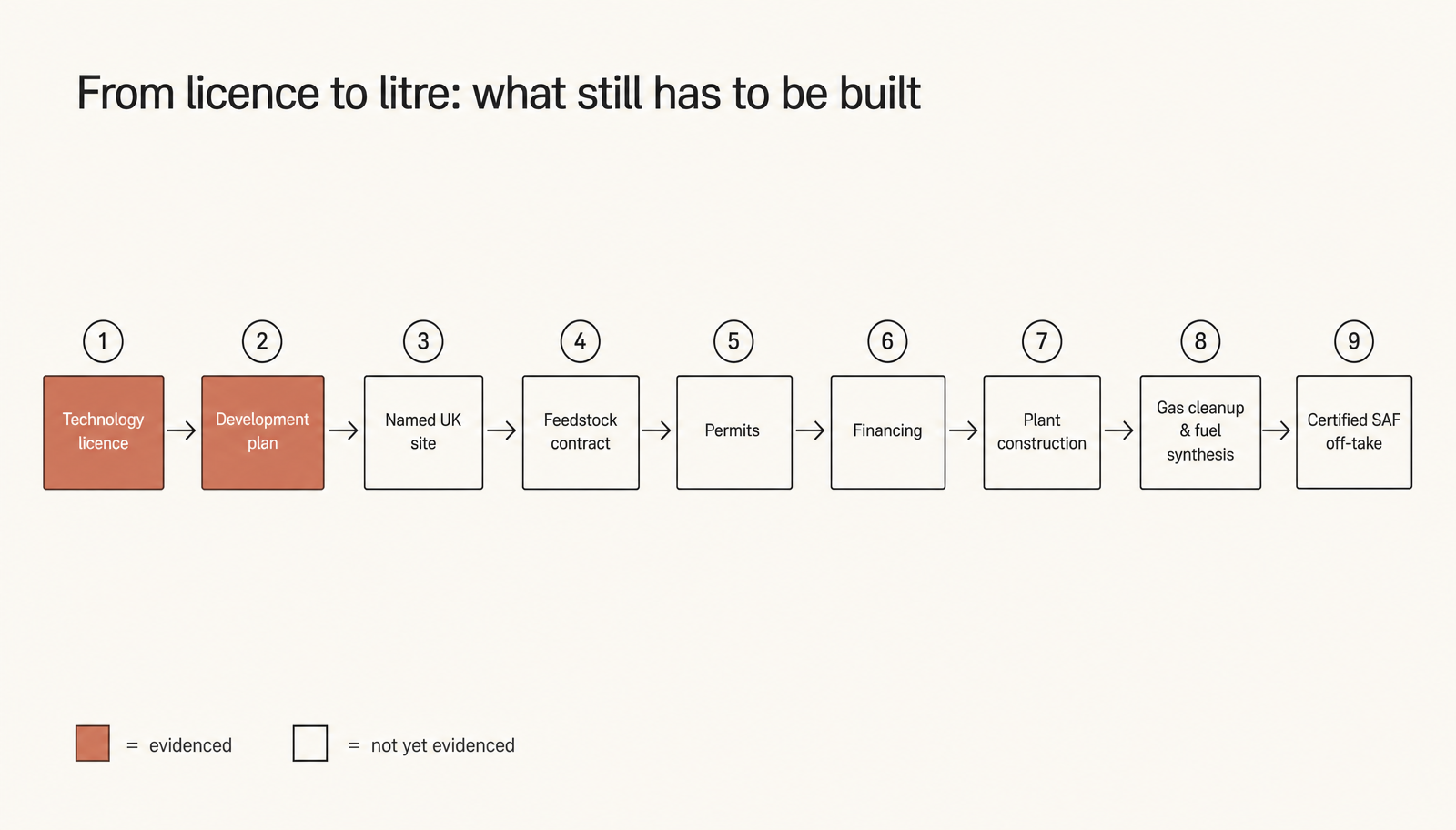
On 17 August, Hydrogen Utopia International bought a $500,000 UK licence for plasma gasification aimed at sustainable aviation fuel. A licence is a real asset. It is also nine milestones short of a litre of jet fuel.
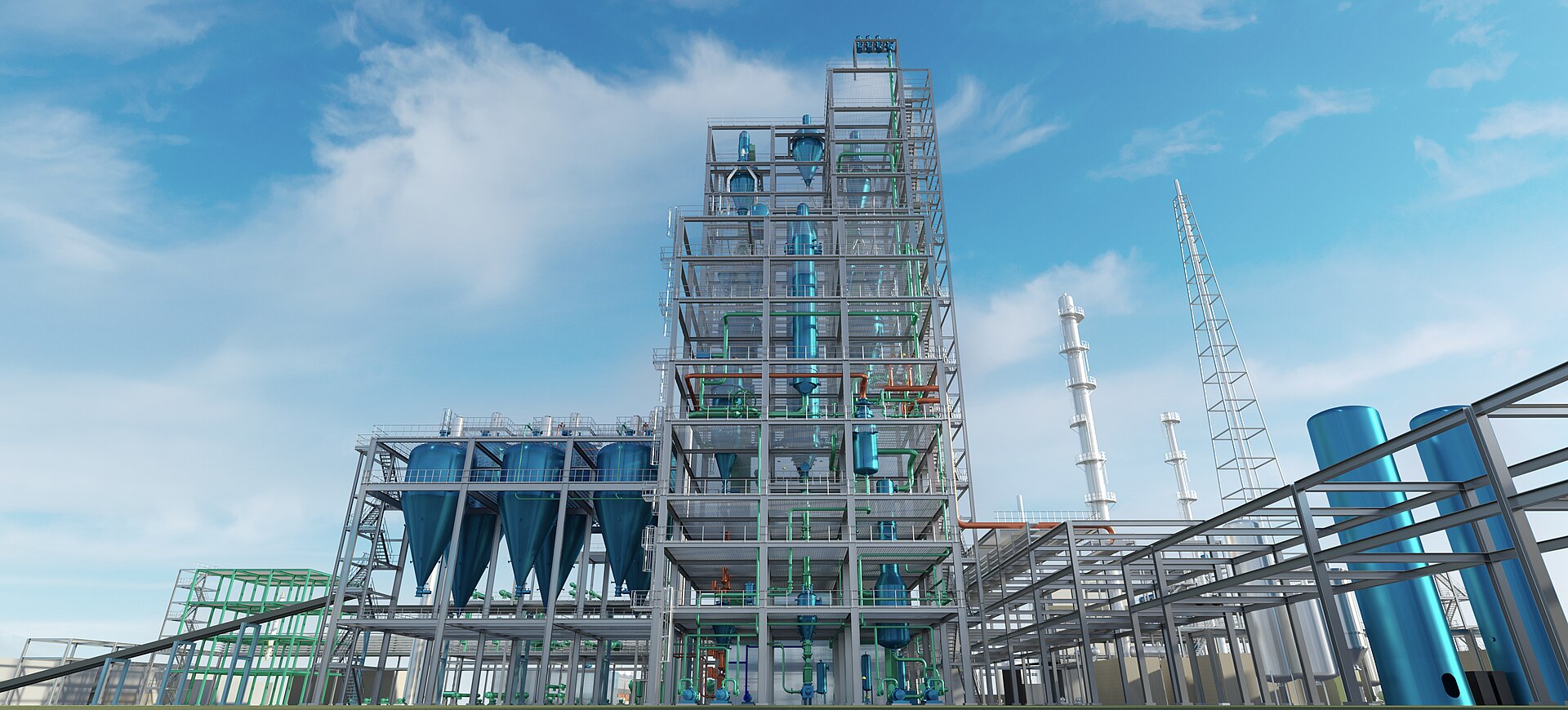
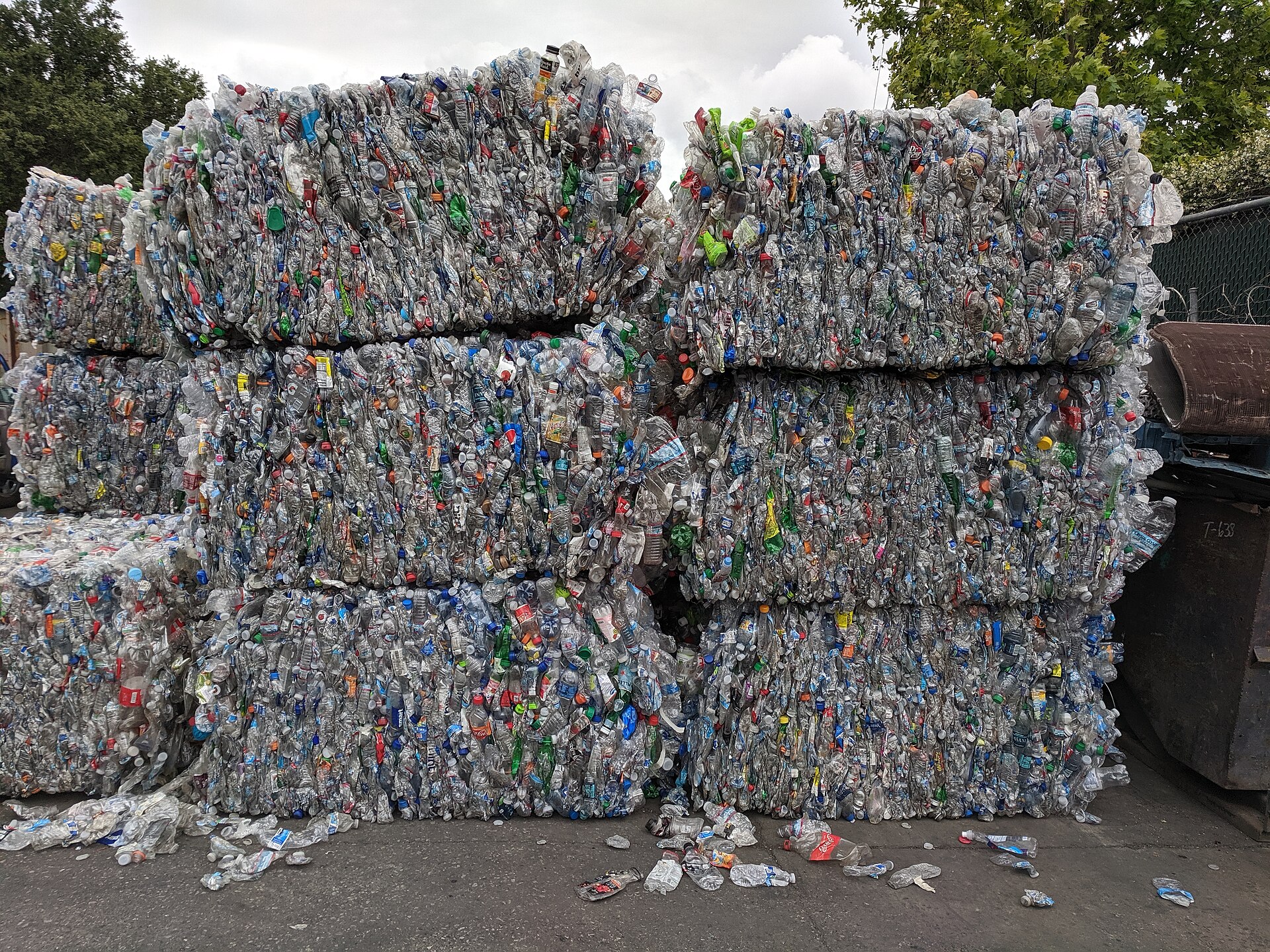
Hydrogen Utopia International announced on 17 August that it has secured a $500,000 licence from InEnTec to deploy Plasma Enhanced Melter gasification across the UK, turning non-recyclable mixed plastics and other wastes into syngas destined for sustainable aviation fuel.
This is a useful case study, and not because anything about it is obviously wrong. It is useful because it sits exactly on the line that waste-sector announcements routinely blur: the line between a technology licence plus a policy opportunity, and a financed, permitted, operating facility.
The claim
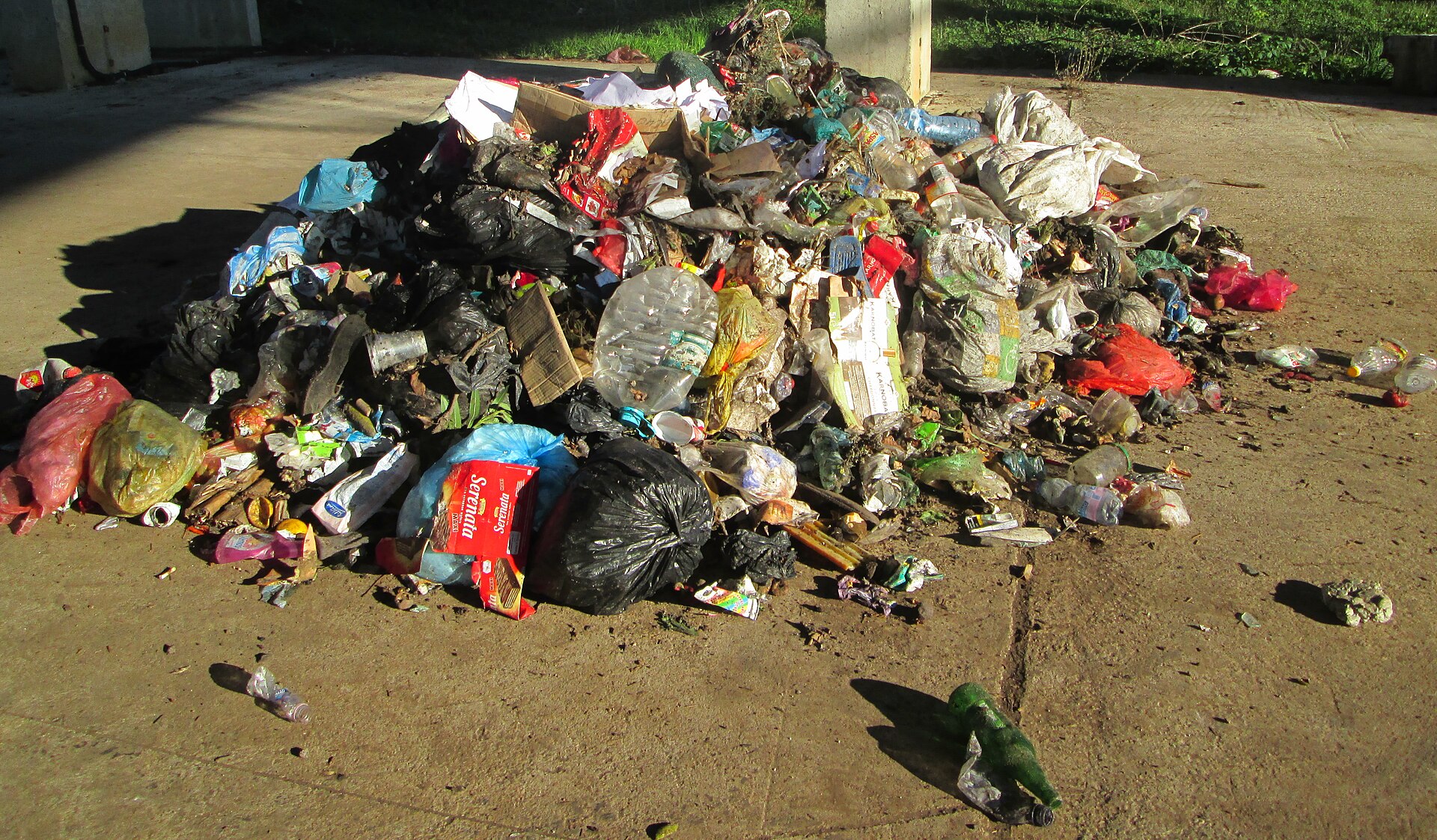
HUI says InEnTec's plasma-arc and molten-glass-bath system can convert virtually any organic waste into "ultra-clean" syngas without combustion or incineration. The UK licence gives HUI the rights to build, operate and scale those systems, with the syngas positioned as the building block for SAF.
A UK licence for plasma gasification means Britain is getting waste-derived aviation fuel.
The licence grants rights to deploy a technology. It does not identify a site, a capacity, a feedstock contract, an off-take agreement or a funding decision.
What is genuinely strong here
Two things deserve credit.
First, InEnTec is not a conceptual reactor on a slide deck. It has a deployed-technology record, which puts it ahead of a great many waste-to-fuel propositions.
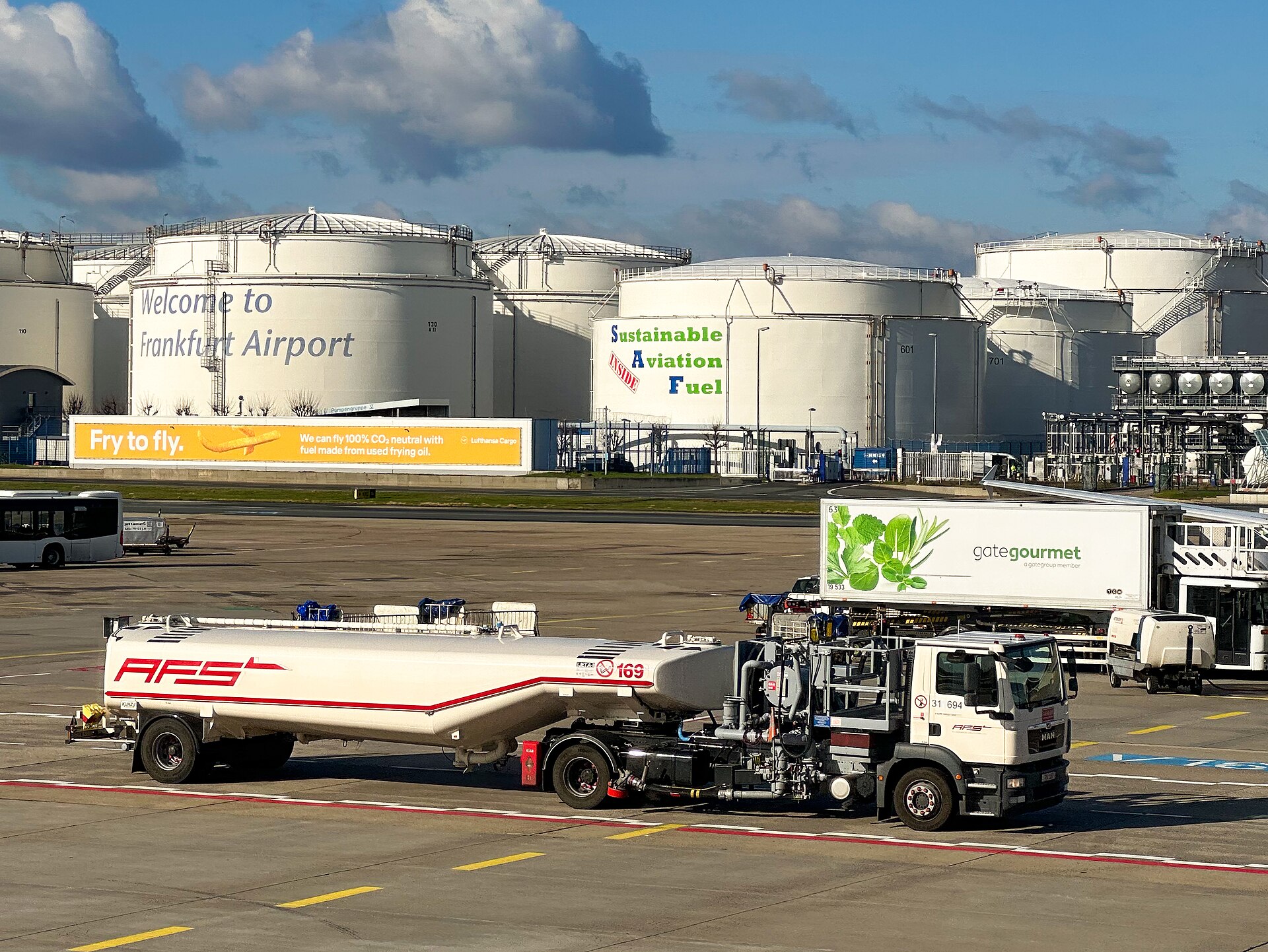
Second, gasification produces a genuinely flexible intermediate. Syngas can be routed to fuels, hydrogen or chemicals, which means the commercial target can move as markets move. And the UK SAF mandate plus public funding programmes create real, mandated demand at the other end.
What the licence does not prove
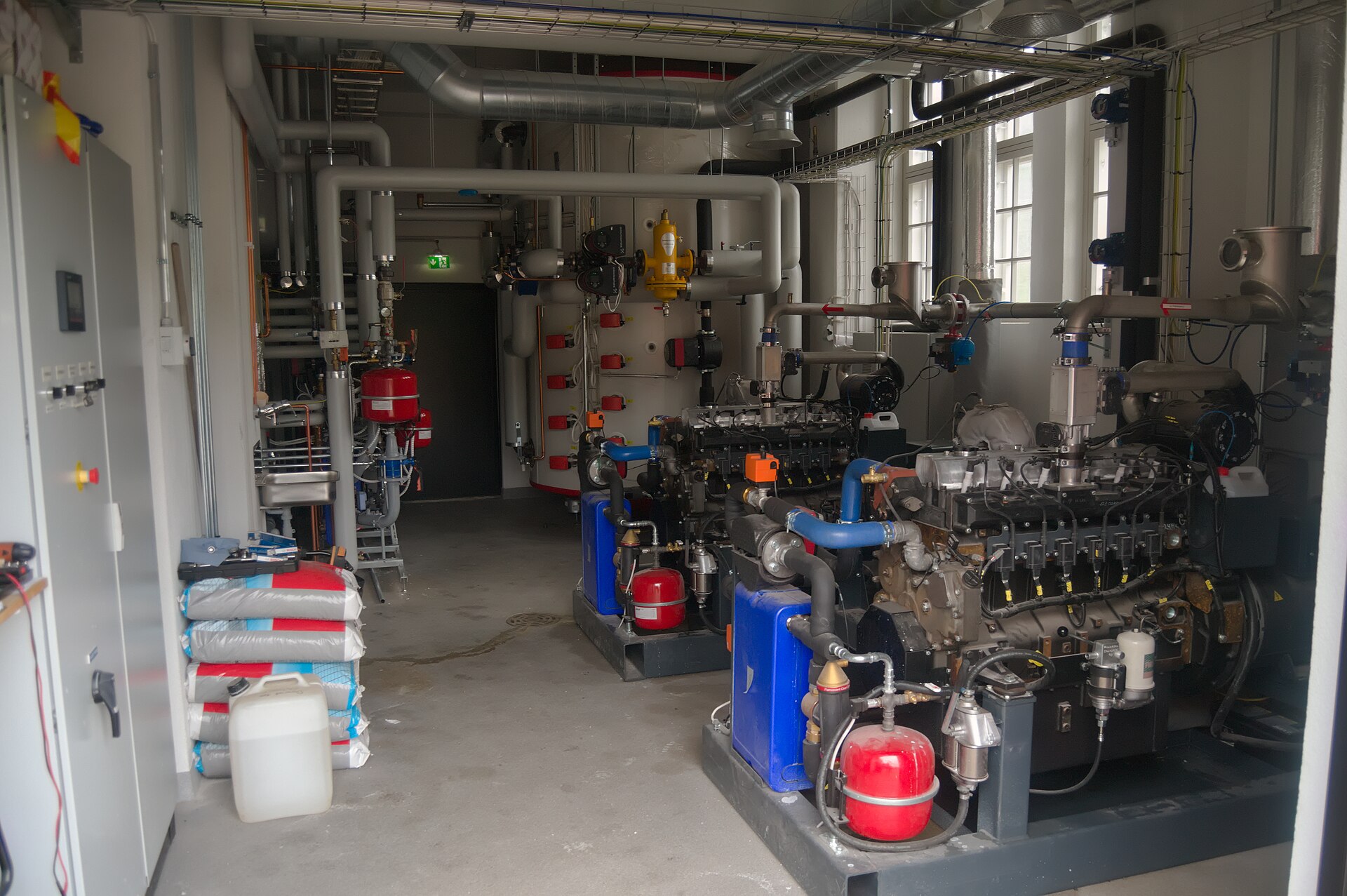
The announcement is silent on every operational specific that would let an outsider assess the project:
- No named UK site.
- No construction timetable.
- No stated production capacity.
- No completed feedstock contract.
- No SAF off-take agreement.
- No confirmed Low Carbon Fuels Fund award.
There is also a technical gap that press coverage tends to skip. Syngas is not aviation fuel. Between the two sit gas cleanup, synthesis, upgrading and fuel certification — each with its own capital cost, yield loss and approval timeline.
The business-model gap
HUI's latest reported results describe a development-stage, pre-revenue company: £500,068 of group cash and a £722,474 loss for 2025. The accounts state that future working capital depends on loan repayments, and warn that non-repayment creates going-concern uncertainty.
A $500,000 licence fee against that balance sheet is not a rounding error. It is a substantial share of available cash spent on rights rather than on steel in the ground.
The scale-up question
"No combustion" describes the reactor. It says nothing about the electricity, the transport, the carbon, or the recycling that the feedstock was diverted from.
An independent review in Discover Sustainability finds that plasma gasification can reduce landfill dependence and produce usable syngas — while flagging high capital and operating costs, limited commercialisation and considerable process complexity.
And "no combustion" is doing a lot of rhetorical work. It is a statement about the reactor, not about the system boundary. The climate result depends on electricity input to the plasma torch, feedstock preparation and drying, carbon handling, transport, and — critically — whether the material fed in could have been mechanically recycled instead.
The verdict
The available evidence supports "licensed technology plus a development plan". It does not support "commercial UK waste-to-SAF production".
The decisive tests are unglamorous and entirely checkable: a named site, a full mass-and-energy balance, independent life-cycle accounting, guaranteed feedstock quality, a certified fuel pathway, and signed financing and off-take contracts. Until several of those land, this is a promising platform attached to an unfinished project.
References and image credits›
- 01HUI RNS — HUI secures UK licence for SAF
- 02HUI RNS — Final results
- 03InEnTec — deployed PEM systems
- 04Discover Sustainability — review of plasma gasification for waste
Photo: Hansmuller, CC BY-SA 4.0 · Photo: Antti Leppänen, CC BY 4.0 · Photo: CC0