
Zeolite and bamboo biochar concrete: stronger, CO2-absorbing — and about 2,000 years from paying back
An Indian lab mix swaps half the fine aggregate for zeolite and 1% of cement for bamboo biochar. Strength goes up; CO2 uptake is 1.2 g a day in a concentrated chamber. The scale maths is sobering.
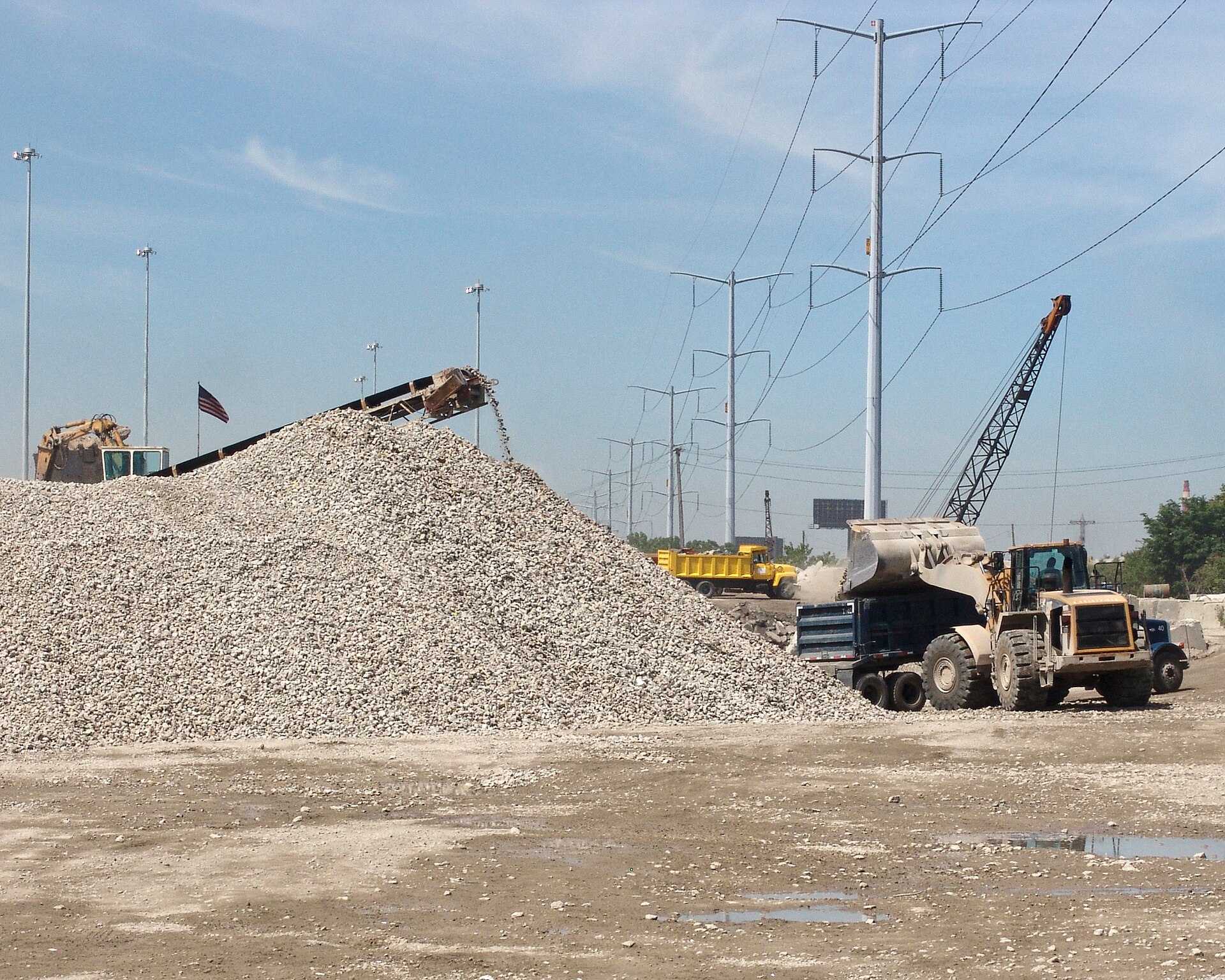
Concrete accounts for around 8% of global CO2 emissions, mostly from cement. Researchers at Mepco Schlenk Engineering College, led by Srinivasan Revathi, tested an M35 mix — a common grade for moderate-traffic infrastructure — with two substitutions: zeolite for fine aggregate (25% and 50%) and bamboo biochar for cement (0.5%, 1%, 1.5%).
The best mix: ZB5
50% zeolite, 1% bamboo biochar.
- Compressive strength: 38.49 MPa (+7.48%).
- Split tensile strength: 4.39 MPa (+15%).
- CO2 capture: about 1.2 g per day in a carbonation chamber.
- CO2 penetration: 15 mm over 7 days.
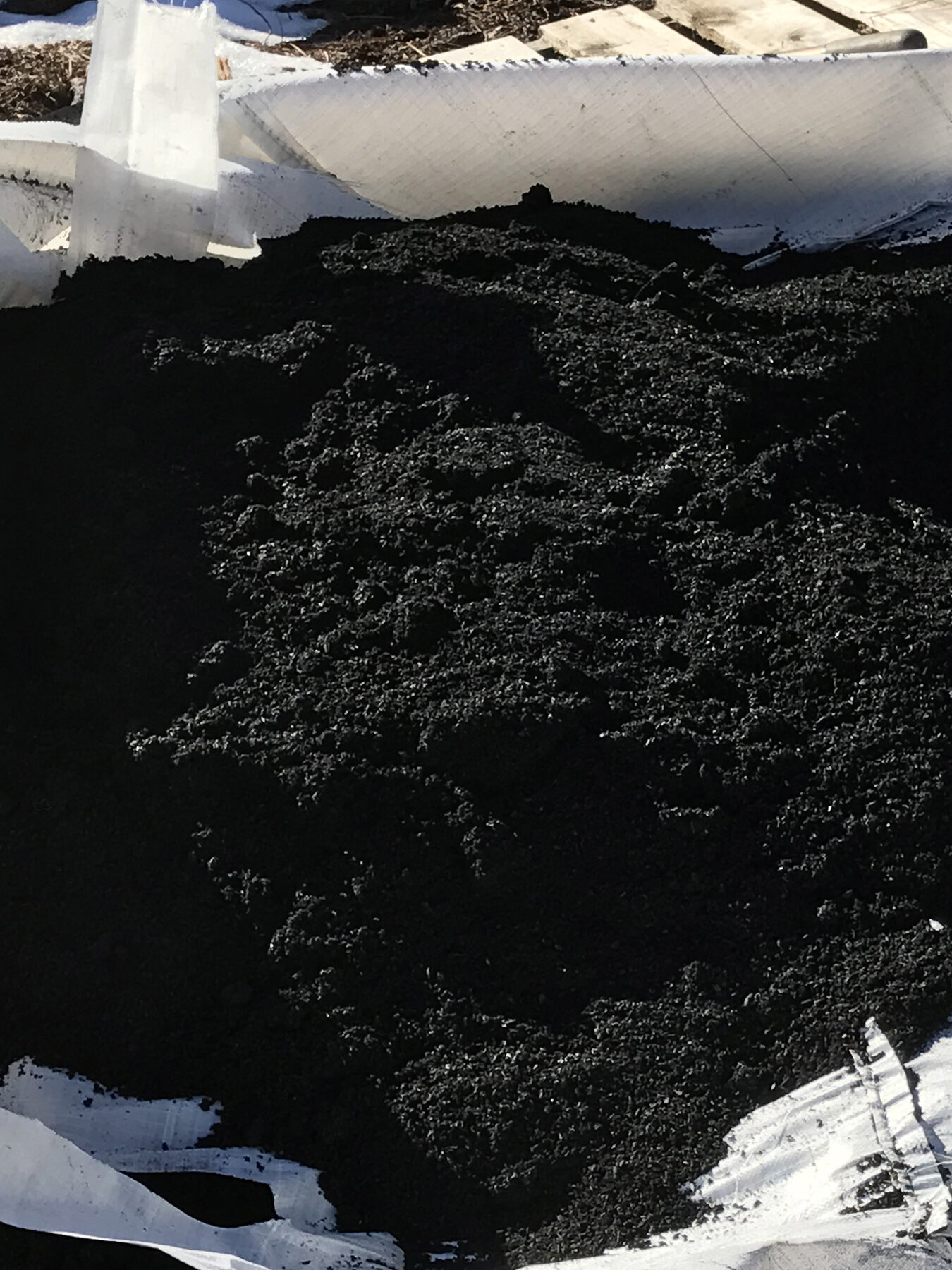
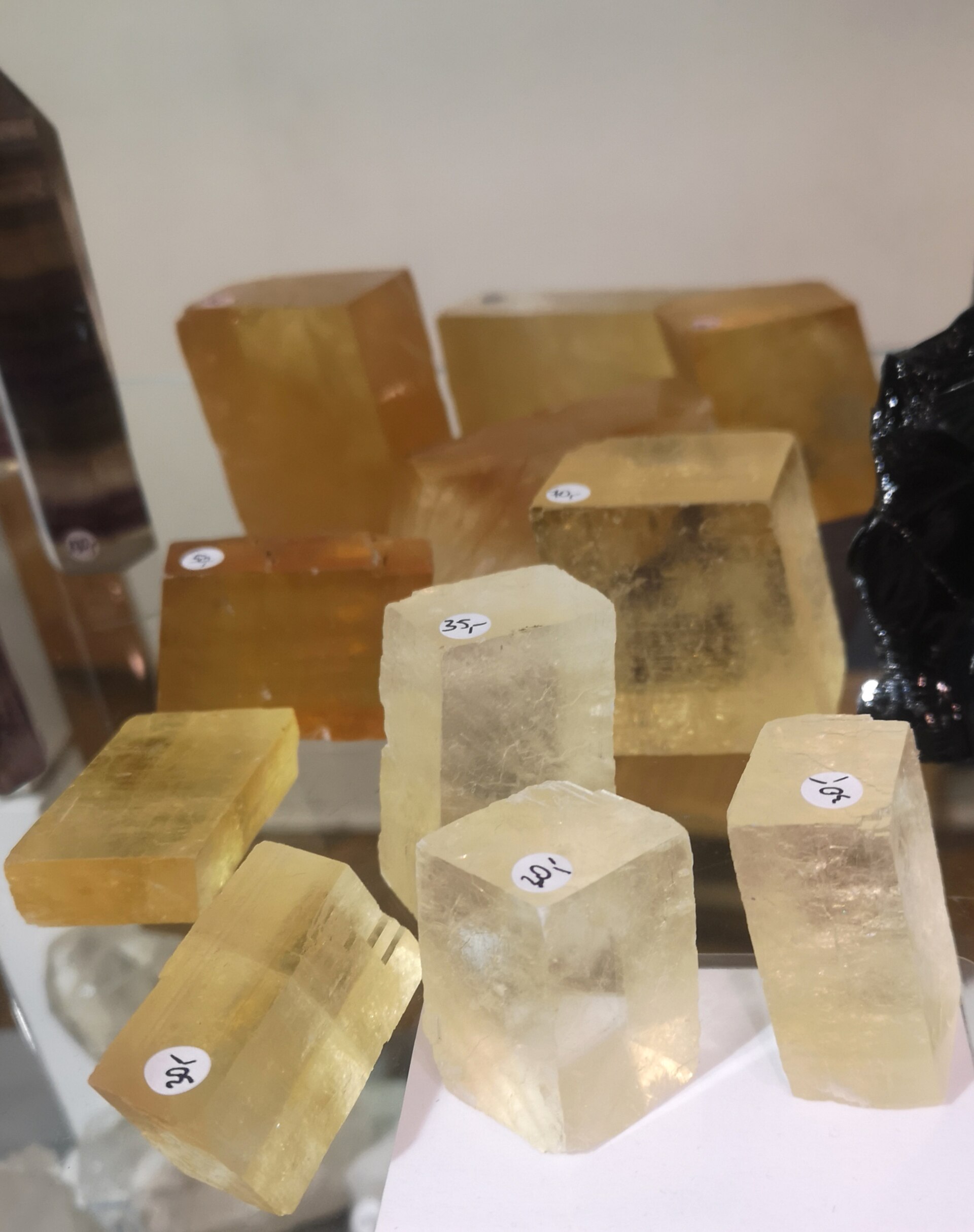
The team credits zeolite's aluminosilicate structure plus hard biochar for a denser matrix, and the microporous structure of both for trapping CO2.
The scale check
This concrete is stronger and pulls CO2 from the air.
The 1.2 g/day was measured in a lab chamber with concentrated CO2, over seven days. There is no field or ambient-air data.
Take the number at face value and extend it: 1.2 g/day on one square metre is about 438 g a year. A tonne of cement emits around 900 kg of CO2.
And the rate probably will not hold: pores fill and zeolite saturates. Seven days cannot show whether uptake plateaus.
What else is missing
- No life-cycle assessment, cost data or field test.
- Replacing 50% of fine aggregate with zeolite means mining a lot of zeolite.
- The strength gains are in the range of fly ash and slag, which are already commercial and use waste materials.
- The paper calls itself a proof of concept.
The fair read
Getting strength and some CO2 uptake from the same additive is interesting, and a stronger mix can mean less cement per structure — probably the real climate lever here. The CO2-absorbing headline is not. Watch for ambient-air, multi-year tests and an LCA before treating this as a carbon sink.
References and image credits›
- 01ScienceDaily — This new concrete is stronger and pulls CO2 from the air
- 02Carbon Research — Effect of zeolite and bamboo biochar as CO2 absorbent in concrete
Photo: US Department of Agriculture, public domain, via Wikimedia Commons · Photo: Silar, CC BY-SA 4.0