
Glue and elevators: how two sizes of bubble pull 90% of microplastics out of wastewater
RMIT researchers upgraded a 1960s treatment step — dissolved air flotation — by pairing microbubbles with nanobubbles. Lab results top 90% microplastic removal. Here is the mechanism and the caveats.
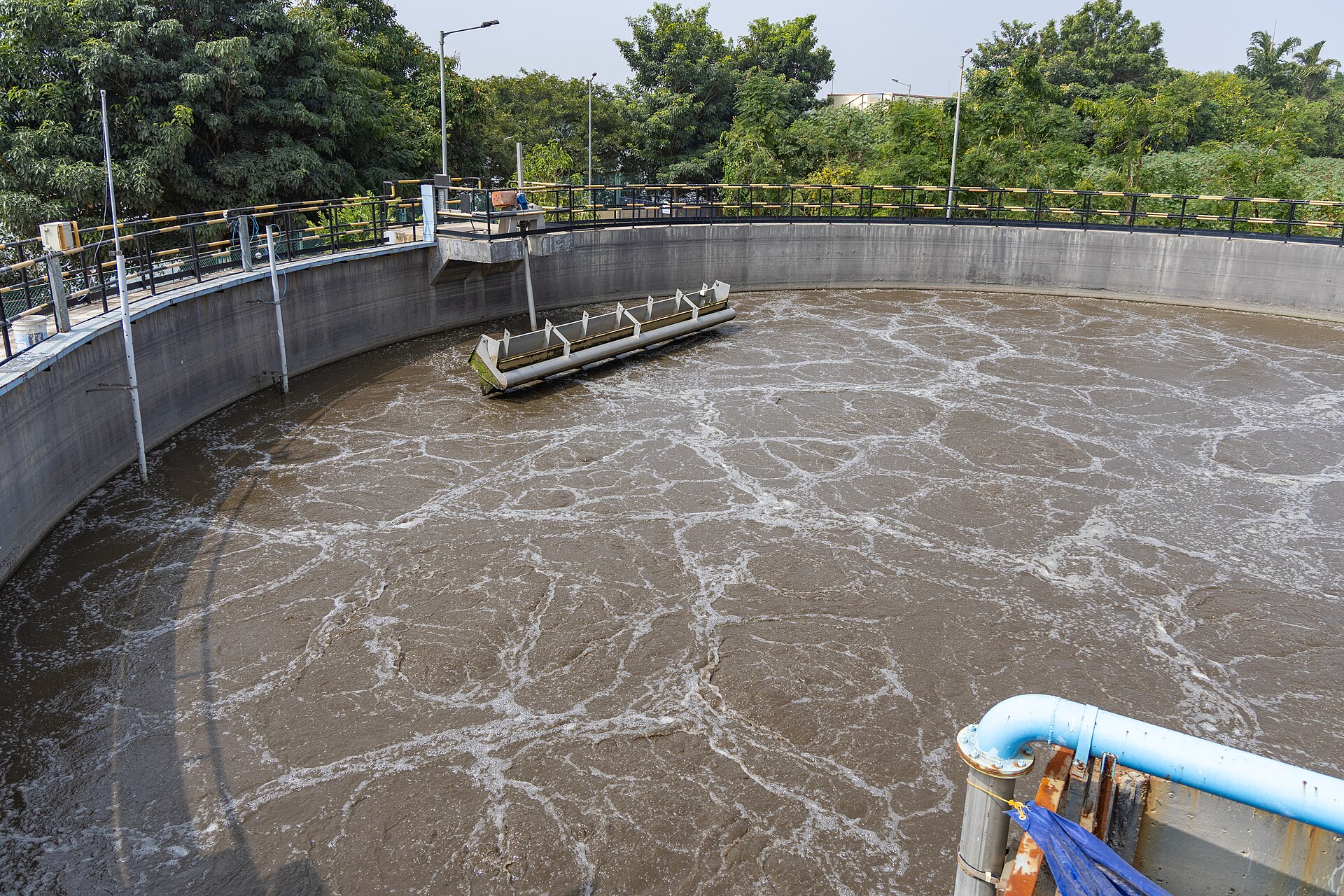
Wastewater plants catch a lot of plastic, but the smallest particles slip through into rivers or concentrate in sewage sludge that is spread on farmland. RMIT University's fix is not a new machine. It is a tweak to one that plants already run.
The starting point: dissolved air flotation
Dissolved air flotation (DAF) has been used since the 1960s for oils, grease and suspended solids. Air is dissolved into water under pressure, then released at atmospheric pressure. Tiny bubbles form, stick to particles, and float them to the surface where they are skimmed off. The weakness: bubbles do not stick well to small plastic particles.
Two bubbles, two jobs
The team, led by Biplob Pramanik with Sirajum Monira, combined two bubble populations:
- Microbubbles — tens of micrometres across, about a hair's width. They supply buoyancy: the lift.
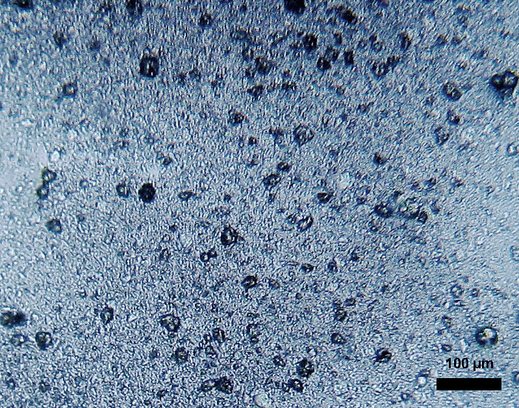
- Nanobubbles — under one micrometre. Huge surface area relative to volume. They increase adhesion between bubbles and plastic and help particles clump into larger agglomerates.
On their own, microbubbles do not grip small particles and nanobubbles cannot lift them. Together, the nanobubbles act as glue and the microbubbles as elevators.
Why it matters for sludge
Catching plastic in the flotation step means less of it ends up in biosolids. That is the route by which wastewater microplastics reach agricultural soil, so the benefit is not only about the river.
What is still unknown
- Scale. Everything so far is lab-scale. Real plants see swinging flows, mixed polymers and changing water chemistry.
- Energy and cost. Generating nanobubbles adds a step and energy draw; neither figure has been published.
- Nanoplastics. No specific results for the smallest, most concerning particles.
- Polymer breakdown. Performance varies by plastic type, but the split is not given.
- The float. The skimmed froth is a concentrated microplastic waste stream that still has to go somewhere.
The takeaway
This is an upgrade path that could fit existing plants, which is rare. The next test is a pilot at an operating works, with energy use reported alongside removal.
References and image credits›
- 01Envirotec — Dual-bubble process removes over 90% of wastewater microplastics
- 02RMIT University — New approach boosts microplastic removal from wastewater
Photo: Dantor, CC BY-SA 3.0, via Wikimedia Commons · Photo: SuSanA Secretariat, CC BY 2.0