
All glass is not interchangeable in the recycling bin
A tumbler and a jam jar look like the same material. To a container-glass furnace they are not. Here is why household glass collection is built around bottles and jars specifically — and what to do with everything else.
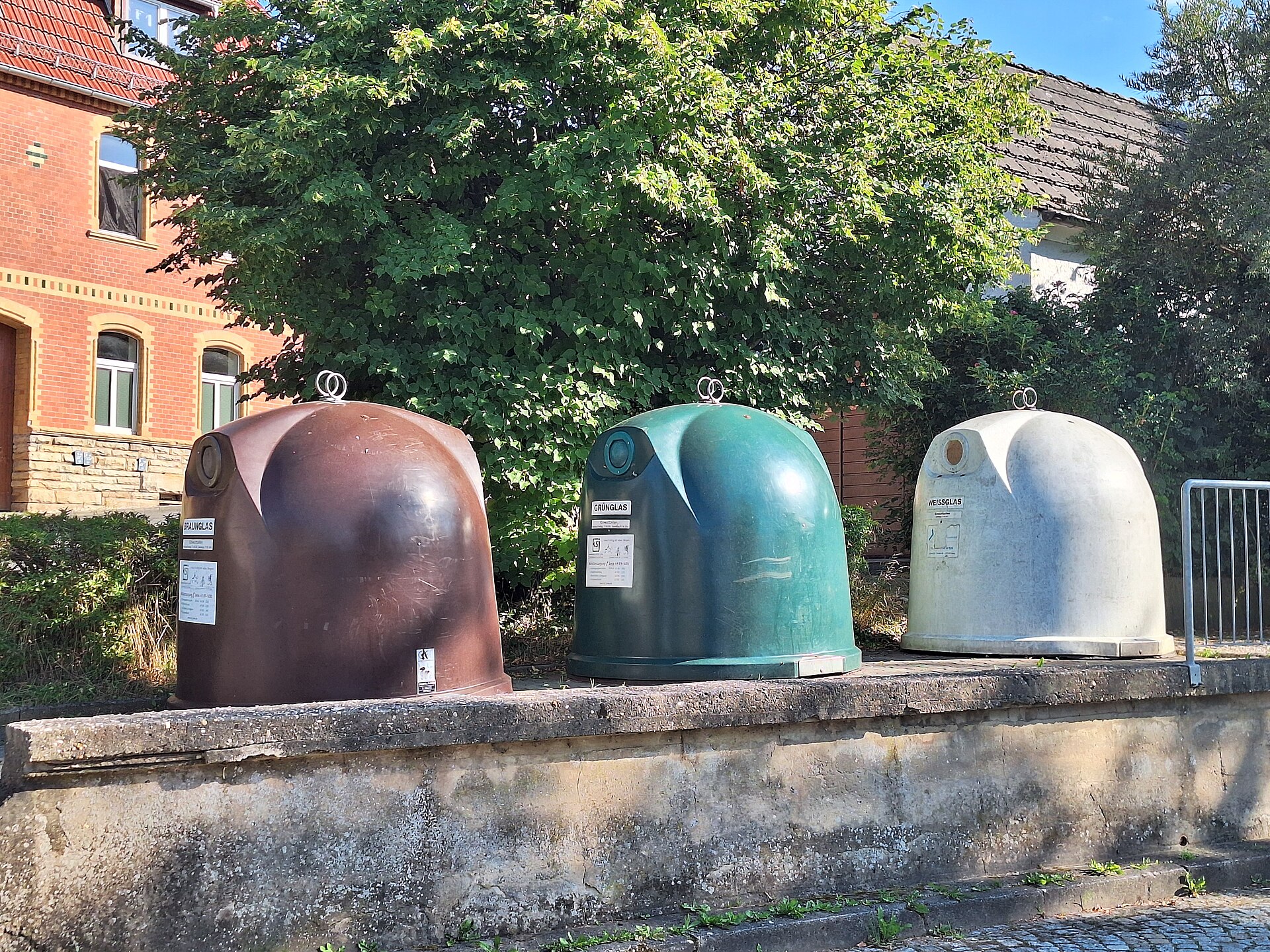
The intuition is reasonable. Glass is glass, glass is infinitely recyclable, so a broken tumbler belongs in the glass bin. Every step of that reasoning is wrong in a way that costs a processor money and occasionally costs a worker a hand injury.
Drinking glasses, ovenware and other glass objects can go in the same household recycling stream as bottles and food jars.
Recycle Now states that drinking glasses are made from a different material than common glass bottles and jars, and should not go into the household bottle-and-jar stream.
Why the difference matters to a furnace
Container glass is a soda-lime formulation with a known melting behaviour. A remelt furnace is tuned to it. Drinking glasses, ovenware and heat-resistant cookware are different formulations with different melting points and different thermal behaviour.
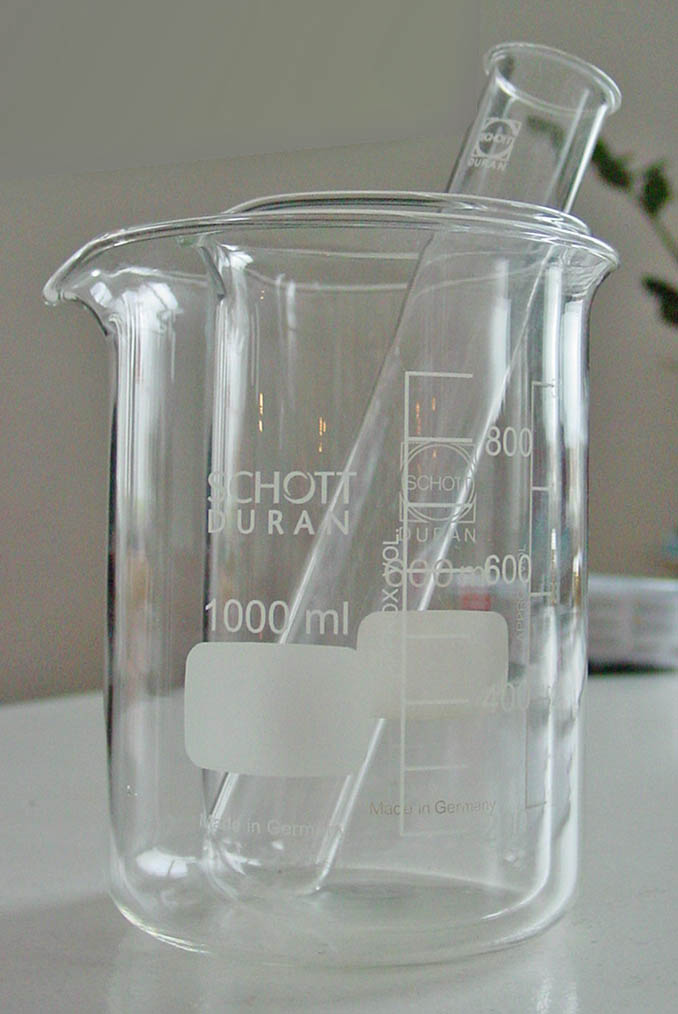
A fragment that will not melt at the furnace's working temperature does not disappear. It sits in the batch as an inclusion, and a batch with inclusions produces bottles with defects. This is why container-glass acceptance is written as "bottles and jars" rather than "glass".
The second reason: broken glass is a safety issue
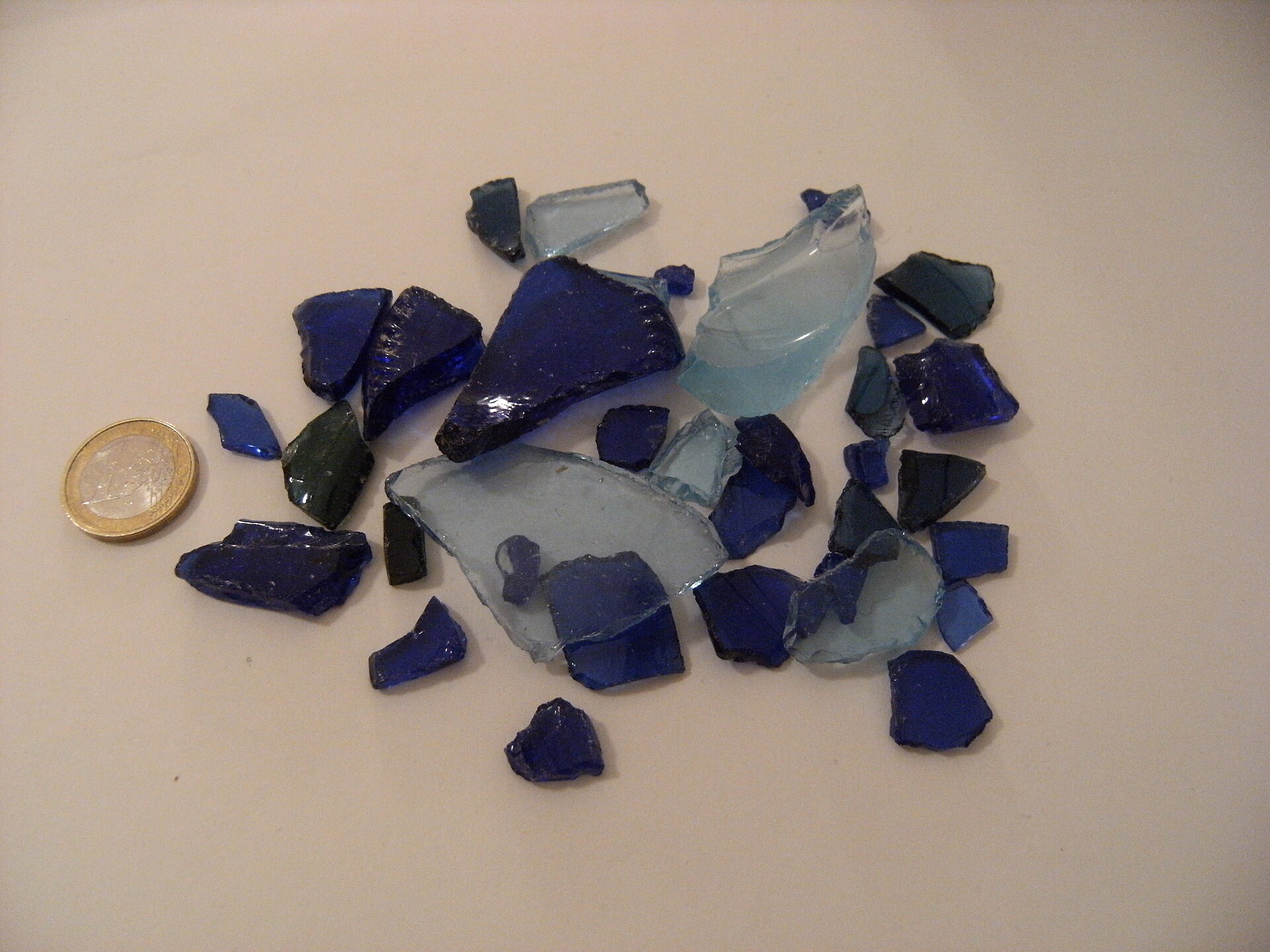
The EPA advises that broken glass should not go in recycling bins, because shards can injure workers and damage equipment.

There is a related failure mode people rarely think about: fine glass fragments embed themselves in paper and card on a mixed line, contaminating a second stream on the way through.
What to actually do
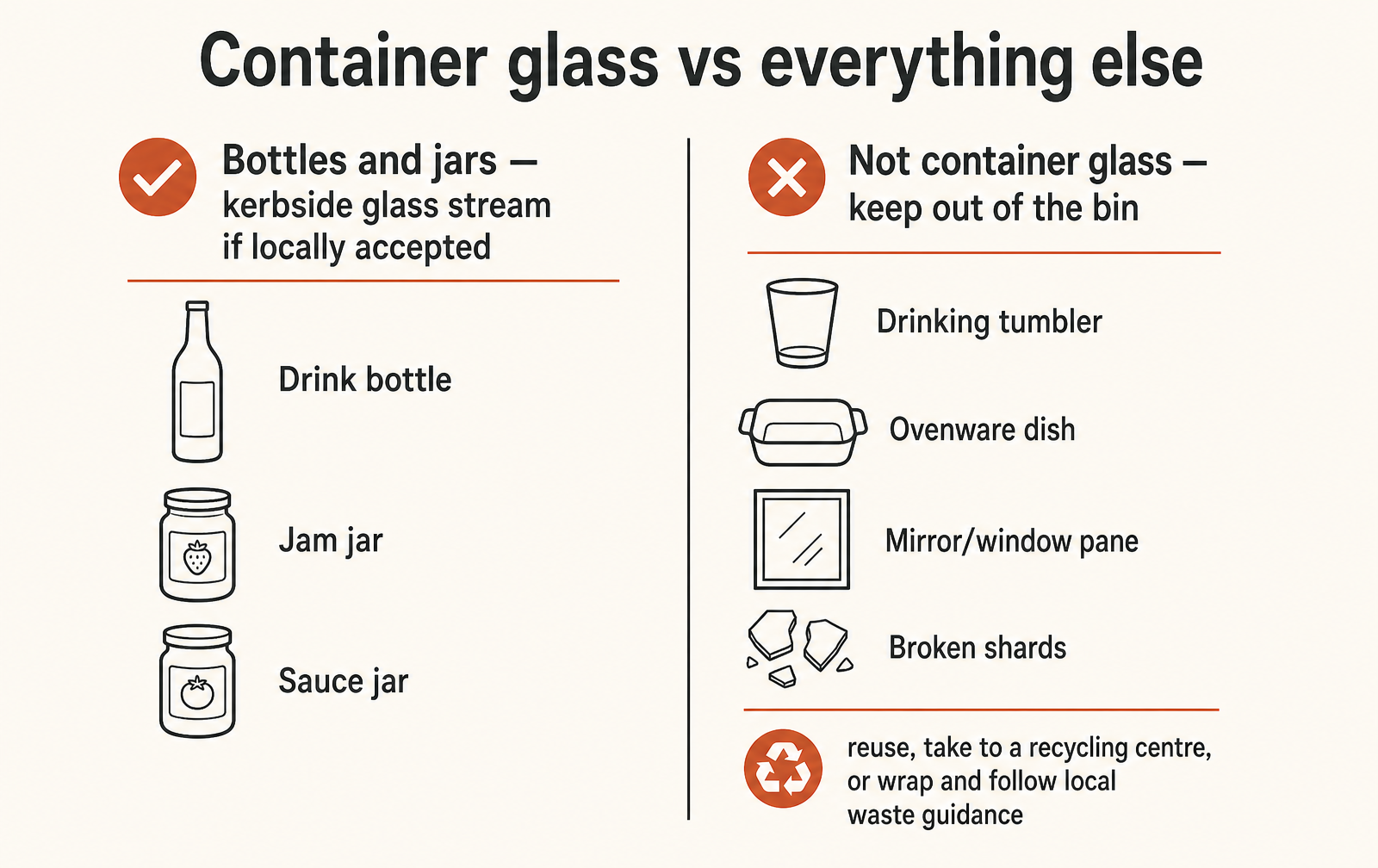
Put only locally accepted bottles and jars into the container-glass stream. Reuse intact drinking glasses — donation or a charity shop keeps a functioning object functioning, which beats any recycling route on impact. Take broken drinking glasses to a recycling centre where that service exists. Otherwise wrap them safely and follow local guidance for non-recyclable waste.
The promise
Correct sorting keeps clean container glass in a loop that genuinely can run repeatedly. Container glass is one of the few materials where the "infinitely recyclable" line is close to true — but only for the stream the system was designed around, and only when that stream stays clean.
The catch
"Glass recycling" is not one universal system. Acceptance rules, collection methods, sorting equipment and end markets differ by municipality, and a rule that is true in one council area is wrong in the next.
Worth asking your council: is glass collected separately or commingled, and where does it end up? Commingled collection produces more broken, mixed cullet, which often goes to aggregate rather than back into bottles. That is a real difference in outcome hiding behind the same bin.
References and image credits›
Photo: Steffen Mokosch, CC BY-SA 4.0 · Photo: Skatebiker, public domain · Photo: Sudzie, CC BY-SA 4.0 · Photo: Wikimedia Commons contributor, CC BY-SA