
The three-day composting machine, explained
Shah Alam is turning food waste from 2,000-plus premises into fertiliser in three to four days. That speed is not magic — it is source separation, moisture control and managed aerobic biology. Here is what happens inside, and the data the report leaves out.
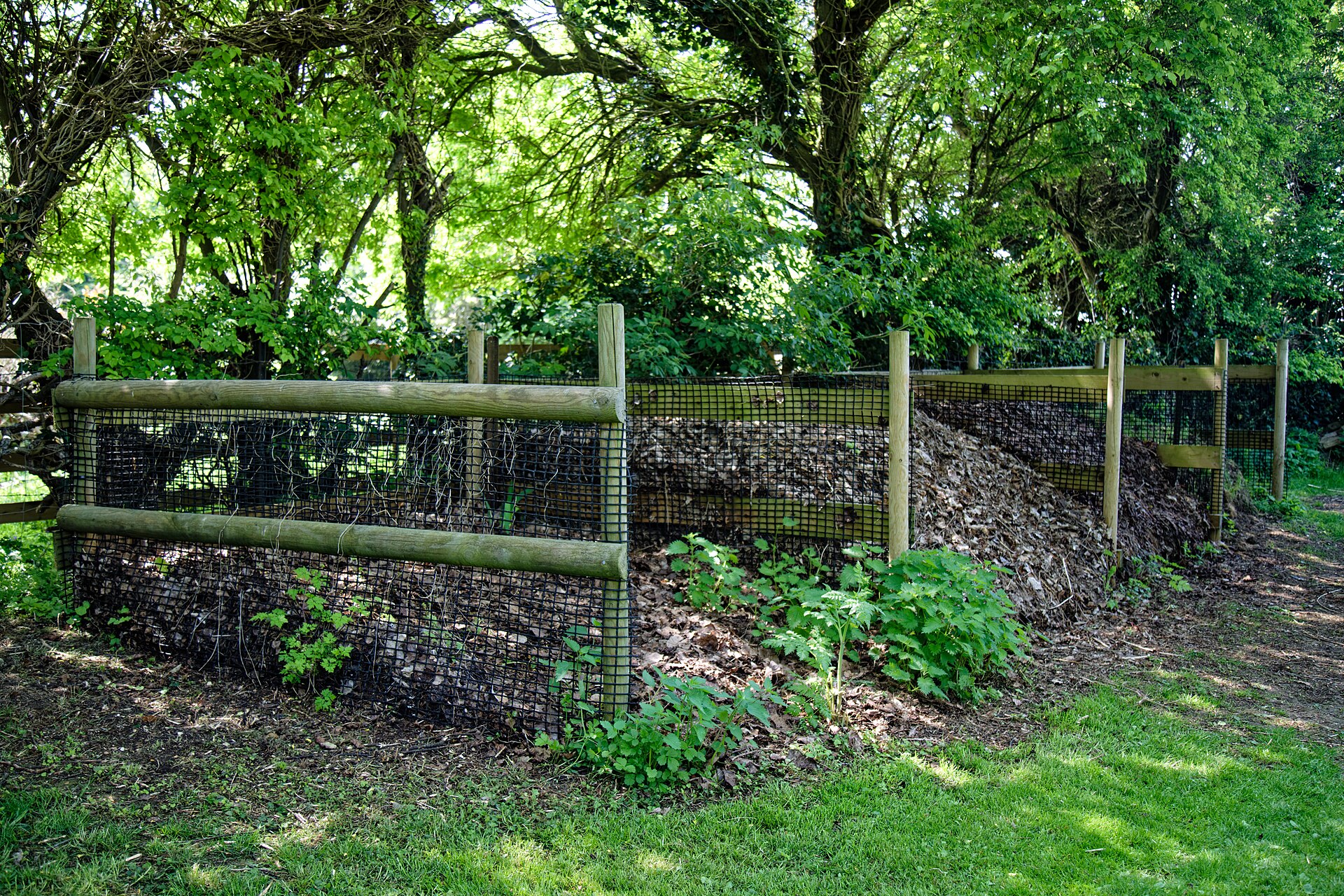
A city council announces that food waste becomes fertiliser in three to four days, and the instinct is to file it under "too good to be true". Backyard compost takes months. Windrows take weeks. So either the biology has changed or something else is doing the work.
Nothing about the biology has changed. What changes in a managed machine is everything the biology usually has to wait for.
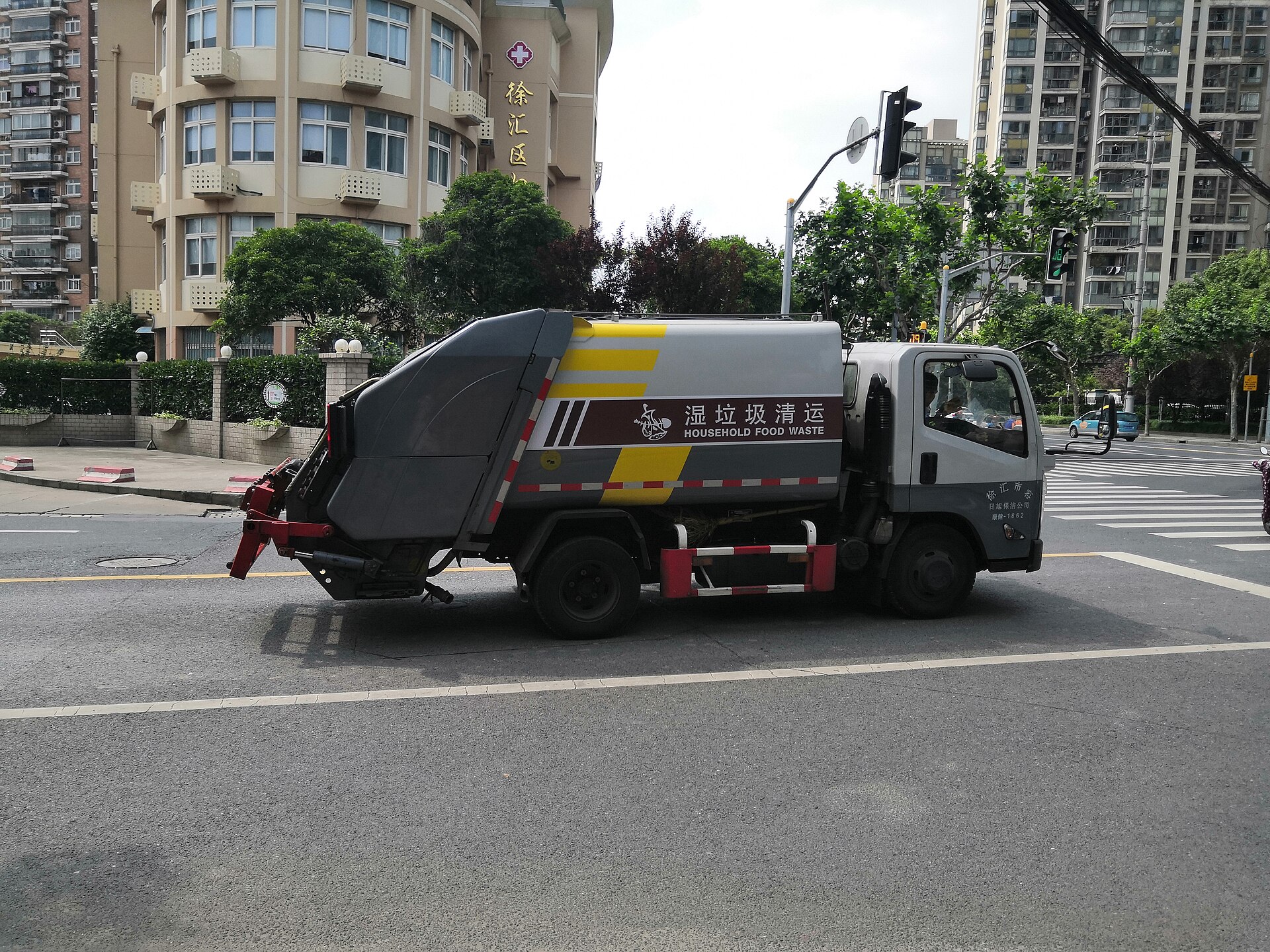
Shah Alam City Council (MBSA) separates food waste from more than 2,000 food premises, collects it six days a week, and processes it into an organic fertiliser sold under a "Foodie Compost" brand.
Step one: the feedstock is decided before the machine
Composting speed is set by what goes in. A machine fed clean, wet, nitrogen-rich kitchen scraps at a predictable rate behaves nothing like a heap fed whatever arrives.
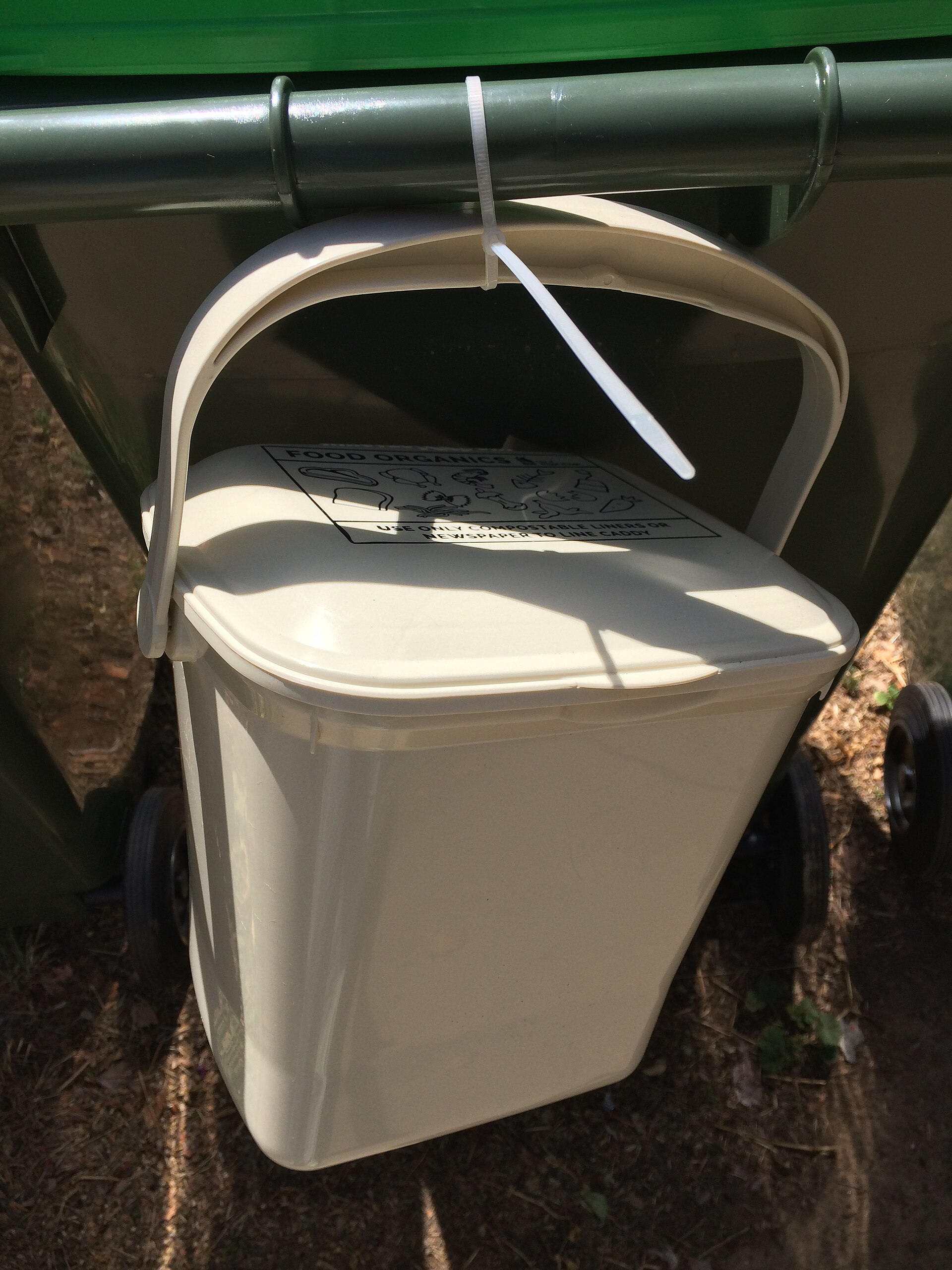
MBSA's first two moves are logistical, not biological: keep food scraps out of mixed waste at the premises, then have workers pull out plastics and other contaminants before processing.
Step two: conditioning the mix
Raw food waste is a bad composting substrate on its own. It is too wet, too dense, too nitrogen-heavy, and it collapses into an airless mass that goes anaerobic and smells.
MBSA mixes the food waste with coconut pulp, which helps hold moisture and open the structure, and adds enzymes intended to speed decomposition.
Step three: the part that is just biology
Composting is managed aerobic decomposition. The US EPA's framing is deliberately unglamorous: microorganisms digesting organic matter need four things — carbon, nitrogen, water and oxygen.
A backyard heap is slow because those four things drift out of balance and nobody corrects them. Too dry and microbial activity stalls. Too wet and oxygen cannot diffuse in, so the fast aerobic organisms hand over to slow, smelly anaerobic ones. Too little turning and the pile heats in the middle and stays cold at the edges.
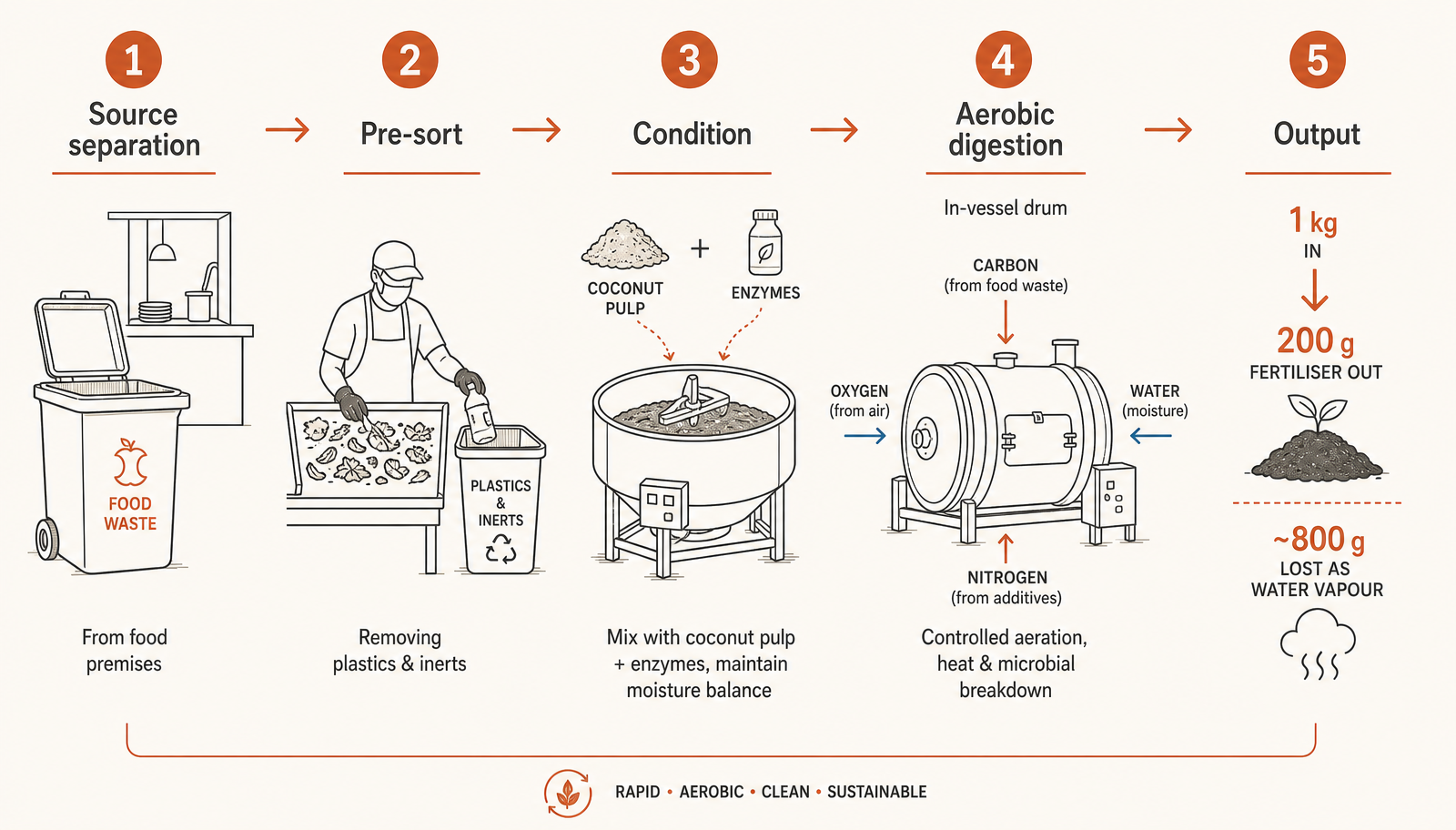
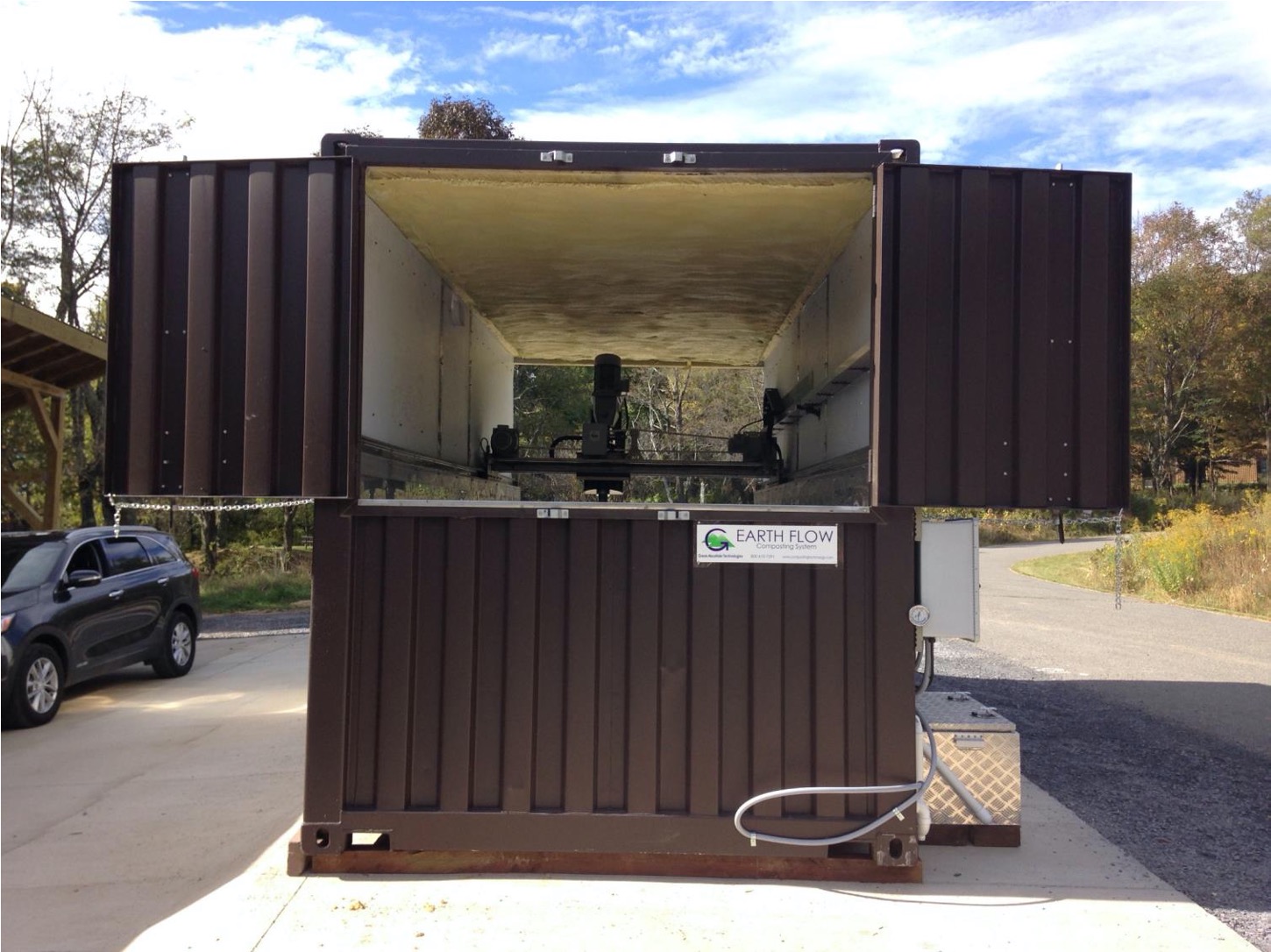
An in-vessel machine removes the drift. Enclosed volume, mechanical agitation, forced aeration, controlled temperature and a fixed residence time. The microbes are the same microbes. They are simply never allowed to slow down.
Step four: what comes out, and how much
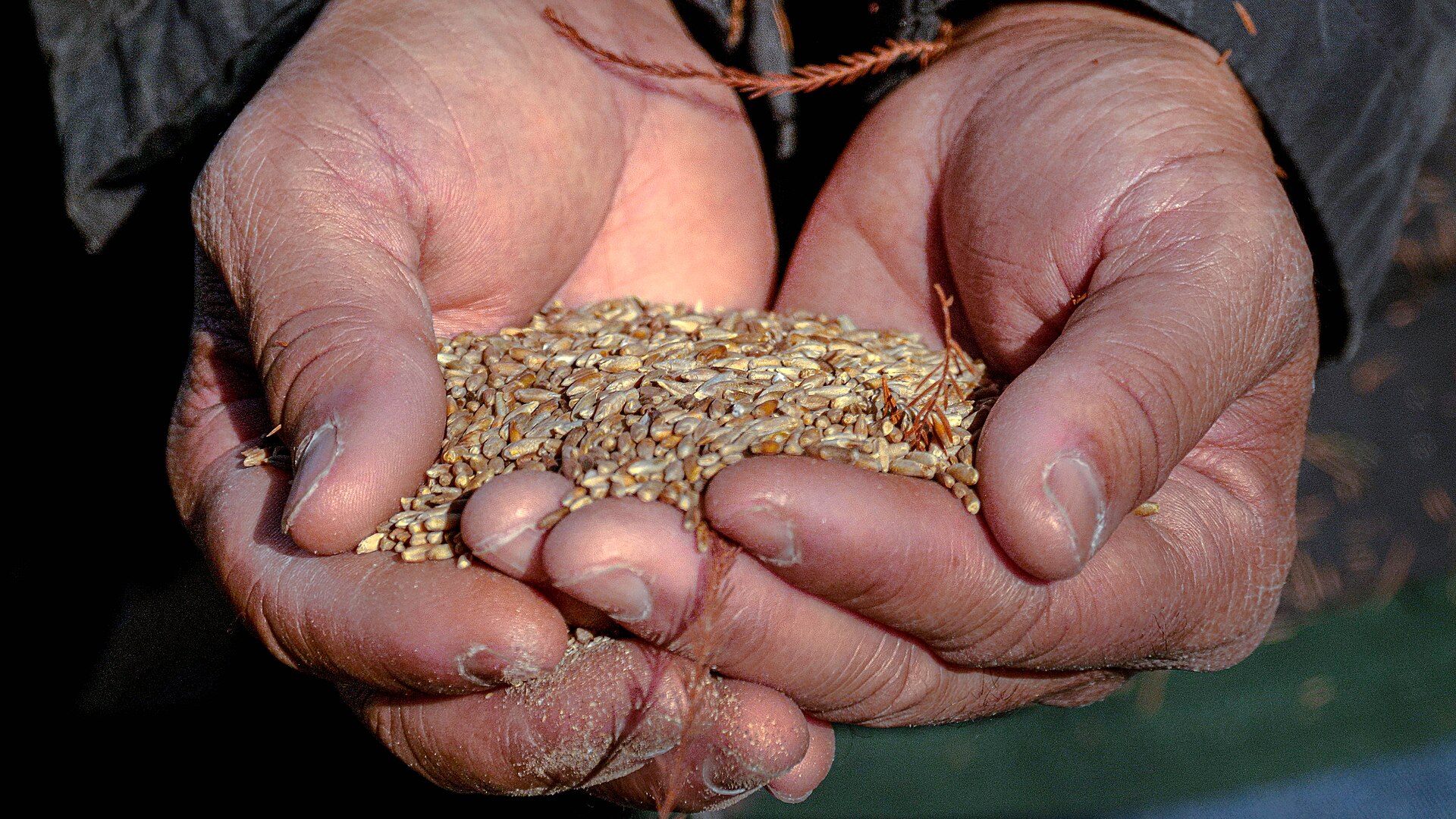
MBSA reports roughly 200 grams of organic fertiliser per kilogram of food waste, with nutrient and pH testing on the product.
That ratio is worth sitting with. Food waste is mostly water, so a large mass loss is entirely expected — but "expected" is not the same as "measured and published". The report does not break down how much of the missing 800 grams leaves as water vapour, how much as carbon dioxide, and how much as residue or reject.
The promise
Processing organics close to where they are generated diverts a heavy, wet, methane-generating fraction from landfill, cuts haulage, and produces a soil amendment with a local buyer. MBSA is also weighing anaerobic digestion for biogas and black soldier fly larvae as further organics routes — which is the right instinct, because no single technology suits every organic stream.
The catch
The reporting publishes no temperature profile, no oxygen data, no residence-time record, no pathogen-reduction testing, no energy use, no odour or contamination rates and no life-cycle comparison.
Those two words — mature and stabilised — are the whole question. Rapid systems can produce material that looks like compost while still being biologically active, which continues to consume nitrogen and can damage the plants it is applied to. The standard checks are time-temperature history for pathogen reduction and a stability or maturity test. Neither is in the public report.
What would settle it
A time-temperature log against a recognised pathogen-reduction threshold. A maturity or respirometry result on the finished product. Contamination rate at intake and reject rate at discharge. Energy per tonne processed. Independent nutrient and heavy-metal testing on the fertiliser sold.
None of that is exotic — it is routine for any compost facility selling a product. Until it is published, the honest description of the three-day figure is: a plausible engineering result, not yet a verified one.
References and image credits›
- 01The Star — Shah Alam turns food waste into fertiliser for urban farms
- 02US EPA — Composting At Home
Photo: WQL, CC BY-SA 3.0 · Photo: Bidgee, CC BY-SA 3.0 · Photo: Orionblackbrown, CC0 · Photo: USDA, public domain