
"Beats commercial epoxy" — the ORNL adhesive result, and the numbers it withholds
The chemistry is credible and the strategy is smart. The headline performance figures have no absolute values, no named comparators, and no test standards attached. Here is what can and cannot be concluded.
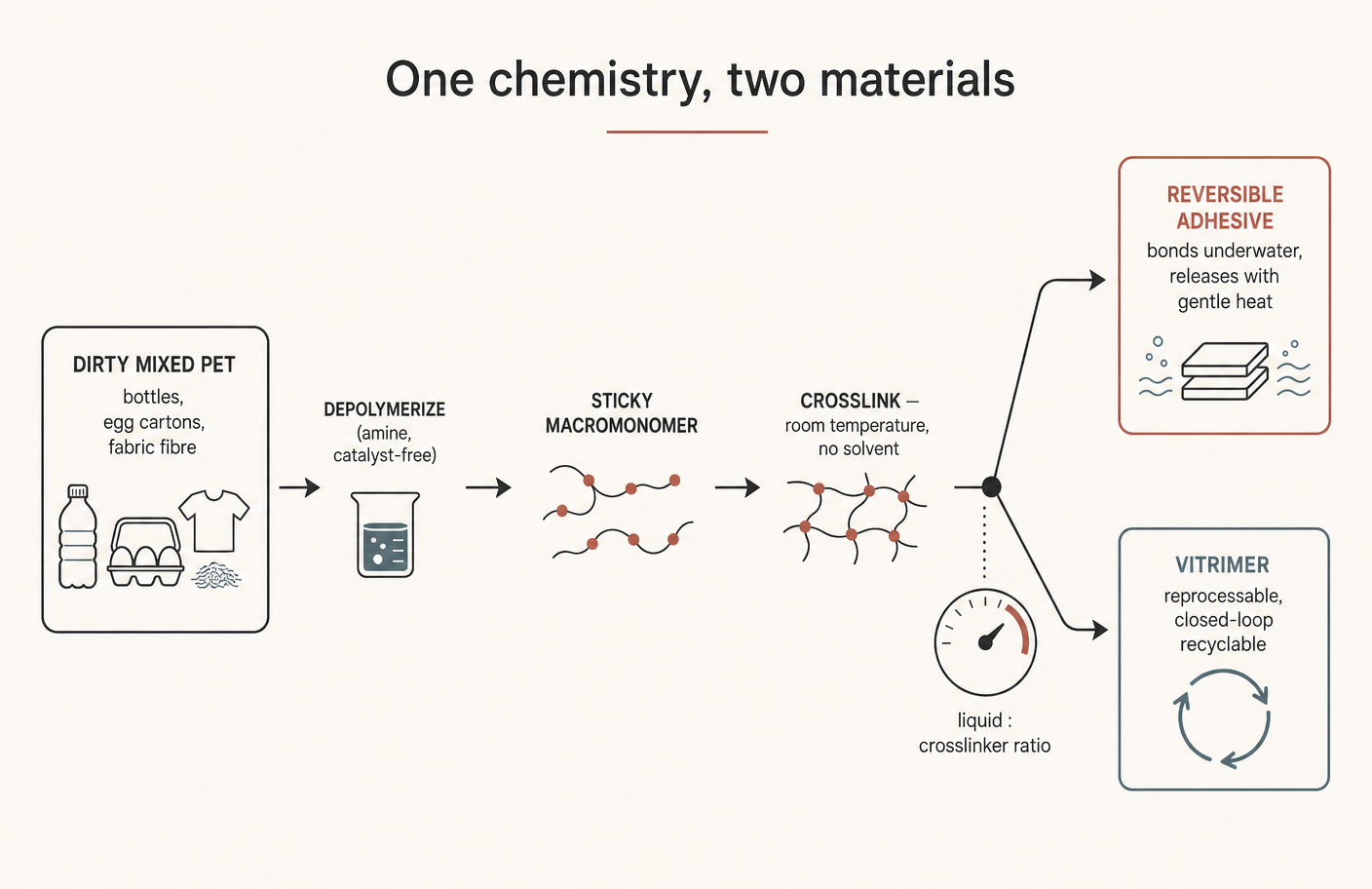
Oak Ridge National Laboratory has published a catalyst-free route that turns contaminated PET into an underwater-capable adhesive and a carbon-fibre-releasing vitrimer. The companion explainer on this site walks through the mechanism, and the mechanism is sound.
This piece is about the performance claims, which are doing more rhetorical work than the published detail supports.
Claim one: it outperforms commercial epoxies
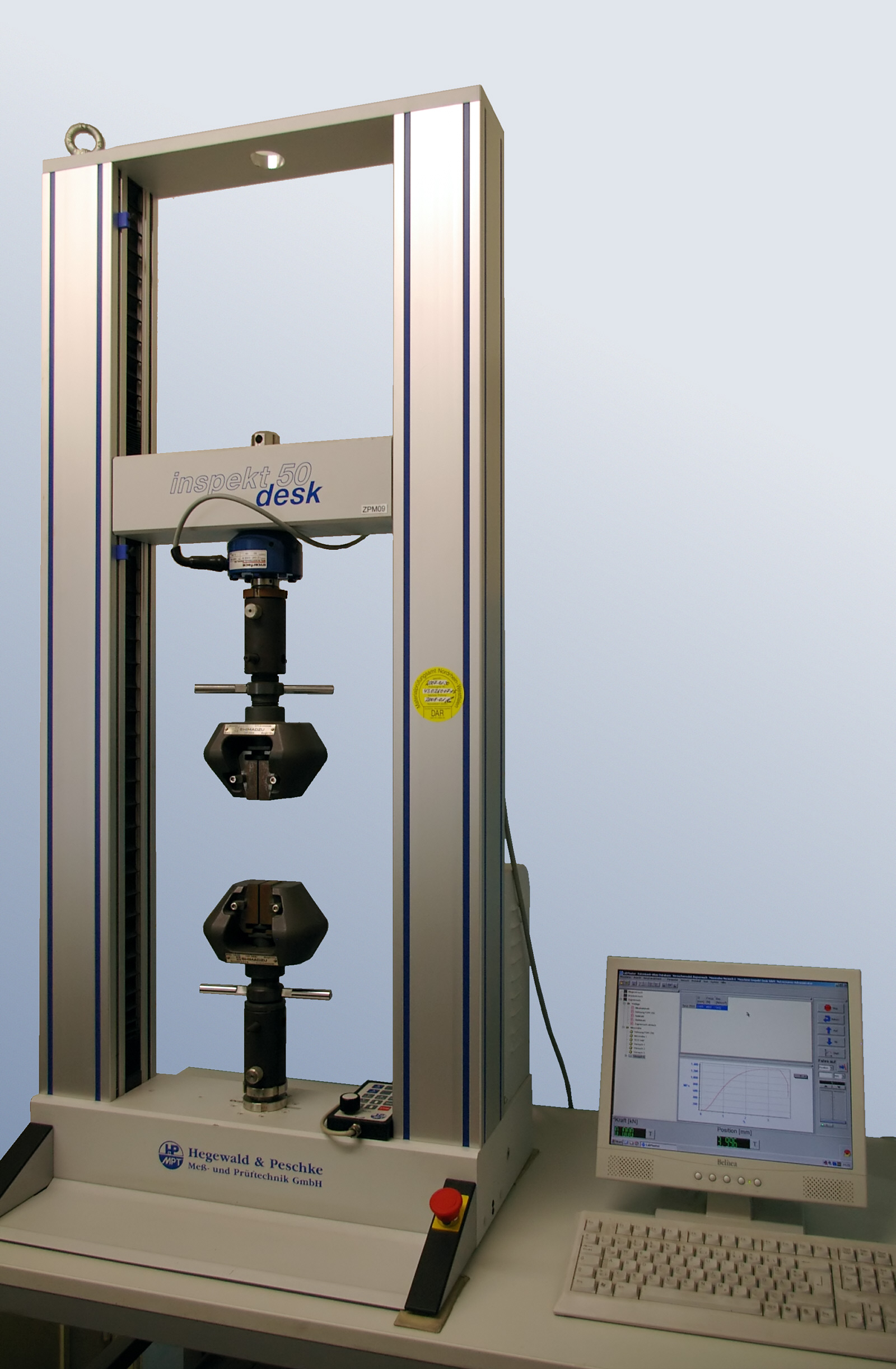
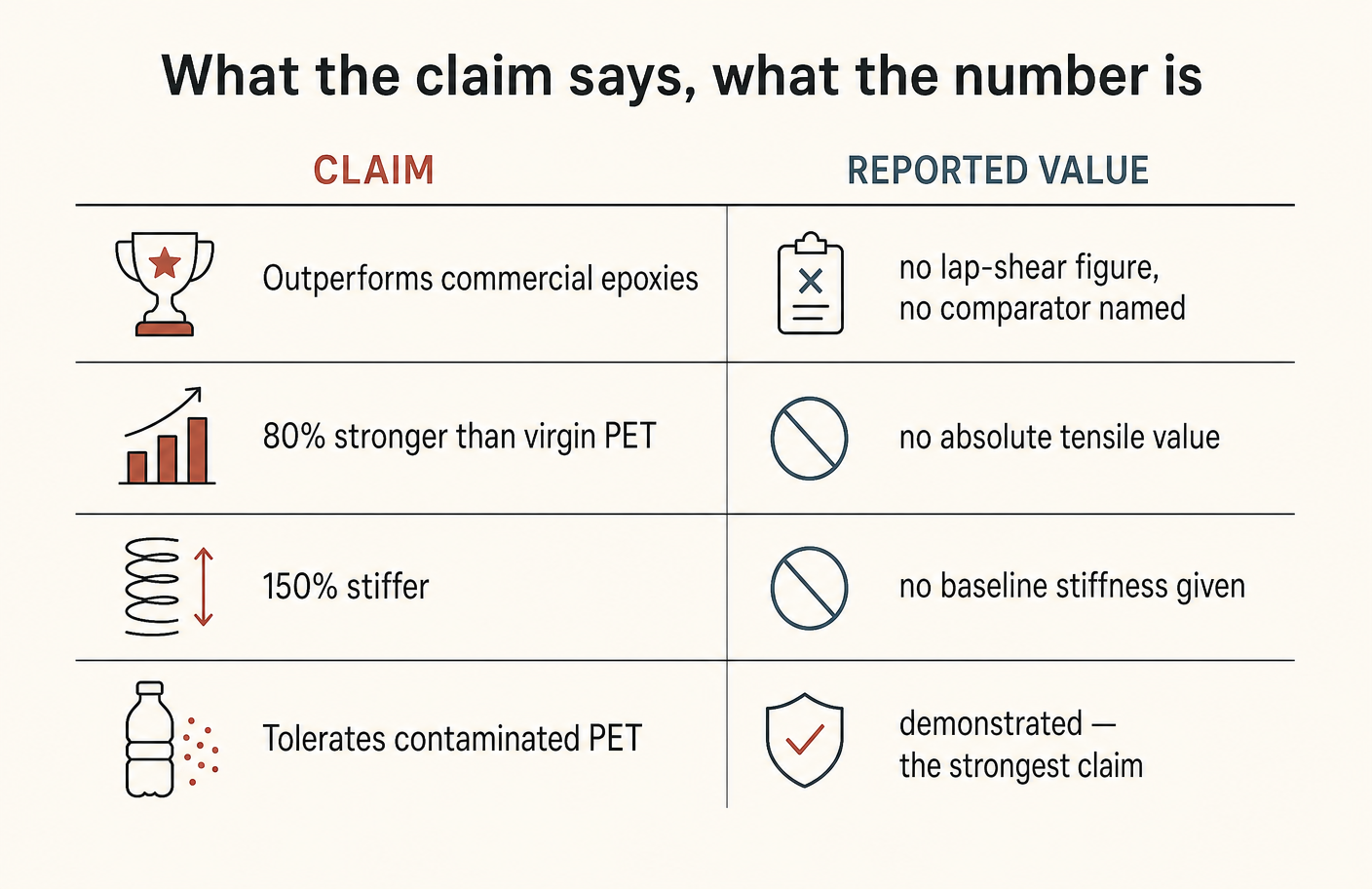
The adhesive outperformed several commercially available epoxies in lap-shear testing on metal.
No megapascal value, no named epoxy products, no substrate specification, no cure schedule, no test standard. "Several commercial epoxies" spans a range from hardware-store two-part tubes to aerospace structural film — the claim is unfalsifiable as stated.
Lap-shear strength for structural epoxies runs from roughly 10 MPa to over 40 MPa depending on formulation, surface prep, and cure. Beating the bottom of that band and beating the top of it are entirely different results, and the reporting does not distinguish them.
Claim two: 80% stronger, 150% stiffer
The vitrimer is 80% stronger and 150% stiffer than virgin PET.
Percentages against an unstated baseline. Virgin PET's tensile strength varies with grade, crystallinity, and moulding conditions; without the absolute values and the reference grade, the improvement cannot be located on any real materials chart.
There is also a standard trade in polymer mechanics that goes unmentioned: crosslinking usually buys strength and stiffness at the cost of toughness and elongation. Nothing in the coverage reports impact resistance, fracture toughness, or strain at break — the properties that decide whether a structural part survives a drop rather than a tensile rig.
Claim three: recyclable in a closed loop
Both products are chemically recyclable, and the vitrimer releases carbon fibre intact.
Plausible from the dynamic-bond chemistry, but no cycle count and no property-retention data. "Recyclable" without a figure for how much strength survives cycle three is a mechanism claim, not a performance claim.
Fibre release is the genuinely valuable part of this result if it holds. Wind blades and pressure vessels are accumulating faster than any recovery route can take them, and the resin is the reason. But "released intact" needs fibre tensile data after recovery, and that is not published either.

Claim four: it handles contaminated PET
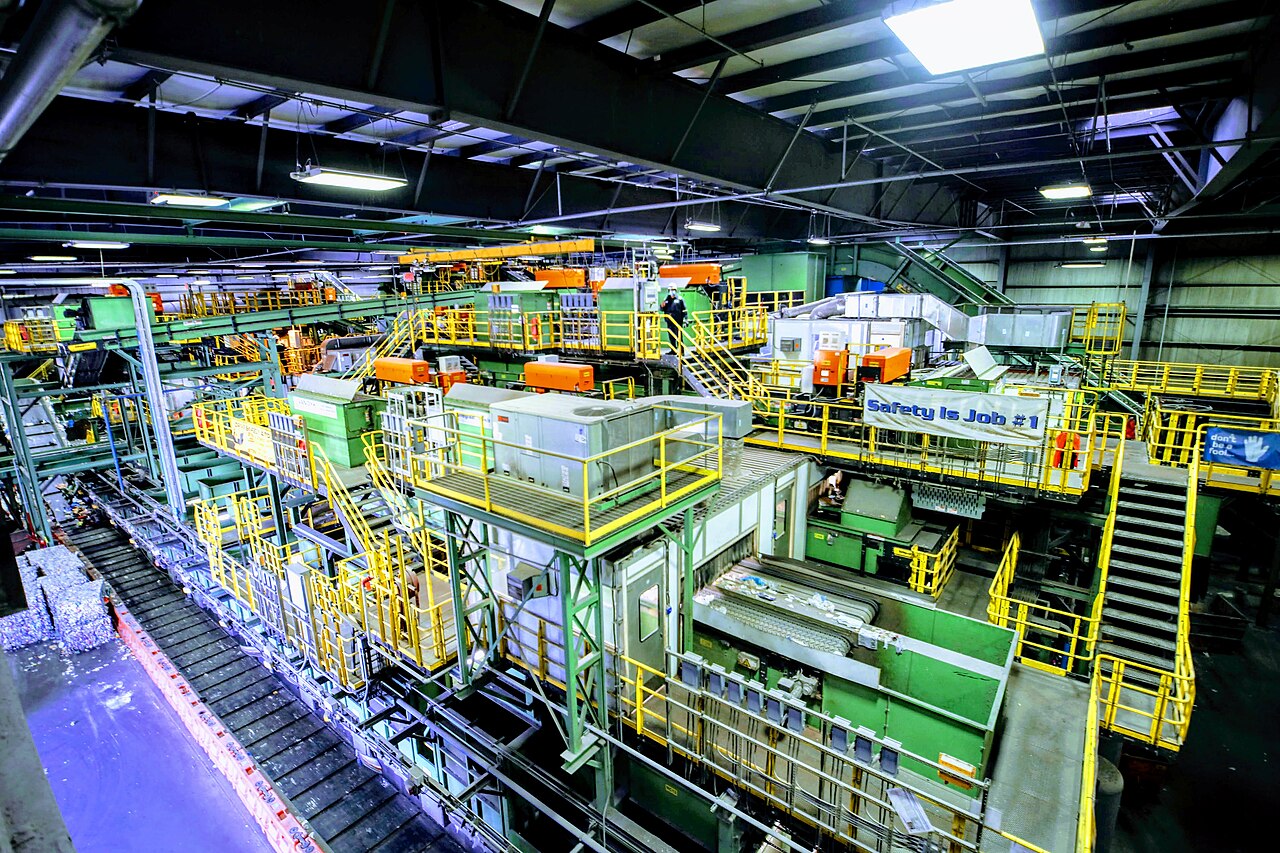
No contamination tolerance limits. What percentage of PVC, PE, dye, adhesive label, or food residue can the depolymerisation step absorb before yield or product quality collapses? That number is what determines whether real MRF output is usable feedstock.
This is the claim that matters most for the waste system, and it is the least quantified of all.
What is missing on the commercial side
There are no customer trials, no partner names, no scale-up timeline, and no comparison of the amine and energy input cost against the commercial value of the products. The process needs several hours of heating with an amine reagent — recovering and recycling that amine is a large part of whether the economics work, and it is not addressed.
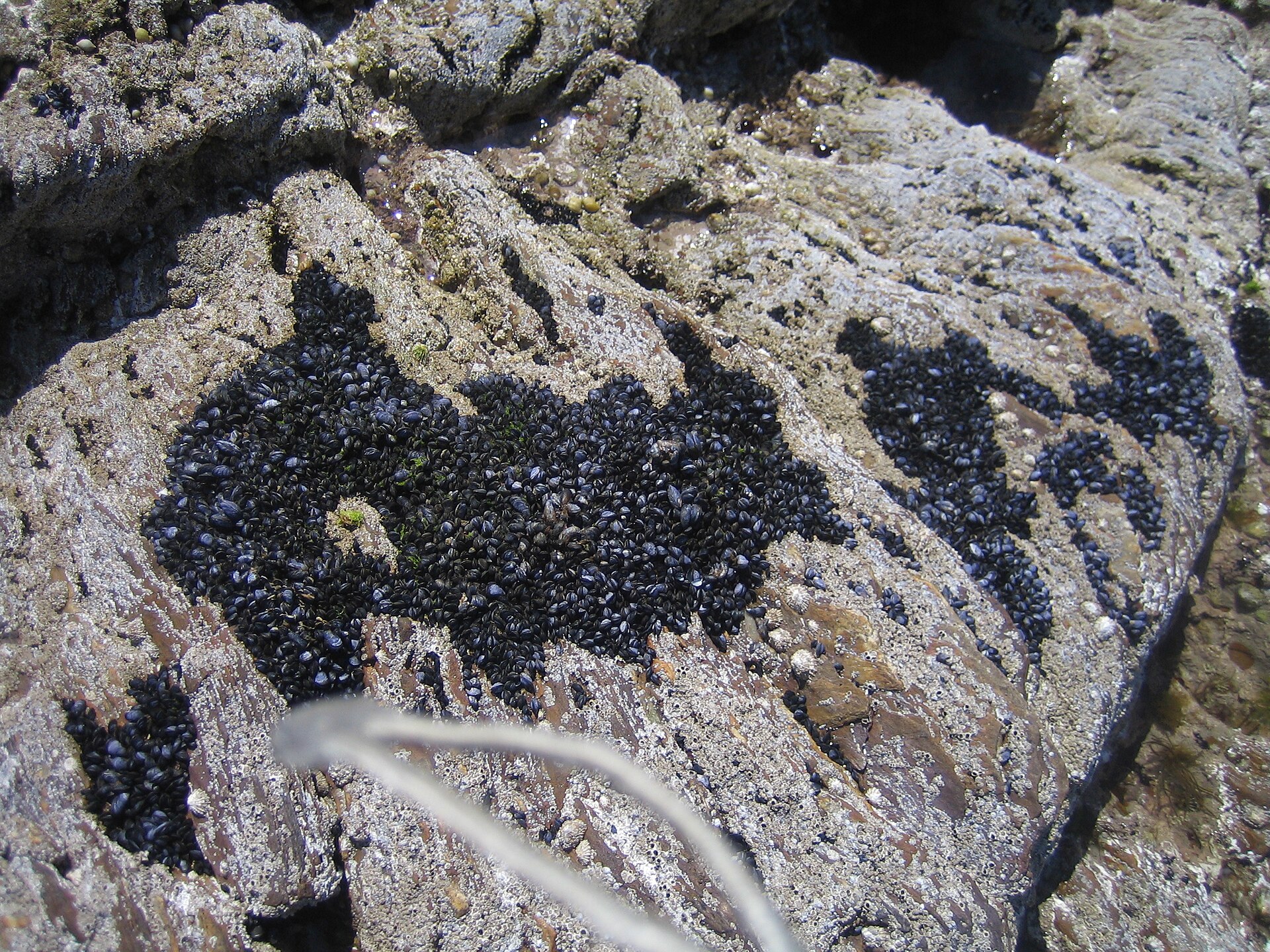
Nor is durability. Adhesives fail on time, not on day one: thermal cycling, UV, humidity, creep under sustained load. An underwater structural adhesive additionally needs marine qualification, biofouling resistance, and salt-water ageing data. None appears.
What the result does establish
Being clear about this: the underlying work is good, and the strategic framing is genuinely smart.
Stopping depolymerisation at a macromonomer instead of driving it to monomer is an energy argument that holds up. Targeting adhesives and composite matrices instead of recycled flake sidesteps the value problem that kills most PET recycling economics. Designing for contaminated feedstock addresses the actual bottleneck rather than the convenient one. And a catalyst-free room-temperature crosslink removes two cost lines at once.
The honest position is that this is promising laboratory chemistry with a well-chosen target market, currently being described in language borrowed from a product launch. The original coverage says plainly that procurement readiness is years away. That sentence should travel with the percentages.
References and image credits›
Photo: Smial, CC BY-SA 2.0 de · Photo: KenWalker, CC BY-SA 4.0 · Photo: CaptJayRuffins, CC BY-SA 4.0, via Wikimedia Commons · Photo: Jock, CC BY 2.0