
Dirty PET goes in. An underwater glue and a stronger plastic come out.
Conventional PET recycling wants clean, clear, single-stream bottles. Oak Ridge built a catalyst-free route that takes the contaminated stuff and splits it into two high-value materials instead of low-grade flake.
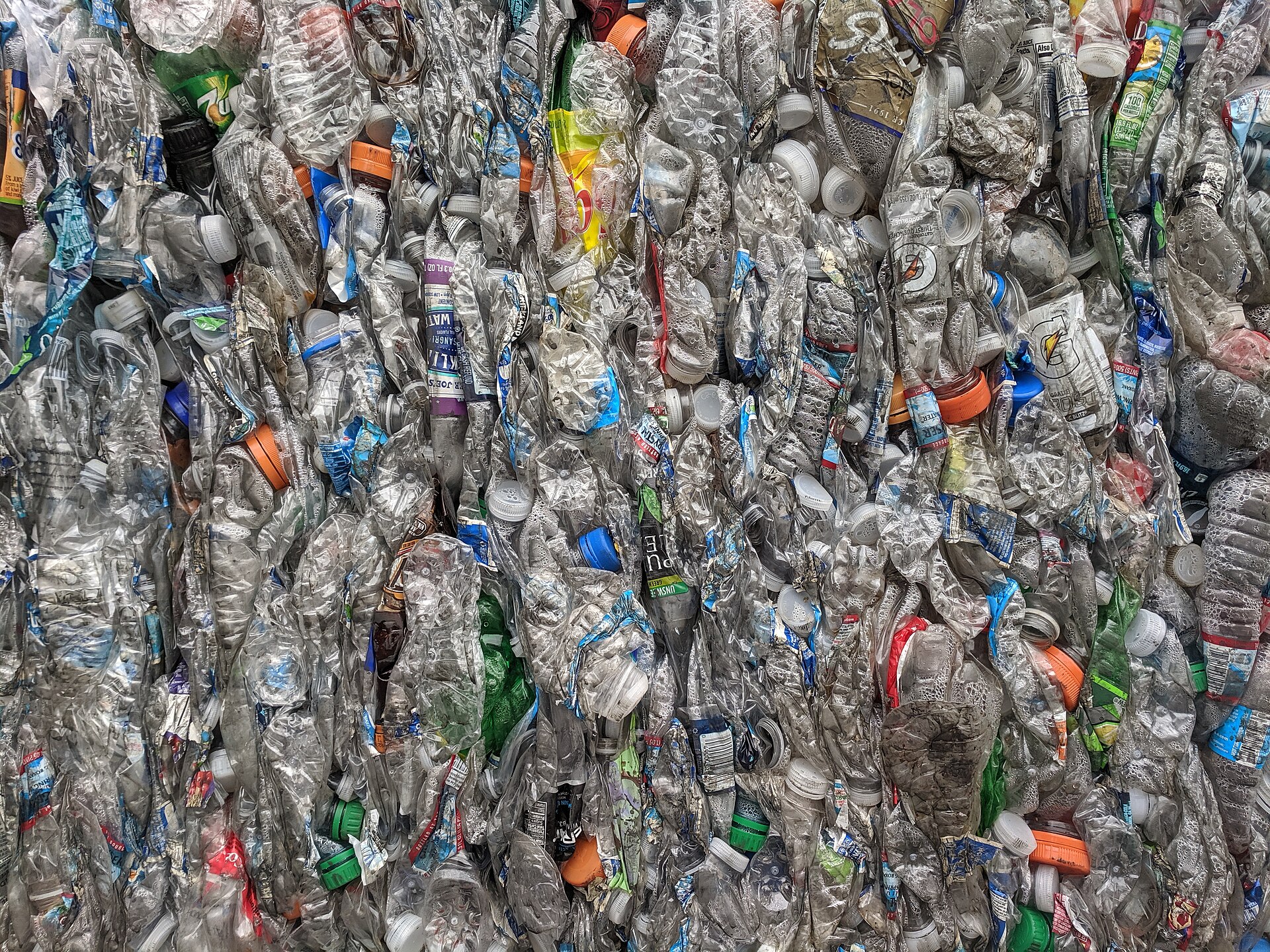
Every PET recycling process has the same unstated requirement: clean feedstock. Clear bottles, one resin, no food residue, no fibre, no laminate.
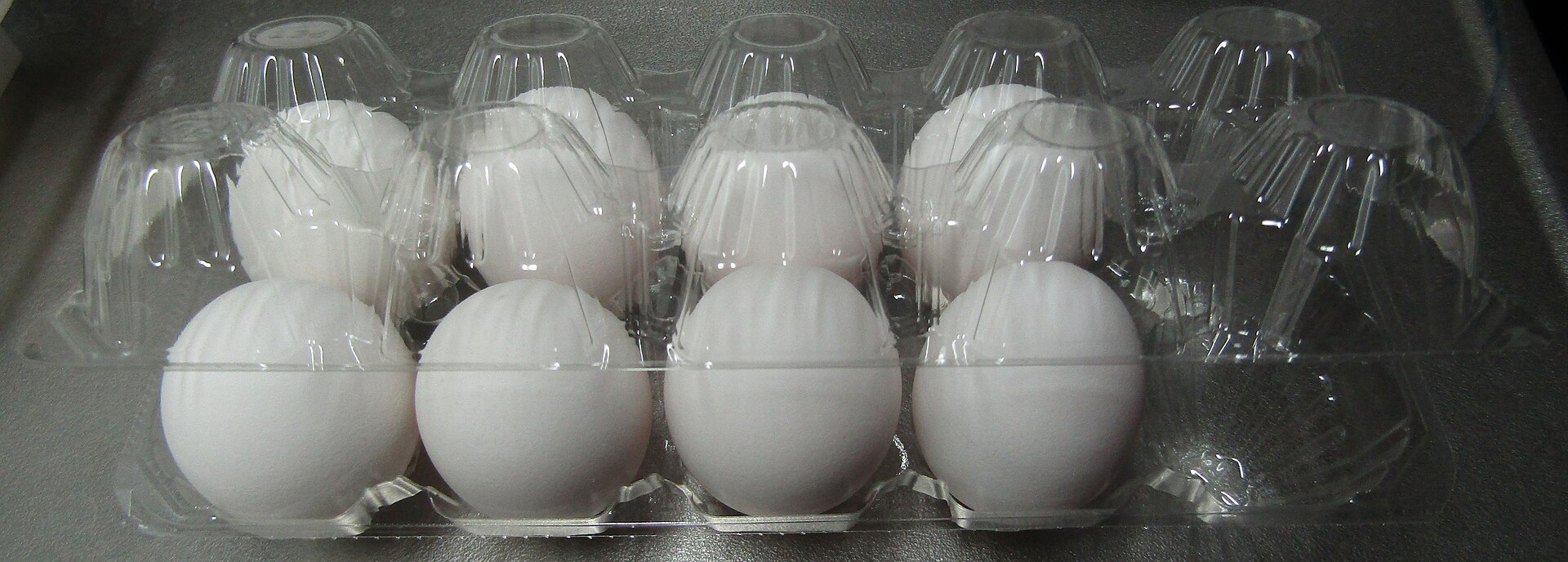
Real waste is not that. It is egg cartons, polyester fabric, food-contaminated pouches, coloured trays. Contamination is what actually caps PET recycling rates, and it is what a team at Oak Ridge National Laboratory set out to tolerate rather than avoid.
Break it down, then build it up part-way
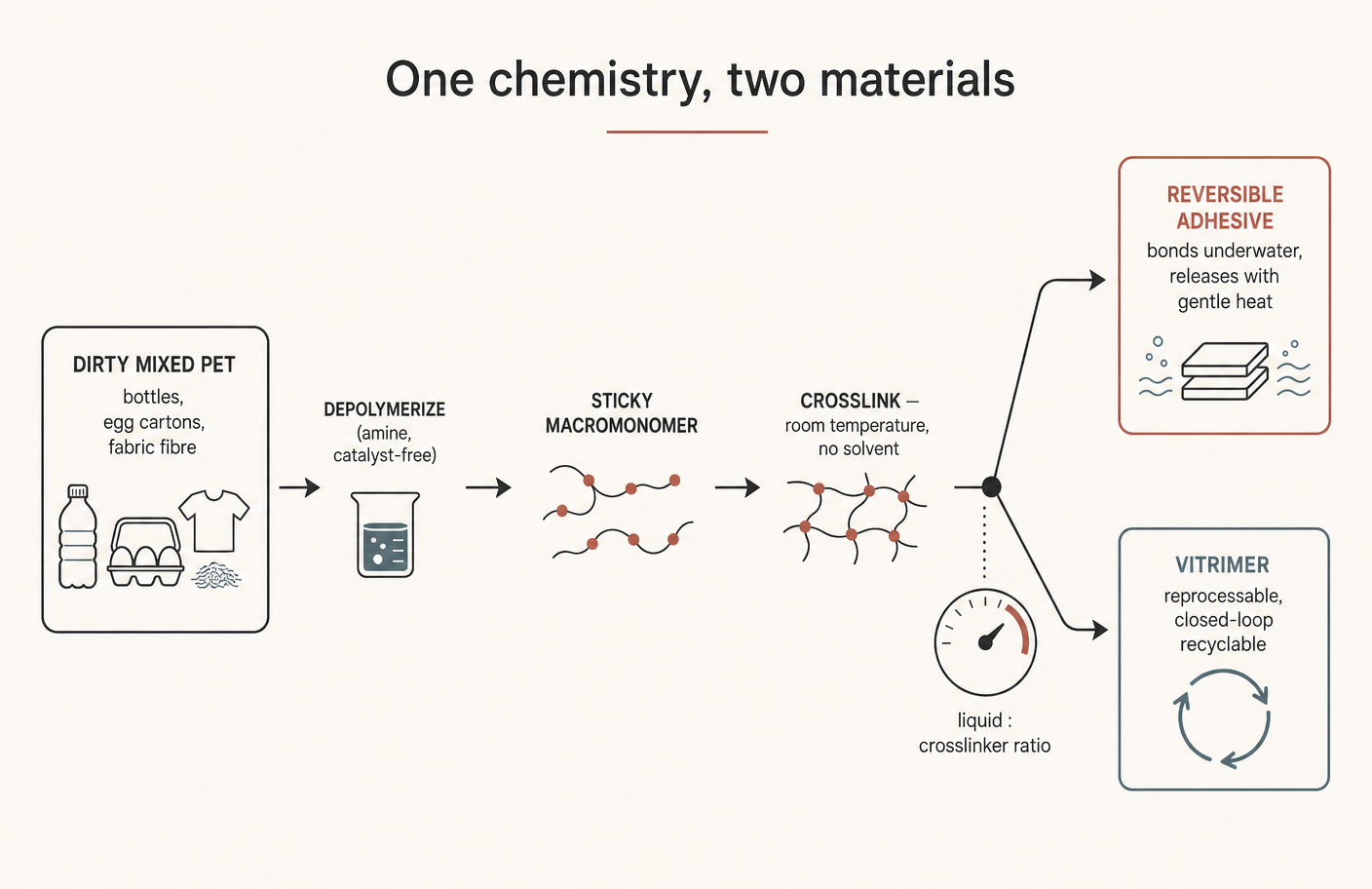
The route has four steps, and the interesting design choice is in the second one.
Depolymerise. Waste PET is heated for several hours with a commercially available amine until the polymer chains break apart. No expensive catalyst — the team describes the route as catalyst-free, which removes both a cost line and a contamination sensitivity.
Stop half-way. Conventional chemical recycling drives depolymerisation all the way back to monomer, then repolymerises. Here the breakdown yields a yellow, viscous, sticky macromonomer — a building block already part of the way to being a finished material. Stopping early is what saves the energy.
Crosslink cold. The macromonomer is crosslinked through dynamic, heat-reversible bonds — no solvents, at room temperature. Reversible bonds mean the network can be broken and reformed on demand, which is what makes both end products recyclable.
Tune the ratio. Adjusting the ratio of liquid to crosslinker moves the material along a spectrum from structural adhesive to pressure-sensitive adhesive.
Product one: a glue that works underwater
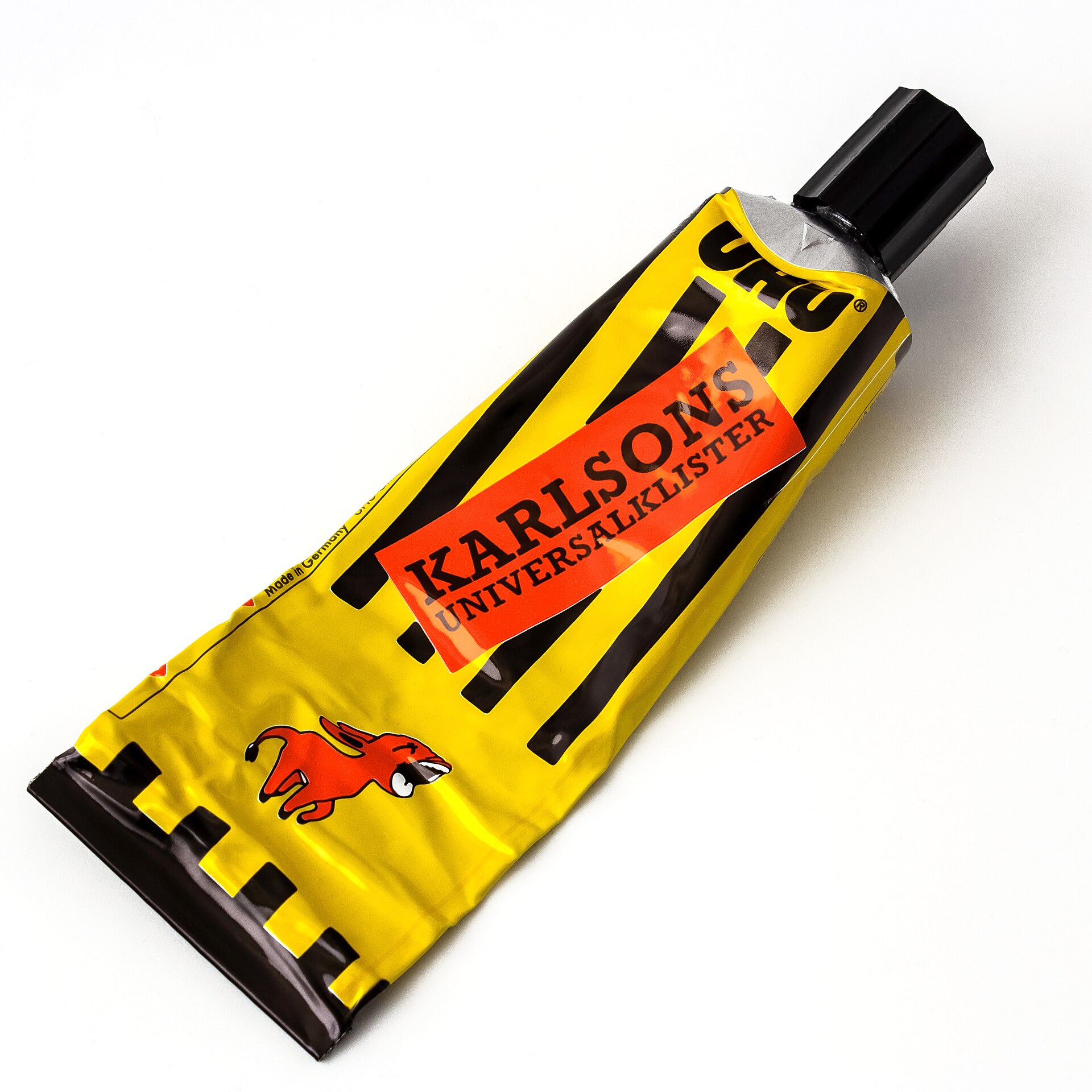
The adhesive bonds wood, glass, metal, paper and polymers, dry or submerged — freshwater, seawater, and under pressure. In lab lap-shear tests on metal it outperformed several commercial epoxies.
The underwater behaviour is borrowed from mussels. A mussel holds onto a wet rock in surf, which is a harder problem than it sounds: water gets between the adhesive and the surface and the bond never forms.
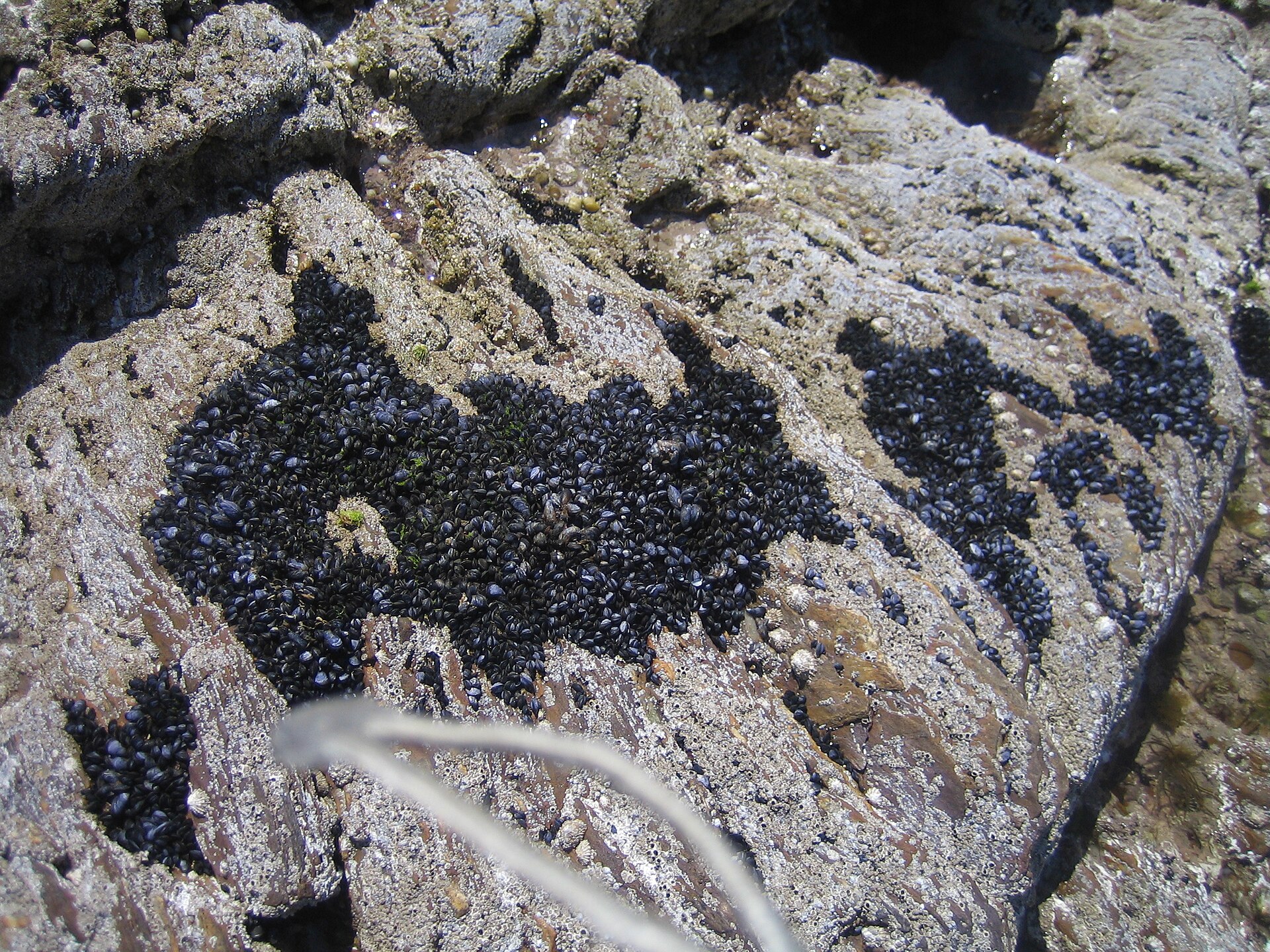
The ORNL molecule copies the architecture: a water-repelling core, water-attracting arms that reach the surface through the boundary layer, and a crosslinker that then shuts water out of the seal. Grip and shed, in that order.
And because the bonds are dynamic, gentle heating releases the joint cleanly — so the adhesive can be undone and reapplied rather than destroyed.
Product two: a vitrimer
Turn the ratio the other way and the same chemistry gives a vitrimer — a class of polymer that behaves like a thermoset in service and a thermoplastic when you want to reprocess it.
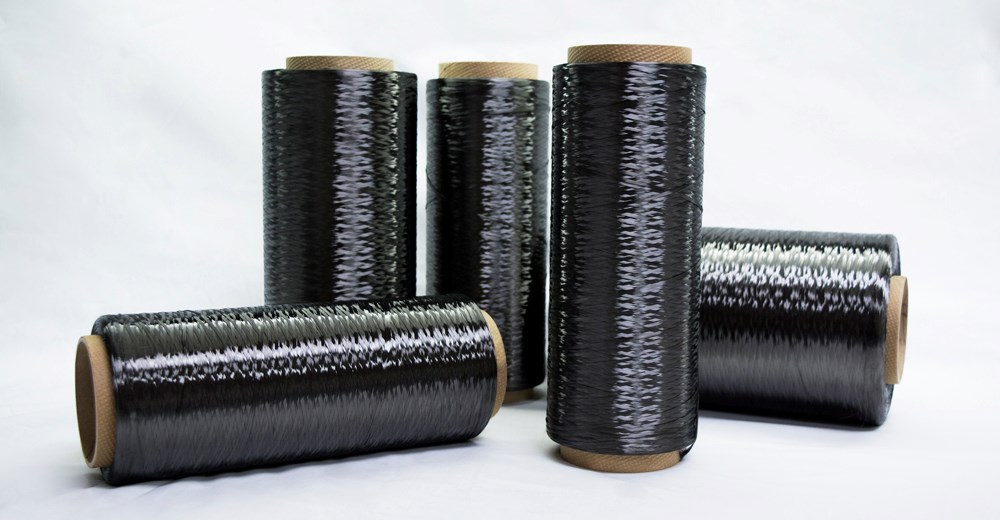
It is chemically recyclable in a closed loop. More usefully, it releases embedded carbon fibre intact during recycling — which is the unsolved problem in wind blades and pressure vessels, where the fibre is the valuable part and the resin is what makes recovery impossible.

Recycling versus upcycling
The distinction matters here. Recycling PET produces PET, usually a bit worse each cycle. This produces an industrial adhesive and a structural composite matrix — both worth considerably more per kilogram than the flake the same feedstock would otherwise have become, if anyone had accepted it at all.
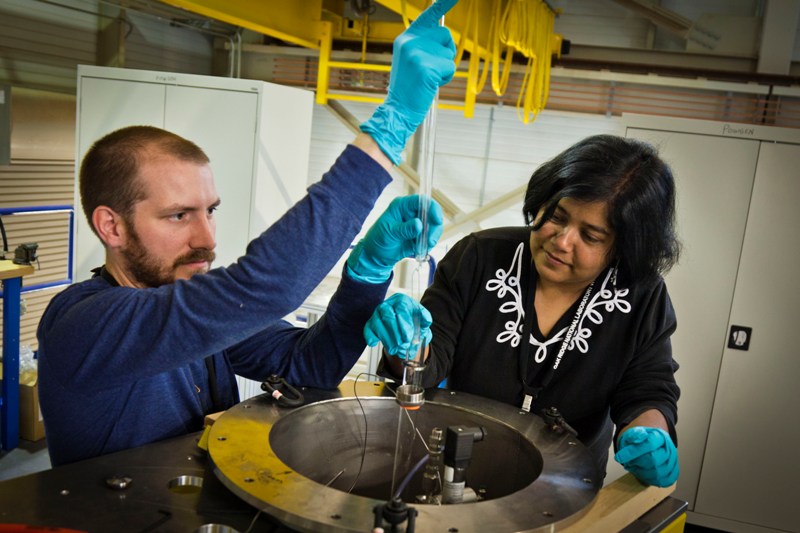
The work was led by ORNL's Anisur Rahman with co-author Mary Danielson at the Center for Nanophase Materials Sciences, published in Science Advances and ChemSusChem, with a patent filed.
It is laboratory-stage. The source is candid that procurement readiness is years away, and a companion teardown on this site works through which of the performance claims are actually backed by published numbers.
References and image credits›
Photo: Grendelkhan, CC BY-SA 4.0, via Wikimedia Commons · Photo: Halowand, CC BY-SA 4.0 · Photo: Jock, CC BY 2.0 · Photo: W.carter, CC BY 4.0 · Photo: texdata.com, CC BY-SA 4.0 · Photo: KenWalker, CC BY-SA 4.0 · Photo: U.S. Department of Energy, public domain