
PVC waste becomes premium lubricant — breakthrough, or chemistry with a scale-up bill?
A Nature paper converts PVC into polyalphaolefin lubricants at 70 °C, using chlorine as a reaction handle rather than fighting it. The chemistry is strong. The claim that this solves PVC waste is doing a lot of unearned work.
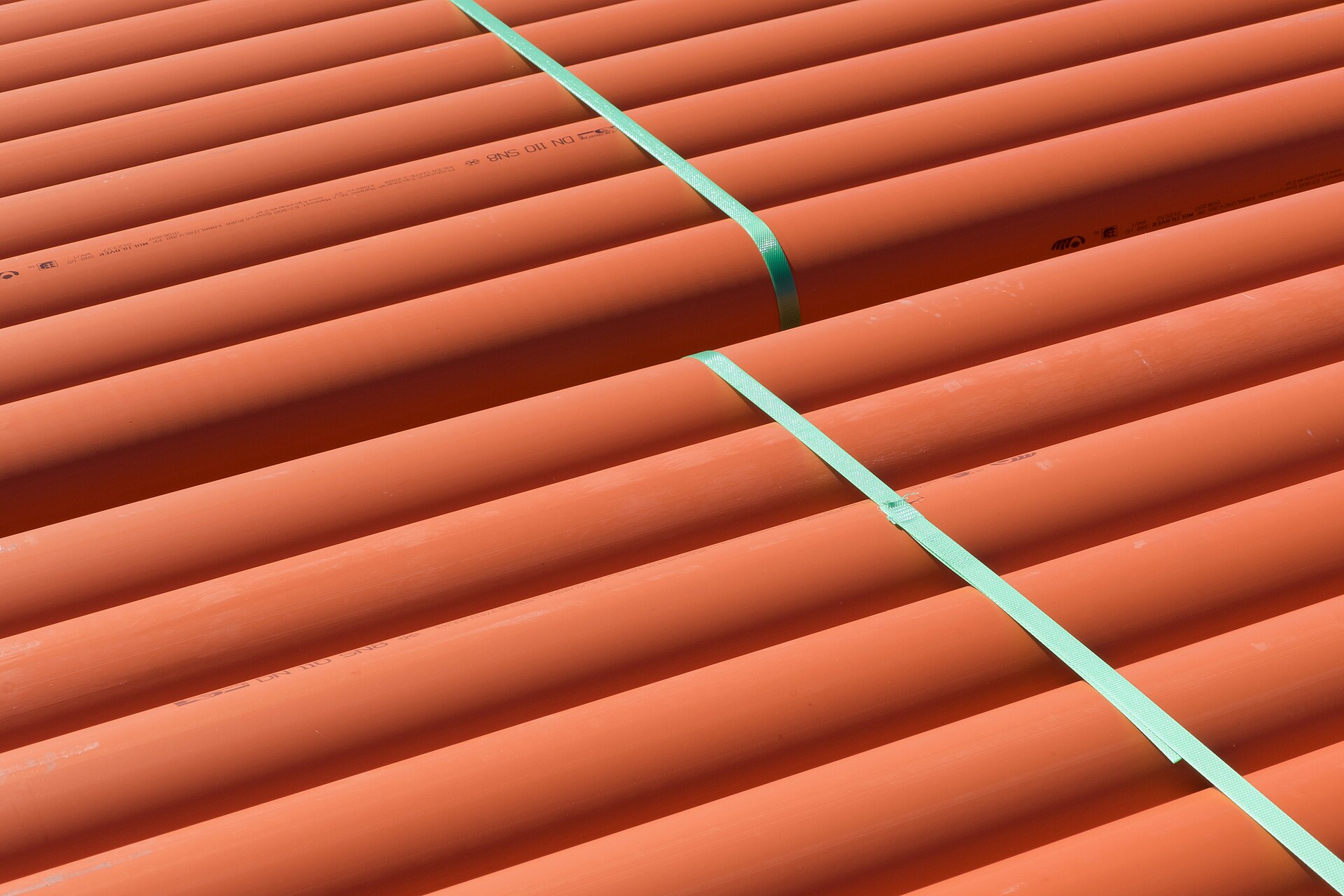
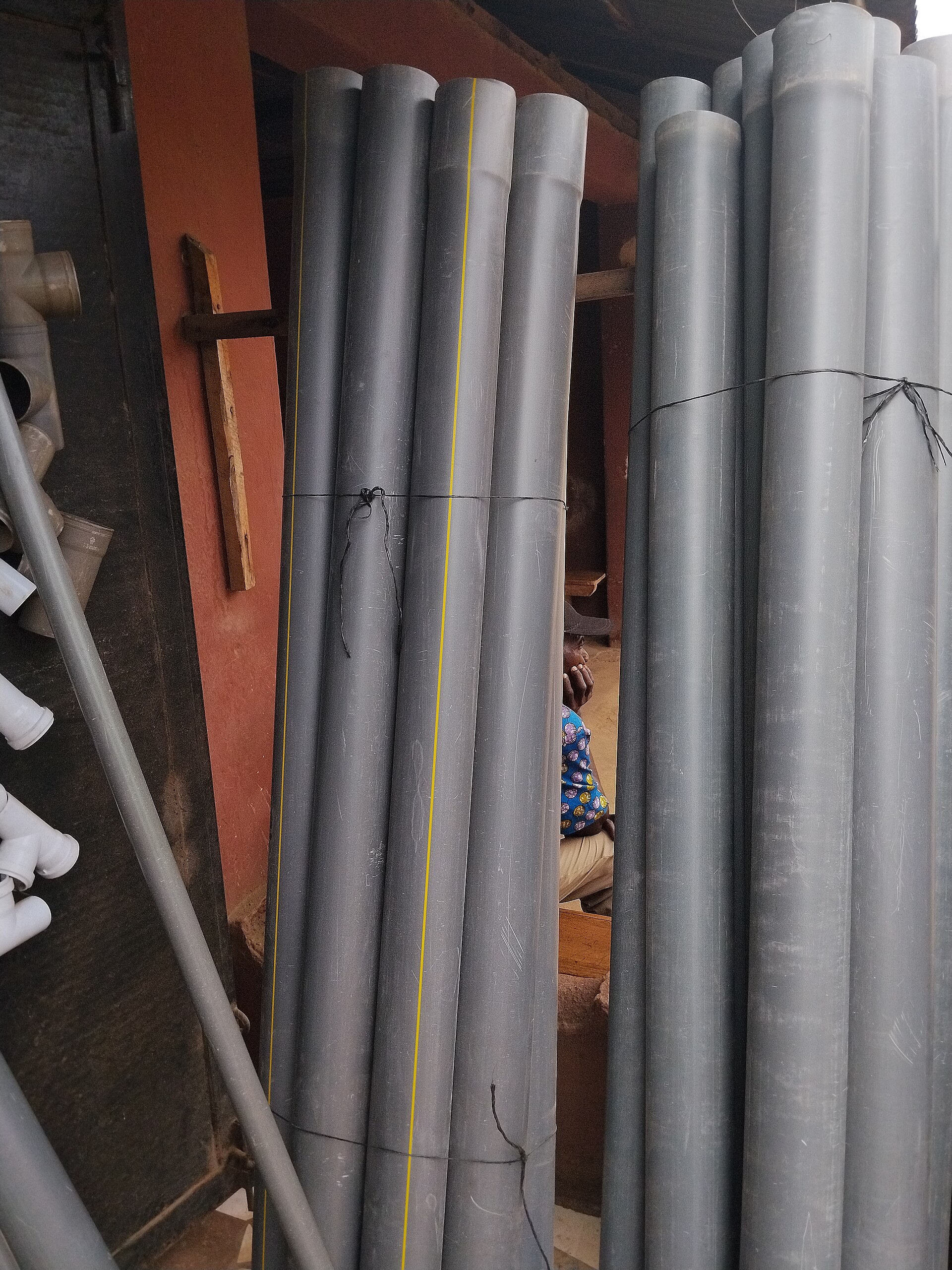
PVC is the plastic that recycling programmes quietly route around. It is chlorinated, heavily plasticised, formulated differently in every product, and it poisons the equipment used to process other plastics. A new Nature paper proposes treating the thing that makes it difficult — the chlorine on the backbone — as the thing that makes it useful.
What the paper claims
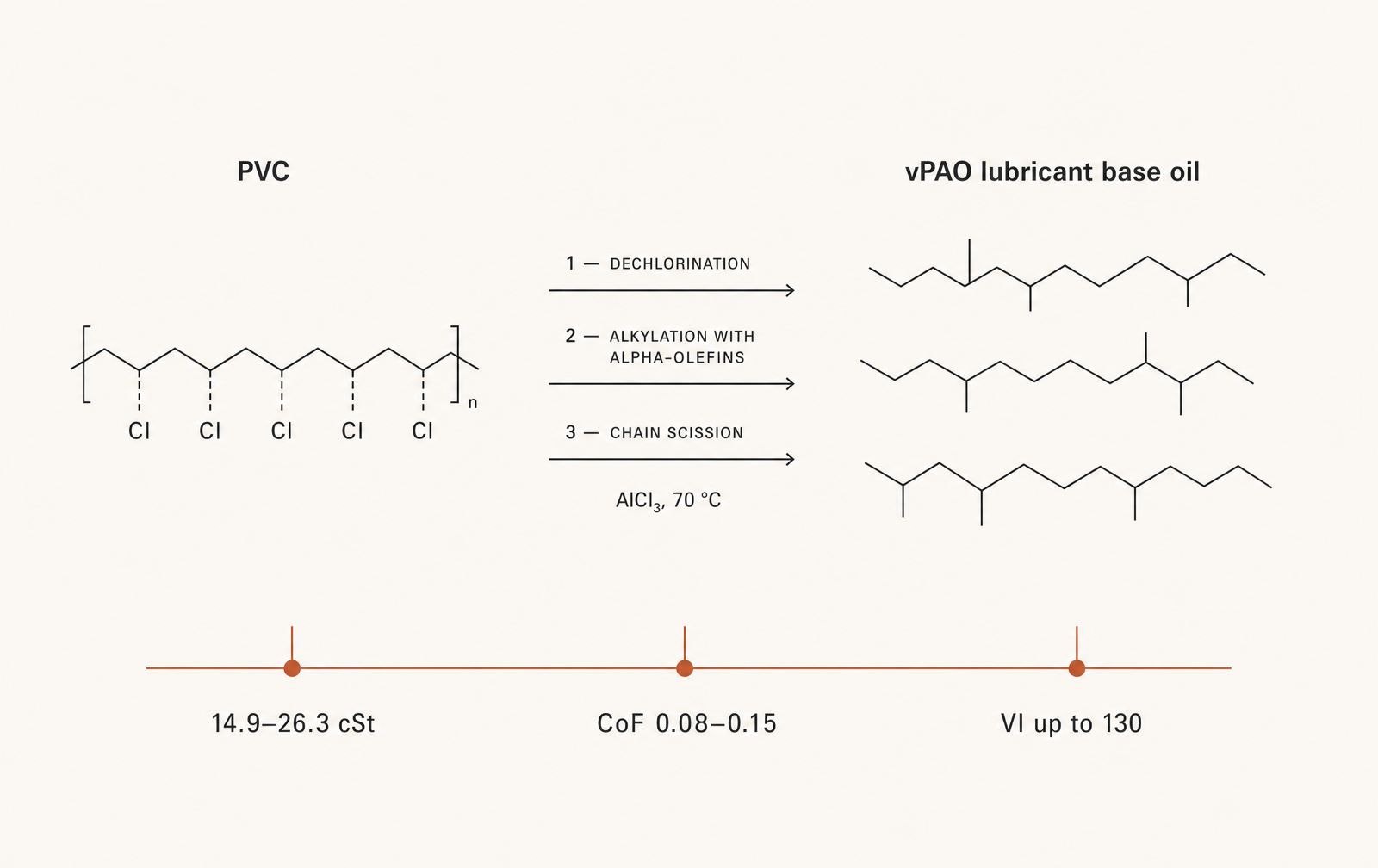
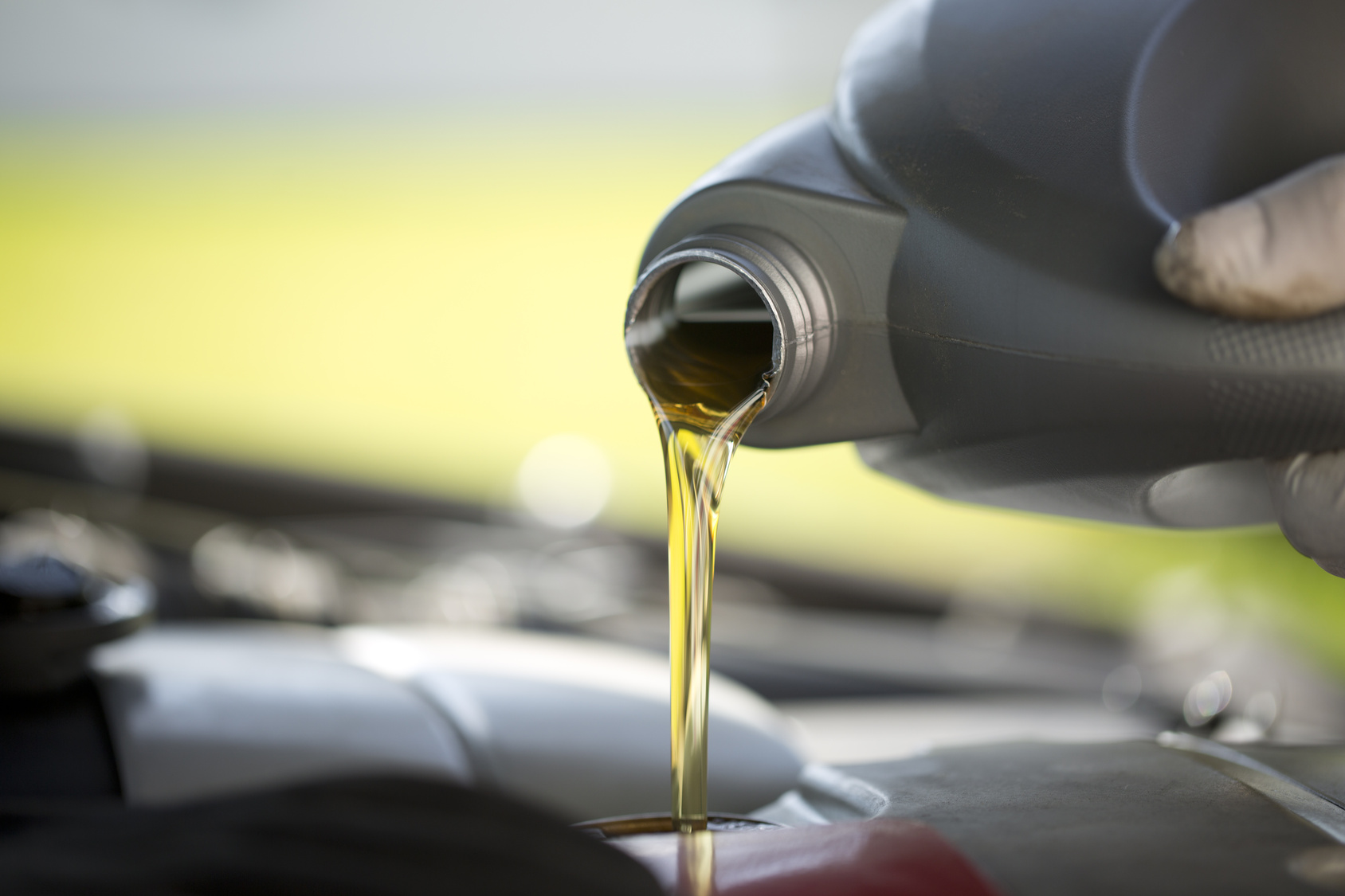
React PVC with aluminium trichloride at 70 °C. The chlorine leaves. Alkyl groups from alpha-olefins attach in its place. The chain cuts into shorter fragments. What comes out is a branched hydrocarbon oil the authors call a vinyl-derived polyalphaolefin, or vPAO — structurally in the family of the synthetic base oils that go into premium engine and gear lubricants.
What is genuinely strong here
The economic logic is sound and underappreciated. If a waste stream has no valuable destination, no amount of policy will make collecting it pay. Finding a high-value product is a legitimate strategy, not a distraction.
They used real products. Not only pristine laboratory resin — actual PVC articles, with the additives and inconsistency that implies. That is the test most upcycling papers skip, and skipping it is usually where the results stop being transferable.
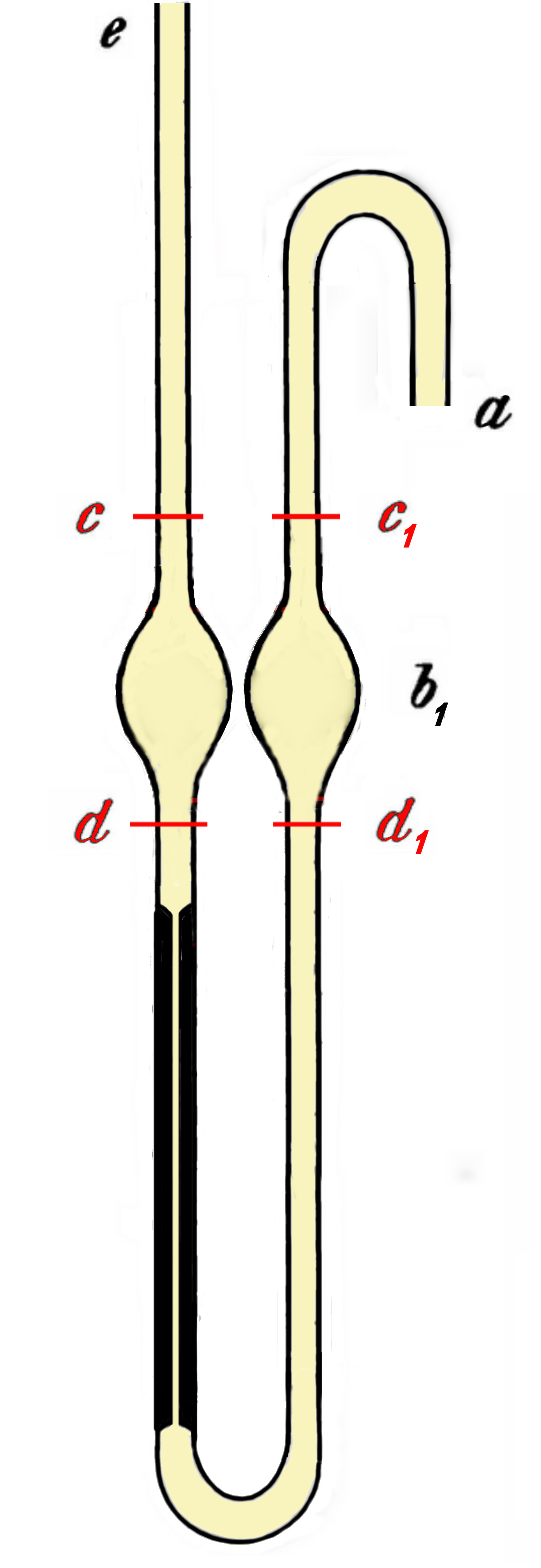
The properties are measured, not asserted. Viscosity at 100 °C of roughly 14.9–26.3 cSt. Coefficient of friction around 0.08–0.15. Viscosity index up to 130, and tunable. Those are lubricant-spec numbers, reported against lubricant-spec tests.
The catalyst is unglamorous. Aluminium trichloride is a century-old Friedel-Crafts reagent, cheap and available. The route sidesteps the metallocene catalysts used to make conventional PAOs, which is a real cost argument.
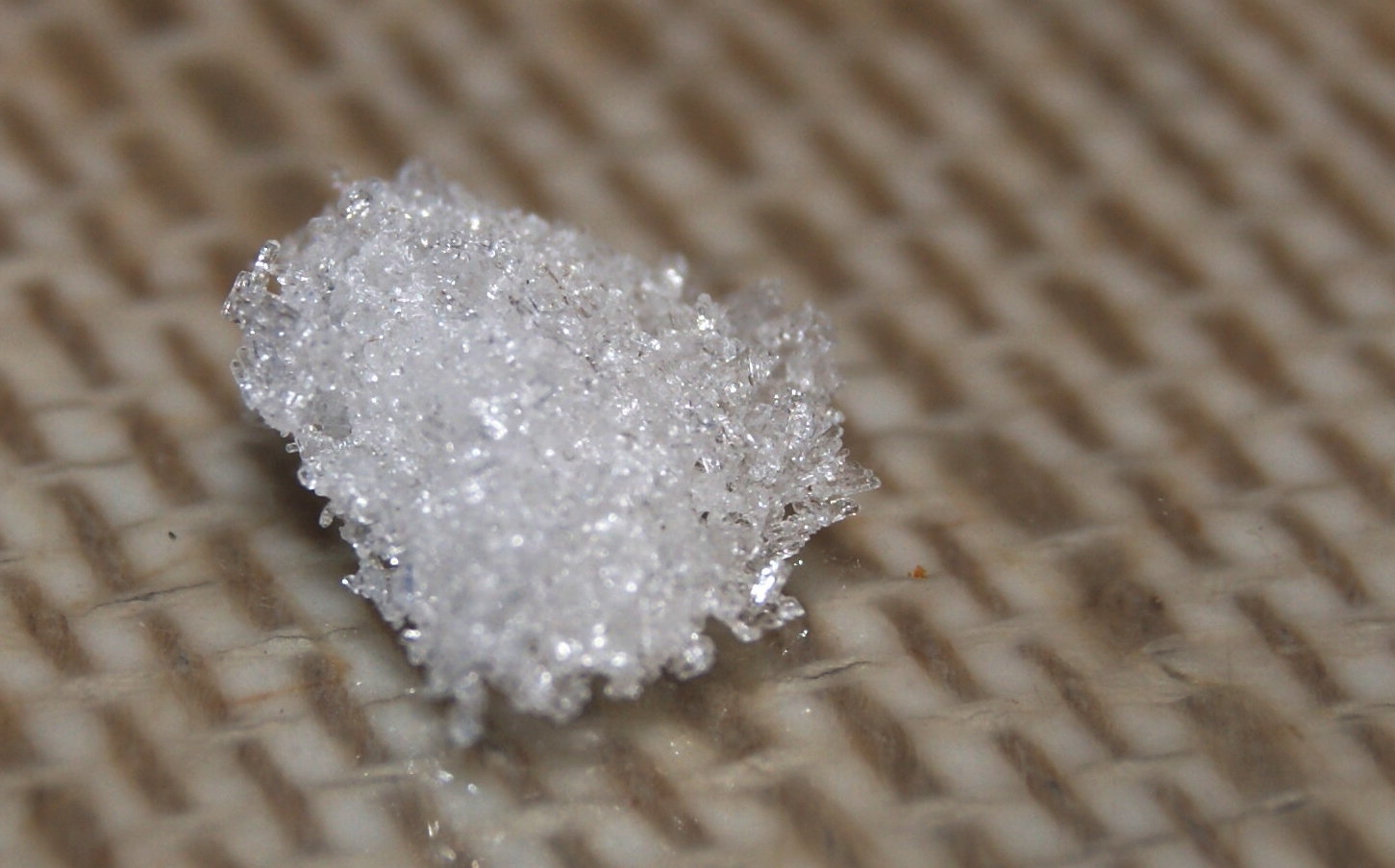
The product target is the smart part. Mechanical PVC recycling produces low-value material that barely covers collection. A lubricant base oil sells for many times that. Value density is what makes a collection programme viable, and this route aims at the high end.
What remains unresolved
A mild-temperature route turns PVC waste into premium lubricants, solving the PVC waste problem.
A batch reaction on selected PVC articles produced oils with lubricant-grade properties. Nothing in the paper establishes continuous operation, reagent recovery, product purification at scale, or a lifecycle balance against the alternatives.
The polymer is not recovered. This is upcycling, not recycling. PVC goes in; a different material comes out. That material has its own end of life — and lubricants mostly end up burned, leaked, or collected as used oil.
The chlorine has to go somewhere. Removing it from the polymer does not delete it. It becomes a chloride stream that has to be captured, neutralised and disposed of — and PVC is roughly 57% chlorine by mass. That is not a trace impurity; it is the majority of what you started with, by weight.
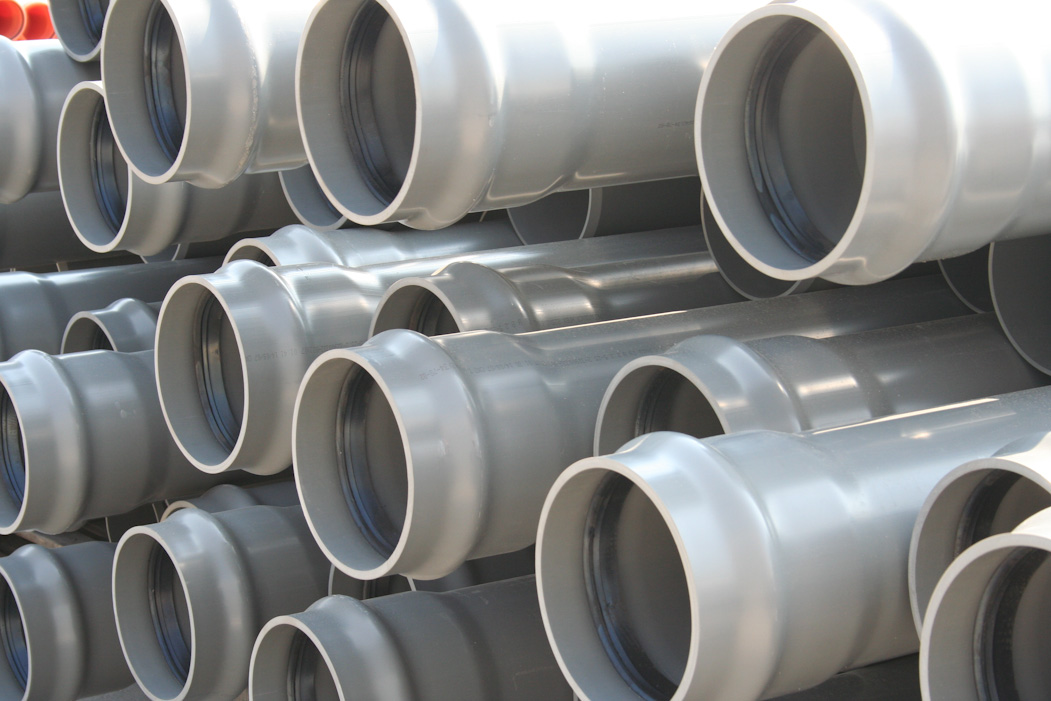
Feedstock variability. PVC formulations differ enormously between pipe, flooring, cable and film: plasticisers, stabilisers, fillers, pigments, and historically heavy metals. Each of those interacts with a Lewis acid catalyst.
Process engineering. Reagent recovery, continuous rather than batch operation, whether hydrogenation or other post-treatment is needed, product purification, and how the oil performs over repeated service cycles.
Verdict
High-value output does not guarantee low environmental impact. Aluminium trichloride handling, chloride disposal, separation, energy, transport, emissions control and the fate of the lubricant all decide whether this beats landfill or beats the other PVC-valorisation routes already being built.
A credible laboratory advance with an unusually well-chosen product target — and not yet evidence that PVC waste can be collected, sorted and processed competitively at industrial scale.
The decisive next tests are a pilot-scale continuous run on unsorted PVC and a transparent lifecycle assessment. Another batch-level property table will not settle it.
References and image credits›
- 01Nature — Upcycling of polyvinyl chloride into polyalphaolefin lubricants
- 02PubMed — Upcycling of polyvinyl chloride into polyalphaolefin lubricants
- 03Chemical and Engineering News — A simple substitution could solve the PVC waste problem
W.carter, Wikimedia Commons, CC0 · Johnnybam, Wikimedia Commons, CC BY-SA 4.0 · selbst, Wikimedia Commons, public domain · Danny S., Wikimedia Commons, CC BY-SA 3.0 · Silar, Wikimedia Commons, CC BY-SA 4.0 · SIGAUS, Wikimedia Commons, CC BY-SA 4.0 · Стрелец Игорь, Wikimedia Commons, CC BY 3.0