
The plastic that evaporates at 90 °C — and rebuilds itself
A Surrey team made a polyethylene-like polymer that turns to vapour at around 90 °C and condenses back into the same solid. The mechanism is elegant. The distance between it and a recycling system is the whole story.
Most recycling research tries to retrofit an ending onto a material that was never designed to have one. A team at the University of Surrey went the other way: they designed a polymer whose useful form and its recoverable form are the same molecules, separated only by a low-temperature phase change.
What they made
The material behaves like polyethylene in the ways that matter for use: soft, insoluble, water-repellent. It behaves nothing like polyethylene when you heat it.
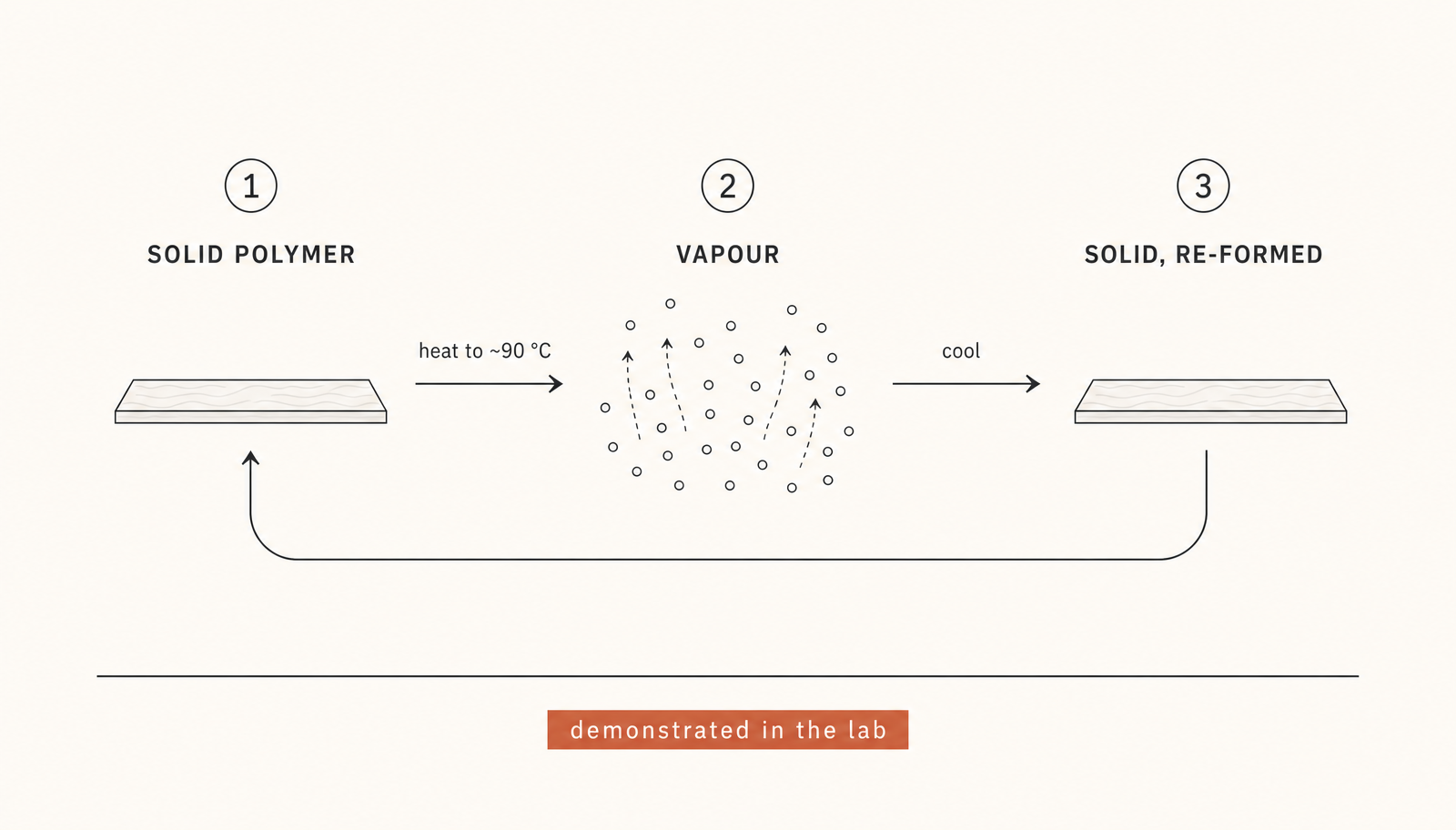
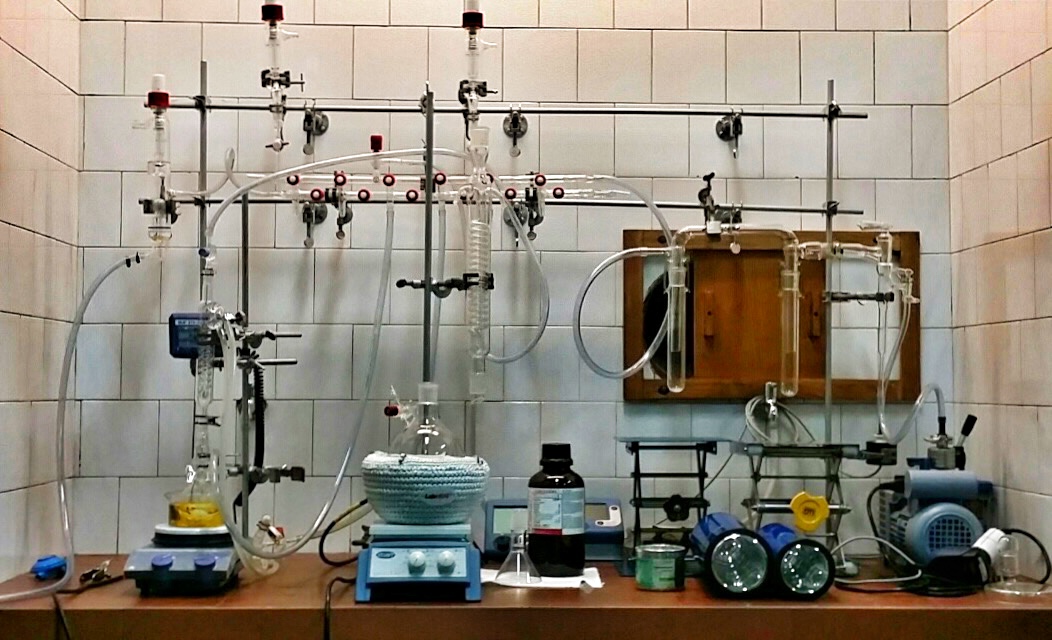
At roughly 90 °C the chains depolymerise — they break back into the small building blocks they were assembled from. The unusual part is what those blocks do next. They leave as a vapour rather than pooling as a liquid. Cool that vapour and it condenses straight back into the original waterproof solid.
Why the vapour step is the interesting part
Most chemical-recycling concepts break a polymer down into a liquid or gas mixture, then rebuild the monomer through separation and re-synthesis. Those rebuilding steps are where the energy, the yield losses and the cost live.
Here the rebuilding is passive. The vapour condenses into the polymer on its own. That collapses several unit operations into one heat-and-cool cycle.
What they demonstrated
The team used the vapour as a working tool, not just a curiosity. Three demonstrations:
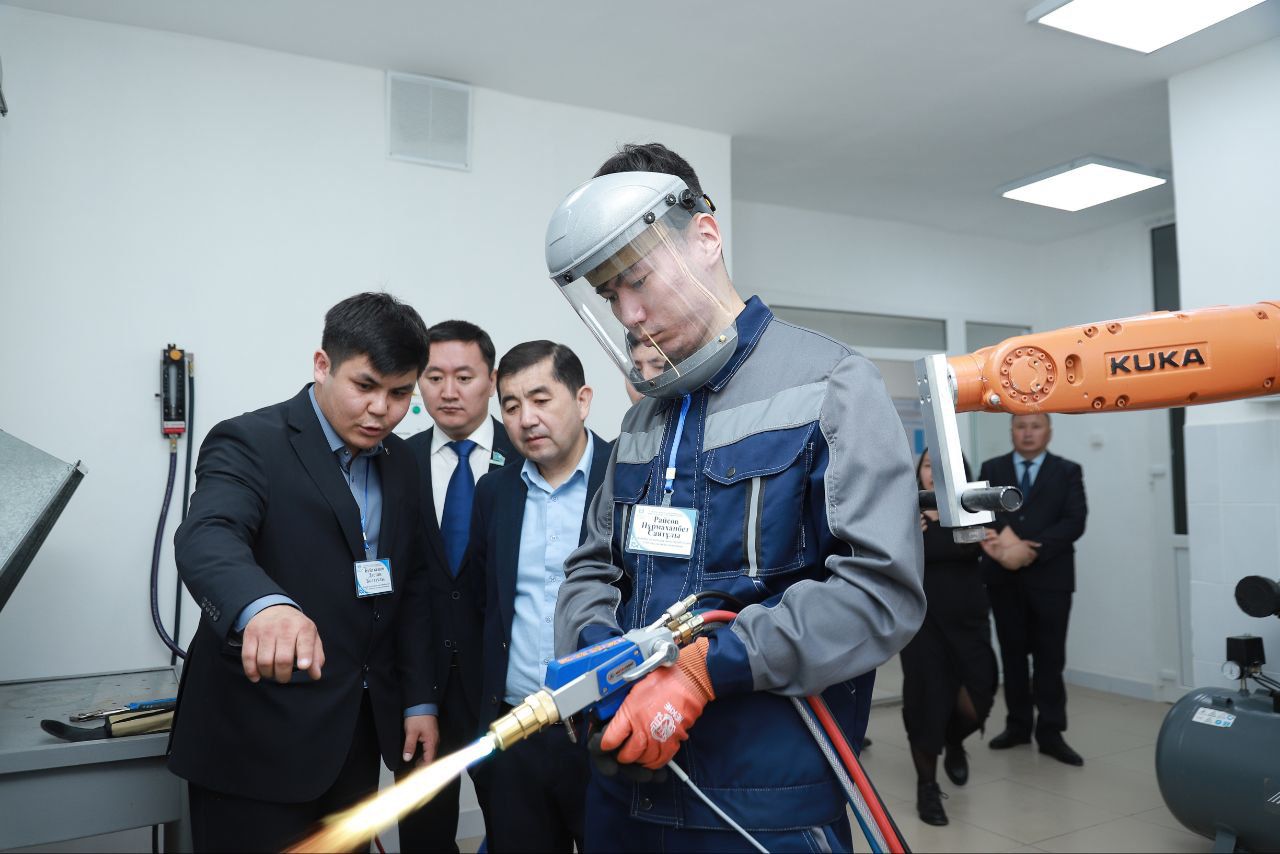
Coating. The vapour deposits onto a surface and condenses into a waterproof film. Vapour reaches geometries a liquid coating struggles with — interior channels, textured surfaces, complex parts.
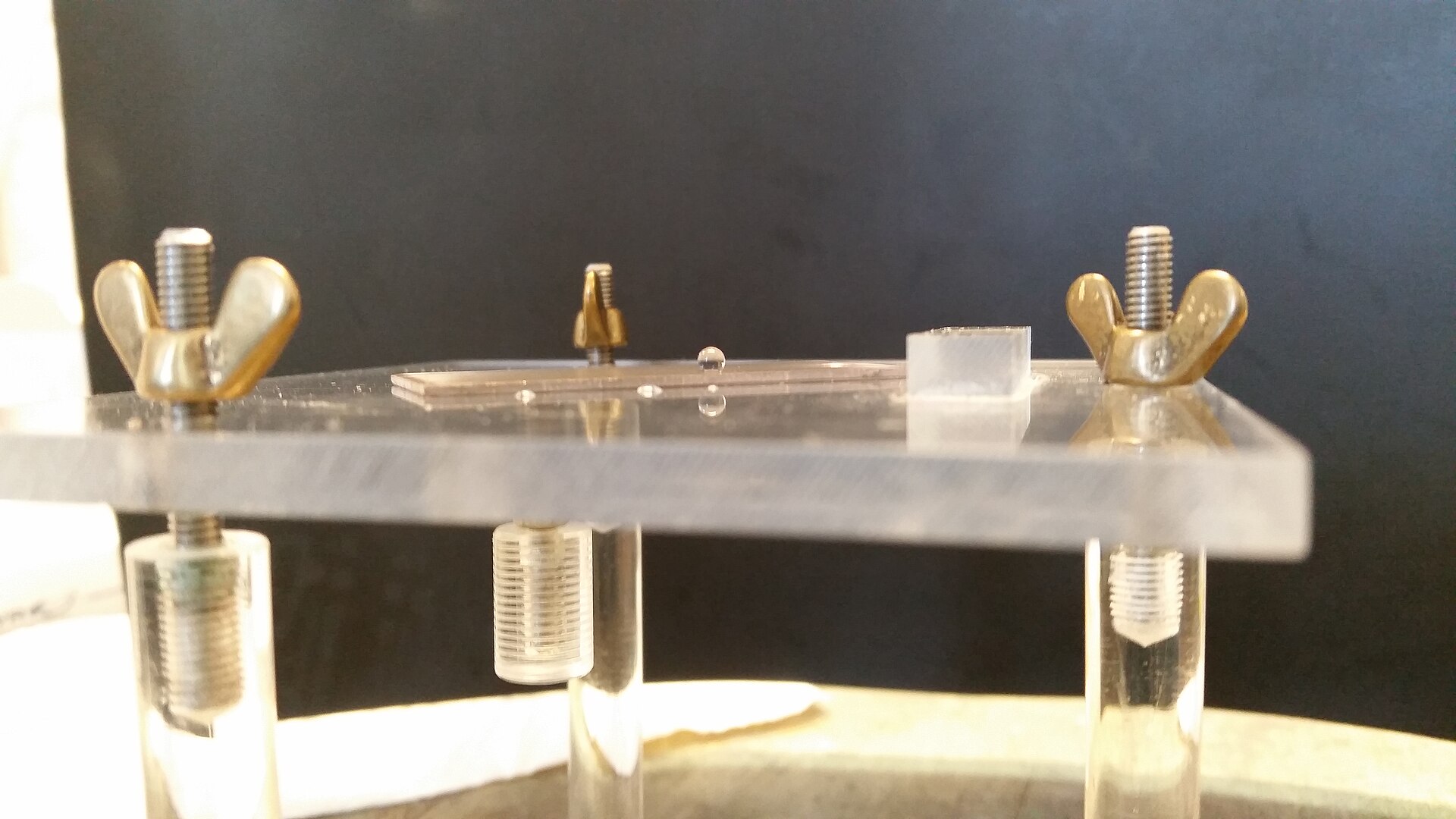
Removal. Reheating strips the coating off cleanly, without a solvent bath and without abrading the substrate.
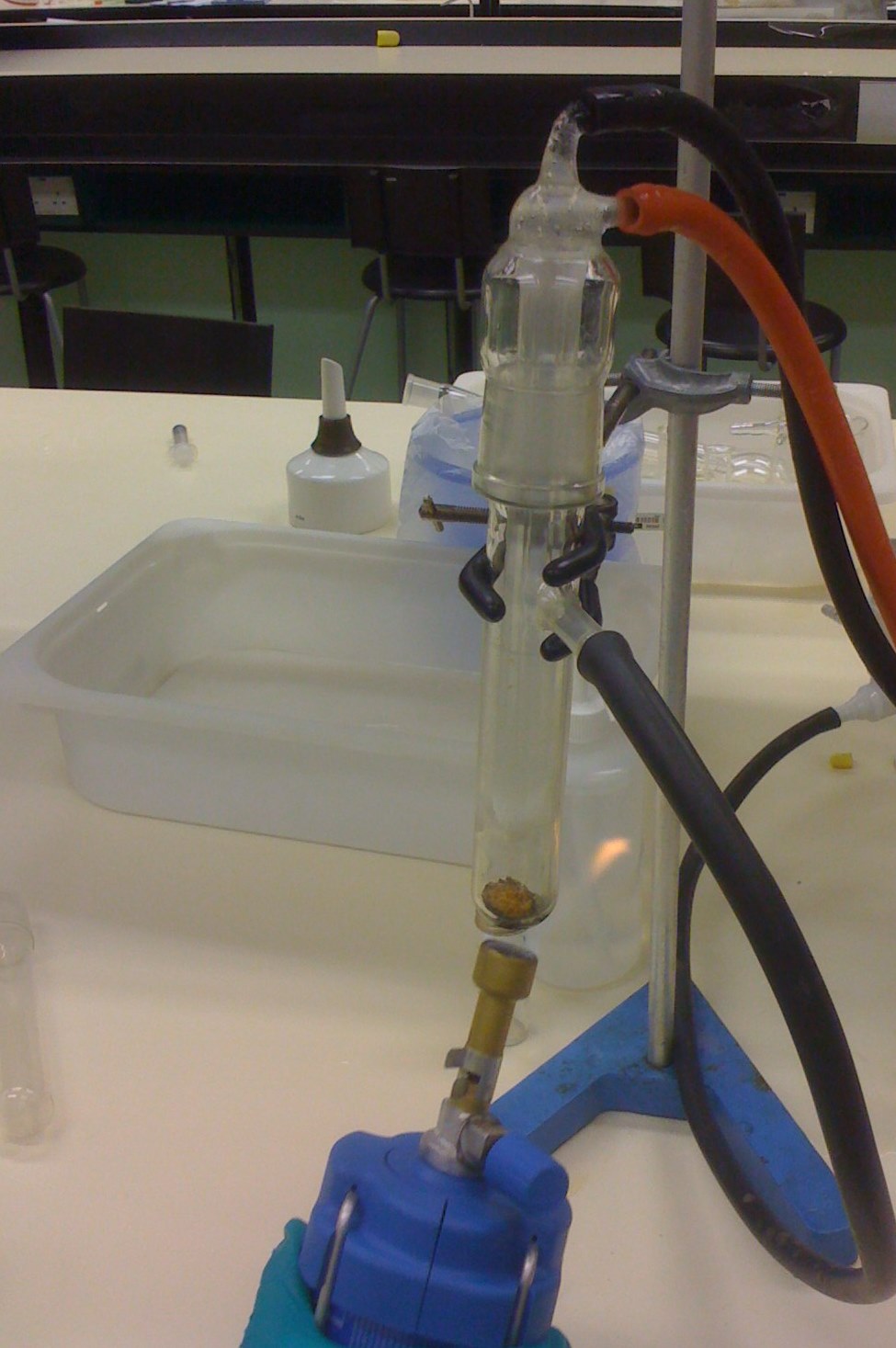
Purification. A contaminated sample was cleaned by sublimation and re-formation — the polymer leaves as vapour, the contamination stays behind.
What this is not
It is not a polyethylene replacement. It is not evidence that mixed plastic waste can be recycled. It is a proof of concept in a Macromolecules paper.
The unanswered questions are the ordinary, decisive ones:
Synthesis. Can the monomer be made at industrial scale, from feedstocks that are actually available, at a cost anyone would pay?
Cycles. How many solid-vapour-solid loops before properties degrade? A material that survives three cycles is a lab result; one that survives hundreds is a system.
Containment. A polymer that vaporises at 90 °C is a polymer that vaporises in a hot car, a shipping container in summer, or a dishwasher. Every application has to sit below that threshold, and the vapour has to be contained during recovery.
Contamination. Real waste arrives dirty. Sublimation is genuinely good at leaving contamination behind — but it also has to tolerate whatever additives, pigments and fillers a commercial product needs.
Energy. Heating to 90 °C is cheap compared with pyrolysis at 500 °C. It is not free, and the accounting has to include the cooling, the vapour handling and the containment.
Where it could land first
The realistic near-term target is not commodity plastic. It is specialty coatings — situations where the coating has to come off again, where the substrate is expensive, where solvent stripping is a problem, or where the geometry defeats a liquid.
That is a small market compared with polyethylene. It is also a market where a 90 °C removal temperature is a feature rather than a hazard, and where a proof of concept has a plausible path to a product.
References and image credits›
- 01University of Surrey — New plastic turns into a gas when heated, then reforms once cooled
- 02Macromolecules — DOI 10.1021/acs.macromol.6c01500
Kate7234, Wikimedia Commons, CC0 · Rifleman 82, Wikimedia Commons, public domain · Eskozxz, Wikimedia Commons, CC BY-SA 4.0 · Surface engineering, Wikimedia Commons, CC BY-SA 4.0 · Miha Bukleski, Wikimedia Commons, CC BY 4.0 · Kate7234, Wikimedia Commons, CC0