
A Wastewater Cell That Powers Itself and Pulls Fertiliser Out of the Stream
Temple and NJIT researchers built a treatment cell that generates seven times more electricity than it consumes while recovering struvite. At bench scale.
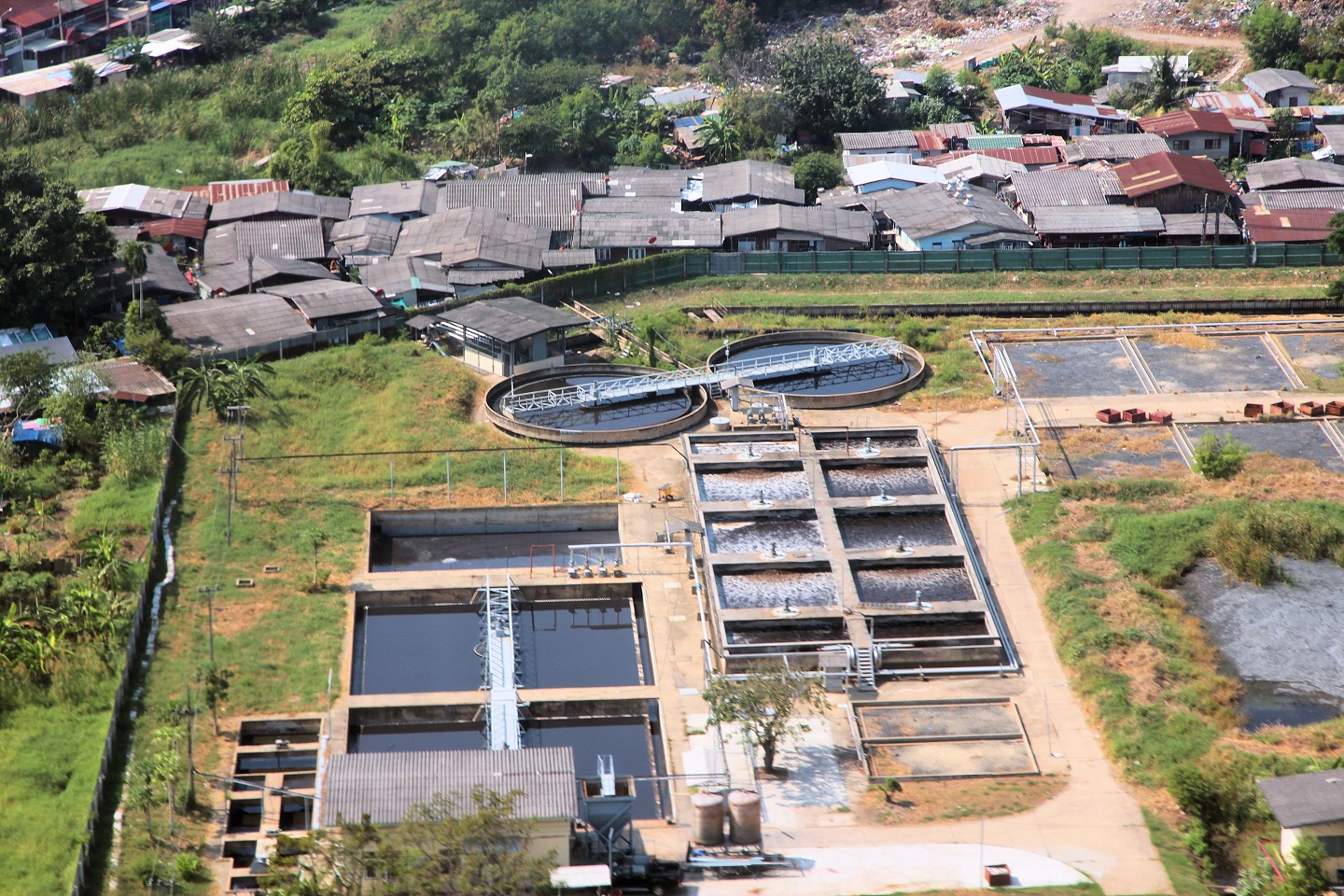
Wastewater treatment is one of the largest electricity loads a city carries - typically 2-3% of national consumption in developed countries, most of it spent on aeration. Any process that treats water without drawing power is worth a careful look.
The idea
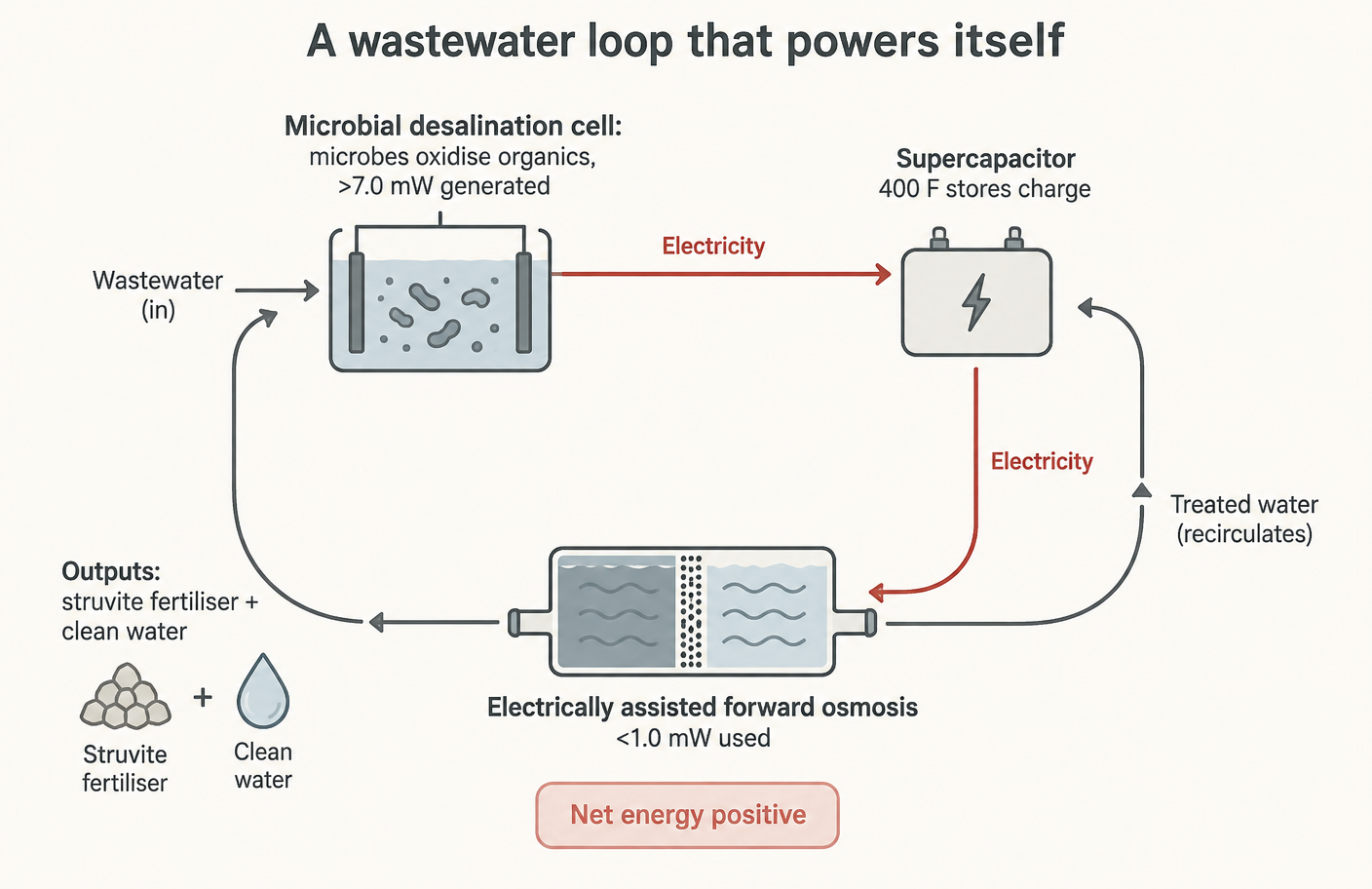
A team at Temple University and NJIT combined two existing concepts into one cell: electrically assisted forward osmosis and a microbial desalination cell. Bacteria oxidise organic matter in the wastewater and release electrons; that electron flow does the electrical work the system needs, and then some.
Three outputs from one cell
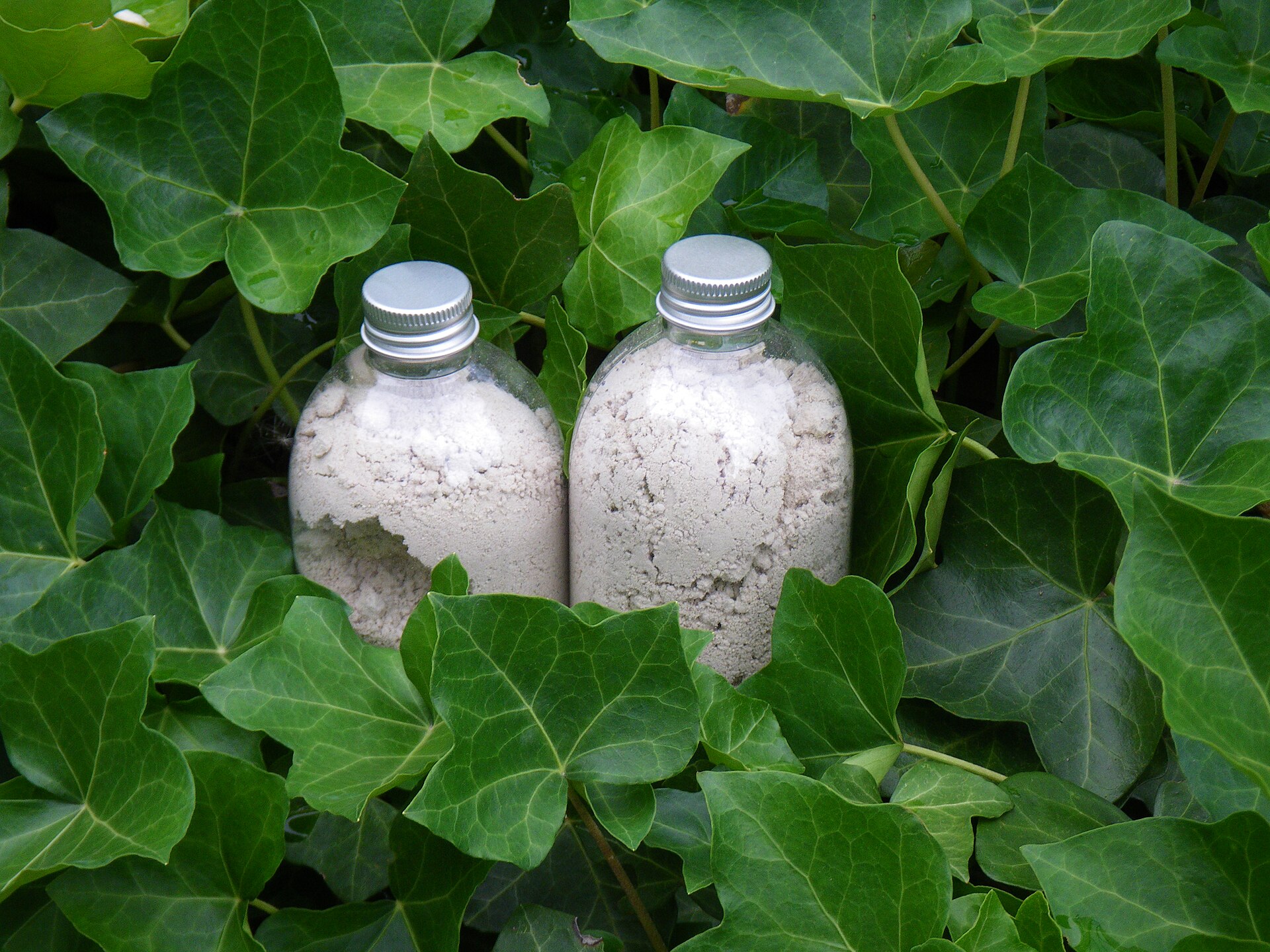
The system separates clean water, recovers nutrients as struvite - magnesium ammonium phosphate, a slow-release fertiliser - and produces surplus electricity. Struvite recovery matters on its own terms: phosphorus is a finite mined resource, and the same compound scales up pipework in treatment plants when it precipitates where you do not want it.
Why the numbers need context
Seven milliwatts is a bench figure. Municipal plants are measured in megawatts. Scaling microbial electrochemical systems has a long history of disappointment: performance depends on biofilm health, membrane fouling and influent composition, and none of those behave the same at reactor scale as in a lab cell.
The favourable energy ratio also assumes reasonably concentrated organic loading. Dilute municipal wastewater gives you fewer electrons per litre, and the ratio moves in the wrong direction.
What would make this real
A continuous-flow pilot on actual wastewater, with fouling behaviour over months rather than hours, struvite yield per cubic metre, and a membrane replacement cost. Until then, the honest description is: a well-designed bench demonstration that two recovery goals and one energy goal need not conflict.
References and image credits›
Photo: Wikimedia Commons, CC BY-SA · Photo: Wikimedia Commons, CC BY-SA · Photo: Wikimedia Commons, CC BY-SA