The Waste Stack
HomeAboutWriting

Writing

Explainers, teardowns, and myth-busting on waste management systems and green engineering.

AllExplainerTeardownMyth-Busting
#recycling84#plastics46#emissions36#energy27#e-waste22#landfill22#wastewater18#food-waste17#policy17
5 postsReset filters

Explainer posts

The EU wants 15% recycled plastic in new cars. Today it is 2.5%. Here is why the gap is so hard
ExplainerSeptember 25, 2026

The EU wants 15% recycled plastic in new cars. Today it is 2.5%. Here is why the gap is so hard

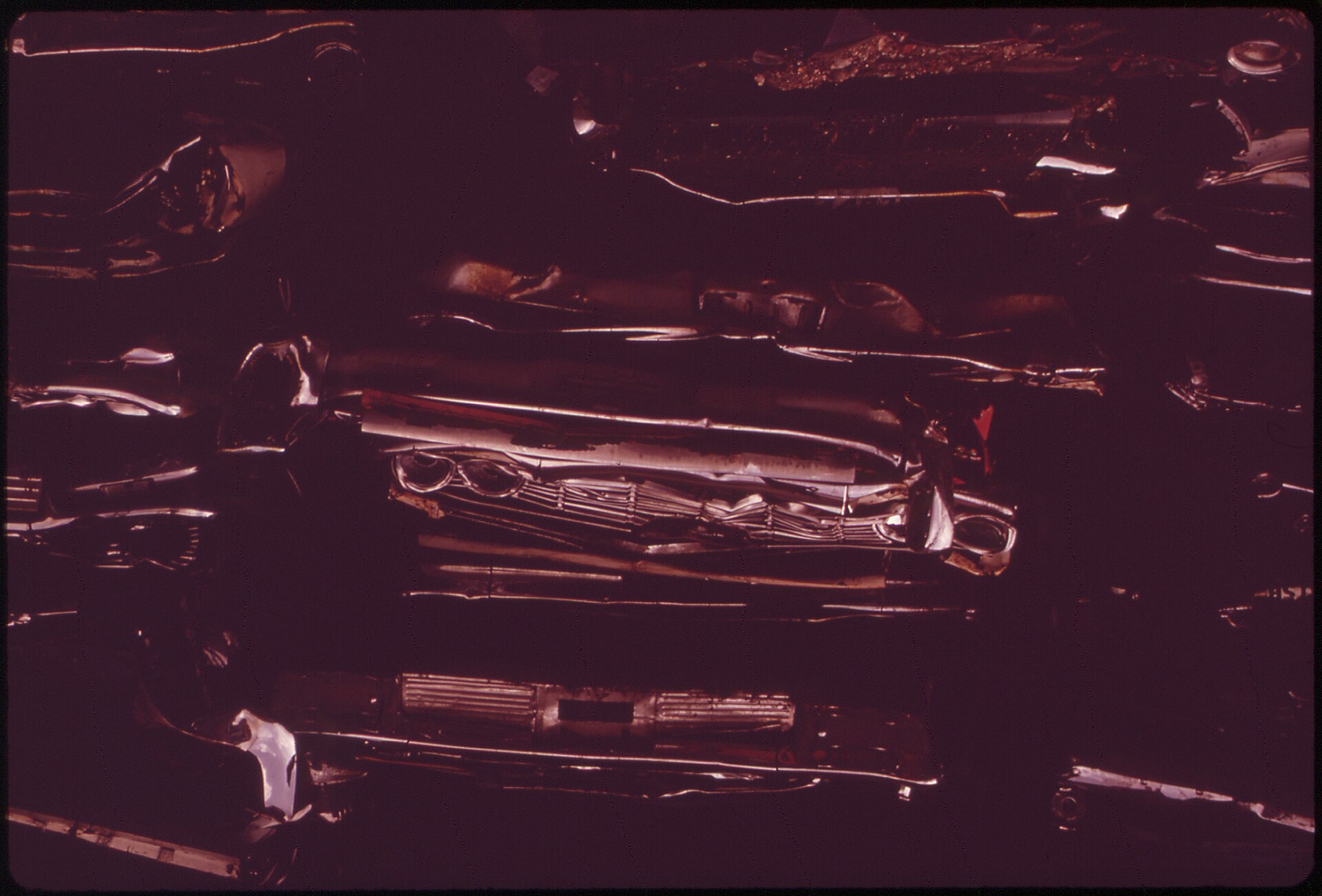
The End-of-Life Vehicles Regulation mandates 15% recycled plastic from 2032 and 25% from 2036. To see why that is difficult, follow a car through the shredder.
Marine Microbes Turning Food Waste Into Protein: Good Biology, Unresolved Regulation
ExplainerSeptember 12, 2026

Marine Microbes Turning Food Waste Into Protein: Good Biology, Unresolved Regulation

A Chinese research group reports converting food waste into single-cell protein using salt-tolerant marine microorganisms. The salt tolerance is a genuine engineering advantage. Feed approval is where this stalls.

Black Soldier Flies Convert Food Waste Fast. The Constraint Is the Law.
ExplainerSeptember 9, 2026

Black Soldier Flies Convert Food Waste Fast. The Constraint Is the Law.

Larvae turn organic waste into protein in about two weeks with high conversion efficiency. Whether that protein can legally be fed to anything is decided by regulation, not by biology.

An LLM on top of a decade of landfill wellhead data
ExplainerAugust 26, 2026

An LLM on top of a decade of landfill wellhead data

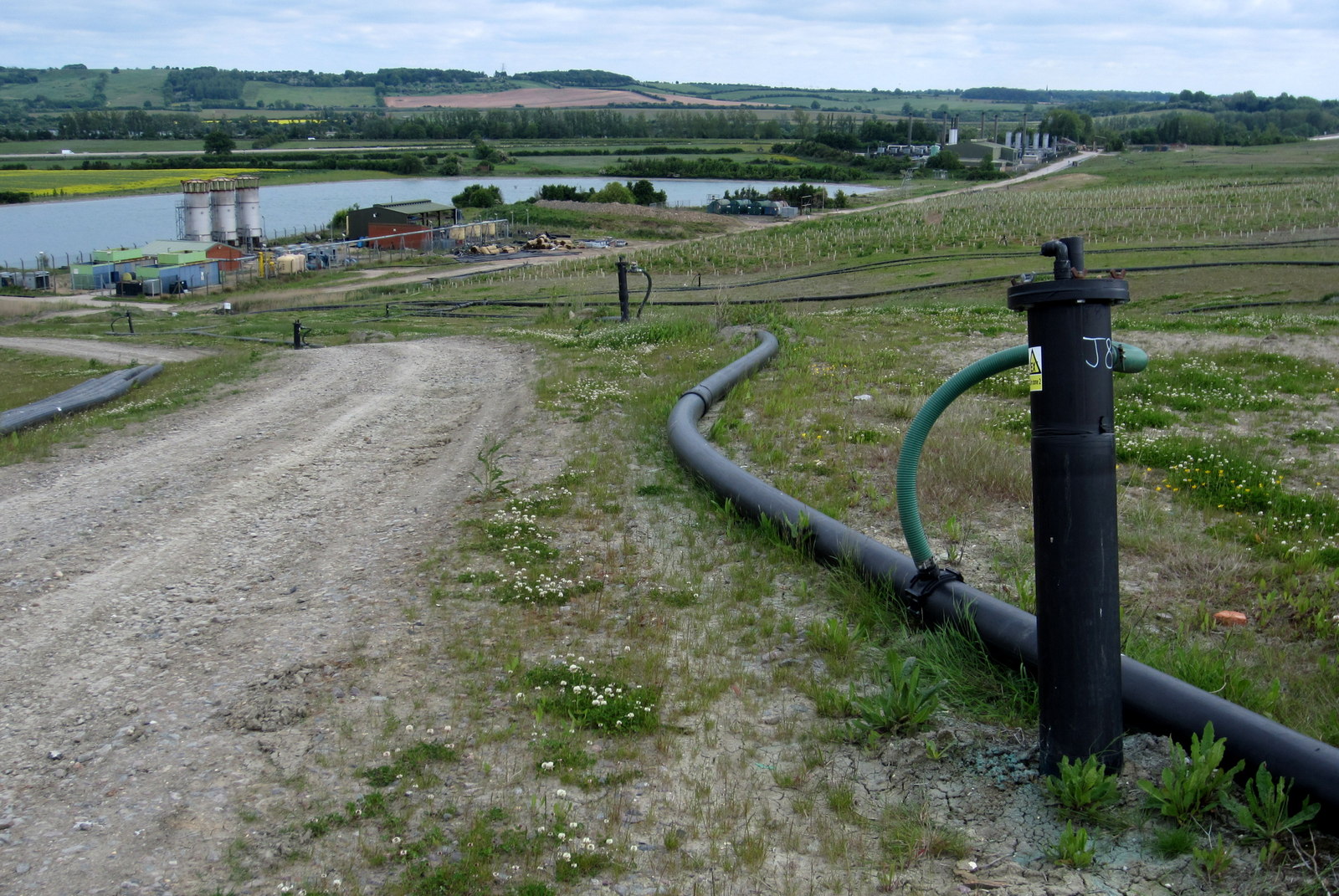
Loci Controls put a language model over the largest continuous dataset of landfill gas wellhead behaviour. The useful part is not the model — it is that the data density regulators are about to require makes interpretation the bottleneck.

How biohazardous lab plastics can become recyclable material
ExplainerAugust 21, 2026

How biohazardous lab plastics can become recyclable material

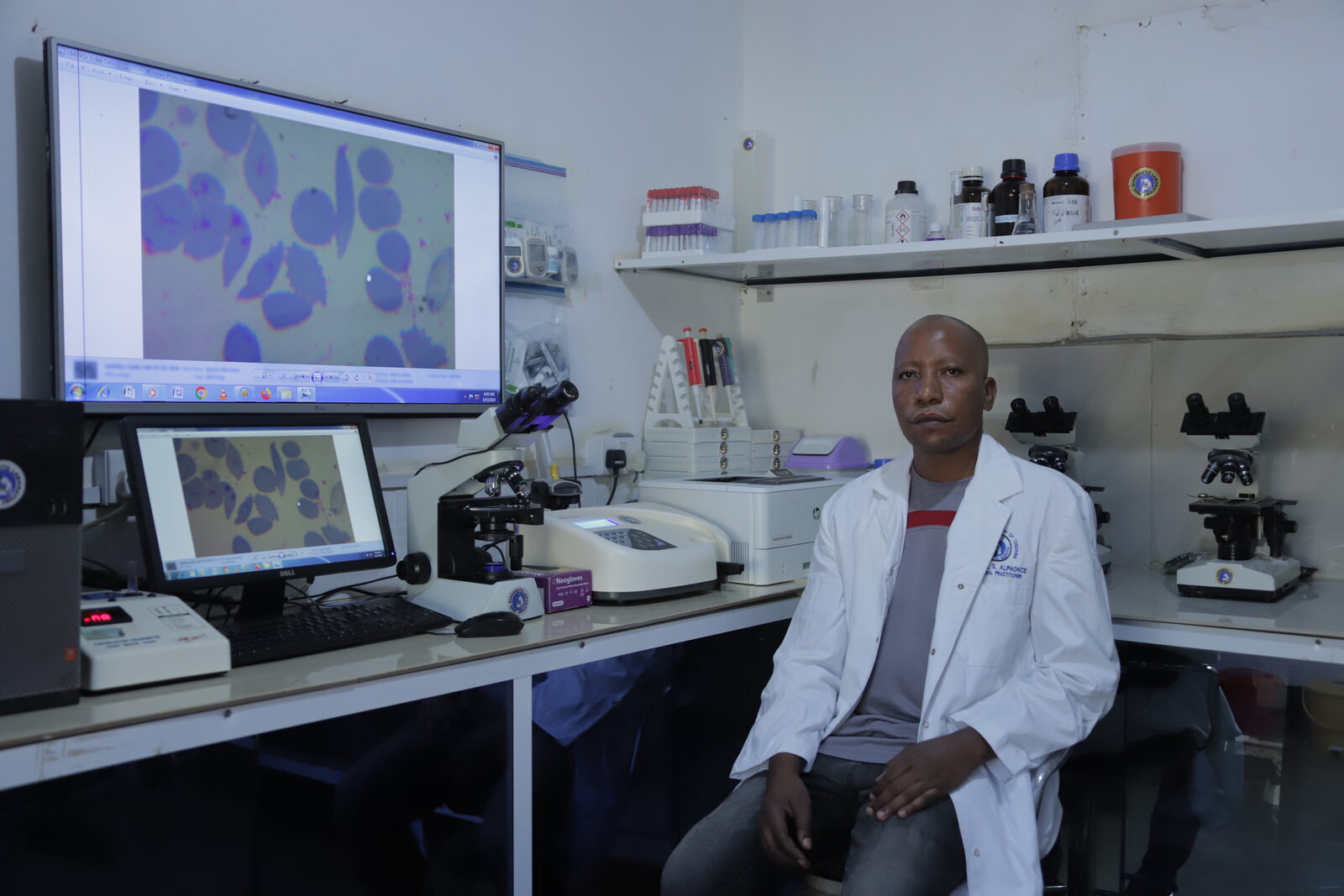
Laboratory plastic is regulated waste before it is a material. A new on-site system shreds, disinfects and dewaters it where it is generated, so what leaves the building is polymer flake rather than a hazard consignment. The step from flake to product is the one still missing.

The Waste Stack

Independent writing on waste management systems and green engineering.

All writingAbout
#plastics#recycling#e-waste#landfill#wastewater#energy#food-waste#emissions#policy