
TeardownOctober 8, 2026
Reclinker makes a cement route inside steel recycling
Reactivating demolition cement in an electric arc furnace uses existing infrastructure, but feedstock, standards and carbon boundaries still matter.

Explainers, teardowns, and myth-busting on waste management systems and green engineering.
Reactivating demolition cement in an electric arc furnace uses existing infrastructure, but feedstock, standards and carbon boundaries still matter.
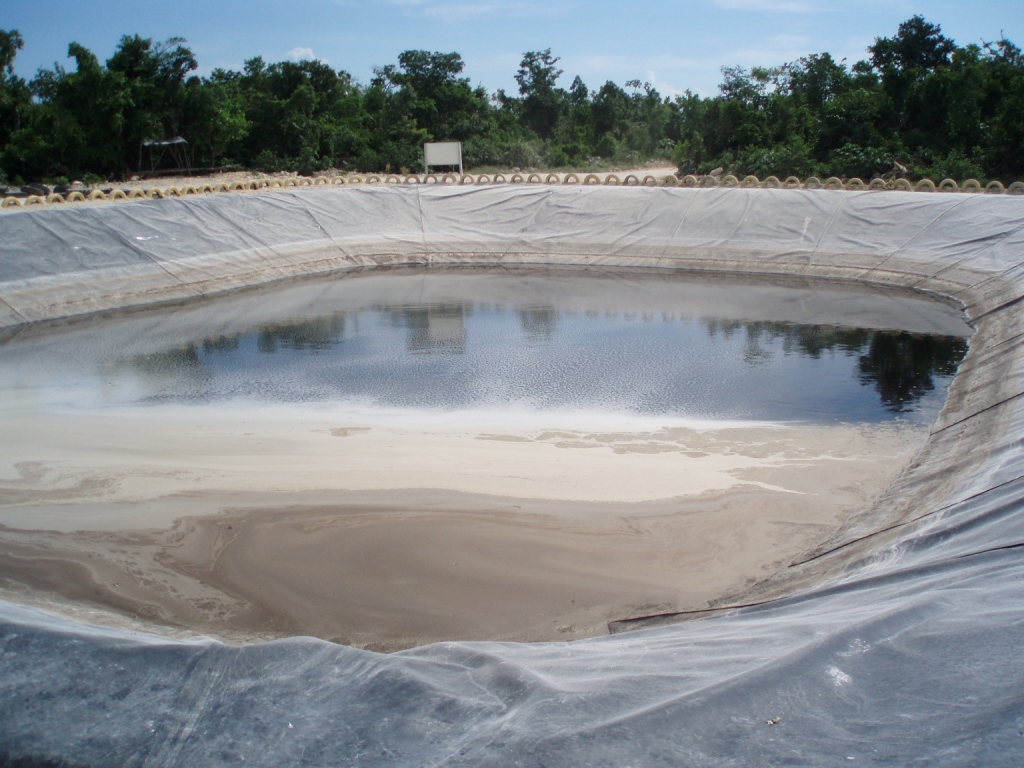
No. EPA's own landfill design guidance says liners will eventually degrade, tear or crack. Liners delay leachate contamination, but the waste outlasts the container.
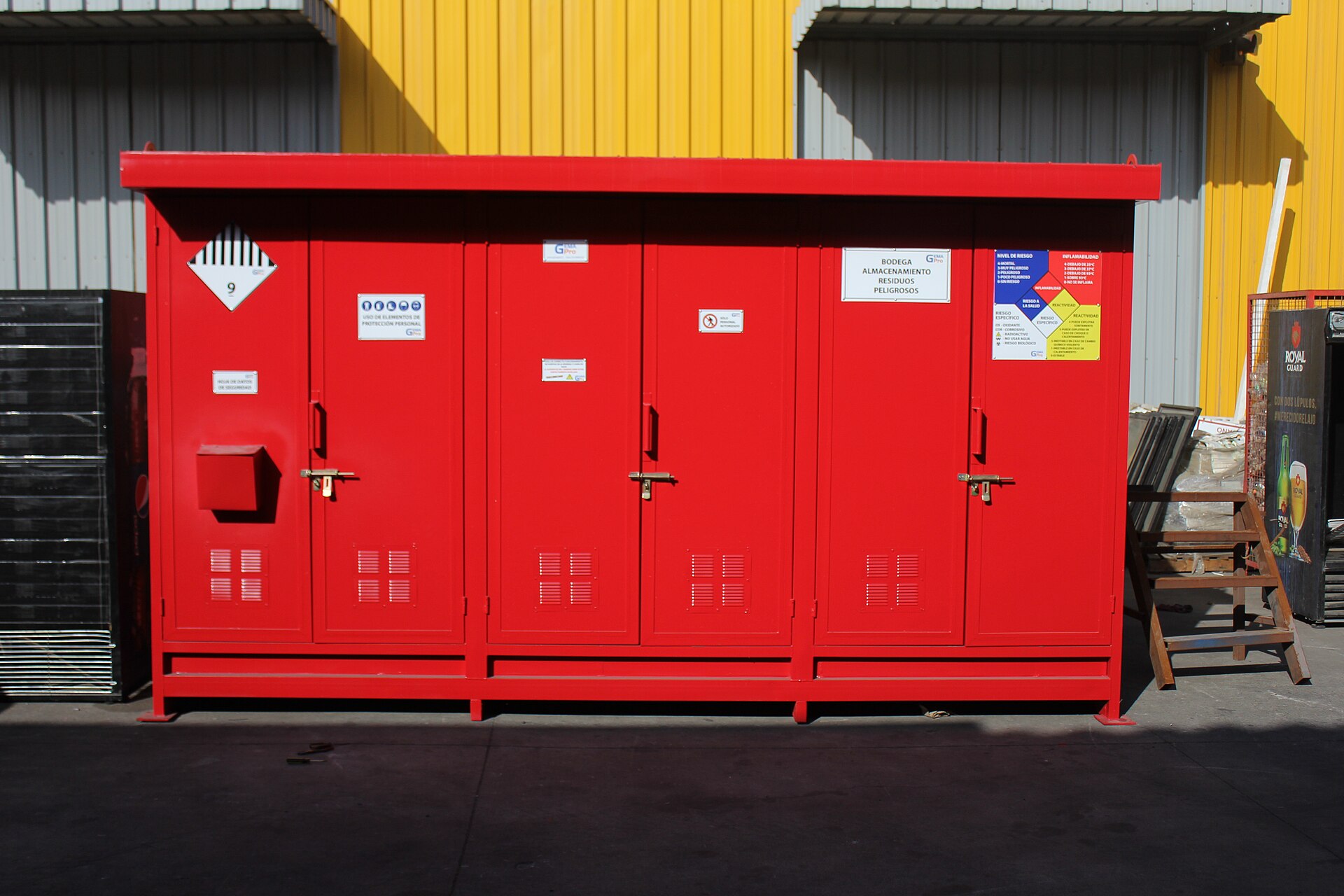
A Veolia-commissioned report says a 1% treatment capacity shortfall could cost $27 billion by 2033. EPA says there is enough capacity to 2049. Both can be partly right.
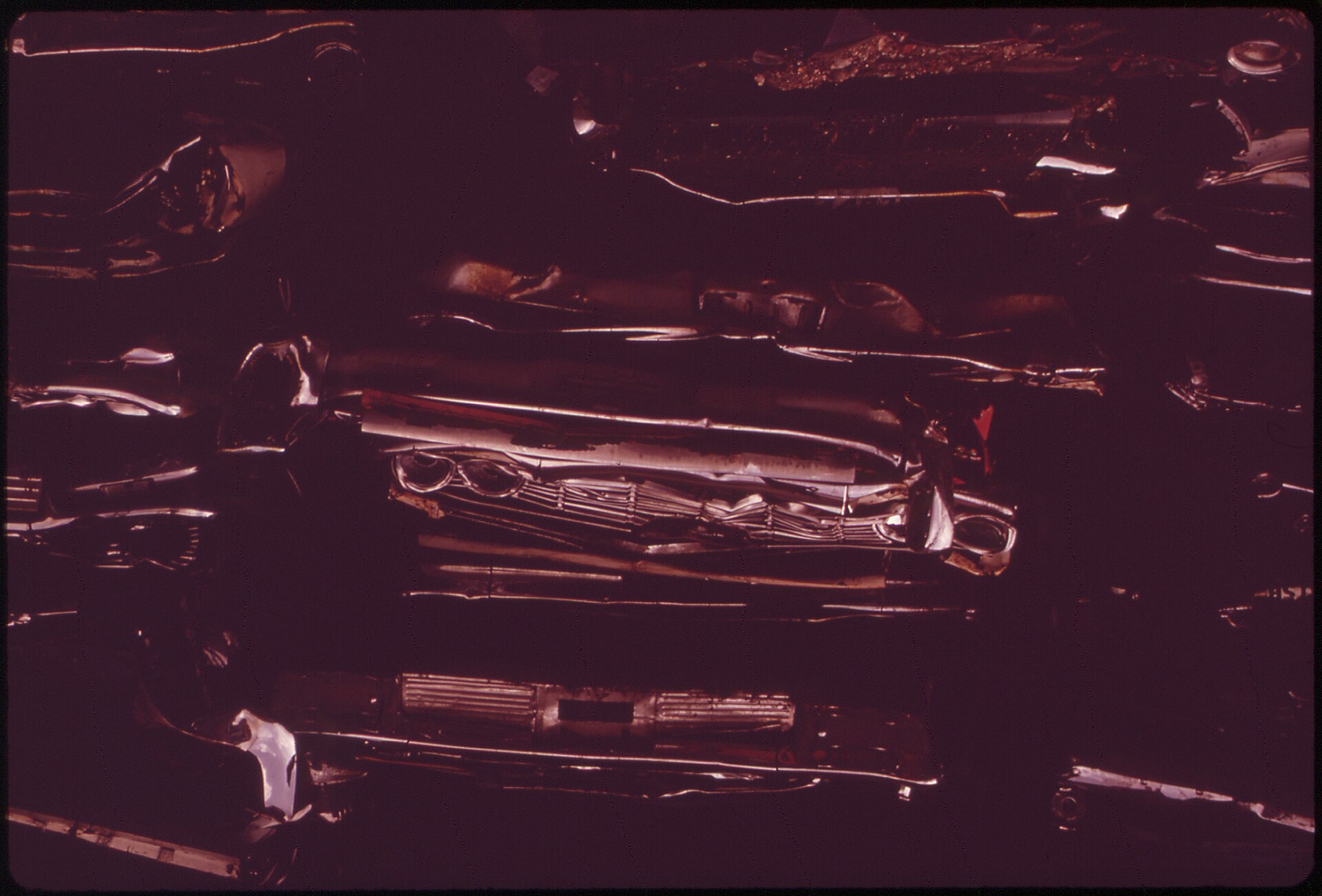
The End-of-Life Vehicles Regulation mandates 15% recycled plastic from 2032 and 25% from 2036. To see why that is difficult, follow a car through the shredder.
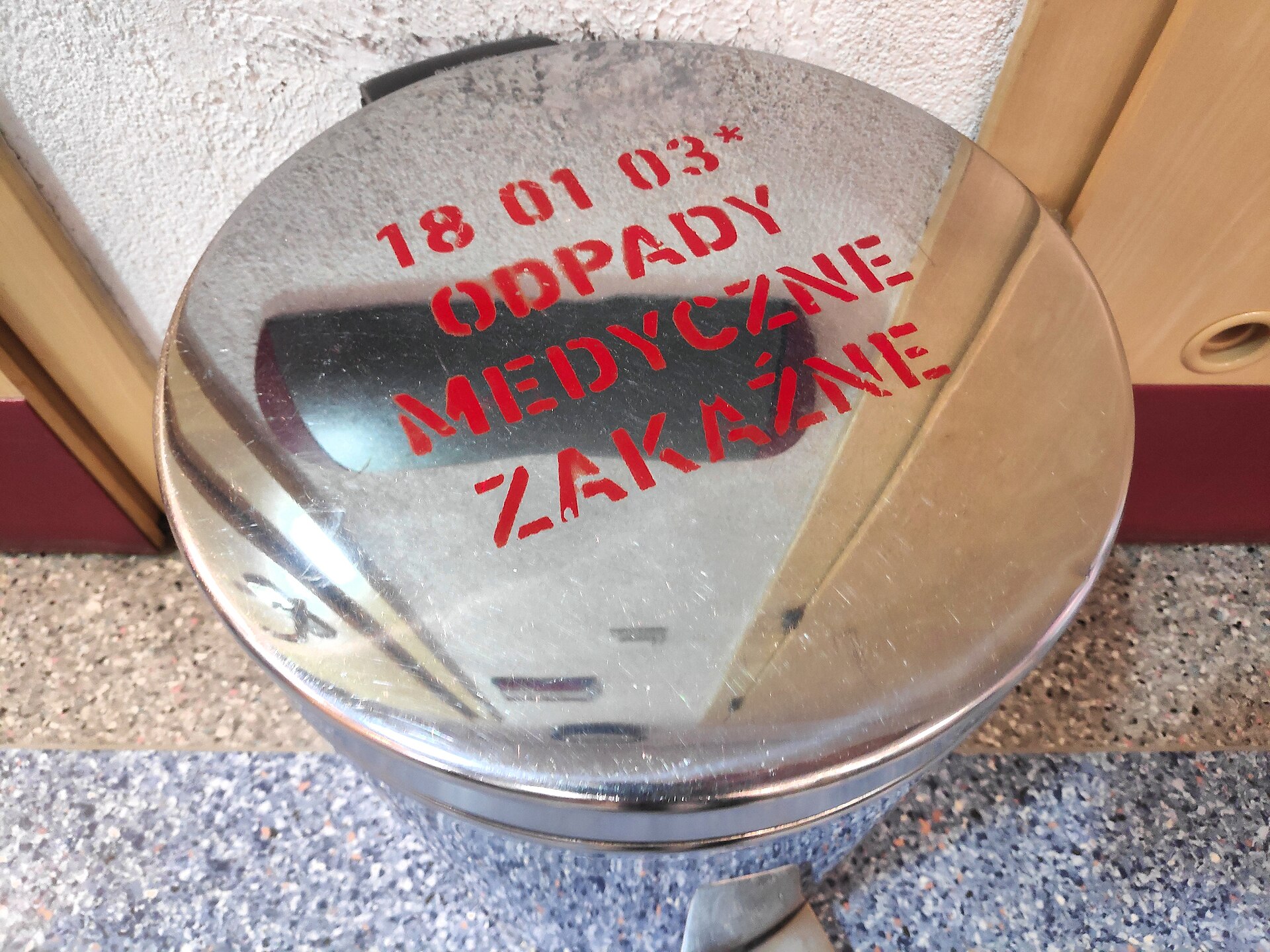
On-site shredding and disinfection that turns regulated medical waste into recyclable polymer flake. The disinfection is certified. Most of the headline numbers are not.
A Chinese research group reports converting food waste into single-cell protein using salt-tolerant marine microorganisms. The salt tolerance is a genuine engineering advantage. Feed approval is where this stalls.
Larvae turn organic waste into protein in about two weeks with high conversion efficiency. Whether that protein can legally be fed to anything is decided by regulation, not by biology.
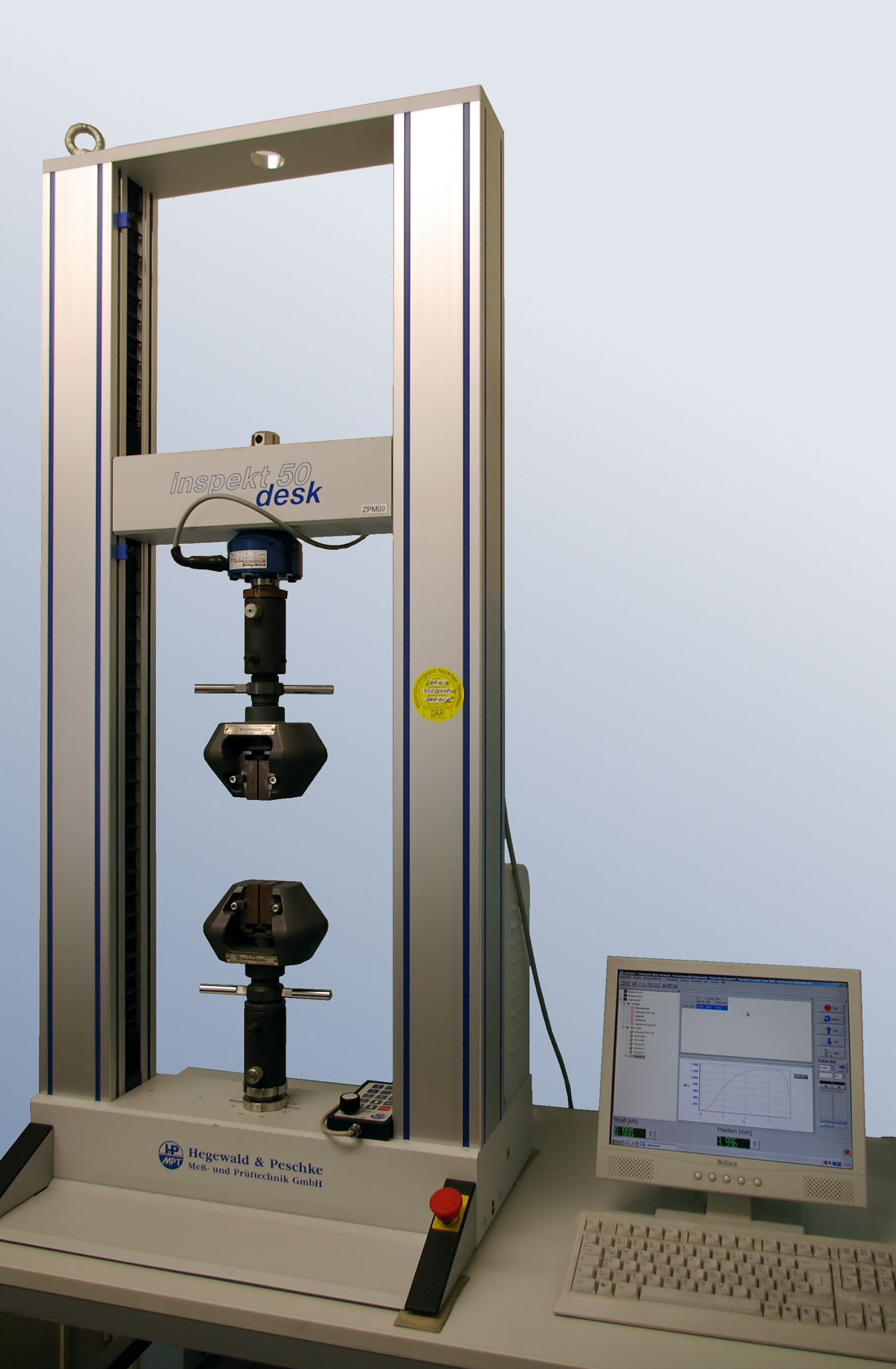
The chemistry is credible and the strategy is smart. The headline performance figures have no absolute values, no named comparators, and no test standards attached. Here is what can and cannot be concluded.
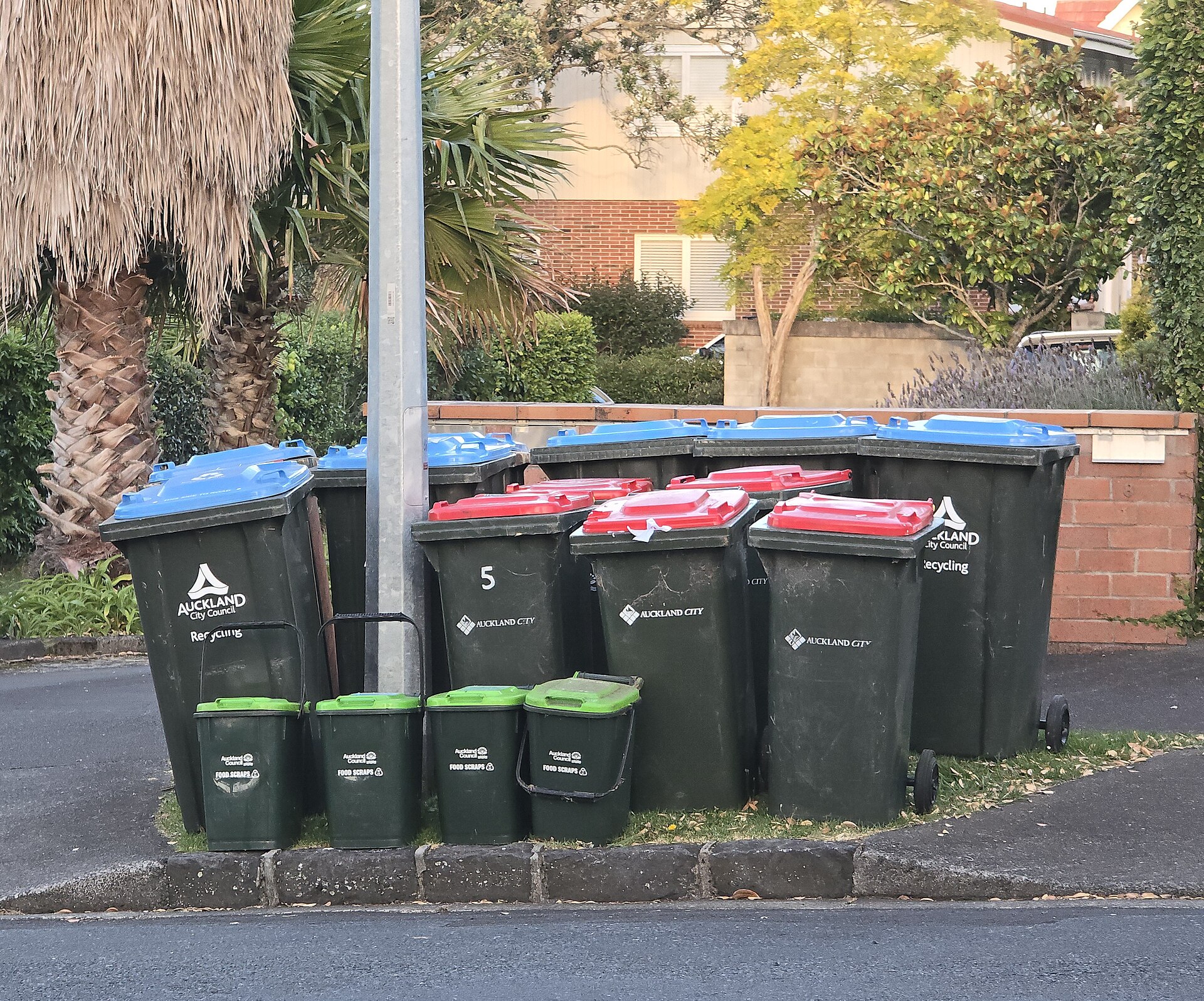
The EPA's guidance is the exact opposite sentence. One in four items in the bin is contamination, it costs the system $300 million a year, and the doubtful item does not get rescued by the machine.
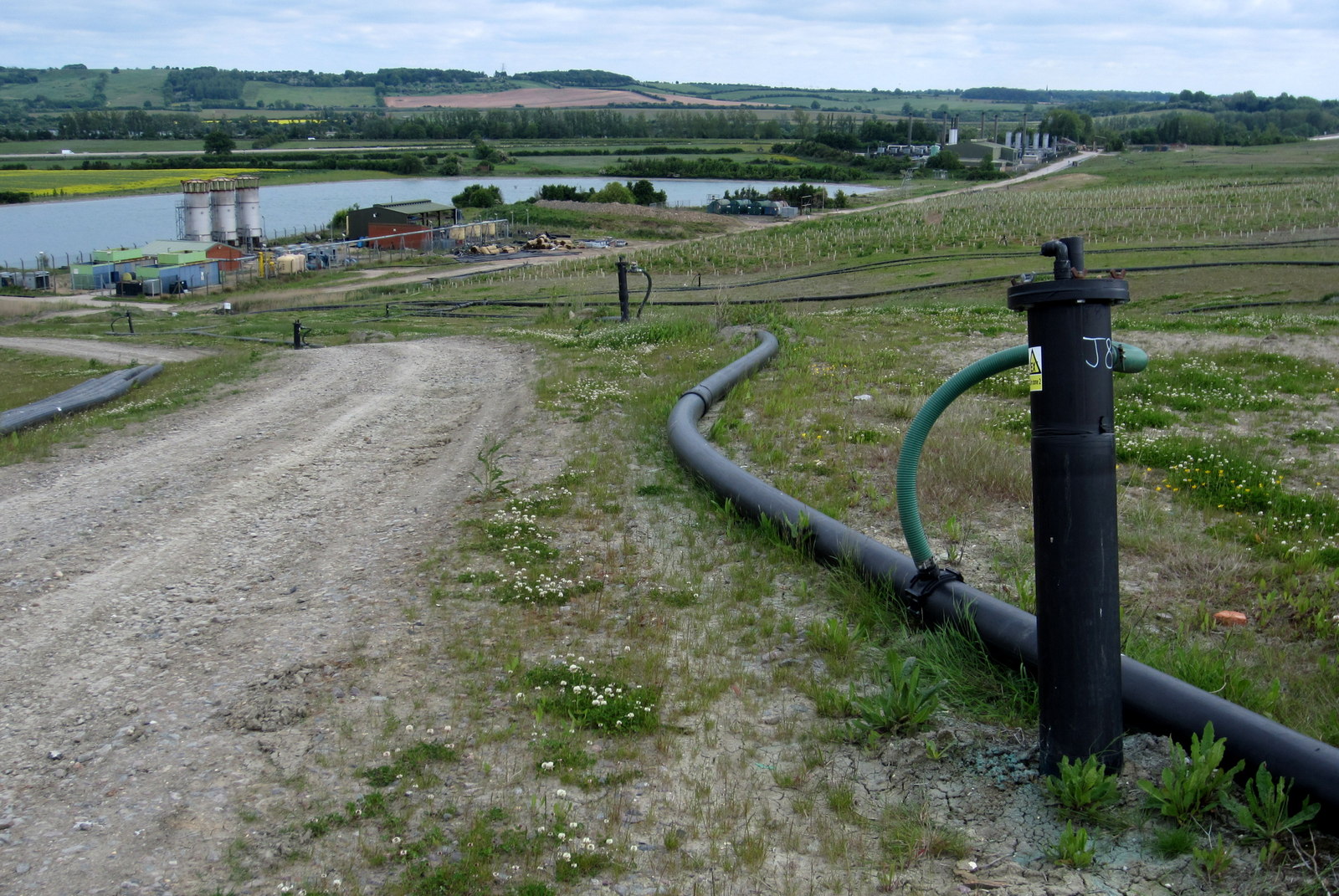
Loci Controls put a language model over the largest continuous dataset of landfill gas wellhead behaviour. The useful part is not the model — it is that the data density regulators are about to require makes interpretation the bottleneck.
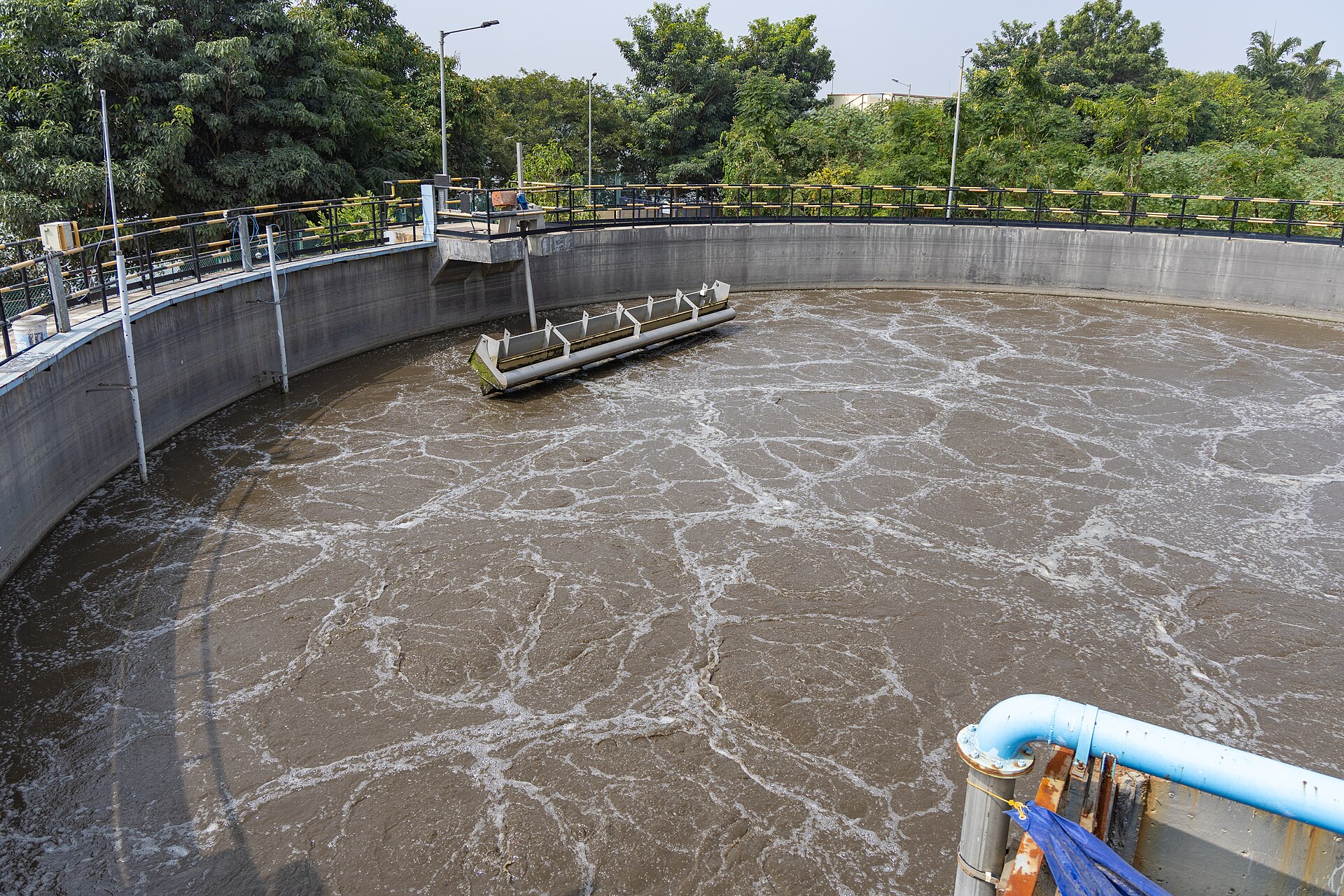
"Treated" describes a process, not a permitted end use. Between sewage effluent and drinking water sit three distinct categories, each with its own treatment train, monitoring regime and regulator.
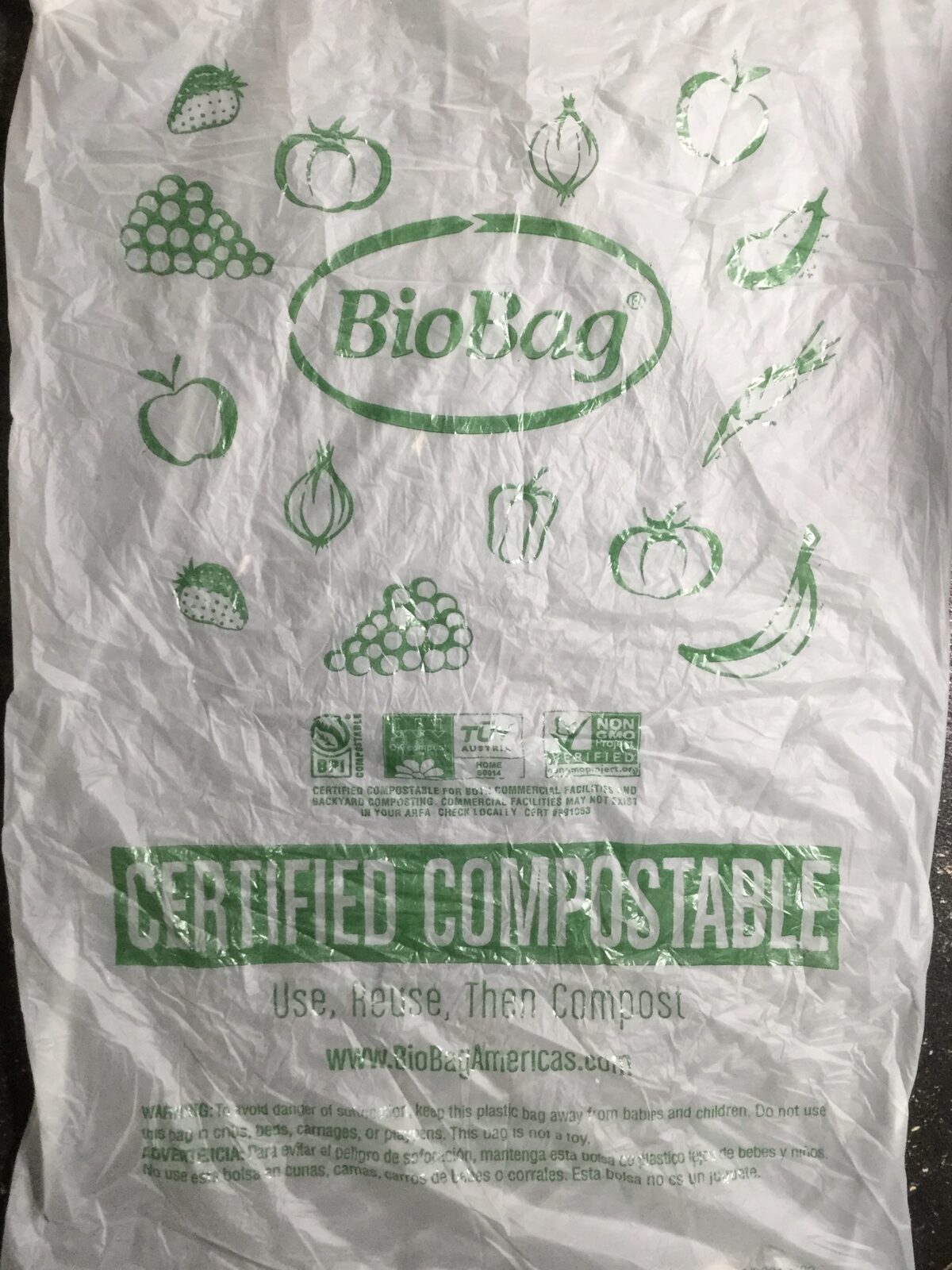
The word sounds like a disposal instruction. It is not. Whether anything degrades depends on the bin it lands in — and the US regulator's benchmark for an unqualified claim is a full year, in the route the product actually takes.
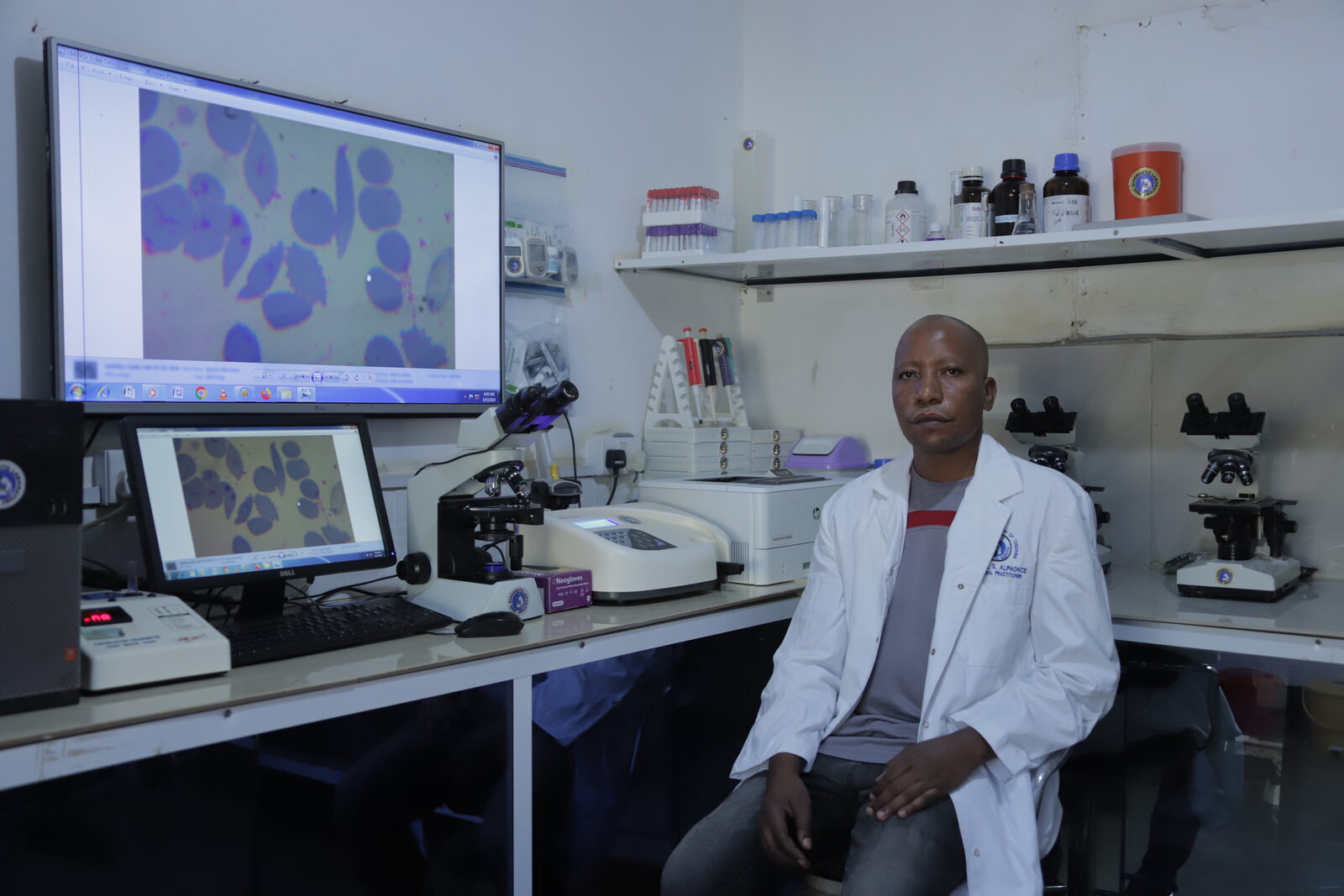
Laboratory plastic is regulated waste before it is a material. A new on-site system shreds, disinfects and dewaters it where it is generated, so what leaves the building is polymer flake rather than a hazard consignment. The step from flake to product is the one still missing.
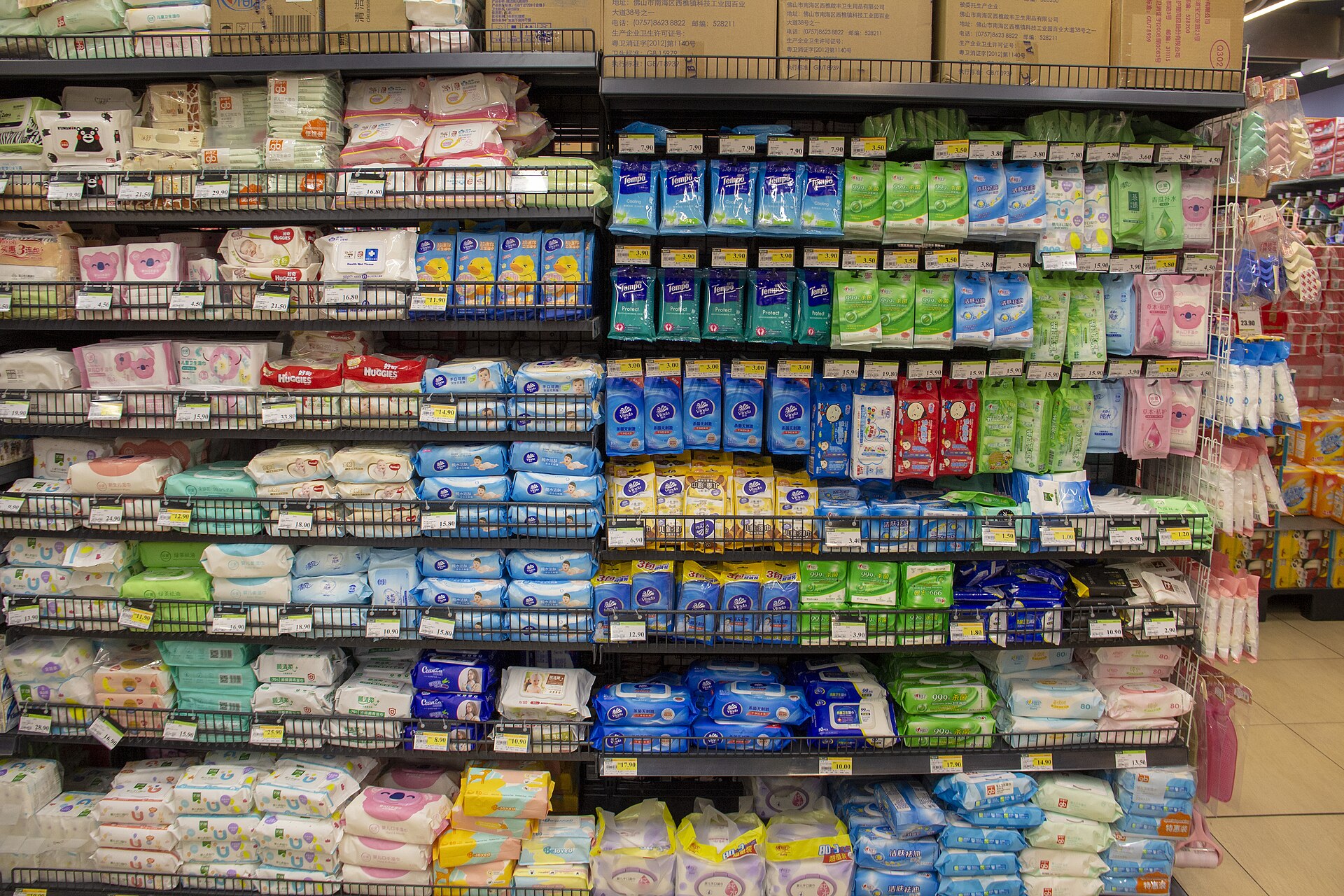
Toilet paper broke apart in eight seconds in a utility disintegration test. A wipe labelled flushable had not begun to break up after thirty minutes. EPA's guidance is unchanged: flush only toilet paper.
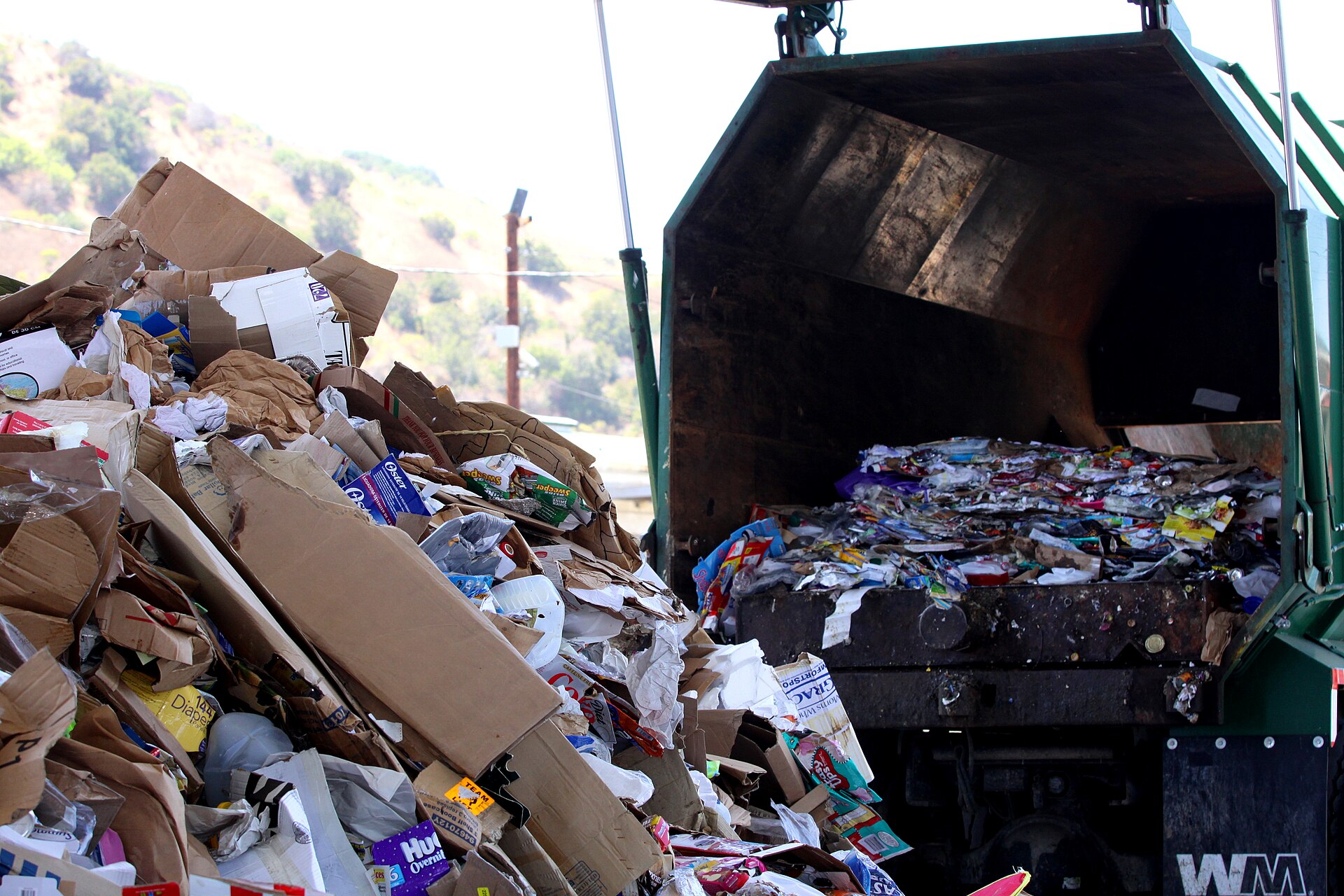
Collection trucks and sorting lines are visibly energy-hungry, which makes the myth feel obvious. EPA's own numbers say otherwise for most materials — but the word doing the damage in the myth is "always", and it cuts both ways.
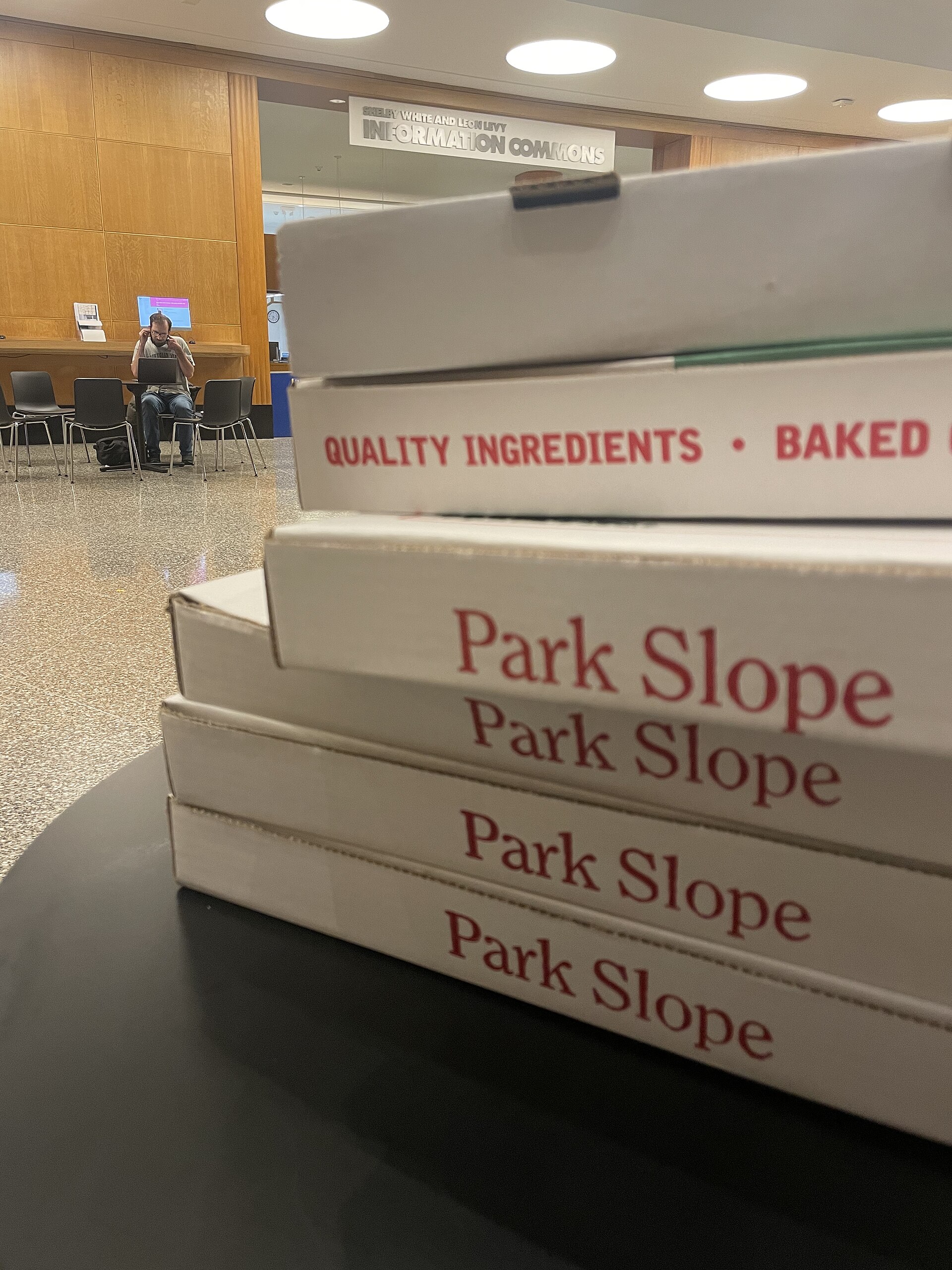
Grease alone is not a disqualifier for a pizza box — EPA says recycle it. Loose food, liners and your local programme's rules are the parts that actually decide.

A regulated municipal solid-waste landfill is an engineered containment system with liners, leachate capture, gas wells and decades of post-closure obligation. That is also not the same as saying it is safe forever.