ExplainerSeptember 20, 2026
Amino Acid Salts Can Scrub CO2 Out of Biogas. Just Not Quite Enough
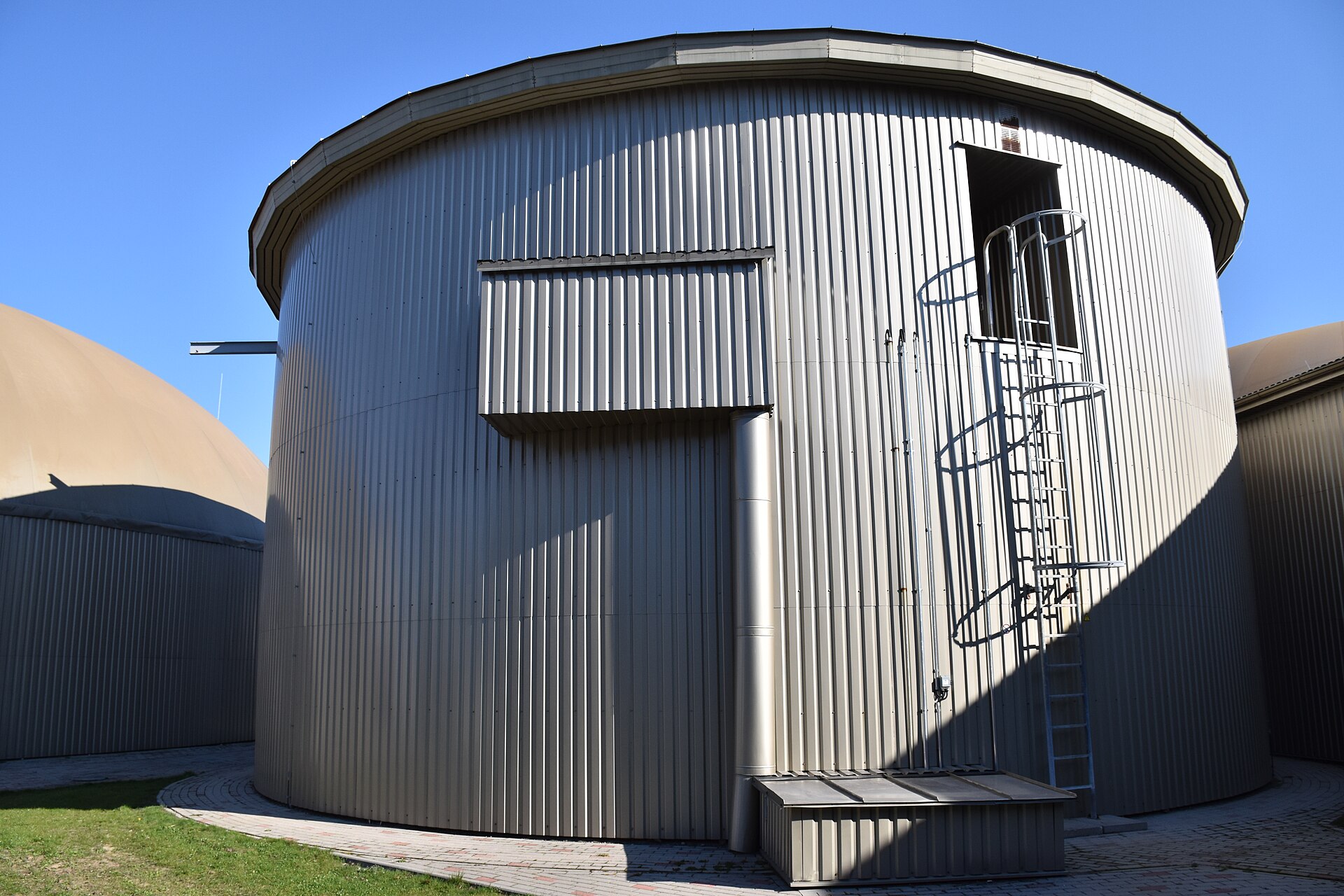
A Stuttgart process separates 92.3% of the CO2 from raw biogas using a benign solvent. Gas grids want methane above 96%.

Explainers, teardowns, and myth-busting on waste management systems and green engineering.
A Stuttgart process separates 92.3% of the CO2 from raw biogas using a benign solvent. Gas grids want methane above 96%.
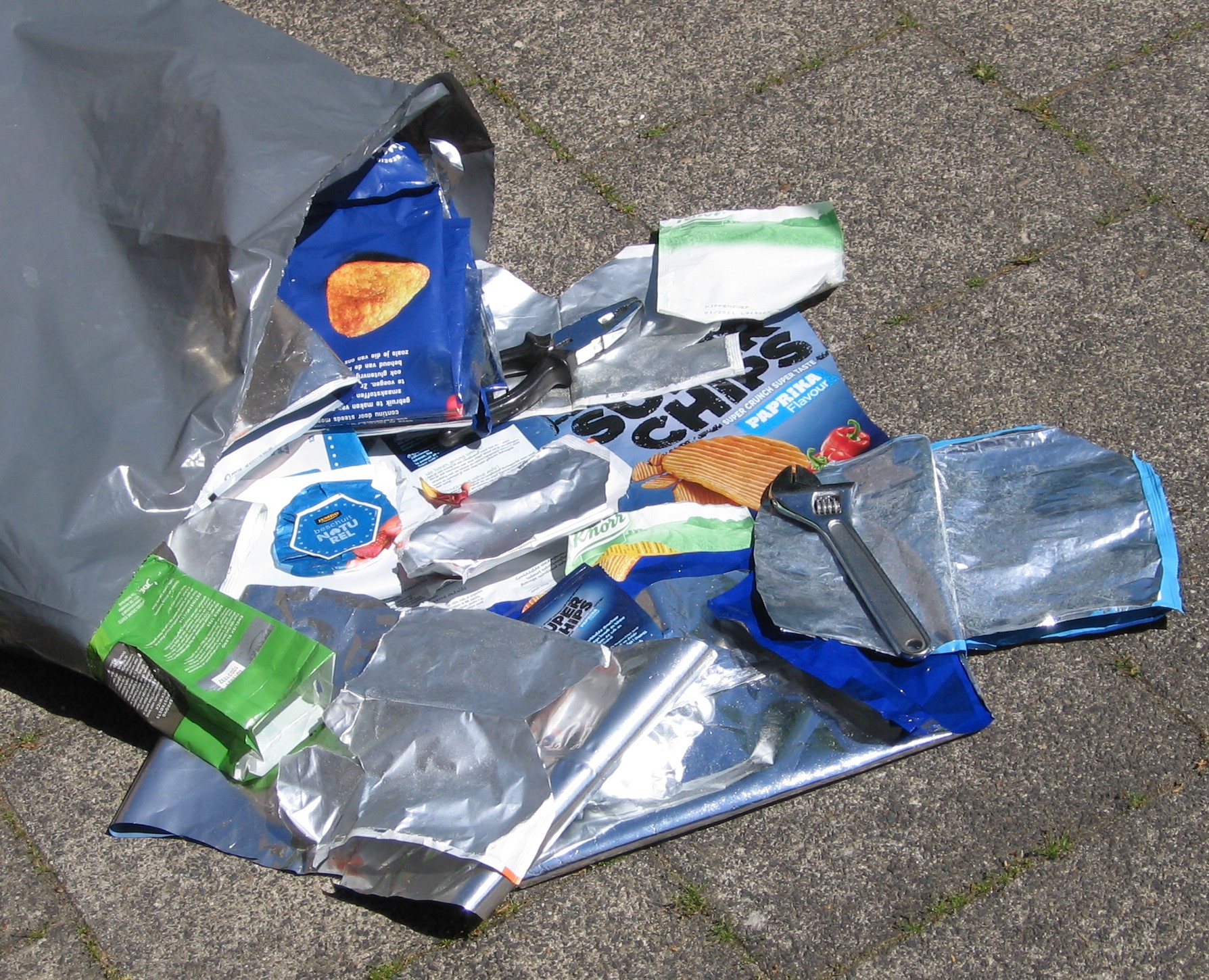
The US generates roughly 800,000 tons of recoverable polyethylene film a year. Twenty-seven reclaimers can process it, and fewer than half will take household film.
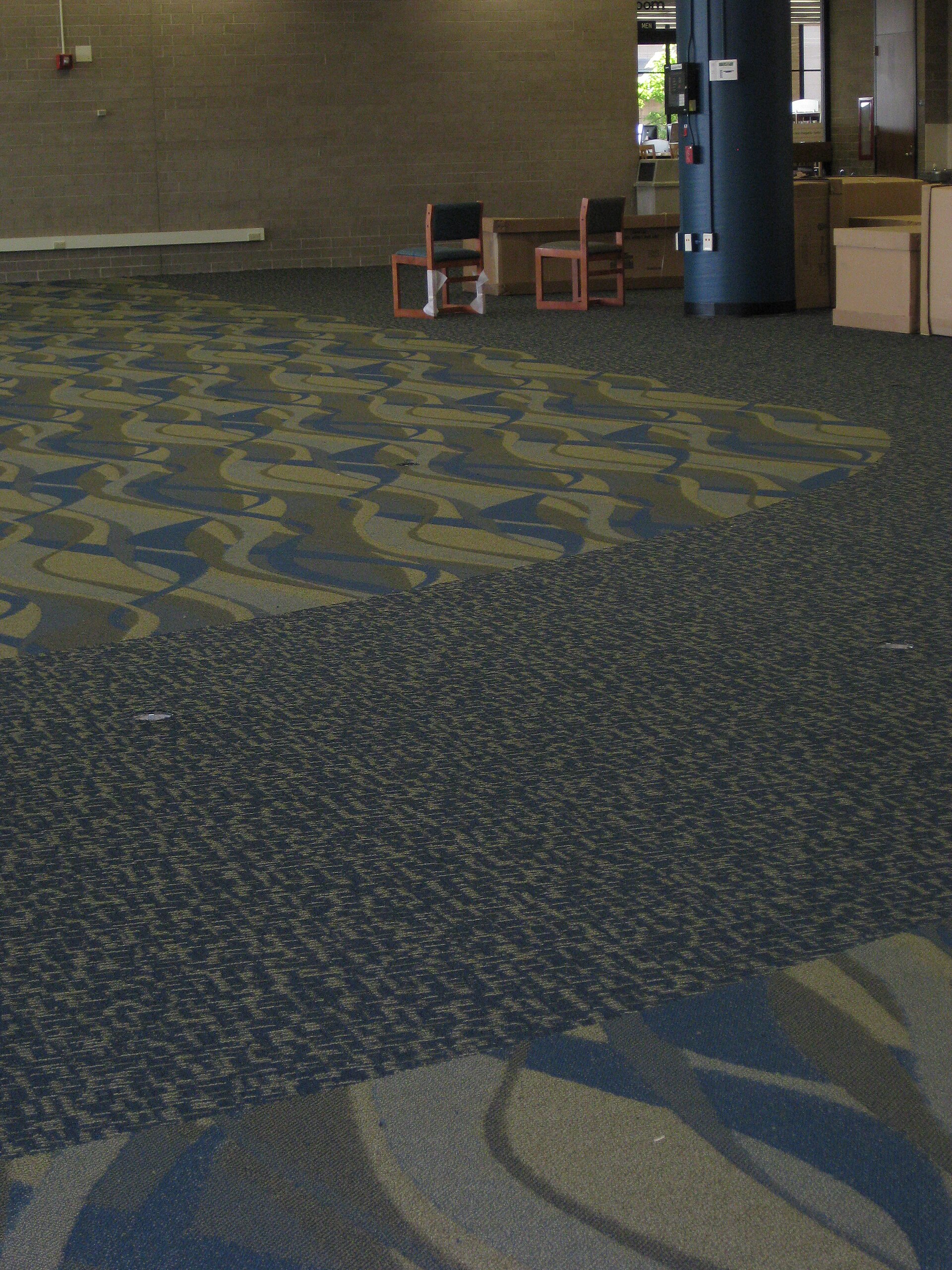
The first carpet EPR programme in the US now runs 174 drop-off sites and recycles 78.5 million pounds a year. It is also a lesson in how slowly EPR moves.
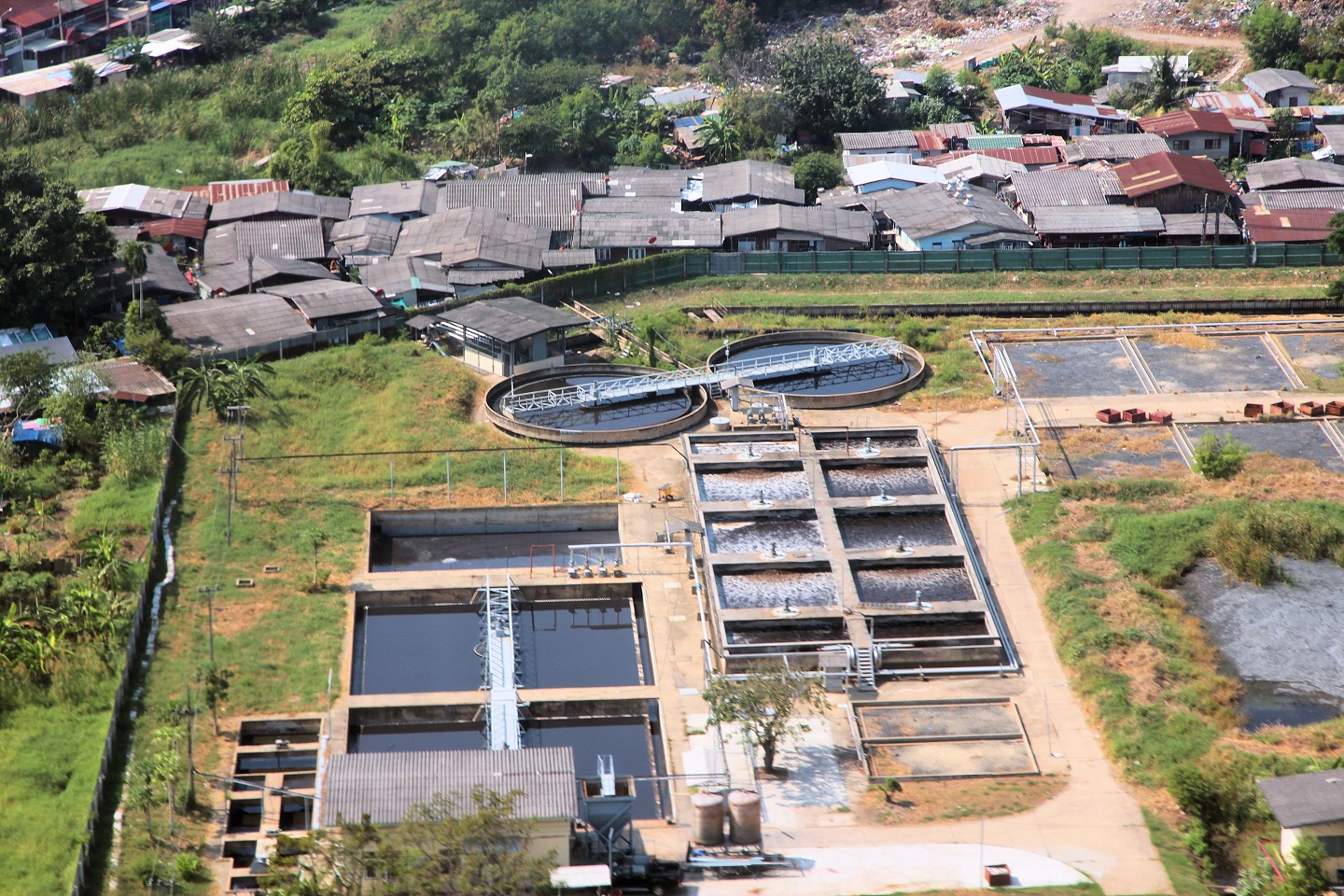
Temple and NJIT researchers built a treatment cell that generates seven times more electricity than it consumes while recovering struvite. At bench scale.
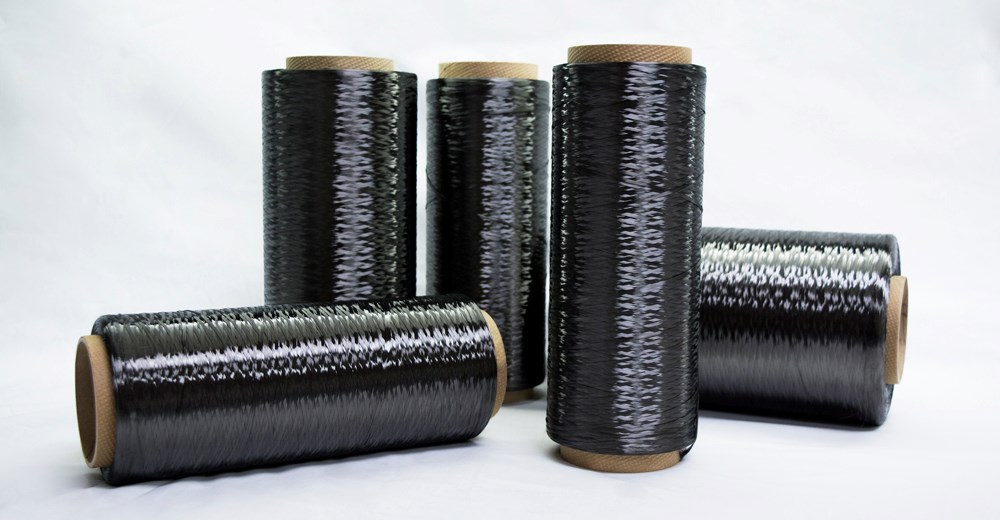
pDCPD is a cross-linked thermoset with no recycling route. A ruthenium catalyst and a stirred solvent take it apart - and leave the carbon fibre intact.
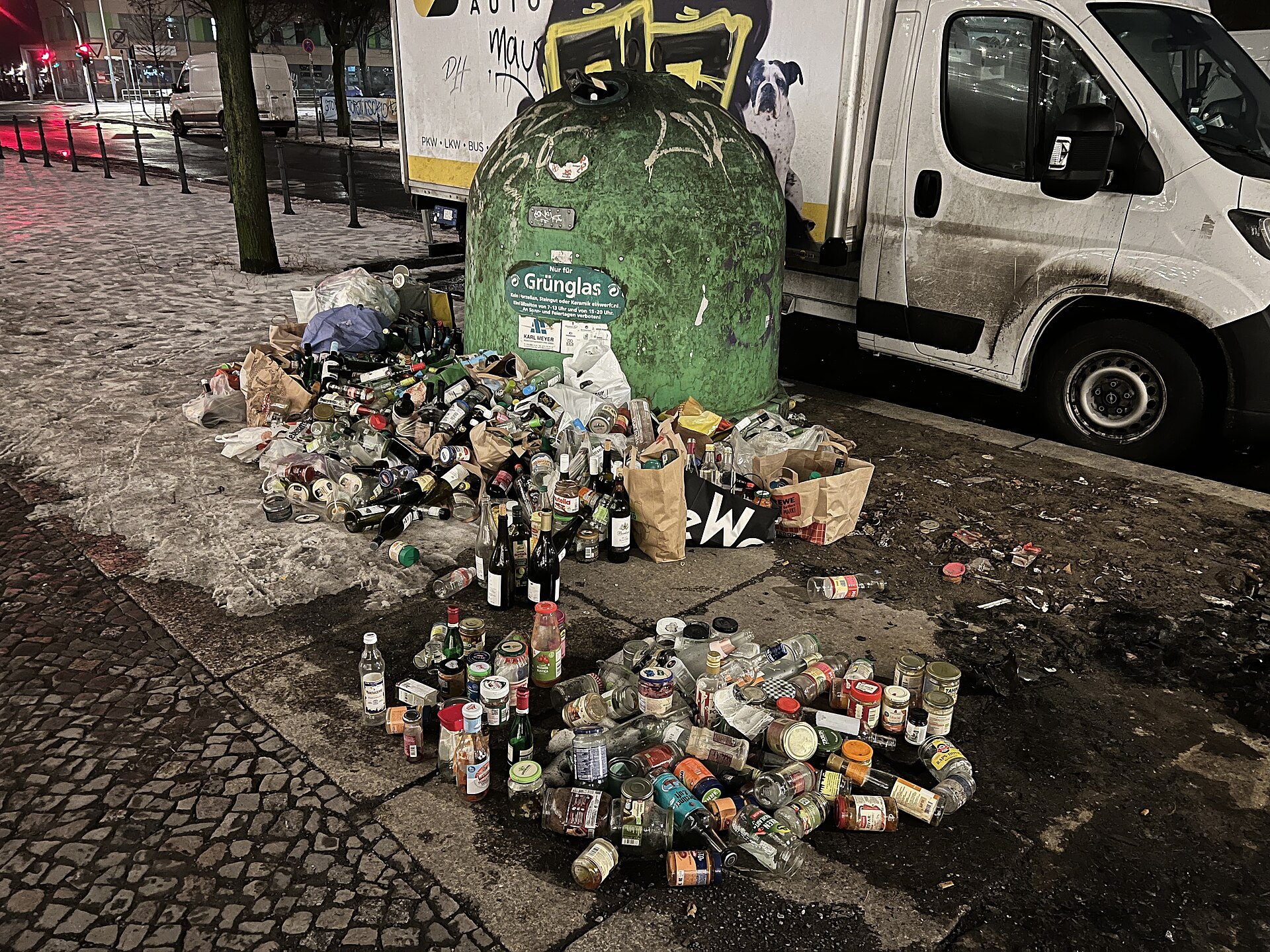
For decades half of Quebec's curbside glass was buried as landfill cover. A $20M optical-sorting upgrade finally gets it clean enough for the furnace.
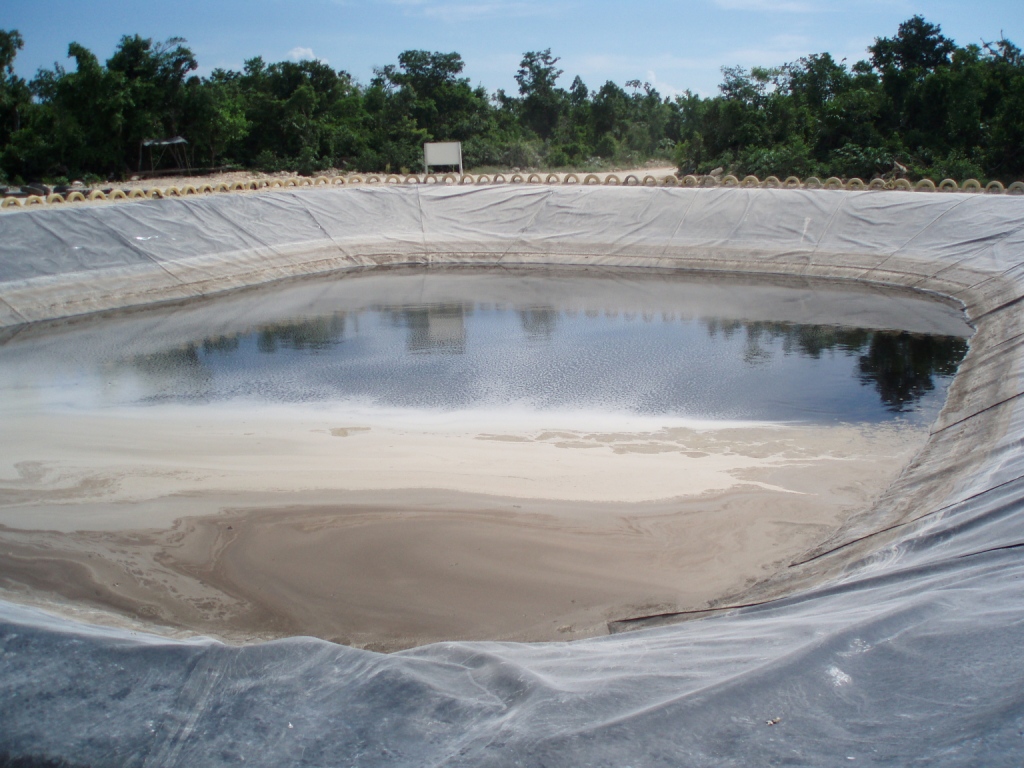
Rain moves through buried waste and comes out carrying PFAS. Municipal wastewater plants were never designed to remove it. New York proposes making landfills do it on site.
A Danish team found a bacterial enzyme that cleaves untreated polyurethane foam and nylon with no pretreatment. Three days of it removed 1.4 percent of a shoe sole.
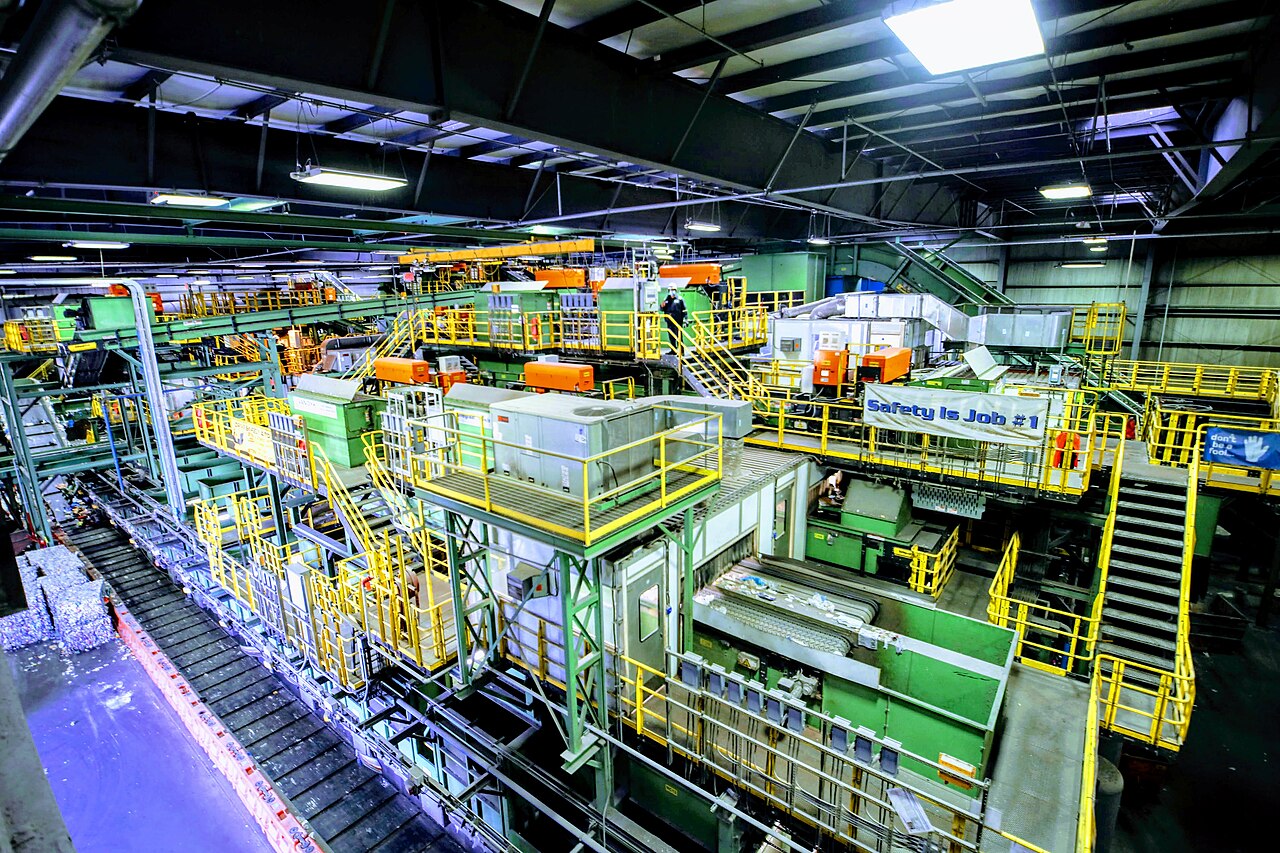
Litech mounts a flat sensor beneath an existing conveyor and reads magnetic signatures every millisecond, aiming to flag concealed lithium cells before they reach the shredder. The mechanism is elegant. The numbers are missing.
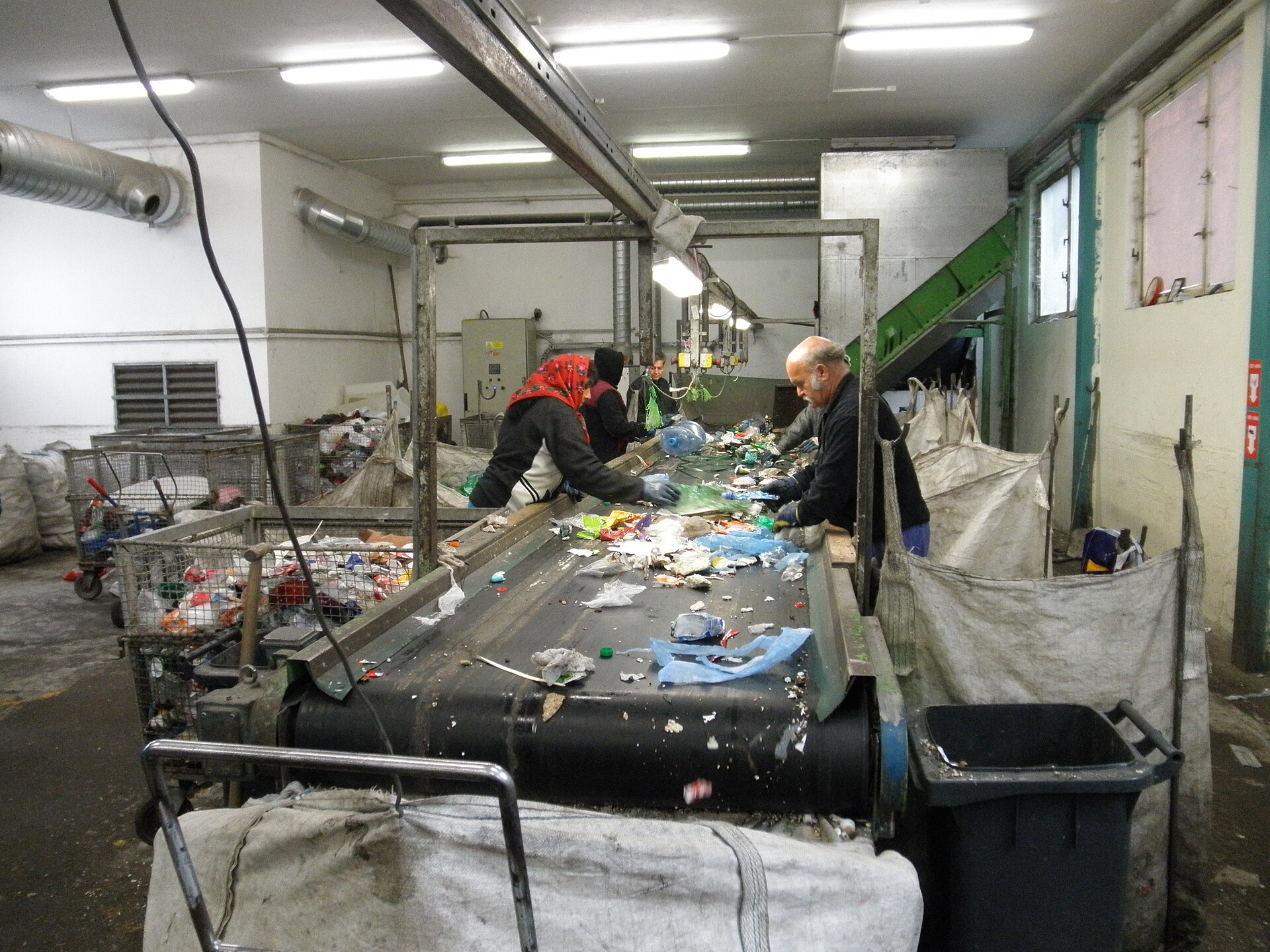
Near-infrared sorters are blind to black plastic and confused by multilayer film. Terahertz sensing sees through both. The physics is real; the belt speed and the detector price are not there yet.
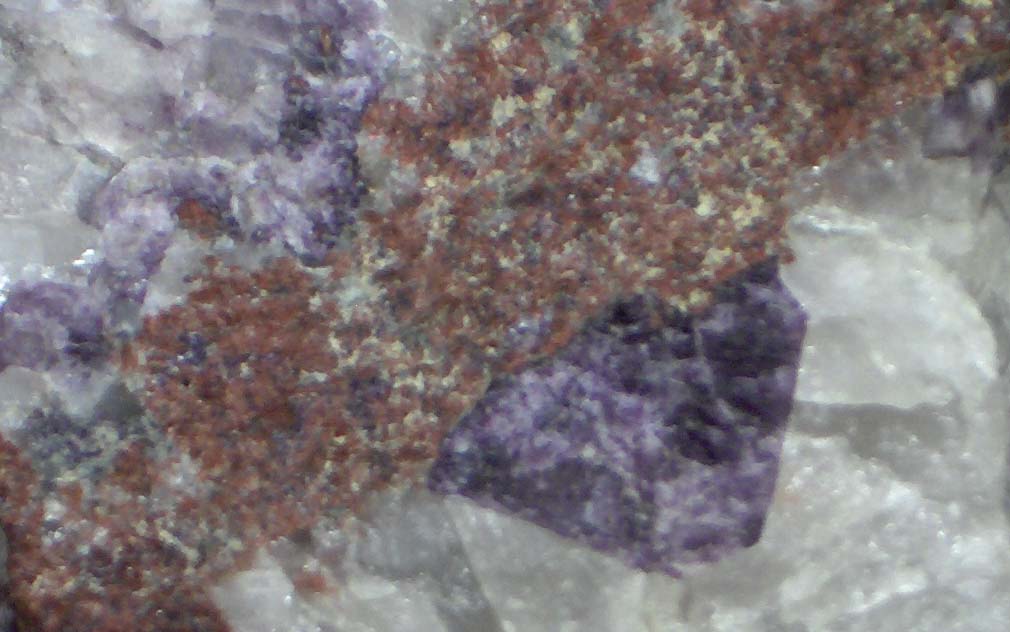
Recovering neodymium and dysprosium from used magnets has been technically demonstrated many times over. Almost none of it happens, and the reason has nothing to do with metallurgy.
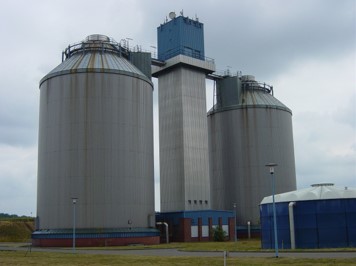
Japan's AIST reports a two-stage anaerobic digestion design that keeps acid production and methane production in separate vessels. The concept is decades old; the claim is that this configuration holds up at high loading.
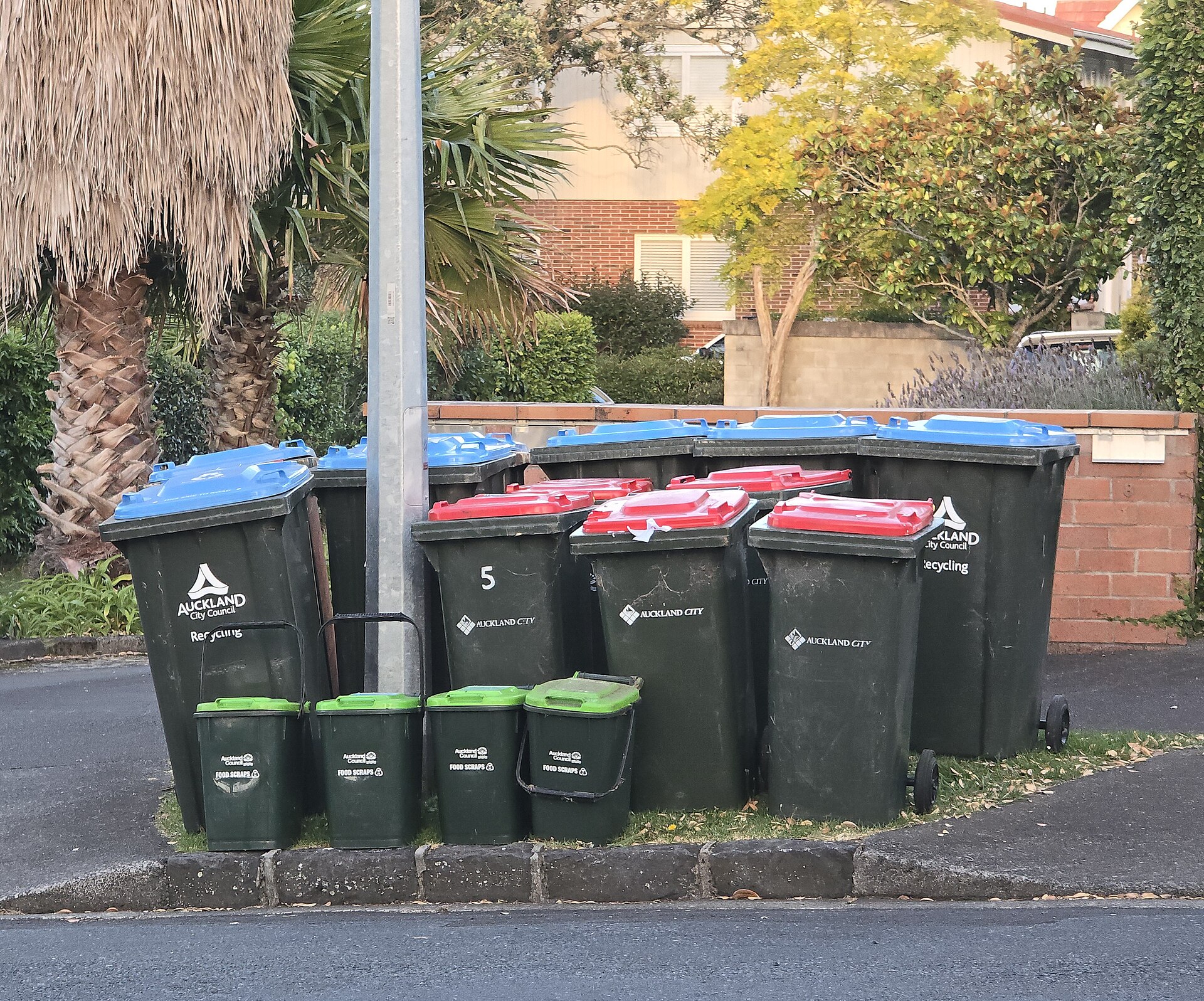
A Chinese research group reports converting food waste into single-cell protein using salt-tolerant marine microorganisms. The salt tolerance is a genuine engineering advantage. Feed approval is where this stalls.
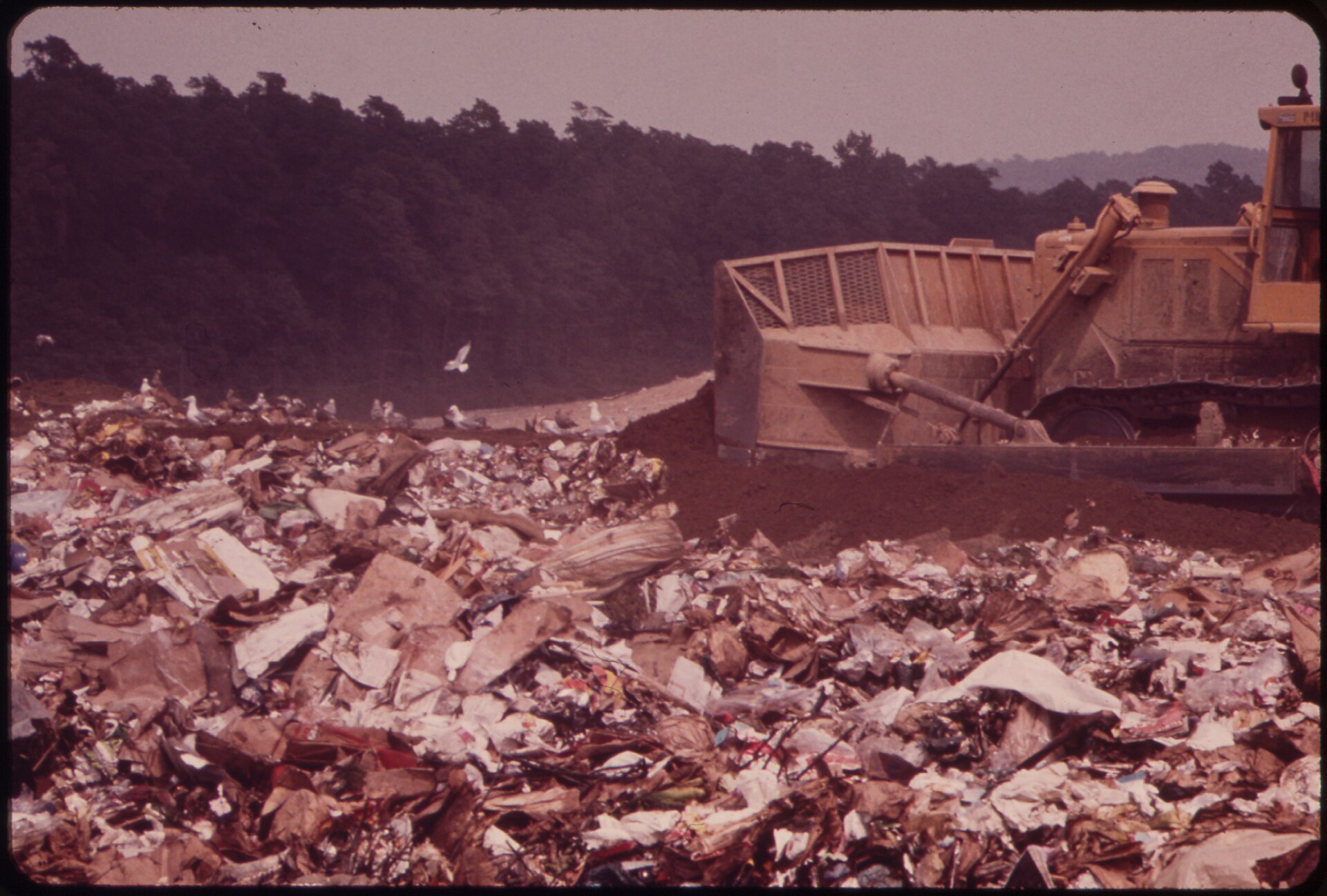
Orbital spectrometers have found large landfill methane plumes that operators reported as far smaller. The measurement gap is now well documented; the enforcement and engineering response is not.
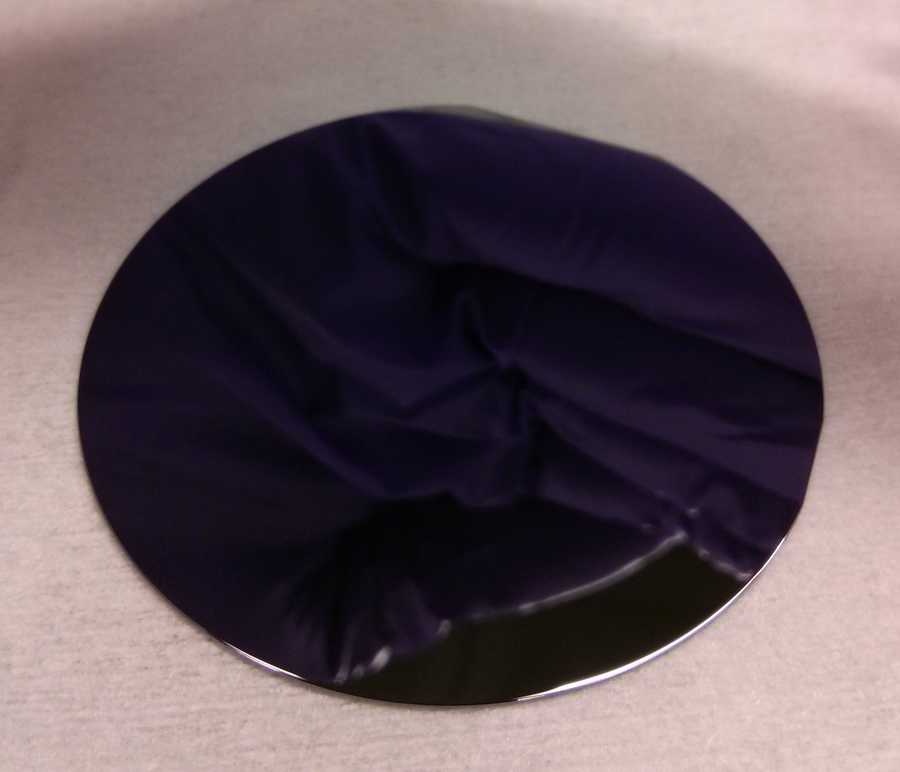
Siderophores bind metals with extraordinary selectivity because bacteria evolved them to scavenge iron. Repurposing that chemistry for gallium and rare earths in e-waste is elegant, and the cost per gram is the whole question.
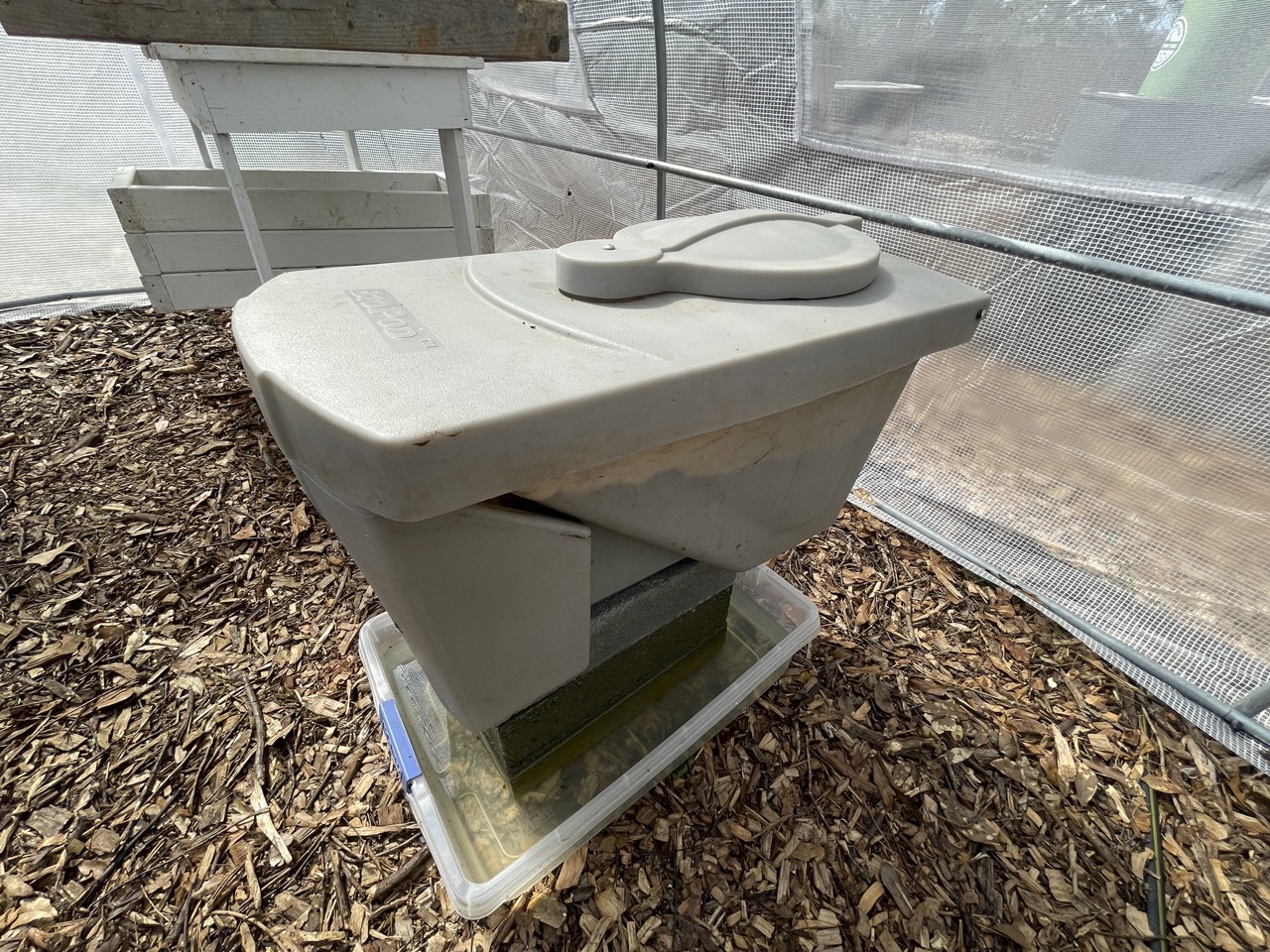
Larvae turn organic waste into protein in about two weeks with high conversion efficiency. Whether that protein can legally be fed to anything is decided by regulation, not by biology.

Crushed concrete reacts with CO2 to form calcium carbonate. Done deliberately, that upgrades recycled aggregate and stores a modest amount of carbon — and the modest part is where most reporting goes wrong.
Three ions that a treatment plant desperately wants gone will, under the right conditions, snap together into a crystal worth selling. The same crystal also destroys the pipes. Here is the mechanism.
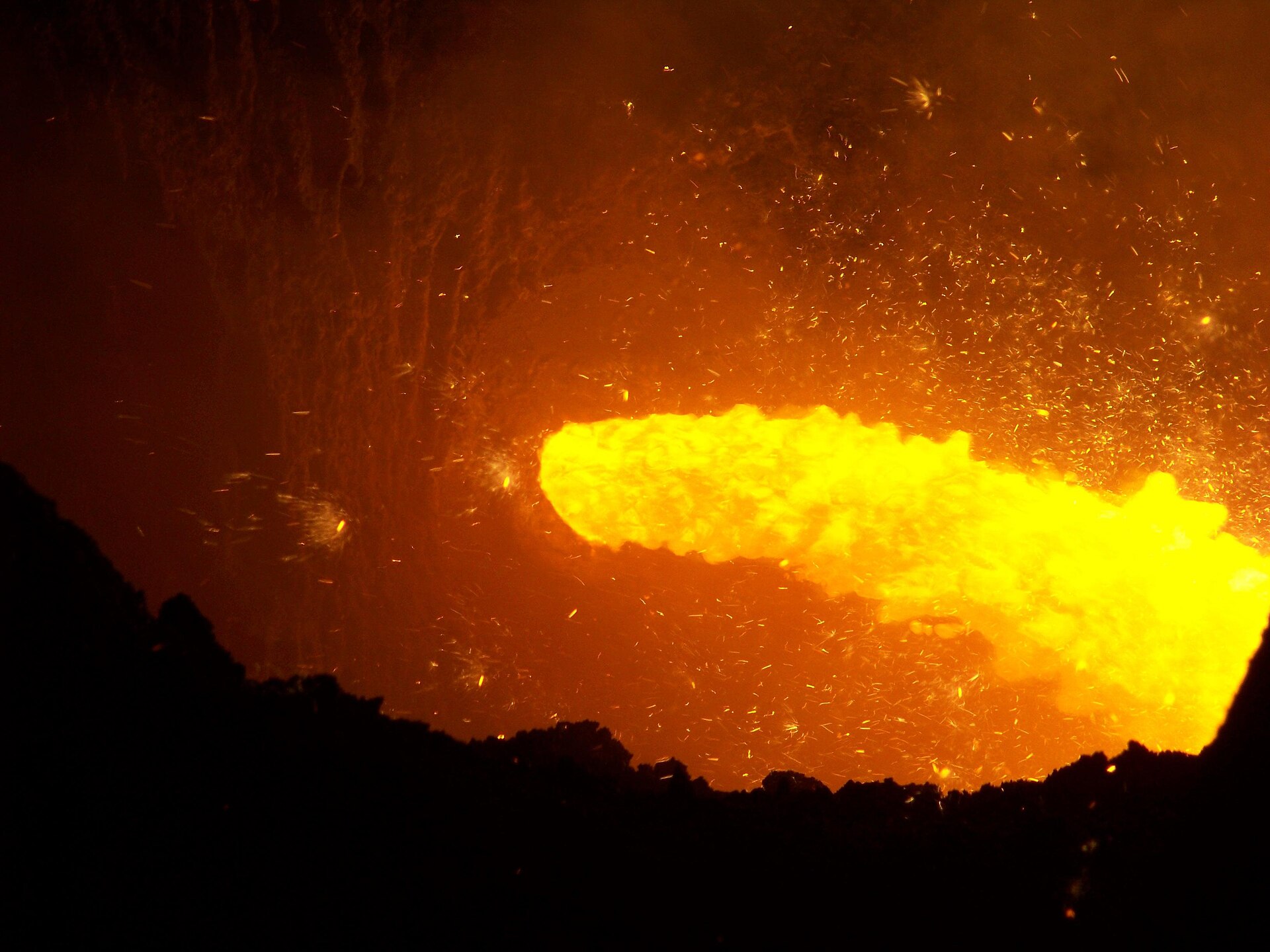
Replacing metallurgical coal with pyrolysed biomass is chemically straightforward and physically constrained. The binding limits are biomass supply and the crush strength of the char, not the reduction reaction.
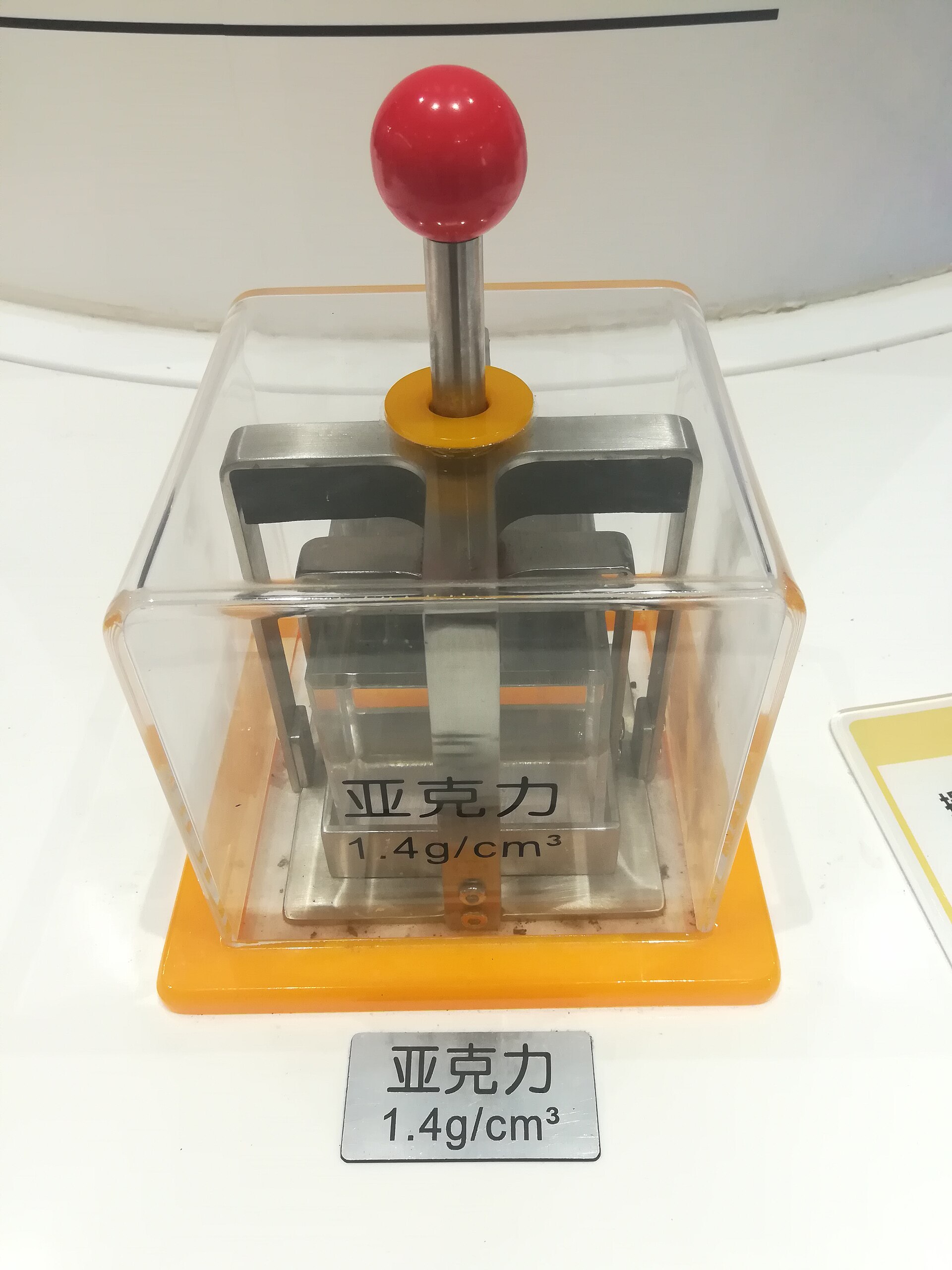
PMMA depolymerises back to its own monomer at high yield with nothing more exotic than heat. It is the clearest existing example of true chemical recycling — and the reason it stays rare is collection, not chemistry.
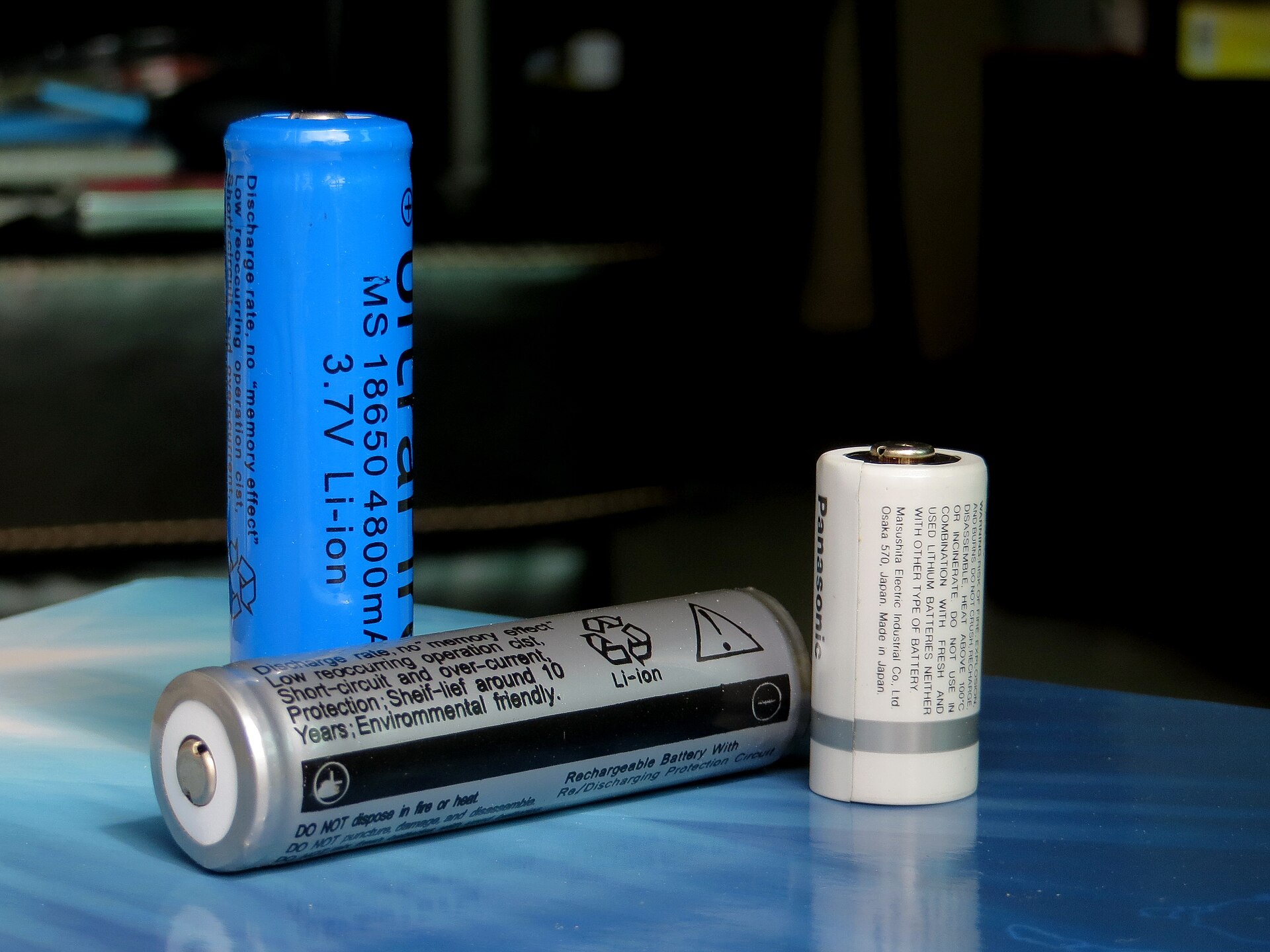
Conventional battery recycling dissolves cathodes in hot mineral acid. Microwave-assisted leaching in a deep eutectic solvent does the same job at lower temperature, in minutes, with a solvent you can in principle reuse.
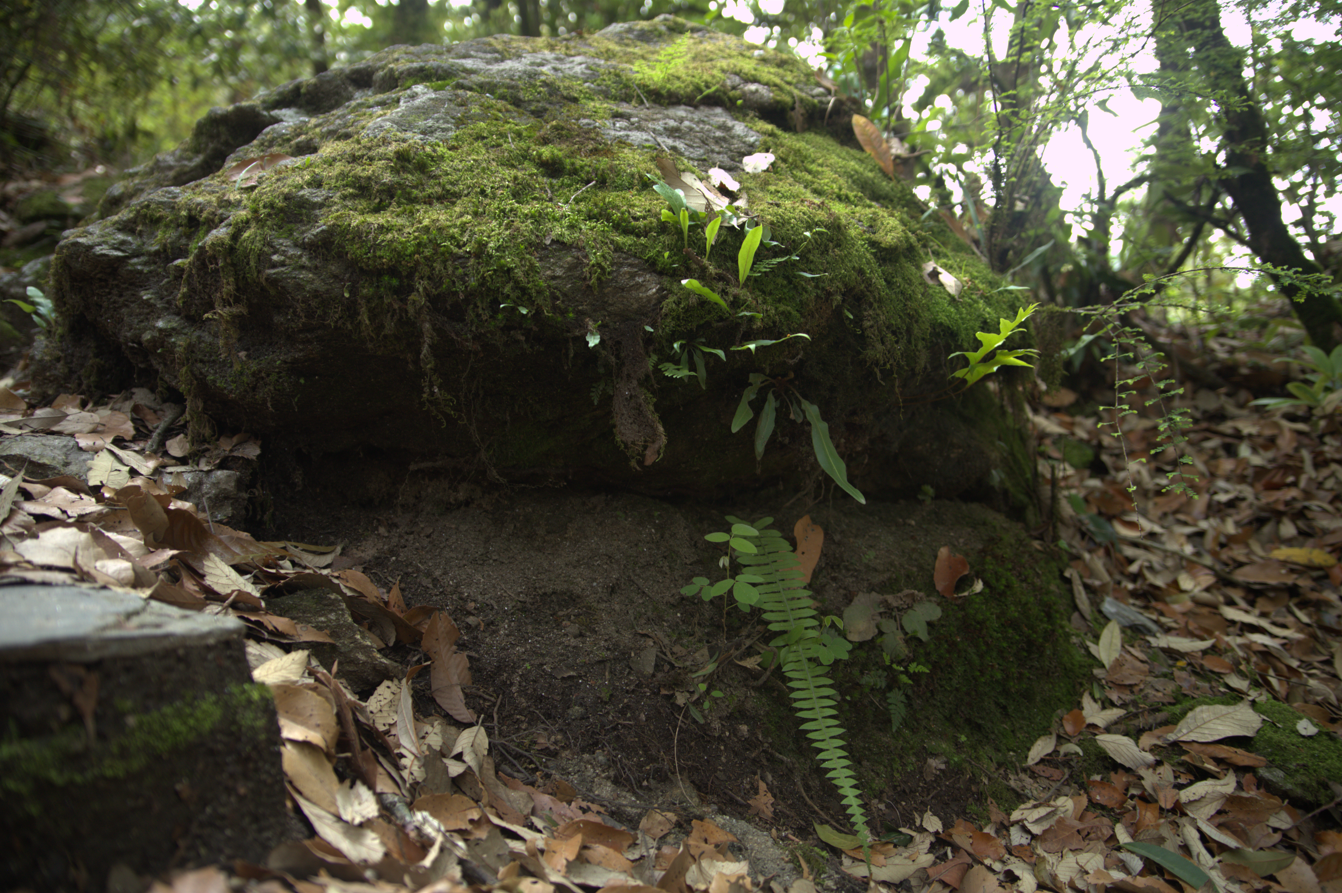
A soil-derived enzyme called LCPH1 breaks down long-chain polyester bioplastics and cleaves the penicillin beta-lactam ring. It is much better at the second job than the first, which is the detail worth sitting with.
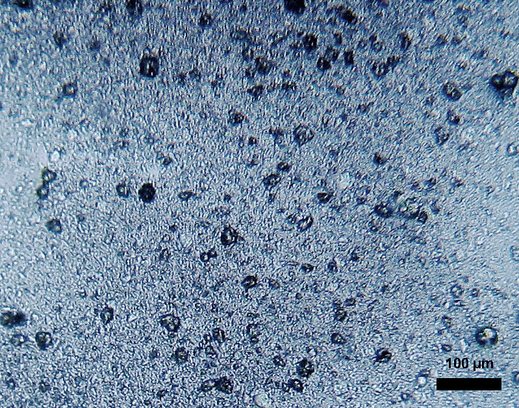
A magnetically driven MXene microrobot removes most microplastic particles from water and rather less from soil. The recovery figures are real; the retrieval and leaching questions are the ones that decide whether it ever leaves the lab.