
"Compostable" does not mean backyard-compostable
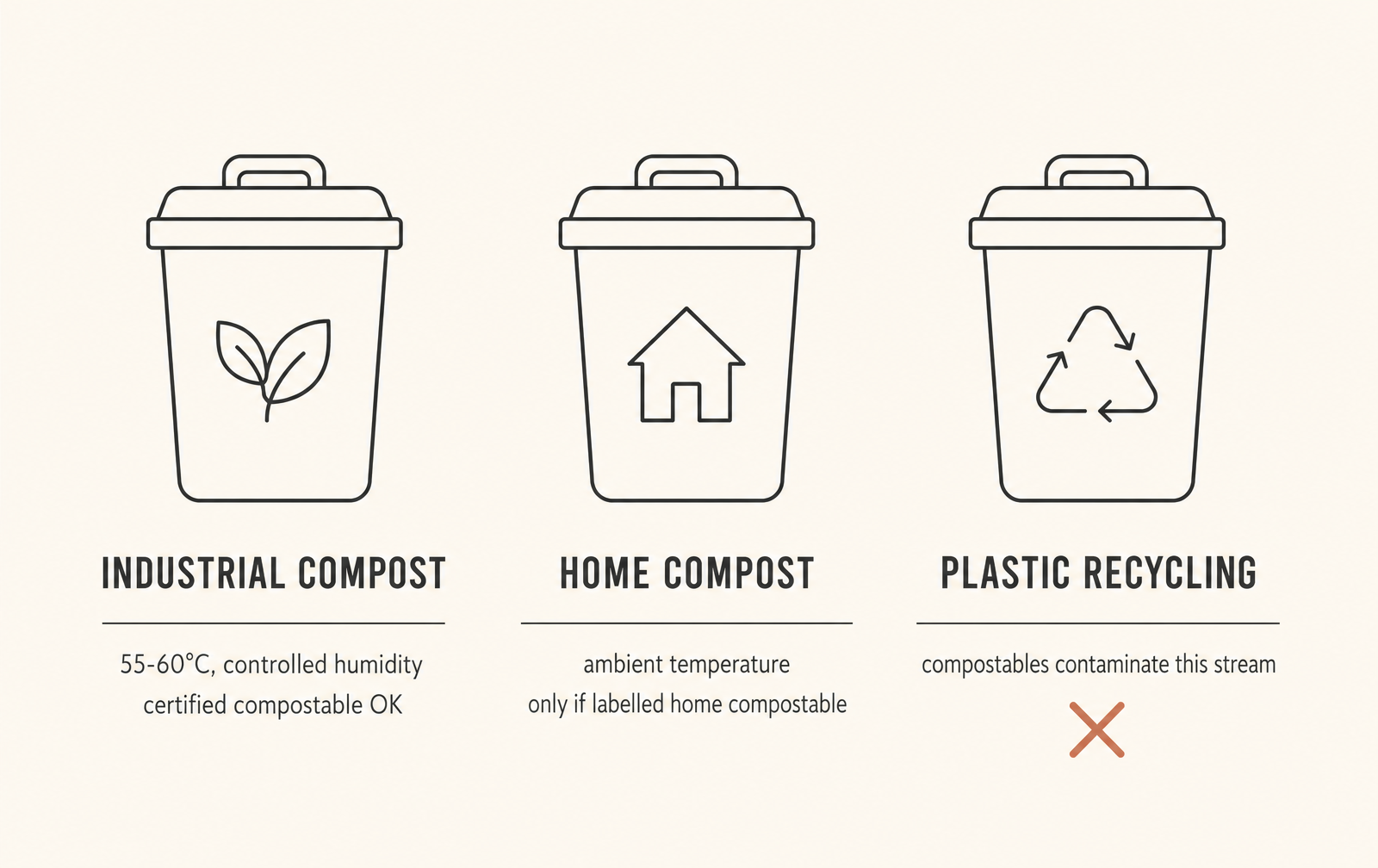
A compostable label describes how a product behaves under specified industrial conditions. It is not a promise that your compost heap, or your recycling bin, can handle it.
Compostable packaging gets treated as a universal disposal solution: if it says compostable, it must break down anywhere, and if it looks like plastic, surely the recycling bin will take it. Both halves of that are wrong, and the second one causes measurable damage.
A product labelled "compostable" will break down in a backyard pile, and can go in the plastic recycling bin.
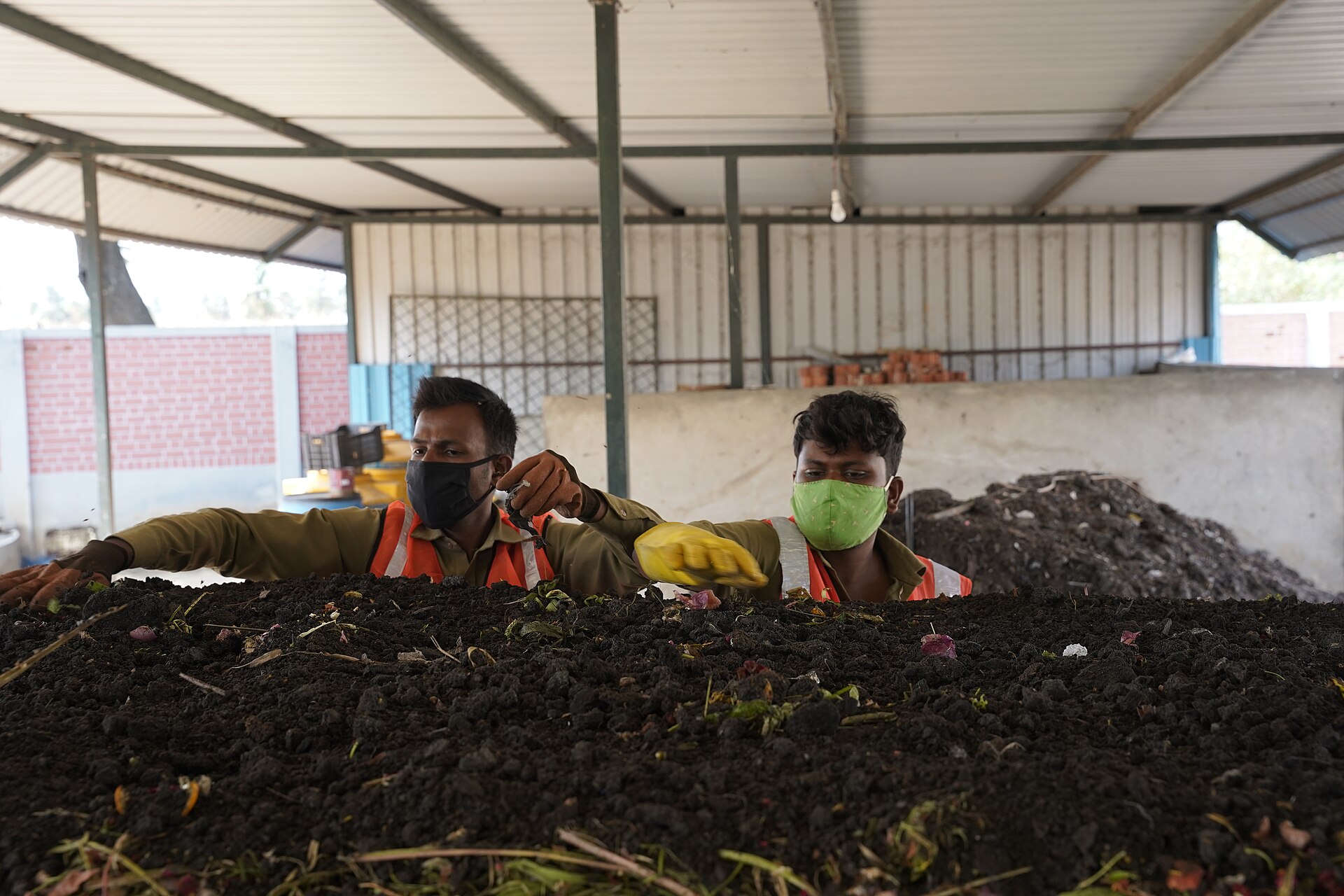
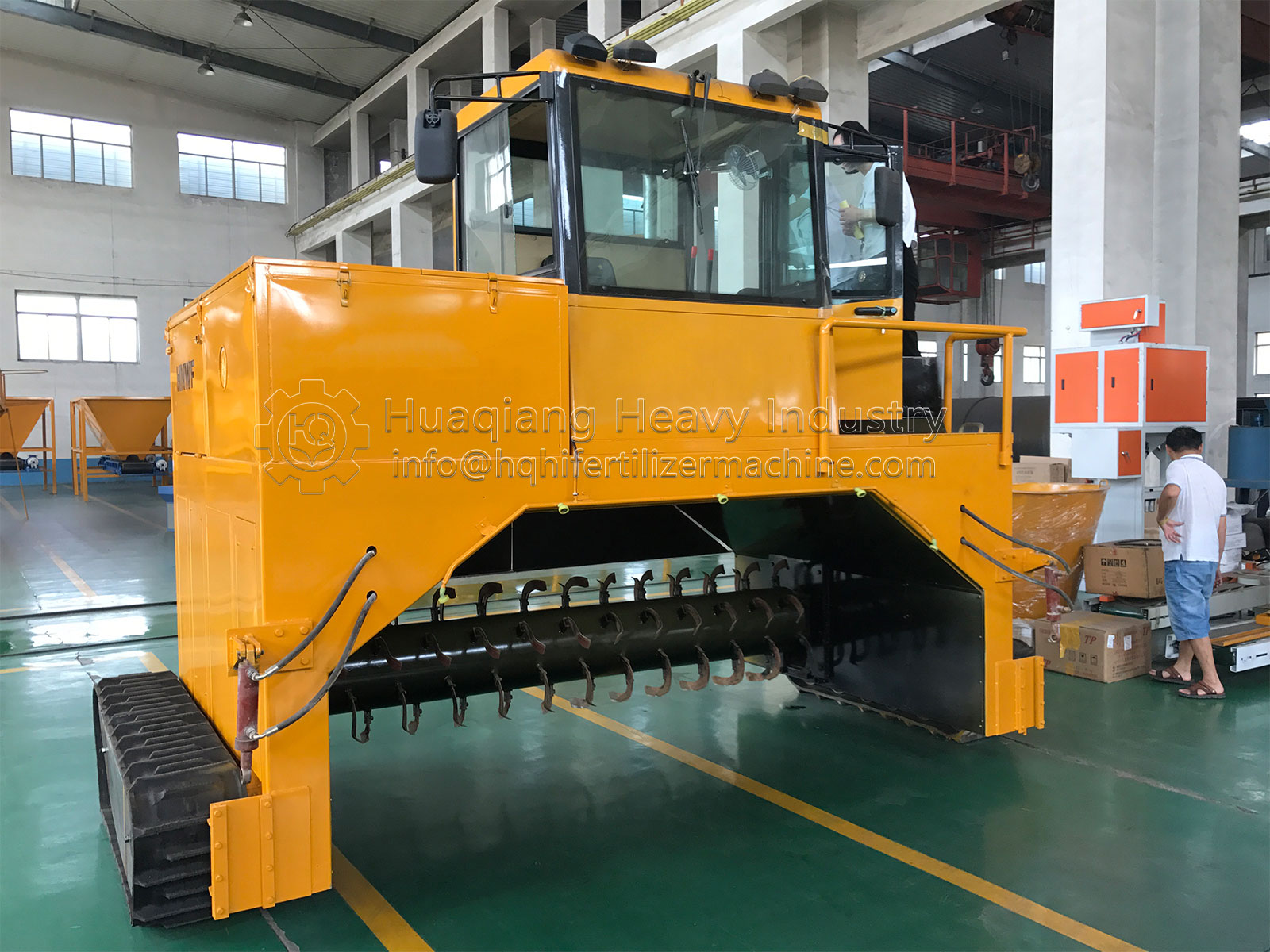
Commercially compostable plastics are generally designed for industrial or commercial composting facilities, which provide higher temperatures, controlled humidity and different processing conditions than a home compost system.
What the label actually certifies
EPA guidance sets the bar for commercially compostable products: they should break down within six months and leave no toxic residue that harms the finished compost. That is a performance specification measured under defined facility conditions — not a claim that the item degrades in any environment it happens to land in.
If it is compostable, it is at least recyclable as a plastic.
Compostable plastics should not go into plastic recycling. EPA says they can contaminate and disrupt the conventional plastics stream.
The backyard question
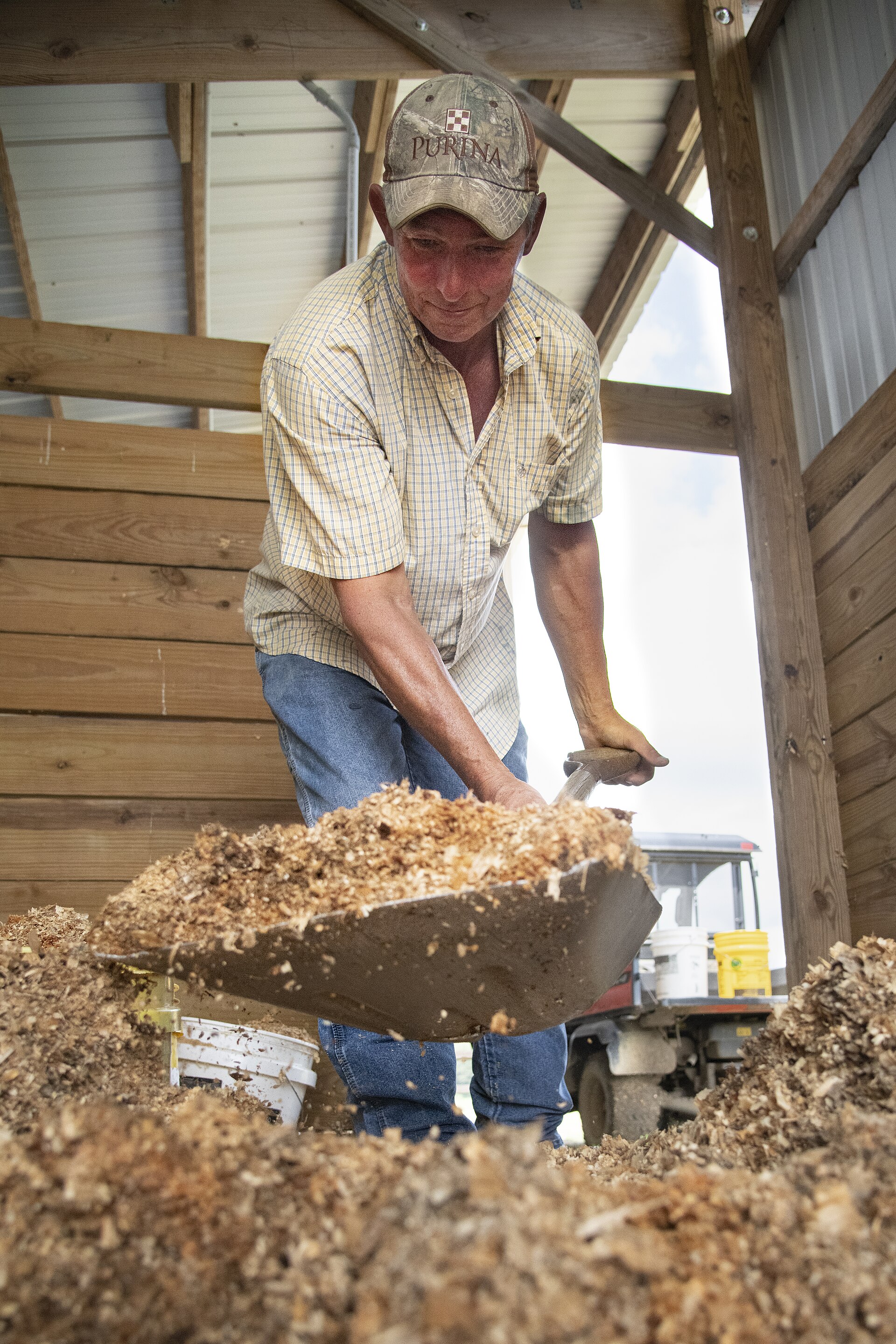
Unless the label specifically says "home compostable", the item does not belong in a backyard pile. There are currently no ASTM standard test methods for evaluating home compostability — so for most products, nobody has tested the claim you would be relying on.
Where the label does its job
Where the right industrial infrastructure exists, certified compostable packaging genuinely works: it goes out with organics and ends up in finished compost rather than sitting in a plastics bale as contamination.
Where it does not
A compostable label describes product performance under specified conditions. It does not guarantee acceptance by your local facility. Without compatible collection and processing, the item offers little practical advantage over conventional packaging — and if it gets tossed into recycling instead, it makes the plastics stream worse.
References and image credits›
- 01U.S. EPA — Frequently Asked Questions about Plastic Recycling and Composting
- 02U.S. EPA — How Do I Recycle Common Recyclables?
CC BY-SA 4.0 via Wikimedia Commons · USDA NRCS, public domain