
Turn phenols into a solid: the wastewater electrode that recovers pollution
Most advanced oxidation burns a pollutant down to CO2. A new iodine-shuttling anode does the opposite: it stitches phenols together into an insoluble solid you can filter out.
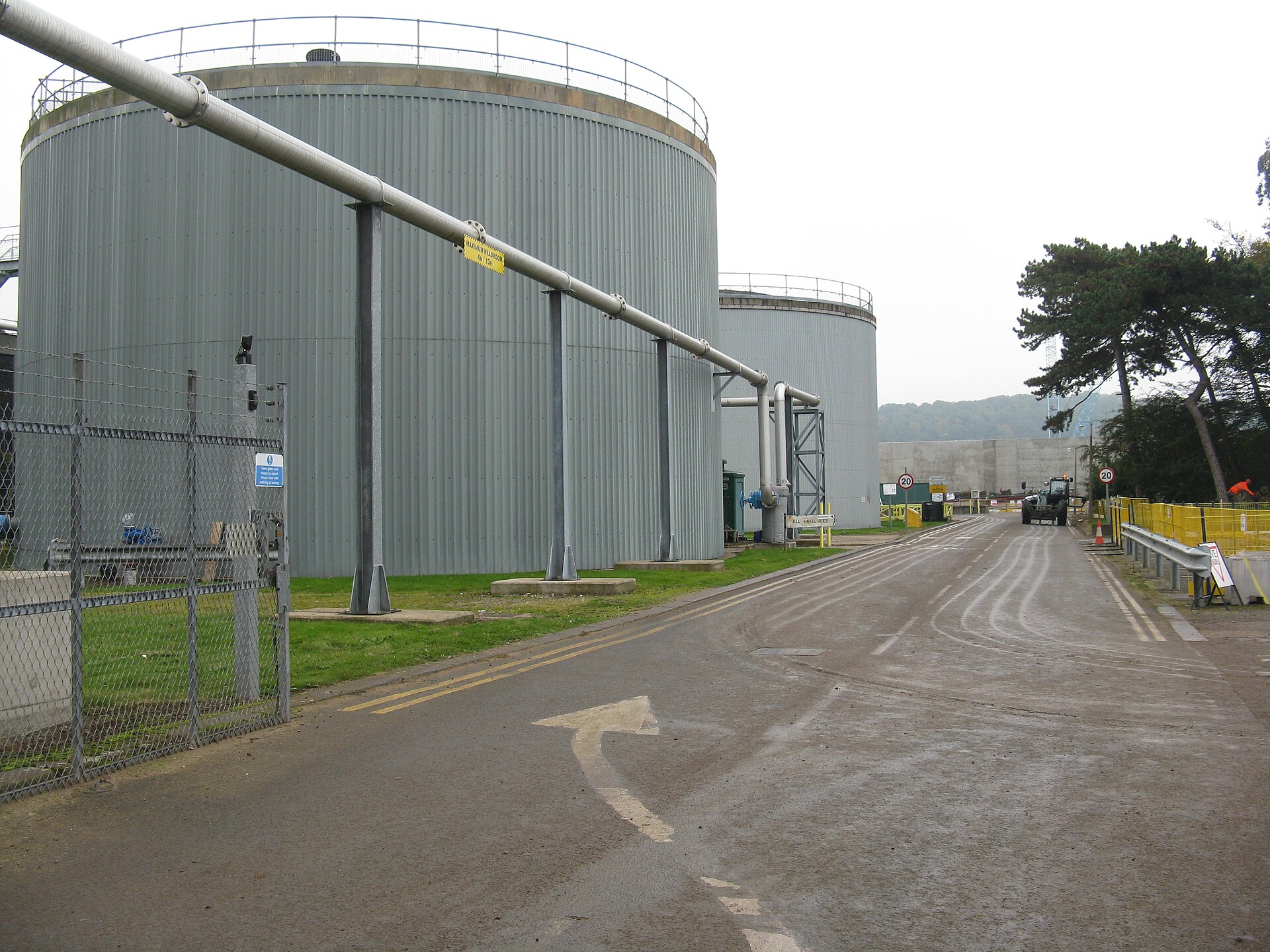
Advanced oxidation has one instinct: destroy the molecule. Hydroxyl radicals attack anything organic in the water and keep attacking until what is left is carbon dioxide. It works, it is indiscriminate, and it spends energy turning a carbon atom you paid for into a gas.
A team at HKUST reported a different instinct in Nature Communications: let the pollutant become a solid.
The electrode does the sorting before the chemistry starts
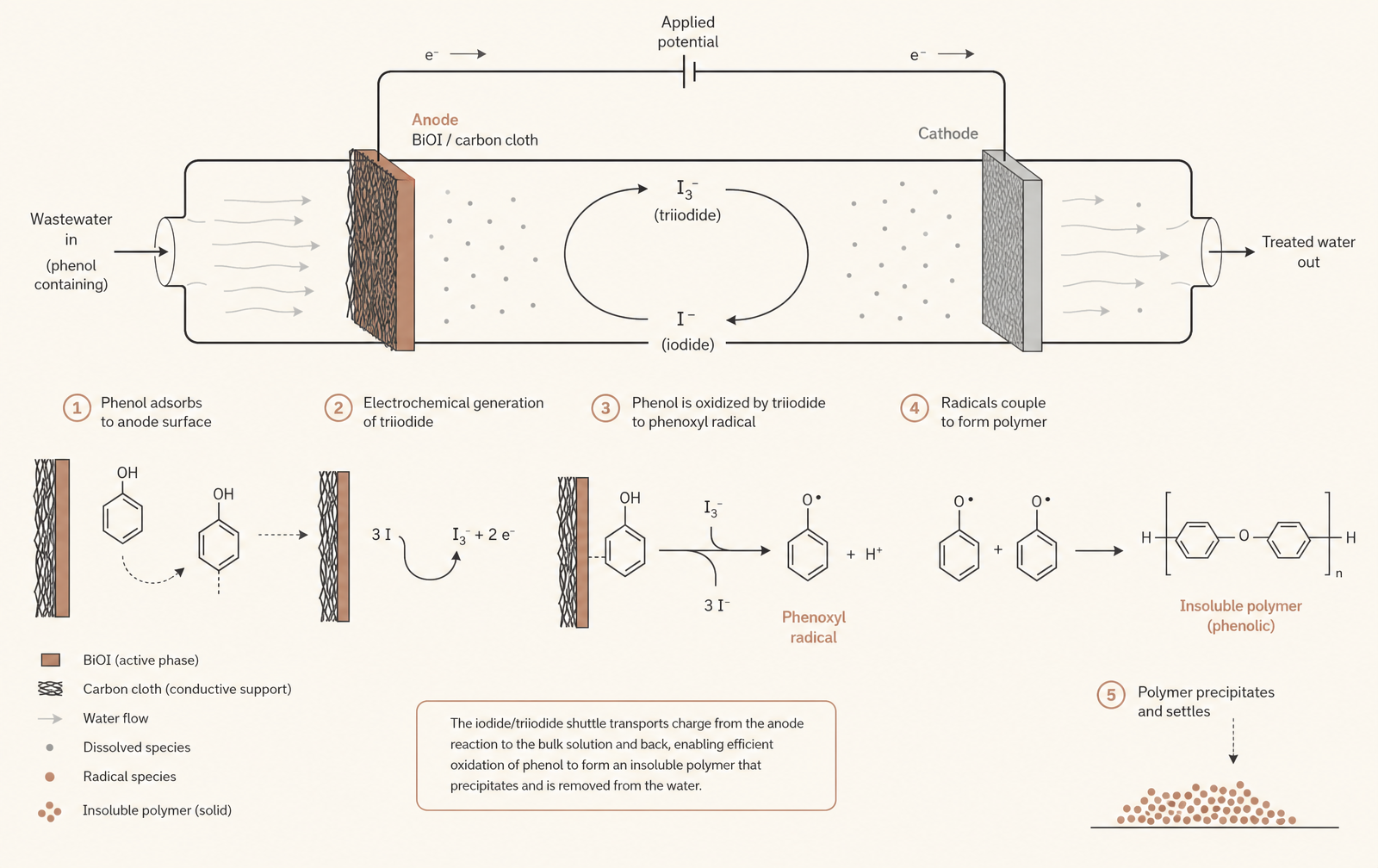
The anode is bismuth oxyiodide, enriched with iodine, coated onto plain carbon cloth. The coating has an affinity for phenolic hydroxyl groups: phenols attach to the surface through a hydrogen-bond-like interaction rather than simply drifting past in the bulk.
That is the quiet part of the design. Selectivity in water treatment usually has to be bought later, with membranes or sorbents. Here it happens at the electrode surface, before any electron moves. The pollutant is concentrated exactly where the reaction will occur, and everything else in the water stays in the bulk.
The iodine shuttle carries an electron and a proton
Apply a mild bias and iodine cycles between iodide and triiodide. That couple is the working part of the system: it acts as a shuttle that pulls one electron and one proton off the adsorbed phenol.
No hydrogen peroxide, no persulfate, no ozone. The oxidant is generated and regenerated in place, which is why the authors describe the system as oxidant-free.
A radical that is allowed to couple, not to burn
Stripping the electron and proton leaves a phenoxyl radical. In a conventional advanced oxidation process that radical would meet a hydroxyl radical and keep breaking down.
Here it mostly meets another phenoxyl radical. The radicals couple, largely through an ortho C-O pathway, and build up into larger molecules that are no longer soluble. What was dissolved contamination becomes a separable solid.
What the numbers actually say
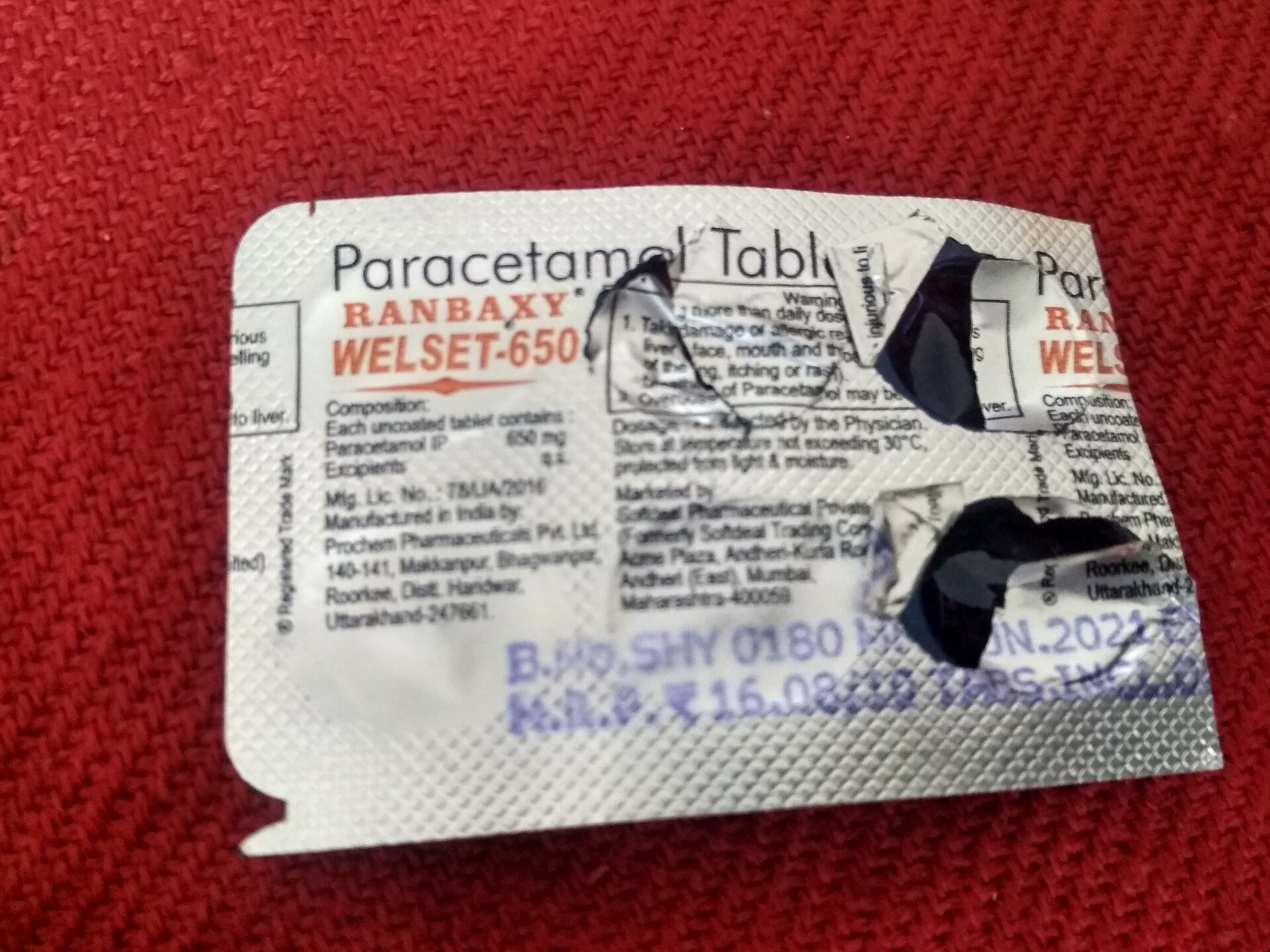
The tests used acetaminophen, one of the most commonly detected pharmaceutical residues in treated water.
The electrode was also regenerated and kept above 96% acetaminophen removal across four cycles. On energy, the paper reports 2.93 kWh per kilogram of TOC removed and an estimated operating cost of about $0.30 per kilogram of TOC removed under its own study assumptions.
Where this stops being a solved problem
This targets phenolic chemistry. It is not a general-purpose wastewater process, and a real industrial stream carries salts, surfactants, suspended solids and competing organics that a synthetic test matrix does not.
Polymerisation is also not the same as detoxification. The dissolved phenol is gone from the water; the carbon is now in a solid whose toxicity, stability and end use have to be demonstrated separately. A recovered product that nobody can sell or safely landfill is a sludge with better marketing.
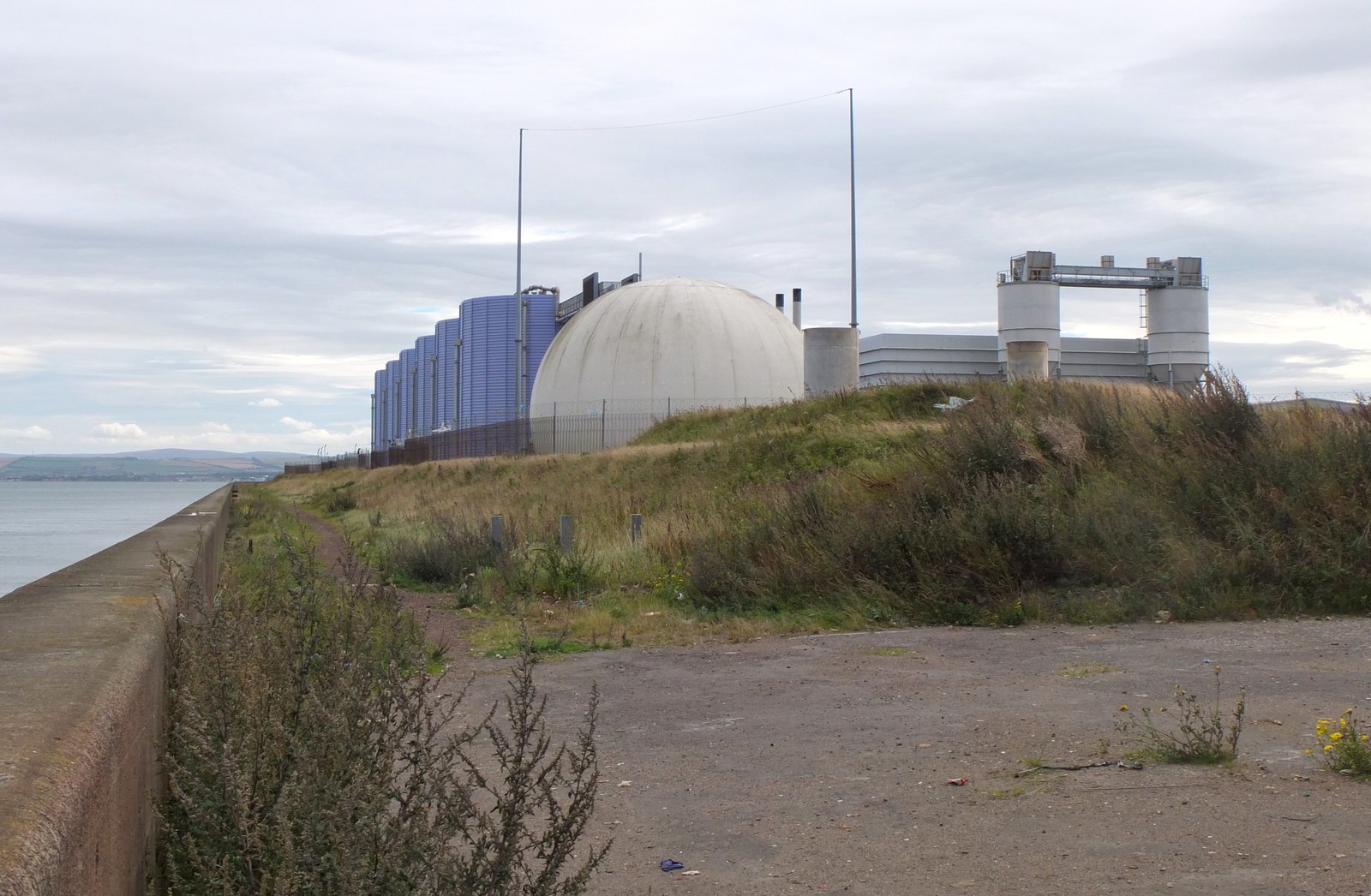
The authors are explicit about the gap: modular electrode stacks at 1-10 m3/h, three to six months of testing on variable real wastewater, and better polymer recovery and purification before anyone can judge industrial feasibility.
That is a fair ask, and it is the part of the work that will take years rather than minutes.
Worth arguing about
Would you rather a treatment plant destroy a pollutant completely, or recover it as a solid product, provided the product's toxicity and end use are proven?
References and image credits›
- 01Phys.org — Electrocatalytic method could purify wastewater by converting pollutants into recoverable polymers
- 02Nature Communications — Iodine-mediated proton-coupled electron transfer enables selective polymerization of organic pollutants in an oxidant-free electrocatalytic system
Diagram: The Waste Stack · Photo: Dineshkumar Nallaveerappan, CC BY-SA 4.0, via Wikimedia Commons · Photo: Jim Barton, CC BY-SA 2.0, via Wikimedia Commons