
Tire-to-fuels campus: breakthrough, or a press-release milestone?
Waste Energy says its Midland, Texas campus has entered final commissioning. That is a real construction milestone — and it is not the same thing as proven commercial scale.
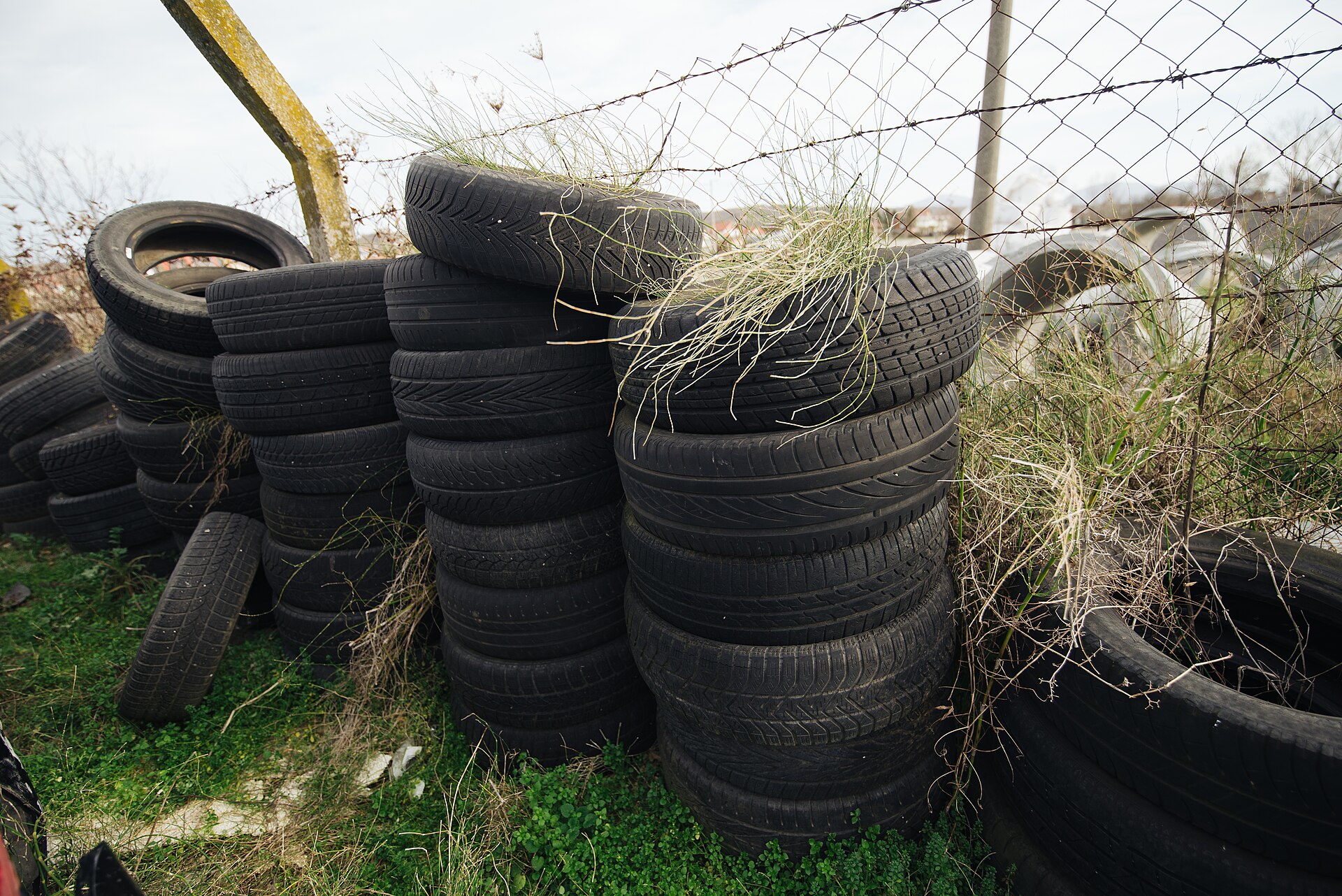
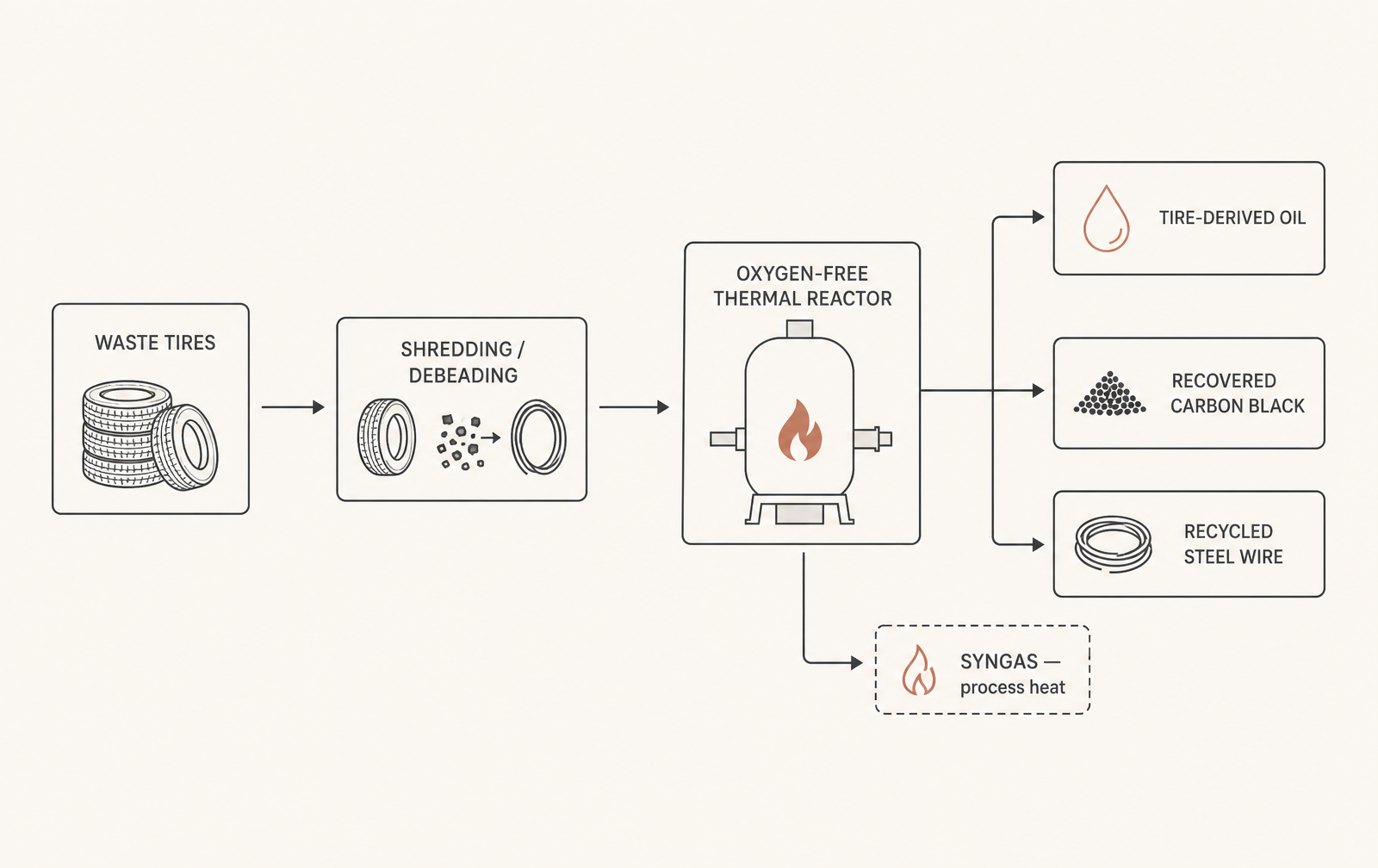
Waste Energy says its Midland, Texas waste-conversion campus has entered final commissioning, with commercial commissioning targeted for mid-September. Tires in, fuels and recovered materials out. It is a difficult waste stream and a genuinely useful thing to solve. It is also a good case study in how far a commissioning announcement actually gets you.
The claim
The company says its first commercial waste-conversion system is entering final integration, testing and startup. Planned feedstock is primarily waste tires; intended products are fuels, recovered carbon products and recyclable steel.
What looks credible
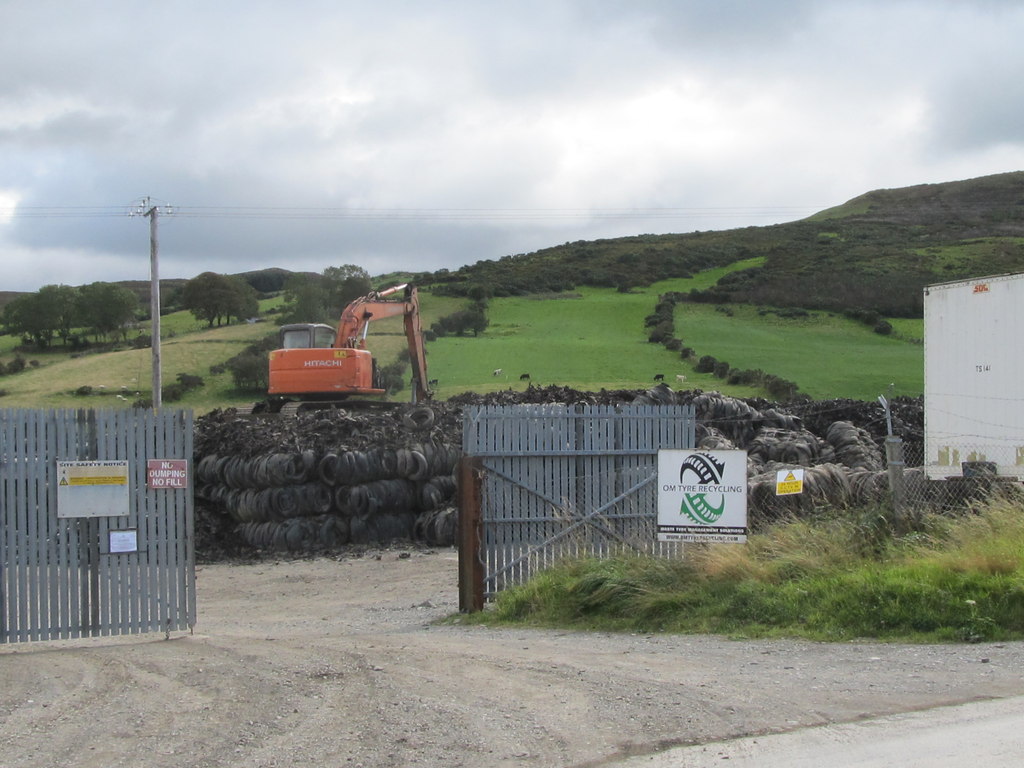
A first tire-processing system has reportedly already been placed into operation, which is more than a rendering. The target stream is a real problem: tires are bulky, persistent, awkward to landfill and expensive to manage, with a long history of stockpile fires and illegal dumping.
And the economics are at least coherent on paper. A system that genuinely produces saleable fuels, recovered carbon and clean steel wire combines landfill diversion with commodity revenue rather than depending on gate fees alone.
What remains unproven
The 30-ton-per-day, 100,000-tire and offtake figures sit in a press archive without clear publication dates or supporting technical data behind them.
The latest announcement gives no throughput, no product yields, no energy balance, no emissions data, no project capex and no guaranteed commercial-operation date.
"Final commissioning" describes equipment integration and testing. It does not describe sustained operation at nameplate capacity, which is the number that decides whether a plant is a business.
The company's own July update names the risks plainly: permitting, construction schedules, equipment integration, financing, customer demand, market conditions and operating performance. That list is honest, and it is long. The model needs both reliable feedstock and buyers willing to purchase the resulting fuels and recovered commodities — the second half is where tire pyrolysis ventures have historically failed, because tire-derived oil competes on price against conventional fuel oil and recovered carbon has to meet a spec someone will actually accept.
What would settle it
What evidence should a waste-conversion company publish before anyone calls a project commercially successful?
The public evidence currently supports "facility approaching commissioning" — not "proven, scalable circular-economy platform". The decisive proof is independently verifiable operating data: tons processed, product yields, energy consumption, emissions, downtime, and realised sales.
Watch the commissioning data, not the launch language.
References and image credits›
- 01ACCESS Newswire — Waste Energy begins final commissioning phase of its Midland waste conversion infrastructure
- 02ACCESS Newswire — Waste Energy enters next phase of operational development
- 03Waste Energy Corp. — press release archive
Geograph, CC BY-SA 2.0 · Geograph, CC BY-SA 2.0