ExplainerOctober 3, 2026
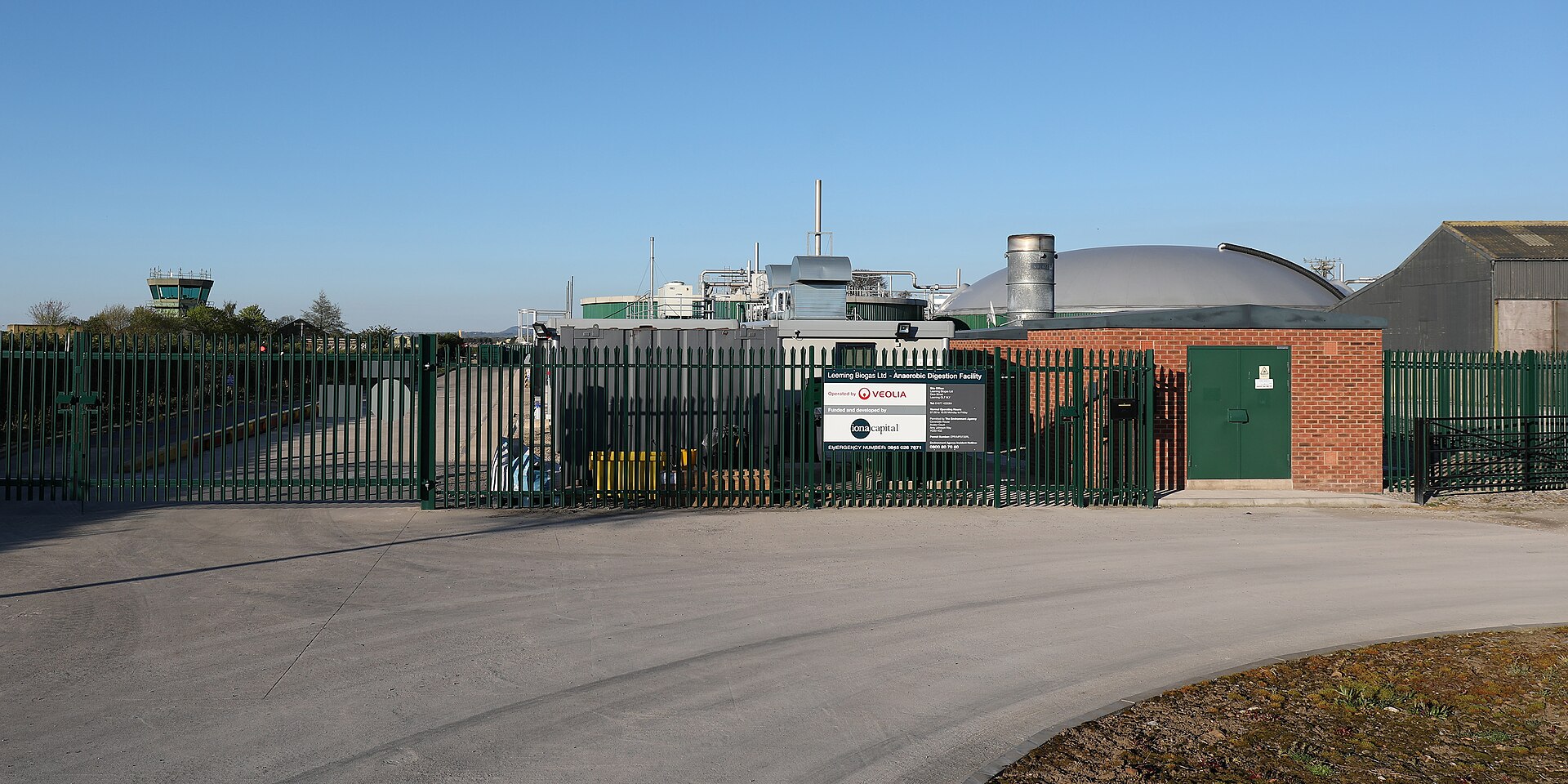
Rise Reforming’s container: biogas to syngas is only the first conversion
A modular reactor could serve stranded gas sources, but downstream chemistry, contamination and energy determine the business.

Explainers, teardowns, and myth-busting on waste management systems and green engineering.
A modular reactor could serve stranded gas sources, but downstream chemistry, contamination and energy determine the business.
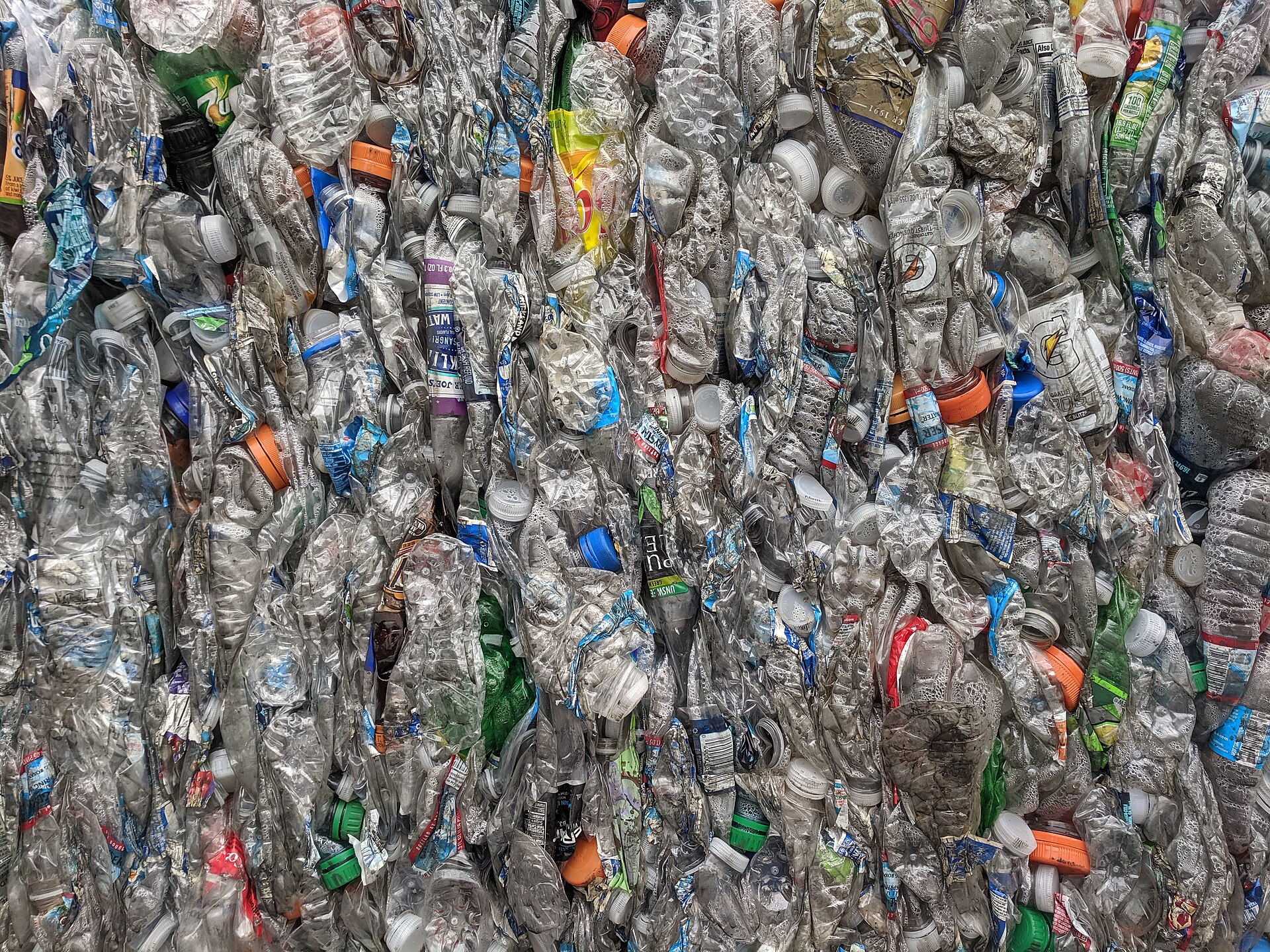
A semiconductor catches light, a cobalt–zirconium catalyst makes hydrogen, and dissolved plastic supplies the electrons. The first outdoor square-metre test works — modestly.
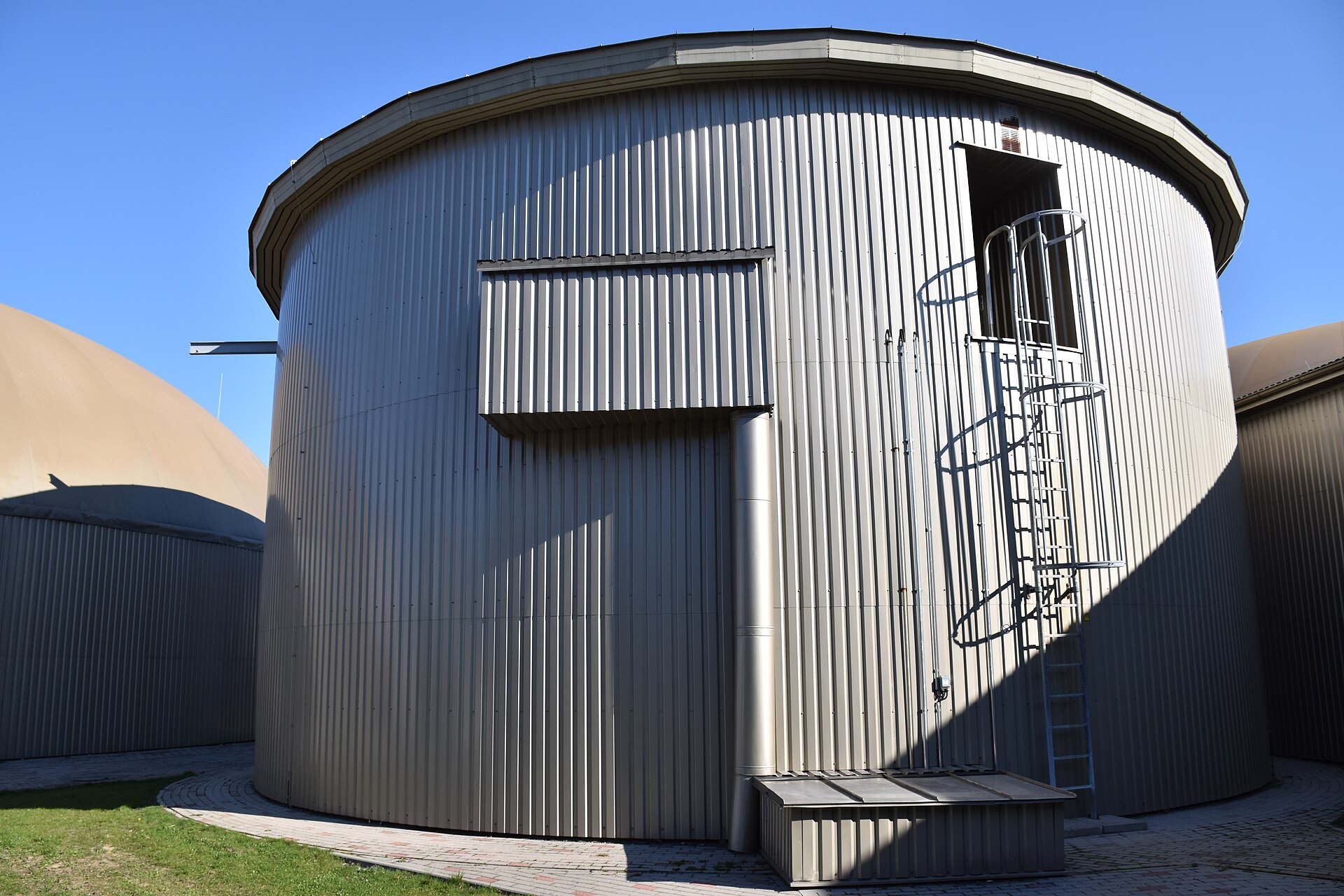
A Stuttgart process separates 92.3% of the CO2 from raw biogas using a benign solvent. Gas grids want methane above 96%.
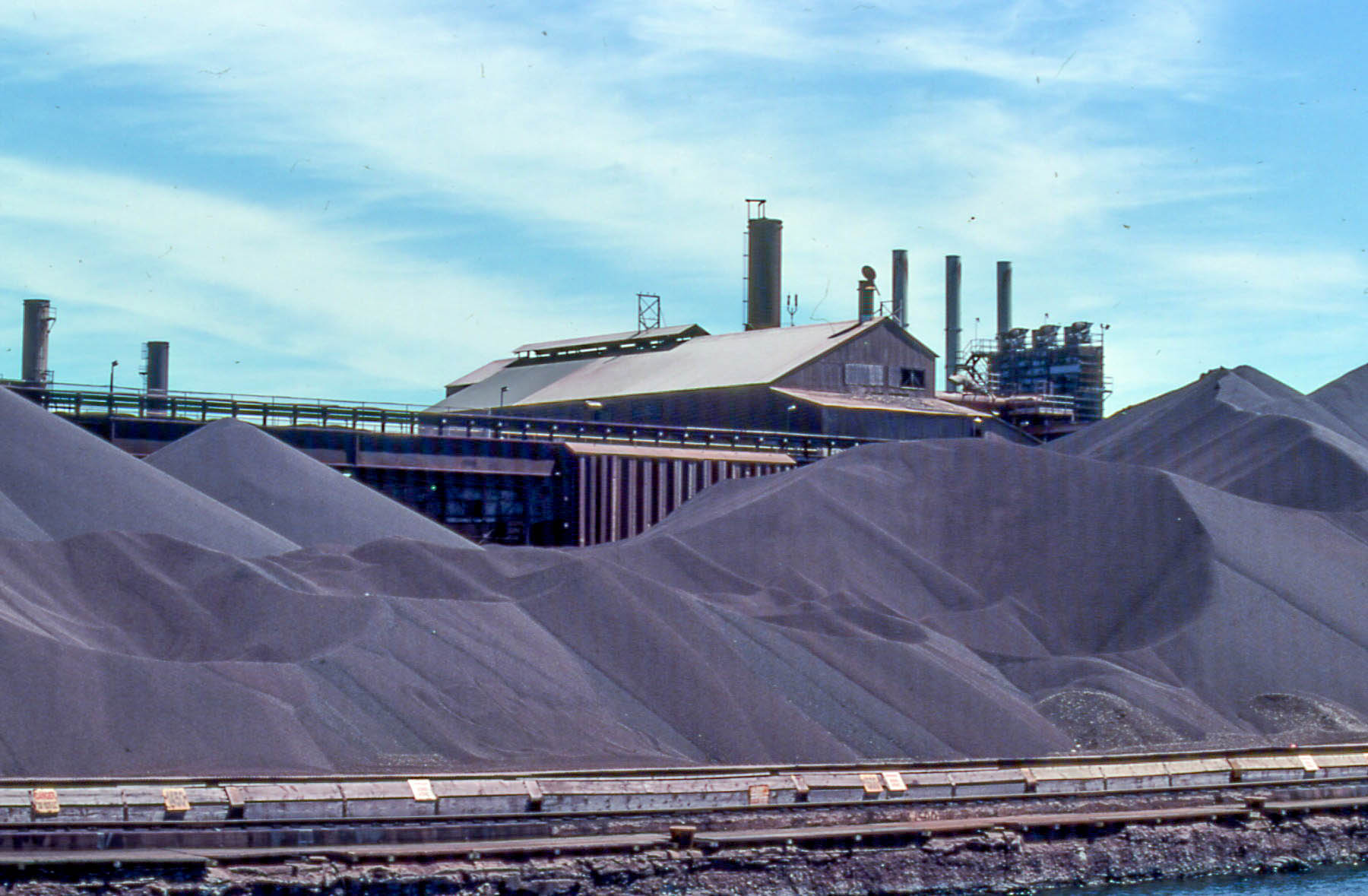
An Ohio State team pairs steel slag and coal ash with captured CO2, mineralises the carbon into calcite, and spends the heat that reaction gives off on splitting water. Here is the mechanism — and what the paper does not tell you.

Expose a neodymium magnet to hydrogen and it fractures along its own grain boundaries into a demagnetised powder that can be pressed straight back into new magnets. The mechanism is elegant. Getting the magnets out of the devices is the hard part.
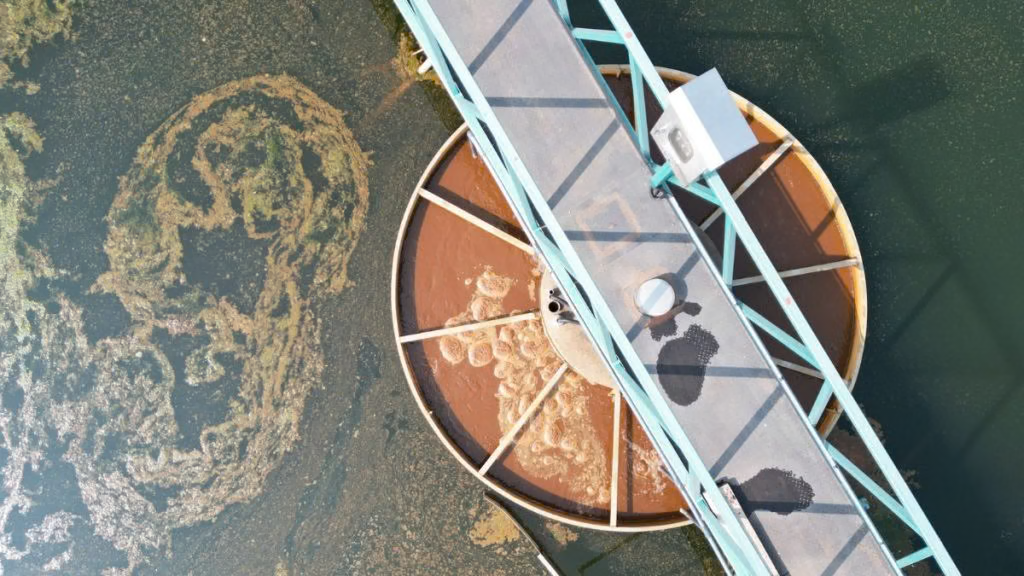
A BITS Pilani system disinfects pharmaceutical wastewater with electric pulses, digests the organics biologically, and turns the leftover sludge into methane. Here is the logic of each stage.
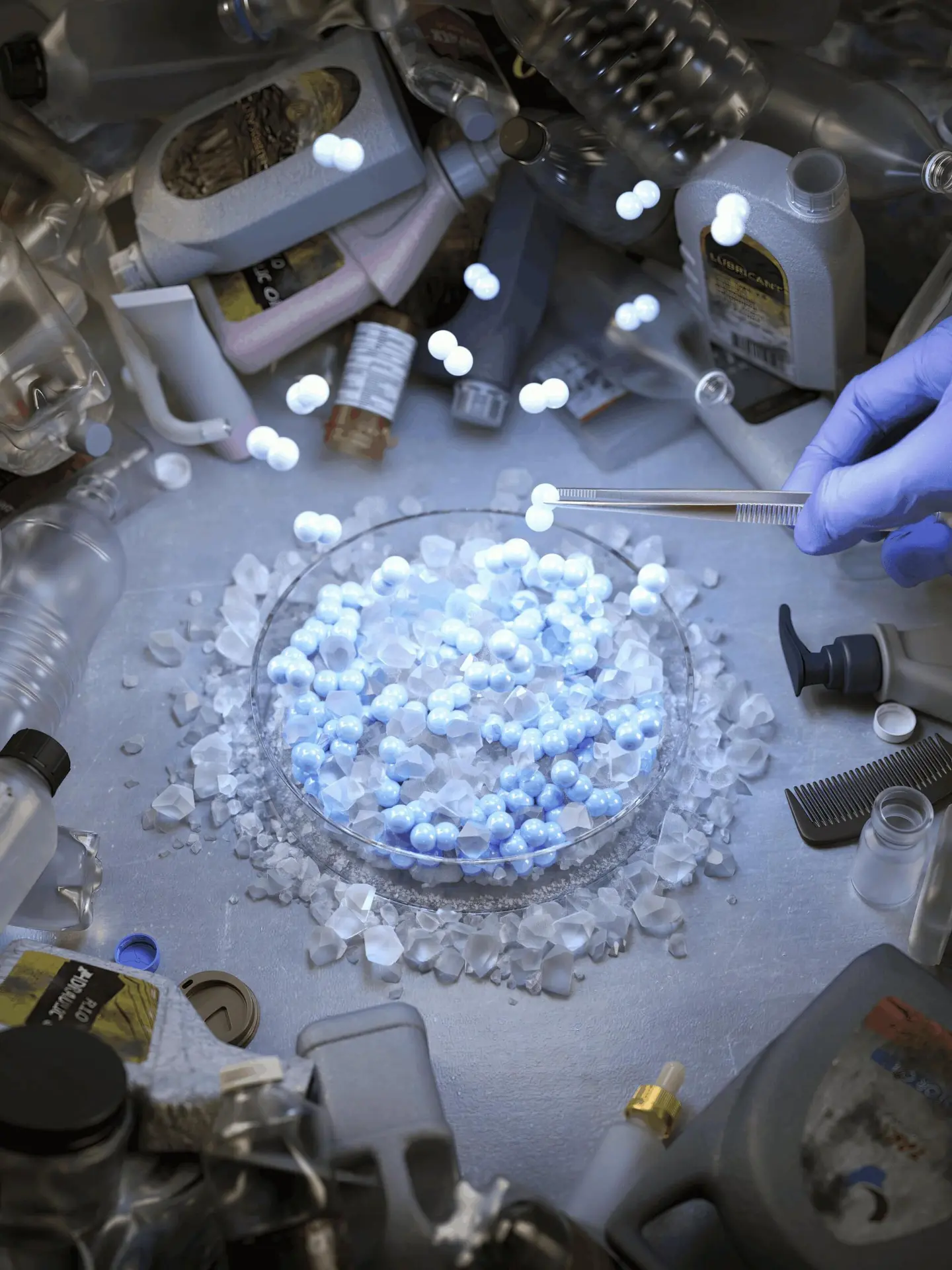
A new PNAS study converts mixed PET, PE and PP into >90% pure hydrogen in one reactor — no polymer sorting, and most of the carbon never reaches the gas phase.